
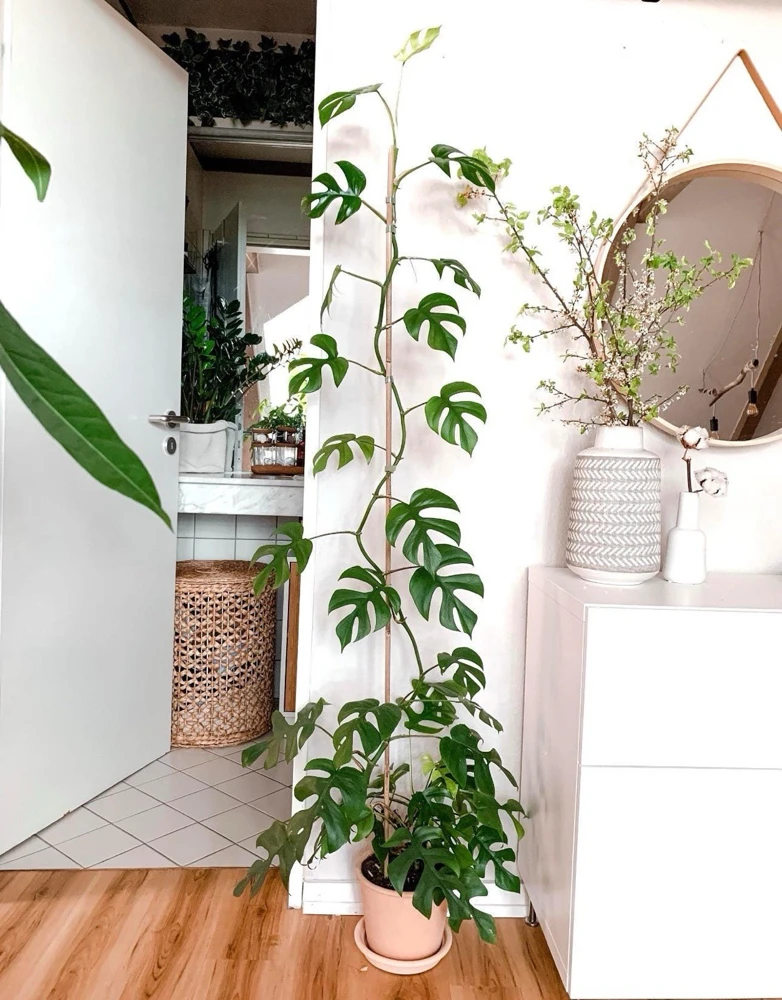
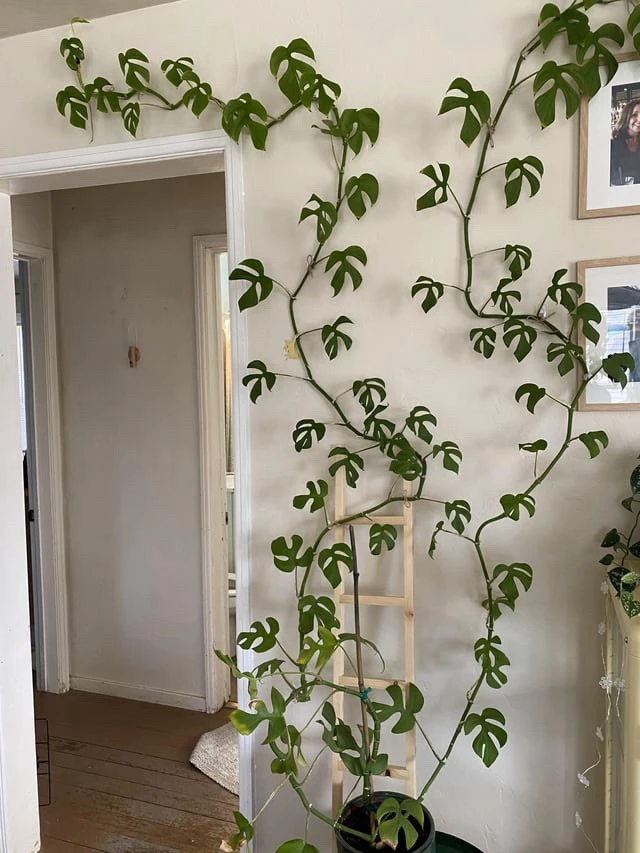
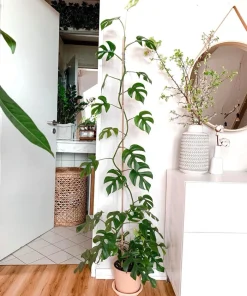
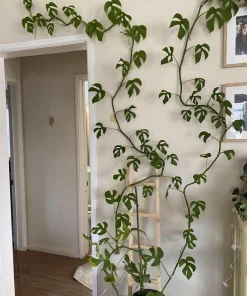
Monstera Ginny Live Plant – Rhaphidophora tetrasperma Mini Monstera Houseplant
Original price was: $108.99.$89.99Current price is: $89.99.
Add a touch of tropical elegance to your home with the Monstera Ginny live plant. Also known as Mini Monstera Houseplant, this fast-growing vine features unique fenestrated leaves. It’s an ideal choice for both beginners and experienced plant enthusiasts looking for a low-maintenance, air-purifying indoor plant.
Estimated arrival
Oct 27
Nov 01 - Nov 03
Nov 06 - Nov 10
Shop With Confidence
30-Day Plant Health Guarantee
Arrives damaged? We’ll replace it free — see our return policy.
Responsive Support
Email us anytime, we reply within 1 business day.
Expert Packaging
Temperature-controlled shipping to protect your plants in transit.
Secure Checkout
Pay safely with Visa, Mastercard, PayPal.
Plant Specifications
-
USDA Hardiness Zone
year-round indoors -
Soil Type
well-draining, airy potting mix -
Sunlight Exposure
bright indirect light -
Expected Planting Period
year-round indoors
Overview
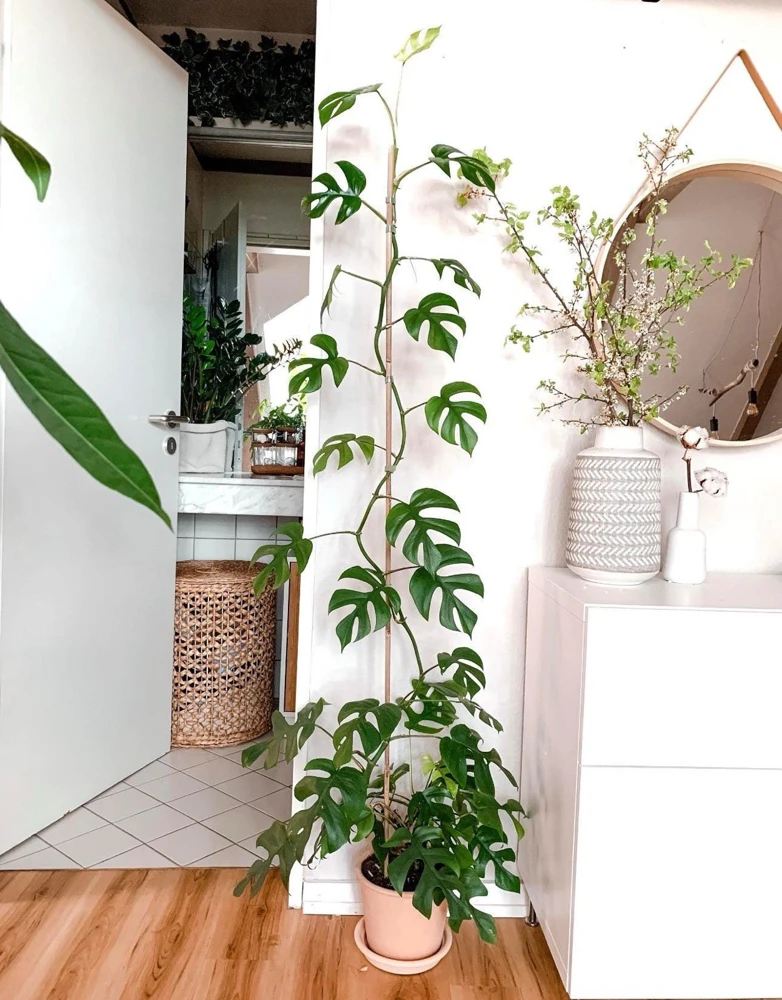
Introduce a touch of the tropics into your living space with the stunning Monstera Ginny live plant. This captivating houseplant, scientifically known as Rhaphidophora tetrasperma, is often affectionately called the Mini Monstera Houseplant due to its resemblance to larger Monstera varieties, despite not being a true Monstera. Its most striking feature is its deeply lobed and fenestrated (split) leaves, which develop as the plant matures, creating an intricate and visually appealing display. This particular variety, ‘Ginny’, is celebrated for its compact growth habit and vigorous climbing nature, making it an excellent choice for shelves, hanging baskets, or trained to climb a moss pole. It brings a vibrant, lush green aesthetic that can transform any room into a serene, natural sanctuary. Whether you’re a seasoned plant parent or just starting your indoor jungle journey, the Monstera Ginny live plant offers an accessible and rewarding growing experience.
Originating from the tropical rainforests of Malaysia and Thailand, the Mini Monstera thrives in warm, humid environments, making it perfectly suited for indoor cultivation. Its relatively quick growth rate means you’ll see new, beautifully formed leaves emerge regularly, adding dynamic interest to your plant collection. The unique leaf structure not only looks fantastic but also helps in light absorption, contributing to the plant’s overall health and vitality. This plant is not only a decorative asset but also contributes to a healthier indoor environment by potentially improving air quality.
Key Benefits
The Monstera Ginny live plant offers numerous advantages that make it a highly desirable addition to any home or office. Its captivating appearance and relatively easy care requirements are just the beginning:
- Stunning Aesthetic Appeal: The deeply cut and split leaves of the Monstera Ginny live plant create a dramatic, architectural look that instantly elevates interior decor. Its vibrant green foliage provides a refreshing splash of nature.
- Air Purification Qualities: Like many houseplants, this mini monstera houseplant contributes to better indoor air quality by absorbing common household toxins and releasing fresh oxygen, creating a healthier living space.
- Fast Growing and Rewarding: Witnessing the rapid development of new leaves and the plant’s climbing habit is incredibly satisfying. It’s a truly rewarding plant for those who enjoy seeing quick progress in their greenery.
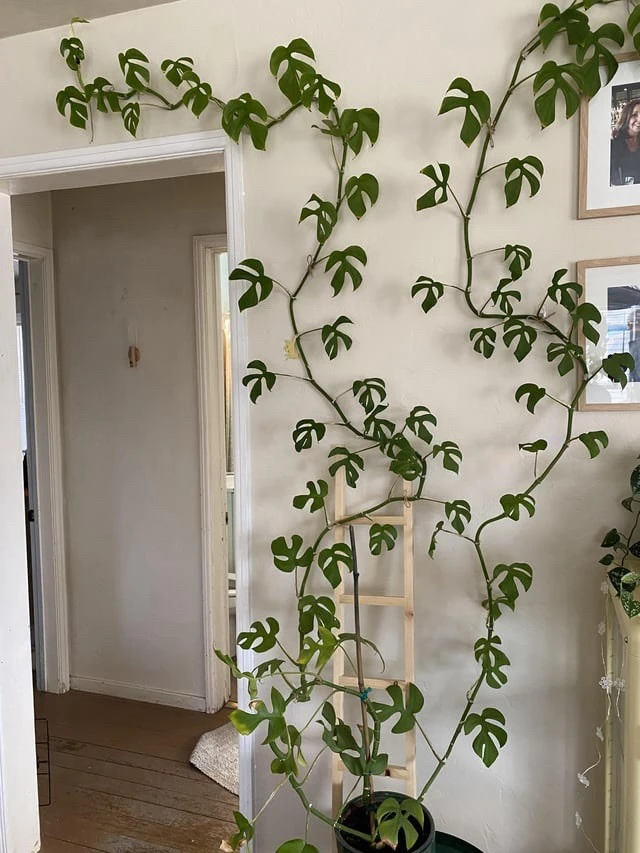
- Versatile Decor Piece: Its vining nature allows for diverse display options. You can let it trail from a shelf, hang it in a basket, or provide a support for it to climb, making it adaptable to various interior designs.
- Moderately Low Maintenance: While it appreciates consistent care, the Rhaphidophora tetrasperma is not overly demanding, making rhaphidophora tetrasperma care manageable for busy individuals. It’s more forgiving than some other exotic plants.
- Compact Size: Unlike its larger Monstera relatives, the ‘Ginny’ cultivar remains a more manageable size, perfect for smaller spaces or for those who prefer plants that don’t quickly outgrow their designated area.
- Engaging Foliage Development: The process of new leaves unfurling and developing their characteristic fenestrations is a fascinating aspect of owning this plant, providing continuous interest.
Plant Care & Growing Tips
Providing the right environment is key to ensuring your Monstera Ginny live plant thrives and develops its iconic split leaves. This plant, also known as the Mini Monstera Houseplant, appreciates conditions that mimic its native tropical habitat. For successful monstera ginny care, focus on light, water, humidity, and soil.
Sunlight Requirements: The Rhaphidophora tetrasperma prefers bright, indirect light. Place it near a window where it receives plenty of ambient light but is shielded from direct, harsh sunlight, especially during the afternoon. Direct sun can scorch its delicate leaves. An east or north-facing window is often ideal. If you notice leggy growth or smaller leaves, it may be indicating insufficient light. Conversely, yellowing or crispy leaves can be a sign of too much direct sun.
Watering Schedule and Soil Moisture Preferences: Water your Monstera Ginny live plant thoroughly when the top 1-2 inches of soil feel dry to the touch. It’s crucial to avoid overwatering, as this can lead to root rot. Ensure the pot has drainage holes to prevent water from sitting at the bottom. During warmer months, you’ll likely water more frequently, while in winter, reduce the frequency as the plant’s growth slows. Consistency is more important than a rigid schedule; always check the soil moisture before watering.
Soil Type and Drainage Requirements: This plant thrives in a well-draining, airy potting mix that retains some moisture but doesn’t become waterlogged. A good mix typically includes peat moss, perlite, and pine bark. This combination provides the necessary aeration for roots and prevents compaction. Excellent drainage is paramount for healthy mini monstera houseplant roots.
Temperature Range and USDA Hardiness Zone: Being a tropical plant, the Mini Monstera prefers warm temperatures between 65-80°F (18-27°C). Avoid exposing it to temperatures below 55°F (13°C), as cold drafts can cause stress and damage. As an indoor plant, it’s generally not assigned a USDA hardiness zone, but if grown outdoors in very warm climates, it would fall into zones 10-12. Aim for consistent indoor temperatures.
Humidity: High humidity is beneficial for this plant, especially if you want to encourage lush growth and prevent crispy leaf edges. You can increase humidity by misting the leaves regularly, placing the pot on a pebble tray filled with water, or using a humidifier. Grouping it with other plants can also create a microclimate of higher humidity.
Fertilization Schedule and Type: Feed your Monstera Ginny live plant with a balanced liquid fertilizer diluted to half strength every 2-4 weeks during its active growing season (spring and summer). Reduce or cease fertilization during fall and winter when growth naturally slows down. Over-fertilizing can lead to nutrient burn, so always follow the product’s instructions.
Common Problems and Solutions: Yellowing leaves can indicate overwatering or nutrient deficiency. Brown, crispy edges often point to low humidity or underwatering. Pests like spider mites or mealybugs can be managed with insecticidal soap or neem oil. Regularly inspect your plant to catch any issues early. Providing optimal conditions is the best defense against most problems.
Size & Details
This listing is for one Monstera Ginny live plant, also known as Rhaphidophora tetrasperma or Mini Monstera Houseplant. The plant is shipped as a healthy, established specimen, carefully packaged to ensure safe arrival. While exact dimensions can vary slightly based on individual plant growth, you can typically expect your plant to arrive with several well-formed leaves and a robust root system, ready to thrive in its new home. It is generally provided in a nursery pot, the size of which will be suitable for initial growth.
The Mini Monstera Houseplant is a relatively fast growing houseplant that can quickly grow into a substantial vine with proper care. It will exhibit its characteristic fenestrations as it matures. The plant’s overall height and spread will depend on whether it is allowed to trail or is given a support structure to climb, which encourages larger leaves and more vigorous growth. With optimal conditions, you can expect noticeable growth within weeks of receiving your plant, contributing to a lush display in your indoor garden.
Frequently Asked Questions
- Q: How big does this plant get? A: The Monstera Ginny live plant is a vining plant. If allowed to trail, its stems can reach several feet in length. If provided with a moss pole or support, it can grow fairly tall, with leaves increasing in size as it climbs. Its compact nature makes it a great choice for various indoor spaces.
- Q: Is this an indoor or outdoor plant? A: The Mini Monstera Houseplant is primarily grown as an indoor plant in most climates due to its tropical origins. It can be grown outdoors in USDA hardiness zones 10-12 where temperatures remain consistently warm and humid.
- Q: How much sunlight does it need? A: This plant thrives in bright, indirect light. Avoid direct afternoon sun, which can scorch its leaves. An east or north-facing window is usually ideal, or a few feet away from a south or west-facing window.
- Q: Is this plant easy to care for? Is it good for beginners? A: Yes, the Monstera Ginny live plant is considered relatively easy to care for and is a good choice for beginners due to its forgiving nature and vigorous growth. Consistent rhaphidophora tetrasperma care will lead to a thriving plant.
- Q: What condition will it arrive in? A: Your plant will arrive as a healthy, live specimen, carefully packaged to minimize stress during transit. It will be rooted in a nursery pot, ready for you to acclimate to its new environment.
- Q: How often should I water my Mini Monstera? A: Water when the top 1-2 inches of soil are dry. This typically means once a week or every ten days, but always check the soil moisture before watering as needs vary based on environment.
- Q: What’s the best soil for a Monstera Ginny live plant? A: A well-draining, airy potting mix is best. A blend containing peat moss, perlite, and pine bark is ideal to provide good aeration and moisture retention without becoming waterlogged.
- Q: Why are my plant’s leaves not splitting? A: Leaf fenestrations develop as the plant matures and receives sufficient light and proper care. Younger plants or those in low light conditions may not develop splits immediately. Providing a climbing support can also encourage larger, more split leaves.
- Q: Is this plant pet-safe? A: Like many plants in the Araceae family, Rhaphidophora tetrasperma contains calcium oxalate crystals, which can cause irritation if ingested. It is generally considered toxic to pets and humans if consumed.
- Q: How can I encourage faster growth for my Mini Monstera? A: To promote a fast growing houseplant, ensure it receives bright, indirect light, consistent watering, high humidity, and regular feeding during the growing season. Providing a moss pole to climb can also significantly boost growth and leaf size.
Be the first to review “Monstera Ginny Live Plant – Rhaphidophora tetrasperma Mini Monstera Houseplant”
People Also Viewed
Reviews
There are no reviews yet.