









Lithops Living Stone Succulent Seeds – Rare Varieties for Indoor & Outdoor
Original price was: $41.99.$16.99Current price is: $16.99.
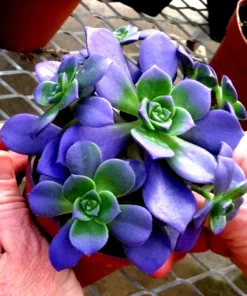
Cultivate your own collection of unique Lithops Living Stone succulent seeds. These rare and colorful varieties are easy to grow indoors or outdoors, offering fascinating visual appeal with minimal maintenance. A perfect choice for plant enthusiasts seeking distinctive specimens.
Estimated arrival
Oct 15
Oct 20 - Oct 22
Oct 25 - Oct 29
Shop With Confidence
30-Day Plant Health Guarantee
Arrives damaged? We’ll replace it free — see our return policy.
Responsive Support
Email us anytime, we reply within 1 business day.
Expert Packaging
Temperature-controlled shipping to protect your plants in transit.
Secure Checkout
Pay safely with Visa, Mastercard, PayPal.
Plant Specifications
-
USDA Hardiness Zone
USDA zones 9-11 (outdoors); adaptable indoors -
Soil Type
Well-draining succulent mix, sandy loam -
Sunlight Exposure
Full sun to bright indirect light -
Expected Planting Period
Year-round indoors; spring to early fall outdoors
Overview
Embark on a rewarding gardening journey with our premium selection of Lithops Living Stone succulent seeds. These extraordinary plants, often referred to as ‘Living Stones’ due to their remarkable resemblance to pebbles and rocks, are native to Southern Africa and are highly prized for their unique appearance and vibrant coloration. Each seed holds the potential to grow into a fascinating succulent, adding a touch of natural artistry to any indoor plant collection or arid outdoor landscape. Cultivating rare succulent seeds like Lithops offers a deeply satisfying experience, watching these resilient plants emerge and flourish. They are a true marvel of nature, perfectly adapted to camouflage themselves among stones in their natural habitat, making them an intriguing addition for both seasoned collectors and new plant enthusiasts alike. These seeds are a fantastic way to start a diverse collection of these captivating plants.
Our Lithops Living Stone succulent seeds are sourced to ensure viability and genetic diversity, promising a vibrant array of colors and patterns as they mature. Unlike many other succulents, Lithops have a unique growth cycle, often appearing as a pair of fleshy, pebble-like leaves that are fused together. Over time, new leaves emerge from the fissure between the old ones, and eventually, a delicate, daisy-like flower may bloom. This product provides the seeds, allowing you to experience the full life cycle of these incredible plants from germination to maturity. They are known for being relatively easy to grow from seed, making them accessible even to those new to succulent propagation.
Key Benefits
Growing Lithops Living Stone succulent seeds offers numerous benefits, from enhancing your living space to providing a fulfilling horticultural hobby:
- Unique Aesthetic Appeal: Lithops are renowned for their striking resemblance to stones, offering an unparalleled visual interest that transforms any space into a miniature desert landscape. Their diverse patterns and colors make each plant a living piece of art.
- Low Maintenance & Drought Tolerant: These succulents are incredibly resilient and require minimal watering, making them ideal for busy individuals or those new to plant care. They thrive on neglect, asking for very little to flourish.
- Space-Saving & Compact: Due to their small and compact growth habit, Lithops are perfect for windowsills, desks, terrariums, or any small space where a touch of nature is desired without taking up much room.
- Rewarding Growing Experience: The process of growing Lithops from seed is an engaging and educational experience, allowing you to observe their unique germination and growth phases firsthand. It offers a deep sense of accomplishment.
- Pet-Friendly & Child-Safe: Lithops are generally considered non-toxic to pets and children, making them a safe choice for households where curious hands or paws might be present.
- Air Purifying Qualities: Like many plants, Lithops contribute to improved indoor air quality by absorbing carbon dioxide and releasing oxygen, promoting a healthier environment.
- Collectibility & Rarity: Our selection includes rare succulent seeds, allowing you to cultivate unusual varieties and expand your collection with specimens not commonly found in local nurseries.
Plant Care & Growing Tips
Successful Lithops care begins with understanding their unique needs. As desert dwellers, they require very specific conditions to thrive. For germination and initial growth, sow the Lithops Living Stone succulent seeds on a well-draining soil mix, typically composed of equal parts potting soil, perlite, and coarse sand. Lightly cover the seeds or press them gently into the surface. Keep the soil consistently moist but not waterlogged during germination, which can take anywhere from a few days to several weeks. A humidity dome or plastic wrap can help maintain moisture.
Once germinated, Lithops care shifts significantly. These plants thrive in full sun to bright indirect light for at least 4-6 hours daily. A south-facing window is often ideal indoors. Watering should be infrequent and deep, allowing the soil to dry out completely between waterings. Overwatering is the most common cause of Lithops demise. During their dormancy periods (typically summer and winter), they require little to no water. Fertilization is rarely needed; if you choose to fertilize, use a highly diluted succulent-specific fertilizer during their active growing phase in spring or fall. Ensure excellent drainage to prevent root rot. They prefer warm temperatures, ideally between 65-80°F (18-27°C) during their active growth, with cooler temperatures acceptable during dormancy.
The key to successful growing Lithops from seed and maintaining mature plants is observing their growth cycle. When new leaves emerge, the old ones will shrivel and dry up, providing moisture for the new growth. Do not water during this period until the old leaves are completely absorbed. Repotting should be done sparingly, only when the plant outgrows its container, using a similar well-draining substrate. These plants are accustomed to arid climates, so mimicking their natural environment is crucial for their long-term health. Keep an eye out for common pests like mealybugs, though Lithops are generally quite resistant.
Size & Details
This offering includes a packet of Lithops Living Stone succulent seeds, providing you with the opportunity to grow multiple unique specimens. The exact number of seeds per packet may vary but is typically sufficient to start a thriving collection. When mature, individual Lithops plants usually remain quite small and compact, ranging from 0.5 to 1.5 inches (1.2 to 3.8 cm) in diameter, making them ideal for small pots or communal succulent arrangements. Their slow growth rate means they will maintain their charming, miniature appearance for many years. These seeds are suitable for planting year-round indoors under controlled conditions, or outdoors in appropriate climates during spring or fall. Expect germination to occur within a few weeks, with the plants reaching noticeable size within several months to a year. The seeds are carefully packed to ensure their viability upon arrival, ready for you to begin your journey of growing Lithops from seed.
Frequently Asked Questions
- Q: How big do these Lithops plants get? A: When mature, individual Lithops plants typically range from 0.5 to 1.5 inches (1.2 to 3.8 cm) in diameter, maintaining a very compact and low-growing form.
- Q: Is this an indoor or outdoor plant? A: Lithops Living Stone succulent seeds can be grown both indoors and outdoors. Indoors, they thrive on sunny windowsills. Outdoors, they prefer arid, well-draining environments and are best suited for USDA zones 9-11 or grown as annuals in colder climates.
- Q: How much sunlight do Lithops need? A: Lithops require a significant amount of light, ideally 4-6 hours of direct sunlight daily or very bright indirect light to maintain their compact form and vibrant coloration.
- Q: Is this plant easy to care for? A: While Lithops care requires specific attention to watering and light, they are generally considered easy to care for once their unique needs are understood, making them suitable for dedicated beginners.
- Q: What condition will the seeds arrive in? A: The rare succulent seeds will arrive in a protective packet, ensuring their viability and readiness for planting upon delivery.
- Q: What’s the best time to plant these seeds? A: You can sow Lithops Living Stone succulent seeds indoors year-round. If planting outdoors, spring or early fall are generally the best times, avoiding extreme heat or cold.
- Q: How long until Lithops bloom? A: Lithops grown from seed can take several years to reach maturity and produce their characteristic daisy-like flowers, typically blooming in the fall or early winter.
- Q: What kind of soil is best for growing Lithops from seed? A: A very well-draining soil mix is crucial. A good blend includes equal parts potting soil, perlite, and coarse sand or pumice to prevent water retention.
- Q: Are these plants pet-safe? A: Yes, Lithops are generally considered non-toxic and safe for households with pets and children.
- Q: How often should I water my Lithops? A: Water very sparingly. Allow the soil to dry out completely between waterings, and reduce watering significantly during their summer and winter dormancy periods. Overwatering is the biggest risk for Lithops care.
Be the first to review “Lithops Living Stone Succulent Seeds – Rare Varieties for Indoor & Outdoor”
People Also Viewed
Flowers
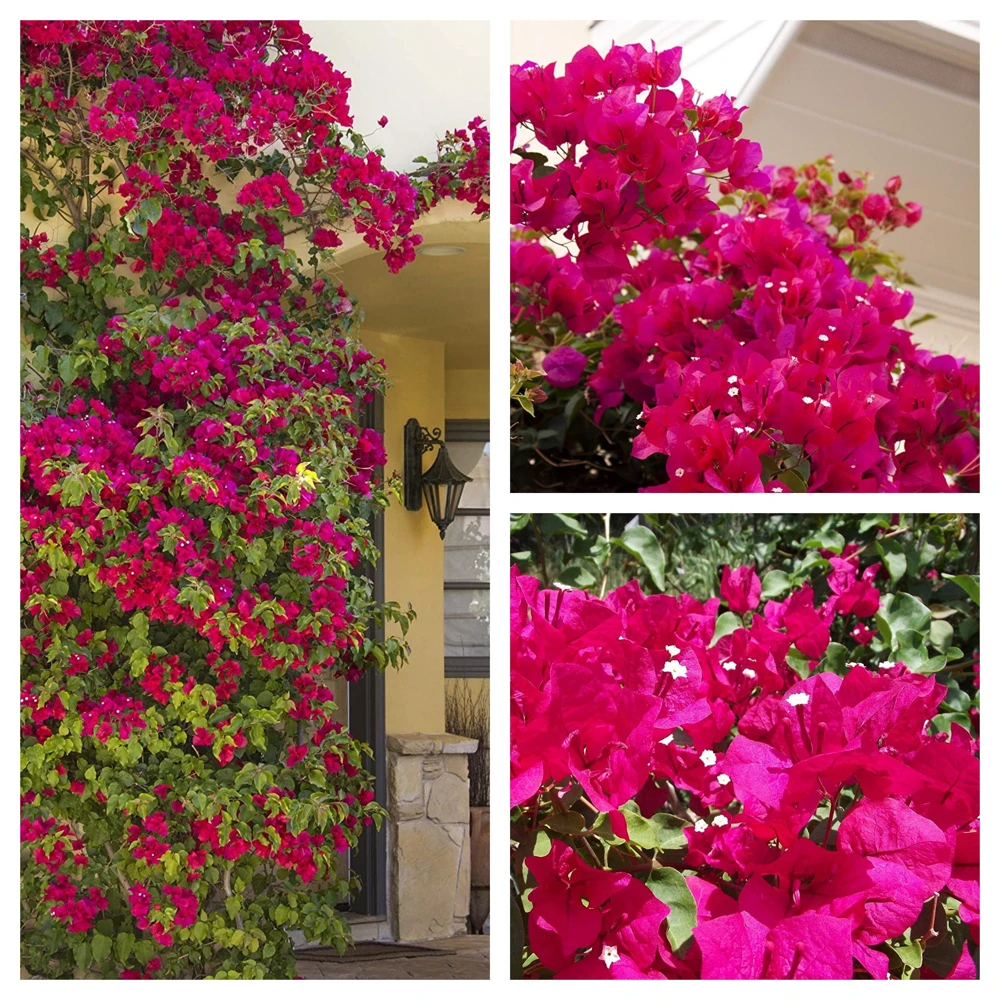
Bougainvillea Live Plant – Barbara Karst Starter Plants – 2 Pack – Bright Red Flowers – Outdoor

Reviews
There are no reviews yet.