
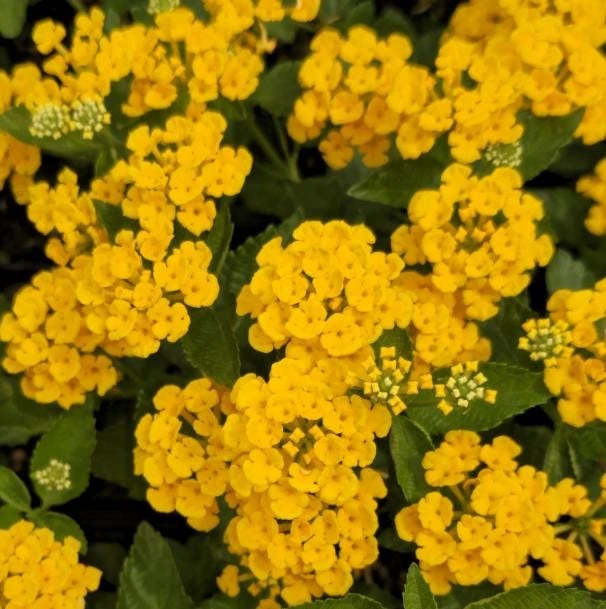
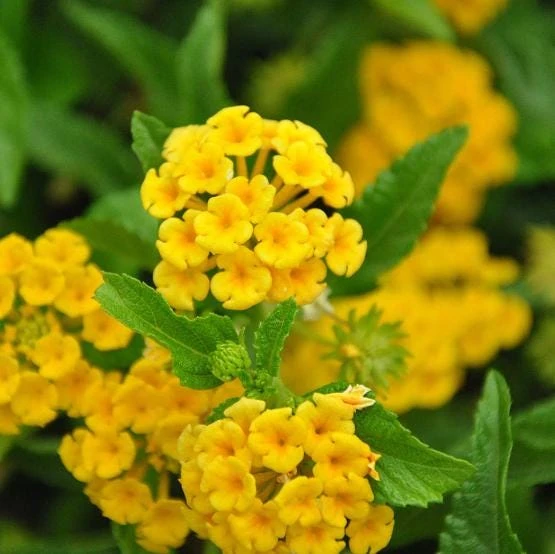
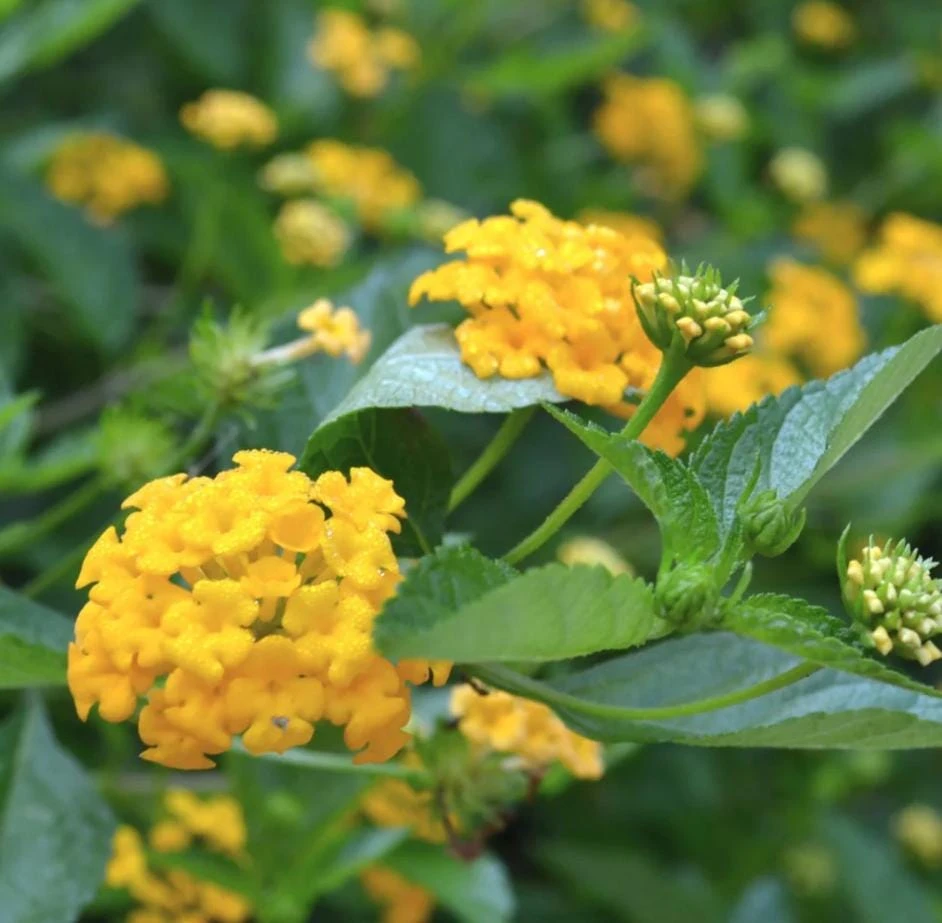
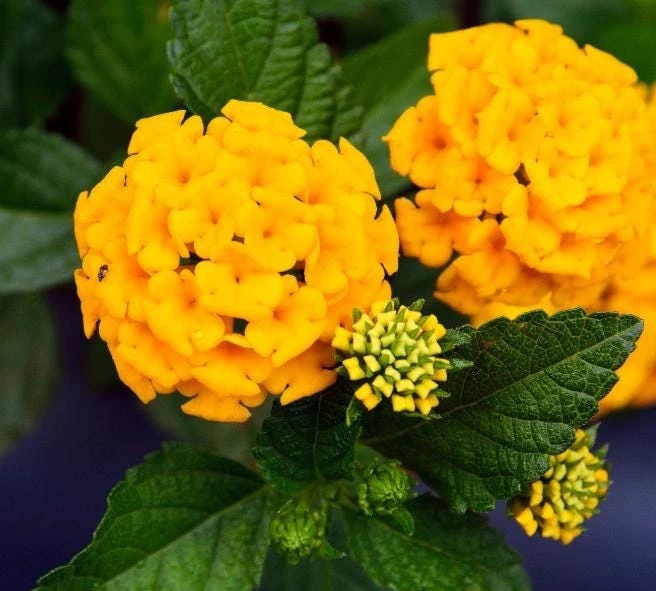
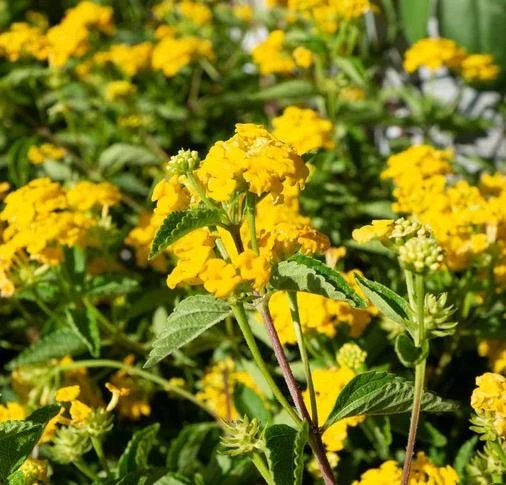
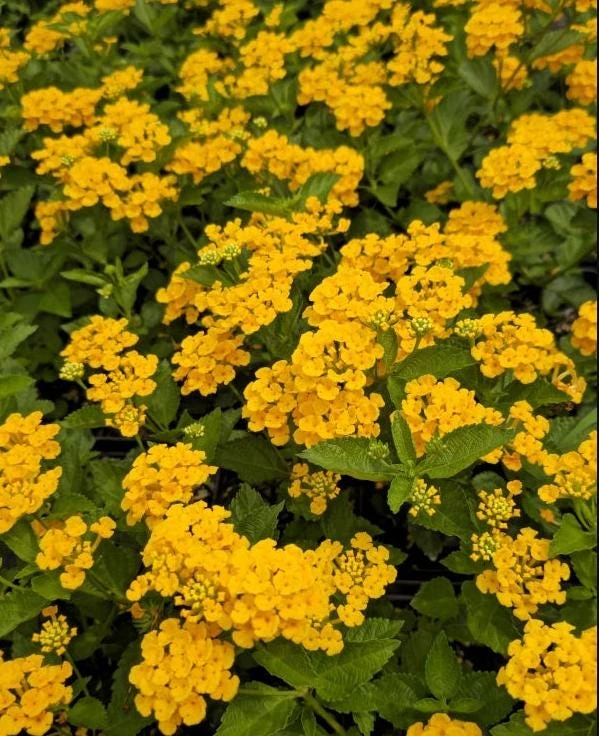
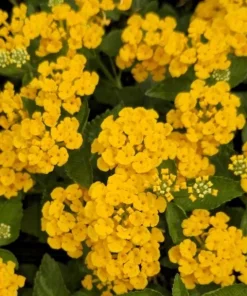
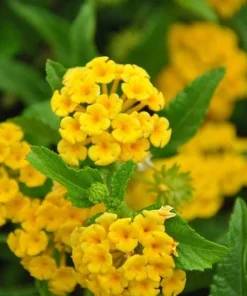
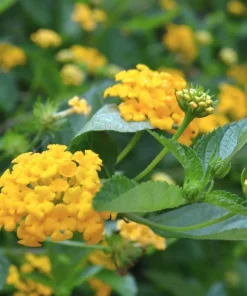
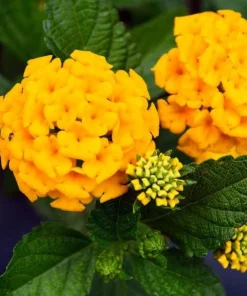
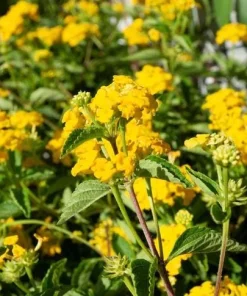
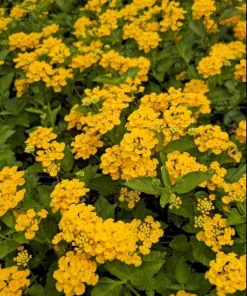
Lantana Chapel Hill Gold Live Plant – Set of 2 Perennial Flowering Plants for Outdoor Gardens, 4-6 Inches Tall
Original price was: $36.99.$21.99Current price is: $21.99.
Bring vibrant color to your garden with this set of two Lantana Chapel Hill Gold live plant. These 4-6 inch tall perennial flowering plants boast bright golden-yellow blooms from spring through frost, offering exceptional heat and drought tolerance. Ideal for borders, containers, and ground covers.
Estimated arrival
Oct 14
Oct 19 - Oct 21
Oct 24 - Oct 28
Shop With Confidence
30-Day Plant Health Guarantee
Arrives damaged? We’ll replace it free — see our return policy.
Responsive Support
Email us anytime, we reply within 1 business day.
Expert Packaging
Temperature-controlled shipping to protect your plants in transit.
Secure Checkout
Pay safely with Visa, Mastercard, PayPal.
Plant Specifications
-
USDA Hardiness Zone
7 to 11 -
Soil Type
Well-drained, sandy or loamy soil -
Sunlight Exposure
Full Sun (6–8 hours daily) -
Expected Planting Period
Spring to fall
Overview
Introduce a burst of sunshine to your landscape with the Lantana Chapel Hill Gold live plant. This exceptional perennial is celebrated for its continuous display of bright golden-yellow flower clusters, blooming profusely from spring until the first frost. A cold-hardy hybrid, the Lantana Chapel Hill Gold live plant offers remarkable heat and drought tolerance, making it an ideal choice for a variety of outdoor settings. Its compact, low-growing nature and mounding, spreading habit make it perfectly suited for defining borders, gracing containers, or serving as an attractive ground cover. These vibrant flowering plants are a magnet for pollinators like butterflies, adding life and movement to your garden space.
Known botanically as Lantana camara ‘Chapel Hill Gold’, this variety is a favorite among gardeners seeking low-maintenance yet high-impact color. Unlike some other lantana varieties, ‘Chapel Hill Gold’ maintains a tidy appearance, making it versatile for both formal and informal garden designs. It’s an excellent option for gardeners in warmer climates, providing reliable performance even under challenging conditions. Prepare to enjoy a season-long spectacle of cheerful golden blooms that will brighten any corner of your outdoor sanctuary.
Key Benefits
The Lantana Chapel Hill Gold live plant offers a multitude of advantages for any gardener, combining aesthetic appeal with robust performance:
- Continuous Golden Blooms: Enjoy a spectacular display of bright golden-yellow flower clusters that bloom without interruption from spring through the first autumn frost, providing sustained color in your garden.
- Exceptional Heat and Drought Tolerance: This variety is a cold-hardy hybrid specifically bred to withstand high temperatures and periods of drought, requiring less water and care once established. This makes drought tolerant lantana an excellent choice for xeriscaping or low-water gardens.
- Low Maintenance Perennial: As a perennial, it returns year after year with minimal effort. Its vigorous nature and disease resistance reduce the need for constant attention, allowing you more time to enjoy its beauty.
- Versatile Garden Use: The compact, mounding, and spreading habit of the Chapel Hill Gold variety makes it incredibly versatile. It’s perfect for creating vibrant borders, filling decorative containers, or establishing colorful ground covers in sunny areas.
- Attracts Pollinators: The bright, nectar-rich flowers are a favorite of butterflies, bees, and hummingbirds, helping to support local ecosystems and bringing delightful wildlife to your garden.
- Cold-Hardy Hybrid: Developed for improved resilience, this lantana can tolerate cooler temperatures than many other varieties, extending its growing range and performance.
- Deer Resistant: Generally, lantana plants are not favored by deer, offering a natural deterrent that helps protect your garden from browsing damage.
Plant Care & Growing Tips
Caring for your Lantana Chapel Hill Gold live plant is straightforward, making it an excellent choice for both novice and experienced gardeners. These plants thrive in full sun, requiring at least 6-8 hours of direct sunlight daily for optimal flower production. Insufficient light can lead to sparse blooming and leggy growth. When it comes to watering, perennial lantana care involves moderate watering. Allow the soil to dry out slightly between waterings to prevent root rot. While they are drought-tolerant once established, consistent moisture during prolonged dry spells will encourage more prolific flowering. Avoid overwatering and ensure excellent drainage to prevent soggy or compacted soil conditions.
The ideal soil for the Lantana Chapel Hill Gold live plant is well-drained, sandy, or loamy. Good drainage is crucial for the health of these plants. They are not overly fussy about soil pH but prefer a slightly acidic to neutral range. Fertilize sparingly; a balanced, slow-release granular fertilizer applied in early spring is usually sufficient. Excessive nitrogen can promote foliage growth at the expense of flowers. Pruning in late winter or early spring can help maintain a compact shape and encourage new growth and more blooms. In USDA Zones 7-11, these plants are perennial, meaning they will return each year. In colder zones, they can be grown as annuals or overwintered indoors. They prefer temperatures between 70°F and 95°F. Remember that these plants may lose their leaves in winter, which is a natural part of their dormancy cycle.
Size & Details
This offering includes a set of two Lantana Chapel Hill Gold live plant specimens, each carefully nurtured to be 4 to 6 inches tall upon arrival, ready for planting. These plants are typically shipped in nursery pots, ensuring their root systems are established and healthy for immediate transplanting into your garden or preferred containers. With a mounding and spreading habit, each plant can eventually reach a mature size of approximately 1 to 2 feet in height and 2 to 3 feet in width, creating a dense, colorful display. The robust nature of this outdoor flowering plants variety ensures a vigorous growth rate, quickly filling in spaces and providing ample blooms throughout its long season.
The compact size at shipment makes them easy to handle and plant, while their rapid growth ensures your garden will soon be adorned with their cheerful golden flowers. Expect these plants to establish quickly if provided with the right conditions. They are delivered as live, actively growing plants, ensuring a head start for a season of vibrant color. This particular Chapel Hill Gold variety is an excellent choice for those seeking reliable performance and a beautiful, consistent floral show.
Frequently Asked Questions
- Q: How big does the Lantana Chapel Hill Gold live plant get? A: Each plant typically grows to about 1 to 2 feet tall and spreads 2 to 3 feet wide, forming a compact, mounding shape. This makes them excellent for various garden applications.
- Q: Is this an indoor or outdoor plant? A: The Lantana Chapel Hill Gold live plant is primarily an outdoor perennial flowering plant. While it can be overwintered indoors in colder climates, it thrives and blooms best with ample sunlight outdoors.
- Q: How much sunlight does perennial lantana care require? A: For the best flowering performance, these plants need full sun, which means at least 6 to 8 hours of direct sunlight per day. Less light may result in fewer blooms.
- Q: Is this plant easy to care for? A: Yes, the Lantana Chapel Hill Gold live plant is known for being very easy to care for. It’s drought-tolerant, heat-tolerant, and relatively pest and disease-free, making it suitable for beginners.
- Q: What condition will the plants arrive in? A: Your outdoor flowering plants will arrive as live, actively growing specimens, typically in nursery pots, ensuring their roots are protected and they are ready for planting.
- Q: When is the best time to plant drought tolerant lantana? A: The best time to plant is in spring after the last danger of frost has passed, allowing the plants ample time to establish before the heat of summer.
- Q: Will it survive winter in my zone? A: This variety is cold-hardy in USDA Zones 7 to 11. In these zones, it will die back to the ground in winter and re-emerge in spring. In colder zones, it is often grown as an annual.
- Q: What kind of soil does this lantana prefer? A: It prefers well-drained, sandy, or loamy soil. Good drainage is crucial to prevent root issues, so avoid heavy, compacted, or waterlogged soils.
- Q: How often should I water my Chapel Hill Gold variety? A: Water moderately, allowing the top inch or two of soil to dry out completely between waterings. Once established, they are quite drought-tolerant but benefit from occasional watering during dry periods.
- Q: Are these plants attractive to pollinators? A: Absolutely! The bright golden-yellow flowers of the Lantana Chapel Hill Gold live plant are highly attractive to butterflies, bees, and hummingbirds, making them a great addition to a pollinator garden.
Be the first to review “Lantana Chapel Hill Gold Live Plant – Set of 2 Perennial Flowering Plants for Outdoor Gardens, 4-6 Inches Tall”
People Also Viewed
Vegetable Seeds
Jack Be Little Pumpkin Seeds – 20 Miniature Vegetable Cucurbita Pepo Seeds for Decor & Eating
Flower Plants
Reviews
There are no reviews yet.