
Pink Easter Cactus Live Plant, Spring Houseplant, 4-8 Inch Tall
Original price was: $46.99.$21.99Current price is: $21.99.
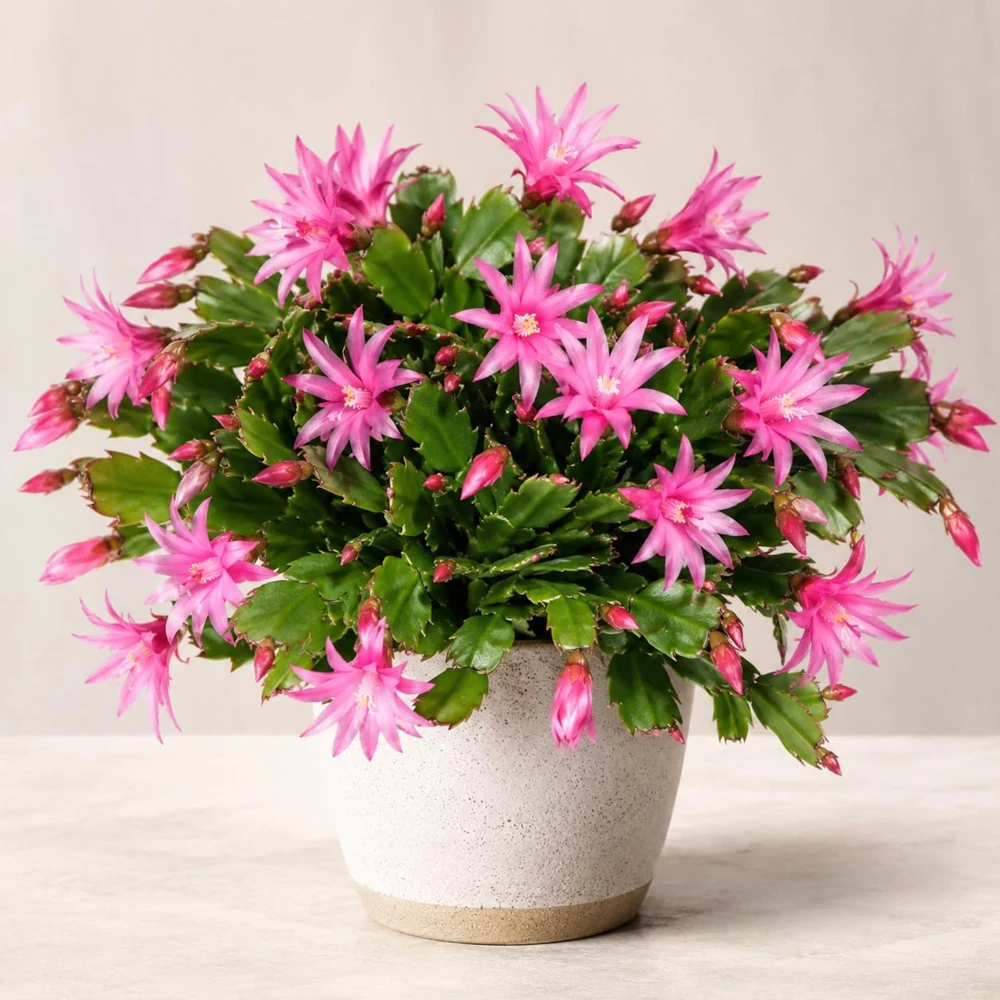
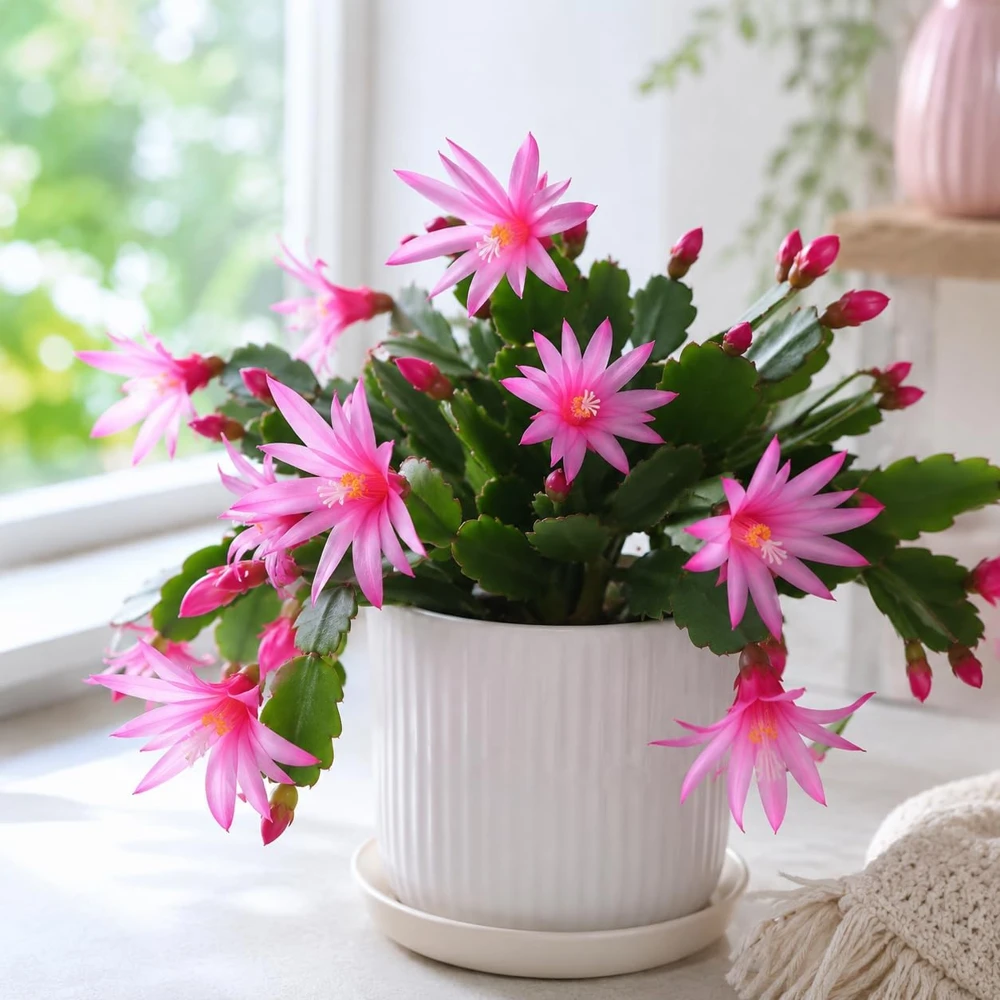
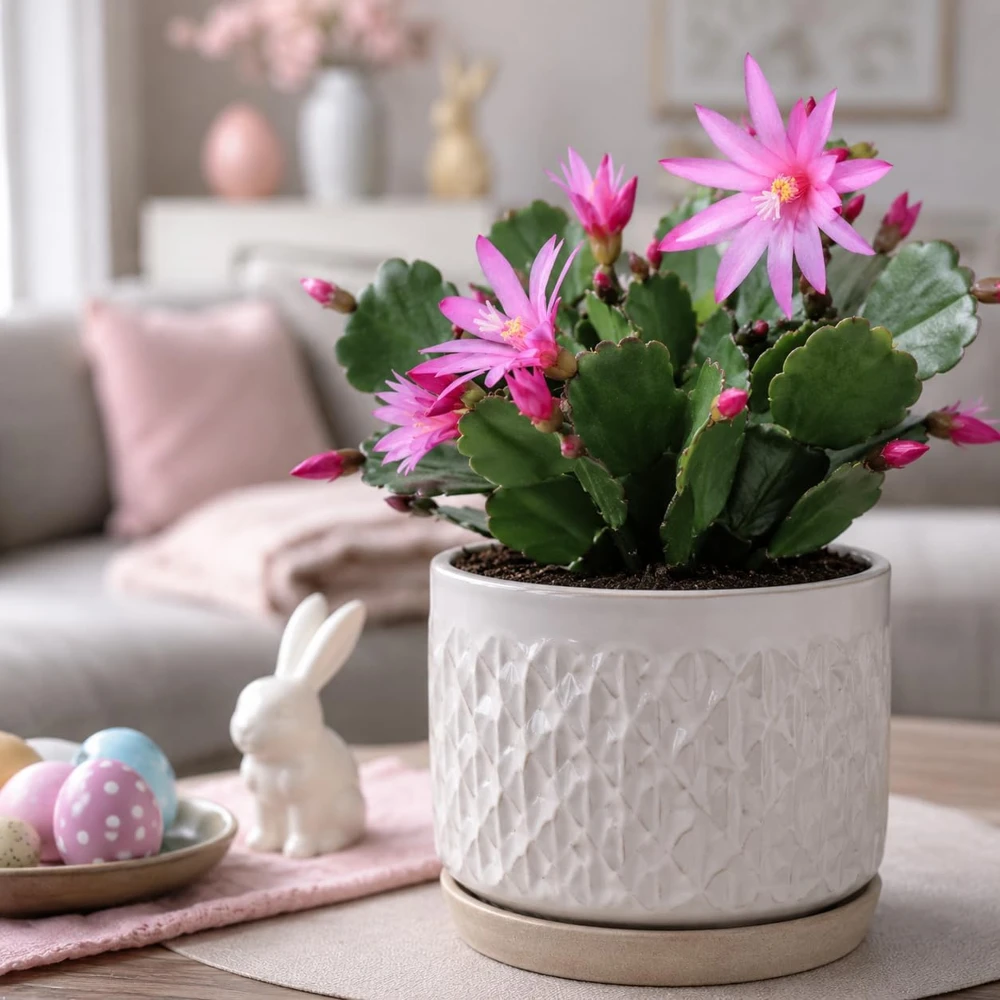
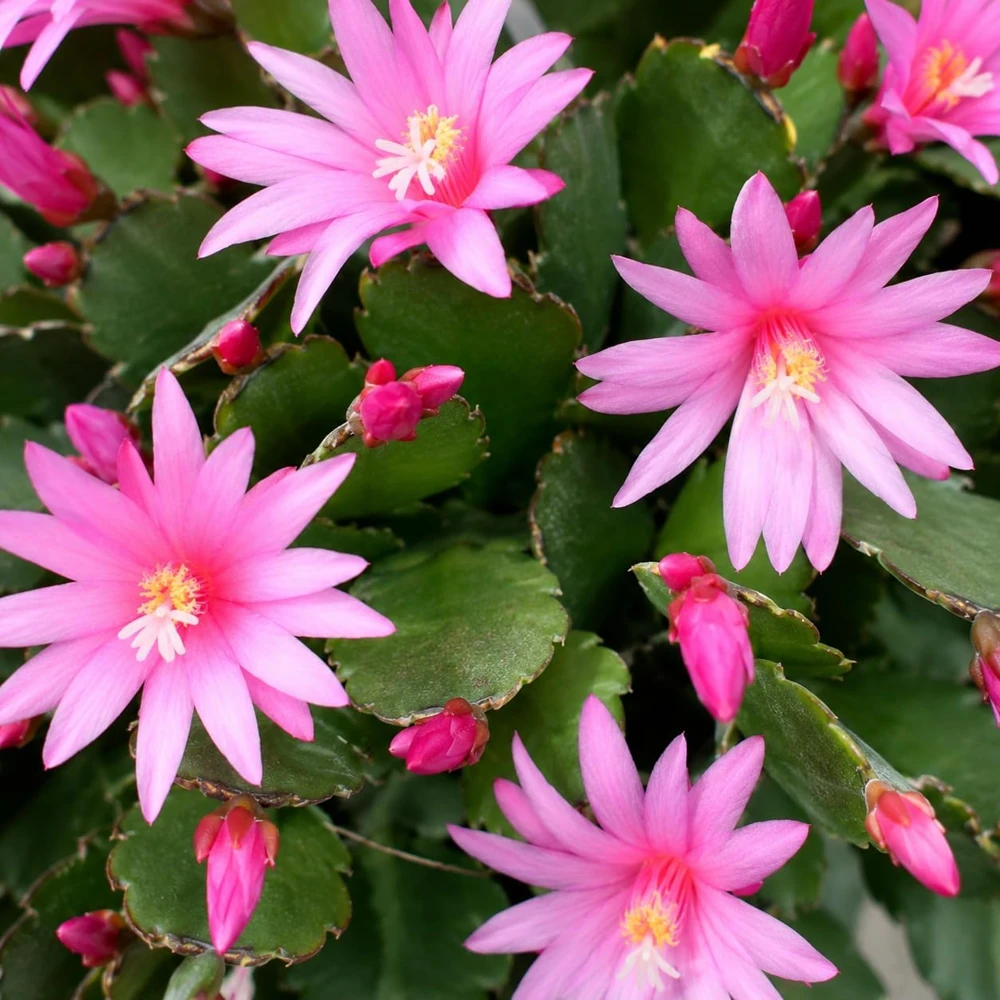
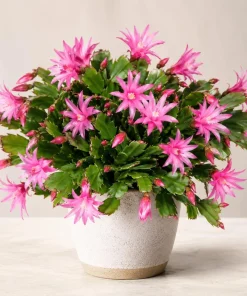
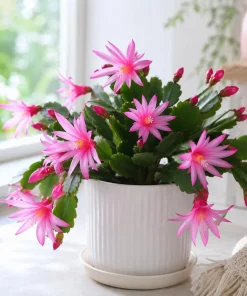
Bring vibrant spring color indoors with a pink Easter cactus live plant. This beautiful spring cactus houseplant, measuring 4-8 inches tall, is known for its stunning pink flowers and easy care, making it a perfect addition to any home.
Estimated arrival
Oct 27
Nov 01 - Nov 03
Nov 06 - Nov 10
Shop With Confidence
30-Day Plant Health Guarantee
Arrives damaged? We’ll replace it free — see our return policy.
Responsive Support
Email us anytime, we reply within 1 business day.
Expert Packaging
Temperature-controlled shipping to protect your plants in transit.
Secure Checkout
Pay safely with Visa, Mastercard, PayPal.
Plant Specifications
-
USDA Hardiness Zone
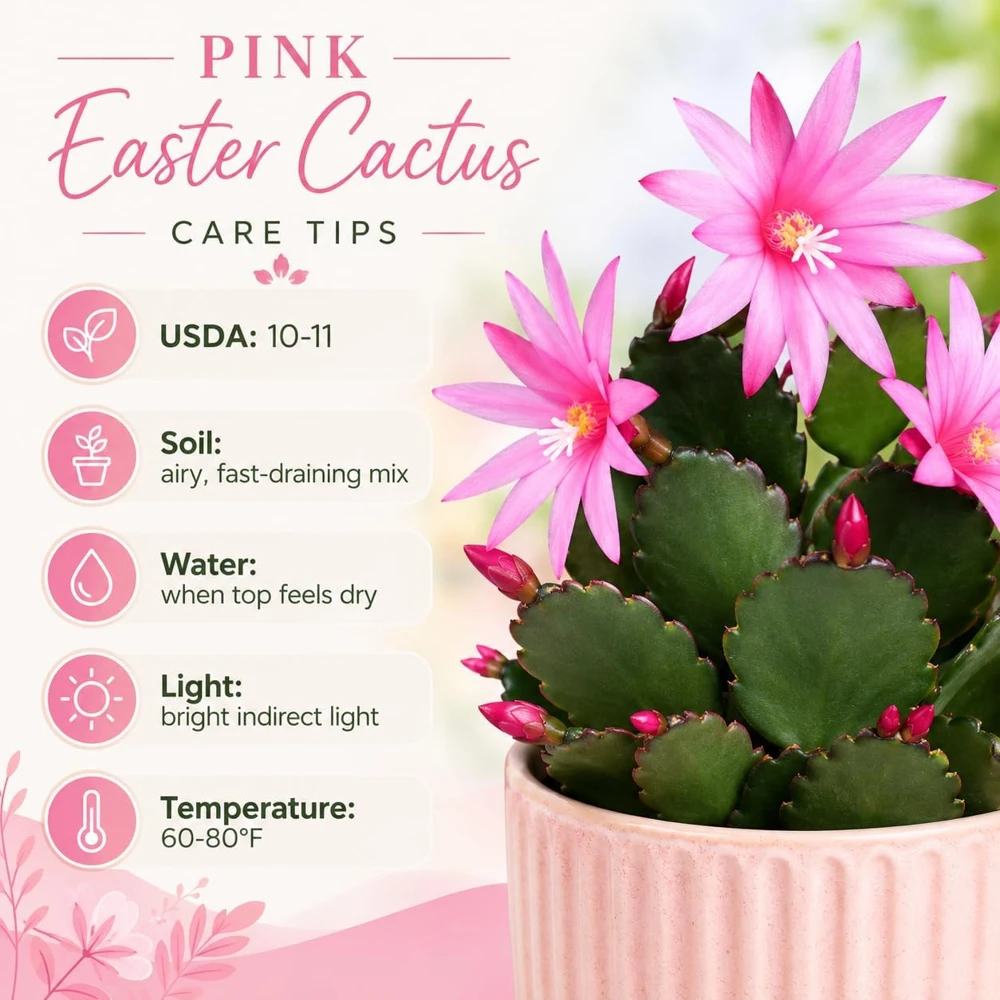
USDA Zones 10-12 (indoors in other zones) -
Soil Type
Well-draining potting mix -
Sunlight Exposure
Bright indirect light -
Expected Planting Period
Year-round indoors
Overview
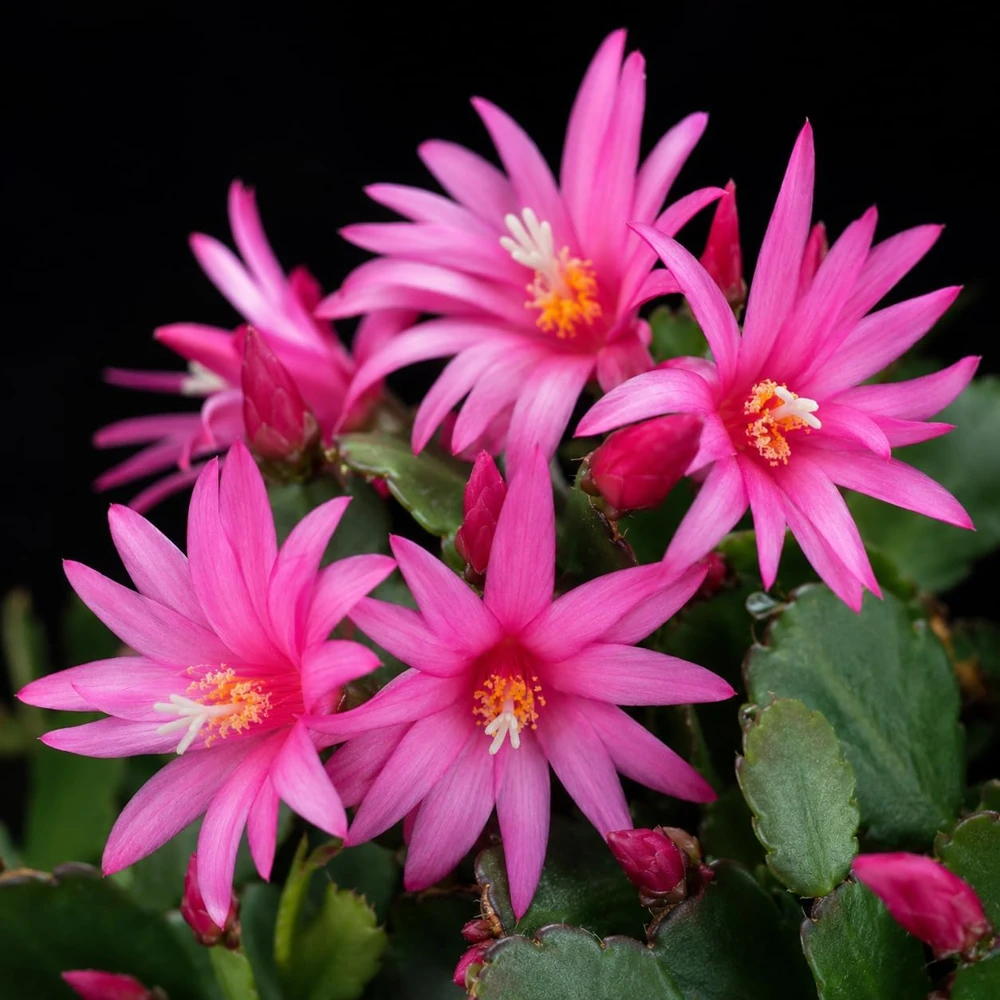
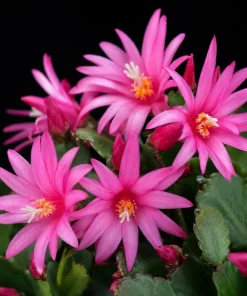
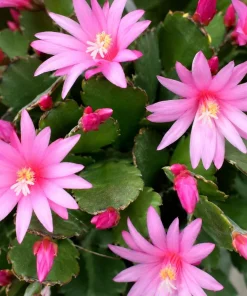
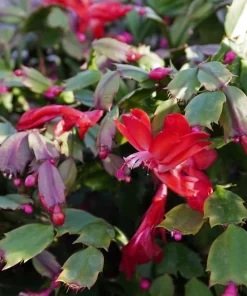
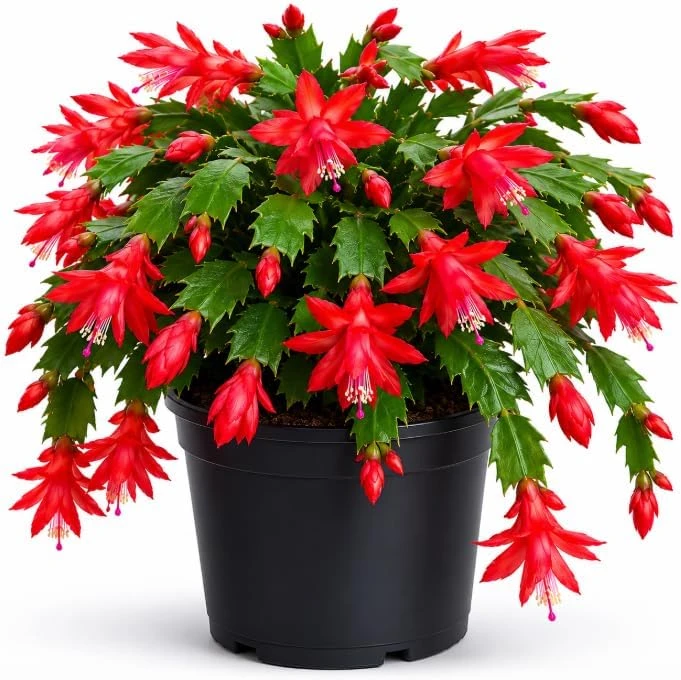
Introduce a splash of vibrant spring color into your home with a stunning pink Easter cactus live plant. This beautiful succulent, scientifically known as Rhipsalidopsis gaertneri, is a true delight, bursting with bright pink, star-shaped flowers during the Easter season. Unlike its Christmas and Thanksgiving cactus cousins, the Easter cactus (often called spring cactus houseplant) typically blooms in late winter to early spring, making it a perfect herald of warmer days. Our live plants are shipped ready for planting, measuring between 4-8 inches tall, and are ideal for adding natural elegance and a touch of the tropics to any indoor space. The pink Easter cactus live plant is a charming, low-maintenance choice for both novice and experienced plant enthusiasts.
Key Benefits
The pink Easter cactus live plant offers numerous benefits, making it a highly desirable addition to your indoor plant collection. Its unique blooming cycle and ease of care contribute to its popularity:
- Stunning Seasonal Blooms: Enjoy a spectacular display of bright pink, star-shaped flowers typically around the Easter season. These vibrant blooms provide a much-needed pop of color during the transition from winter to spring, creating a joyful atmosphere in your home.
- Low Maintenance & Easy Care: This beautiful spring cactus houseplant is surprisingly easy to care for, requiring minimal attention once its basic needs are met. It’s an excellent choice for busy individuals or those new to gardening, offering maximum beauty with minimal fuss.
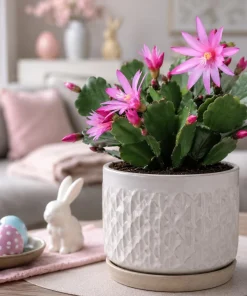
- Compact & Versatile Size: Growing to a manageable size of 4-8 inches tall, the pink Easter cactus live plant is perfect for windowsills, desks, shelves, or hanging baskets. Its compact nature allows it to fit comfortably in various spaces without overwhelming your decor.
- Air Purifying Qualities: Like many houseplants, the Easter cactus contributes to a healthier indoor environment by helping to filter the air. While not as prominent as some other plants, it still plays a role in enhancing air quality.
- Unique & Interesting Foliage: Even when not in bloom, the flat, segmented stems of the Easter cactus provide an interesting textural element to your plant collection. Its succulent-like appearance adds a unique aesthetic appeal.
- Long Lifespan: With proper care, your pink Easter cactus live plant can thrive for many years, becoming a long-term companion and a recurring source of seasonal beauty. It’s a rewarding plant to cultivate and watch grow.
- Pet-Friendly (Non-Toxic): The Easter cactus is generally considered non-toxic to pets, making it a safer choice for households with cats and dogs compared to many other common houseplants.
Plant Care & Growing Tips
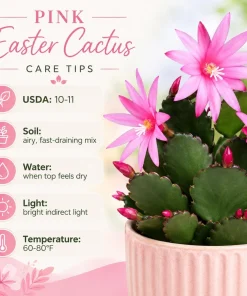
Caring for your pink Easter cactus live plant is straightforward, ensuring you enjoy its beautiful blooms for years to come. These plants thrive in conditions that mimic their native Brazilian rainforest environment, which means bright, indirect light and consistent moisture, especially during their growing season. For optimal growth and flowering, maintain temperatures between 60 to 75 degrees Fahrenheit.
Sunlight Requirements: Your spring cactus houseplant prefers bright, indirect light. An east-facing window is often ideal, providing morning sun without the harsh intensity of direct afternoon rays. Too much direct sun can scorch the leaves, while too little light can inhibit blooming. During the autumn, a period of cooler temperatures and reduced light can help initiate bud formation for spring flowering.
Watering Schedule & Soil Moisture: Water thoroughly when the top 1-2 inches of soil feel dry to the touch. Allow excess water to drain completely from the bottom of the pot to prevent root rot. Reduce watering slightly after the blooming period and during its dormant phase in late summer, but never let the soil completely dry out. Consistent moisture is key, especially when the plant is actively growing and flowering.
Soil Type & Drainage: Use a well-draining potting mix. A good succulent or cactus mix, or a blend of regular potting soil with perlite or orchid bark, will provide the necessary aeration and drainage. Good drainage is crucial to prevent waterlogged roots, which can be detrimental to the health of your Rhipsalidopsis gaertneri.
Temperature Range & USDA Hardiness Zone: These plants thrive in temperatures between 60 and 75 degrees Fahrenheit. They are not frost-tolerant and are best grown indoors in most regions. They can be placed outdoors in shaded areas during warm summer months but must be brought inside before temperatures drop below 50 degrees Fahrenheit. The pink Easter cactus live plant is suitable for USDA Zones 10-12 if grown outdoors year-round, but it is primarily cultivated as an indoor plant.
Fertilization: Feed your Easter cactus with a balanced liquid fertilizer every 2-4 weeks during its active growing and blooming periods (spring and summer). Reduce or cease fertilization during the dormant period in fall and winter. Over-fertilization can lead to leggy growth and reduced flowering.
Common Problems: Watch out for common pests like mealybugs or spider mites, which can be treated with insecticidal soap. Yellowing leaves can indicate overwatering or nutrient deficiency, while shriveled leaves may suggest underwatering. Ensuring proper light, water, and soil conditions will help keep your flowering indoor plant healthy and vibrant.
Size & Details
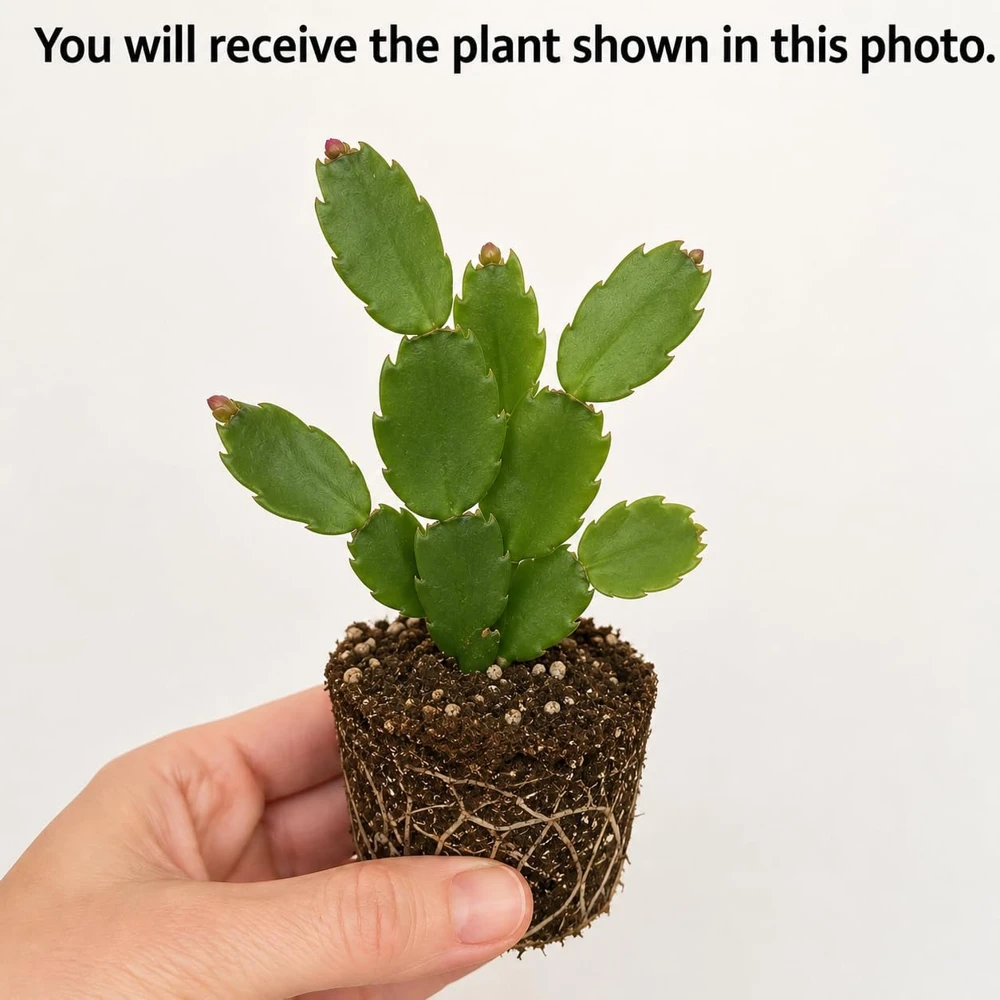
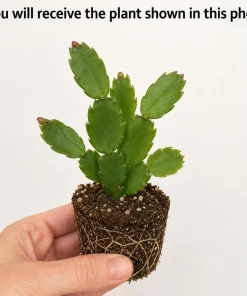
This offering is for a pink Easter cactus live plant, shipped as a live specimen ready for planting. Each plant measures approximately 4-8 inches tall, providing a substantial starter plant for your home. These plants are shipped without a pot, allowing you to choose the perfect container to match your decor. The growth rate is moderate, and with proper care, your Easter cactus will gradually mature, producing an abundance of beautiful pink flowers each spring. Expect the plant to establish quickly in its new environment, ready to display its stunning blooms during its first blooming season with you. This Easter cactus care guide will ensure your plant thrives for many years.
Frequently Asked Questions
- Q: How big does this plant get? A: The pink Easter cactus live plant typically grows 4-8 inches tall and can spread up to 8-12 inches wide, making it a compact and manageable houseplant perfect for various indoor settings.
- Q: What size pot does it come in? A: This product is for a live plant shipped without a pot, allowing you to choose a decorative pot of your preference. We recommend a 4-6 inch pot for initial planting to allow for root growth.
- Q: Is this an indoor or outdoor plant? A: While it can tolerate outdoor conditions in USDA Zones 10-12, the pink Easter cactus live plant is primarily grown as an indoor houseplant in most climates due to its sensitivity to cold temperatures.
- Q: How much sunlight does it need? A: This spring cactus houseplant thrives in bright, indirect light. Avoid direct afternoon sun, which can scorch its leaves. An east-facing window is often ideal.
- Q: Is this plant easy to care for? A: Yes, the pink Easter cactus live plant is considered relatively easy to care for, making it suitable for beginners. Its basic needs for light, water, and well-draining soil are straightforward to meet.
- Q: What condition will it arrive in? A: Your flowering indoor plant will arrive as a healthy, live specimen, carefully packaged to ensure its safe journey. It will be ready for immediate planting upon arrival.
- Q: Is it shipped in soil? A: No, the plant is shipped bare-root or with minimal soil around the roots to reduce shipping weight and stress. You will need to provide your own potting mix and pot.
- Q: How long until it blooms? A: With proper Easter cactus care, your plant should bloom in late winter to early spring, typically around the Easter season. Established plants will reliably bloom each year.
- Q: When is the best time to plant? A: You can plant your pink Easter cactus live plant at any time of year, as it is grown indoors. However, planting in spring or early summer allows it to establish well before its blooming cycle.
- Q: Will it survive winter in my zone? A: As an indoor plant, it will survive winter in any zone as long as it is kept in appropriate indoor temperatures (60-75°F) and away from cold drafts.
Be the first to review “Pink Easter Cactus Live Plant, Spring Houseplant, 4-8 Inch Tall”
People Also Viewed




Reviews
There are no reviews yet.