


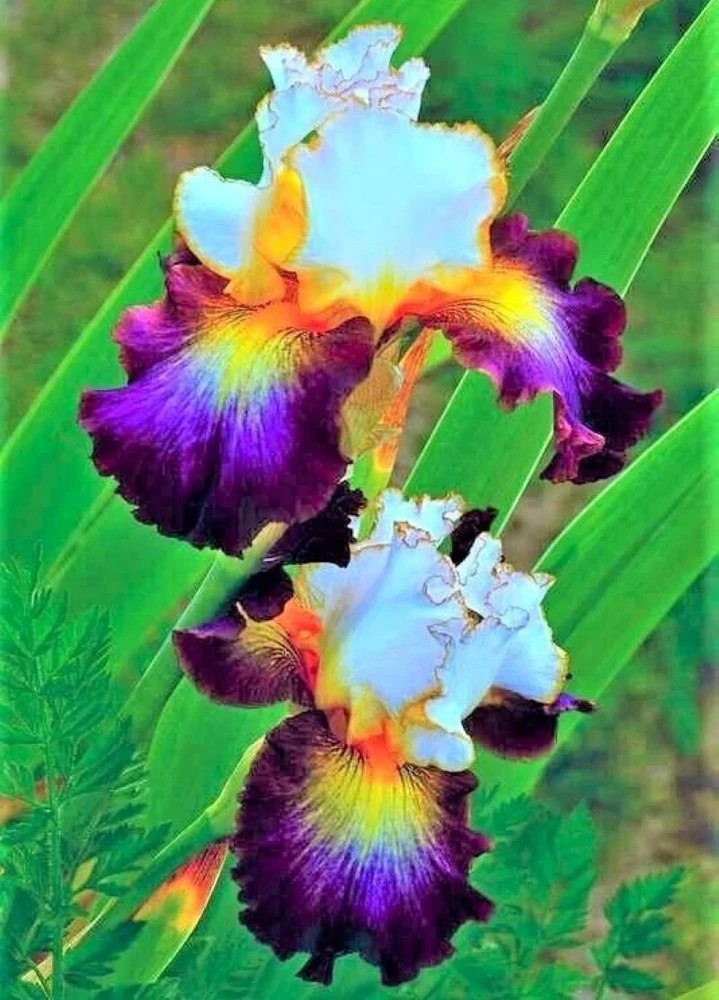
Iris Seeds – Grow Flowering Iris Plants from Seed – 100 Count
Original price was: $55.99.$30.99Current price is: $30.99.
Cultivate stunning iris seeds in your garden! These fresh iris seeds are perfect for growing vibrant, flowering iris plants that add elegance and color to any landscape. Ideal for both experienced gardeners and beginners.
Estimated arrival
Oct 27
Nov 01 - Nov 03
Nov 06 - Nov 10
Shop With Confidence
30-Day Plant Health Guarantee
Arrives damaged? We’ll replace it free — see our return policy.
Responsive Support
Email us anytime, we reply within 1 business day.
Expert Packaging
Temperature-controlled shipping to protect your plants in transit.
Secure Checkout
Pay safely with Visa, Mastercard, PayPal.
Plant Specifications
-
USDA Hardiness Zone
USDA Zones 3-9 -
Soil Type
Well-draining, neutral to slightly acidic soil -
Sunlight Exposure
Full sun -
Expected Planting Period
Late summer to early fall (for outdoor stratification) or late winter (for indoor starting)
Overview
Transform your garden into a symphony of color with these premium iris seeds. Each packet contains fresh iris seeds, ready to germinate and grow into magnificent flowering iris plants. Unlike bulbs, growing from seed offers a unique and rewarding experience, allowing you to witness the entire life cycle of these beautiful flowers. Iris, known for their elaborate and striking blooms, are a favorite among garden enthusiasts. Our iris flower seeds provide an economical way to introduce a diverse range of iris varieties to your landscape, promising a vibrant display year after year.
These seeds are carefully selected to ensure high viability, providing you with the best possible start for your iris garden. Whether you’re an experienced horticulturist or just beginning your gardening journey, planting iris seeds is an accessible and enjoyable project. Imagine the satisfaction of nurturing these seeds from tiny specks into towering, elegant flowers. With proper care, these iris plants will become a focal point in your garden, attracting pollinators and delighting onlookers with their intricate petals and rich hues.
Key Benefits
Our iris seeds offer numerous advantages for gardeners looking to enhance their outdoor spaces. From their aesthetic appeal to their ease of cultivation, these seeds are an excellent choice for a variety of landscaping needs.
- Stunning Floral Displays: Grow breathtaking iris flowers that boast a wide array of colors and unique petal patterns, making your garden truly stand out. Iris are renowned for their intricate beauty and can create a dramatic visual impact.
- Cost-Effective Gardening: Acquiring iris seeds is a more economical option compared to purchasing mature iris bulbs, allowing you to cultivate a larger number of plants for less expense. This is ideal for large-scale planting projects or for those on a budget.
- Rewarding Growing Experience: The process of growing iris from seed provides immense satisfaction as you watch your plants develop from germination to full bloom. It’s a journey that connects you more deeply with nature.
- Adaptable & Resilient: Iris plants are generally hardy and can adapt to various growing conditions, making them a robust choice for many garden settings. They are known for their resilience once established.
- Attracts Pollinators: The vibrant blooms of iris flowers are a magnet for bees, butterflies, and other beneficial pollinators, contributing to a healthy and thriving garden ecosystem. Encourage biodiversity in your yard.
- Long-Lasting Blooms: With proper care and staggered planting, you can enjoy a prolonged season of iris blooms, extending the beauty in your garden for weeks. Certain varieties can even offer reblooming capabilities.
- Easy to Plant: Our fresh iris seeds are straightforward to plant, making them suitable for gardeners of all skill levels, including those new to seed starting. Simple instructions ensure success.
Plant Care & Growing Tips
Successful cultivation of iris plants from seed requires attention to a few key factors, ensuring robust growth and abundant blooms. Understanding the specific needs of iris will help you achieve a vibrant and healthy garden.
Sunlight Requirements: Iris thrive in full sun, meaning they need at least 6-8 hours of direct sunlight per day to produce their best blooms. While they can tolerate partial shade, too little sun may result in fewer or smaller flowers. For optimal growth, choose a location in your garden that receives ample morning sun and some afternoon shade in hotter climates to prevent scorching. Ensuring adequate light is crucial for the development of strong flowering stalks when planting iris seeds.
Watering Schedule and Soil Moisture: During germination and early growth, keep the soil consistently moist but not waterlogged. Once established, iris are relatively drought-tolerant but benefit from regular watering during dry spells, especially when they are actively growing or flowering. Avoid overhead watering, which can encourage fungal diseases; instead, water at the base of the plant. Well-draining soil is paramount to prevent rot, particularly around the rhizomes of mature plants. When you grow iris from seed, proper moisture management will encourage healthy root development.
Soil Type and Drainage: Iris prefer well-drained soil with a neutral to slightly acidic pH (6.0-7.0). Heavy clay soils should be amended with organic matter like compost or sand to improve drainage. Good drainage is critical, as iris are susceptible to rot in waterlogged conditions. A raised bed can also be an excellent option for providing the ideal soil environment. Preparing the soil properly before planting iris seeds will lay the foundation for strong, healthy plants.
Temperature Range and USDA Hardiness Zone: Most iris varieties are hardy and can tolerate a wide range of temperatures. They are generally suitable for USDA Zones 3-9, though specific varieties may have different tolerances. They require a period of cold dormancy to flower well. Protect young seedlings from extreme cold. Fertilization: Fertilize iris lightly in early spring with a balanced fertilizer or one higher in phosphorus to encourage blooming. Avoid high-nitrogen fertilizers, which can promote leafy growth at the expense of flowers. Common Problems: Watch out for iris borer, slugs, and fungal diseases like leaf spot or rust. Good air circulation and proper spacing between plants can help prevent disease. Regularly inspect your plants to catch and address issues early.
Size & Details
These iris seeds are designed to produce robust flowering plants, typically reaching heights of 18 to 36 inches, depending on the specific variety and growing conditions. The spread of an individual plant can range from 12 to 24 inches as it matures. Each packet contains approximately 100 seeds, providing ample opportunity to cultivate a beautiful iris patch. While germination times vary, you can generally expect seedlings to emerge within 2-4 weeks under ideal conditions. First blooms may appear in the second year after planting iris seeds, as the plants establish a strong root system.
These seeds are shipped as dormant, viable seeds, ready for stratification if required by specific iris types. They are suitable for direct sowing outdoors in appropriate climates or can be started indoors for a head start. The growth rate is moderate, with plants steadily developing foliage in the first year and focusing on developing rhizomes before producing their iconic flowers. Expect a rewarding journey as you watch your iris flower seeds transform into a vibrant garden feature.
Frequently Asked Questions
- Q: How many iris seeds are included in one packet? A: Each packet contains approximately 100 iris seeds, providing a generous quantity for your planting projects. This allows for multiple plantings or a larger display of flowers.
- Q: When is the best time to plant iris seeds? A: The best time for planting iris seeds is typically in late summer or early fall, allowing them to undergo natural cold stratification over winter. You can also start them indoors in late winter for transplanting in spring.
- Q: How much sunlight do iris plants need? A: Iris plants thrive in full sun, requiring at least 6-8 hours of direct sunlight per day. Adequate sunlight is crucial for healthy growth and abundant flowering of your iris flower seeds.
- Q: Is this an indoor or outdoor plant? A: Iris are primarily outdoor plants, best suited for garden beds, borders, and naturalized areas. While it’s possible to start iris seeds indoors, they need to be transplanted outside to flourish and bloom.
- Q: How long does it take for iris seeds to germinate? A: Germination can vary, but typically, you can expect to see seedlings emerge within 2-4 weeks after planting, especially if cold stratification has been applied. Patience is key when growing iris from seed.
- Q: What kind of soil is best for iris seeds? A: Iris prefer well-drained soil with a neutral to slightly acidic pH. Amending heavy soils with organic matter will improve drainage and create an ideal environment for your fresh iris seeds.
- Q: Will these iris seeds produce specific colors? A: While many iris flower seeds can produce a range of colors, specific color representation cannot be guaranteed from mixed seed packets. Growing from seed often leads to delightful surprises in bloom color.
- Q: Are iris plants difficult to care for? A: Once established, iris plants are relatively low-maintenance. The most critical factors are ensuring good drainage and sufficient sunlight. Growing iris from seed is a rewarding process that becomes easier with experience.
- Q: How long until the iris plants bloom from seed? A: Iris plants typically bloom in their second year after being grown from seed, as they need time to establish a strong root system and mature sufficiently to produce flowers.
- Q: What condition will the seeds arrive in? A: Your fresh iris seeds will arrive in a dormant, viable state, carefully packaged to ensure their quality and readiness for planting.
Be the first to review “Iris Seeds – Grow Flowering Iris Plants from Seed – 100 Count”
People Also Viewed
Flower Seeds


Reviews
There are no reviews yet.