
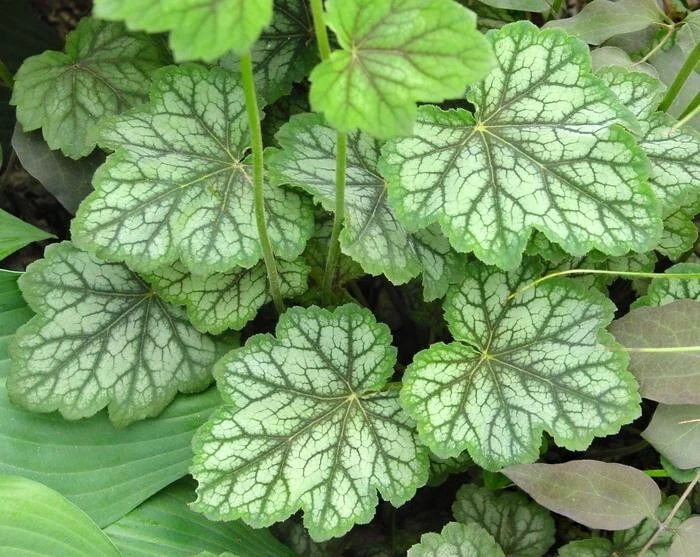
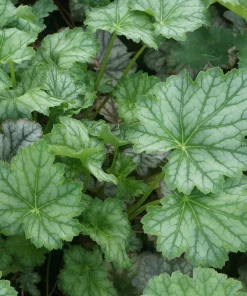
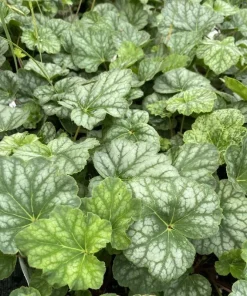
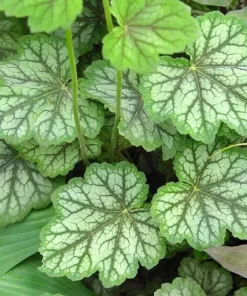
Heuchera americana ‘Dale’s Strain’ Coral Bells Live Perennial Plant – Bare Root
Original price was: $58.59.$38.59Current price is: $38.59.
Enhance your garden with Heuchera americana ‘Dale’s Strain’ bare root. This stunning coral bells perennial offers vibrant, colorful foliage, making it an ideal choice for shade gardens, borders, or containers. A low-maintenance, deer-resistant live perennial plant.
Estimated arrival
Oct 15
Oct 20 - Oct 22
Oct 25 - Oct 29
Shop With Confidence
30-Day Plant Health Guarantee
Arrives damaged? We’ll replace it free — see our return policy.
Responsive Support
Email us anytime, we reply within 1 business day.
Expert Packaging
Temperature-controlled shipping to protect your plants in transit.
Secure Checkout
Pay safely with Visa, Mastercard, PayPal.
Plant Specifications
-
USDA Hardiness Zone
USDA Zones 4-9 -
Soil Type
Well-draining, organically rich loam -
Sunlight Exposure
Partial to full shade -
Expected Planting Period
Early spring or early fall
Overview
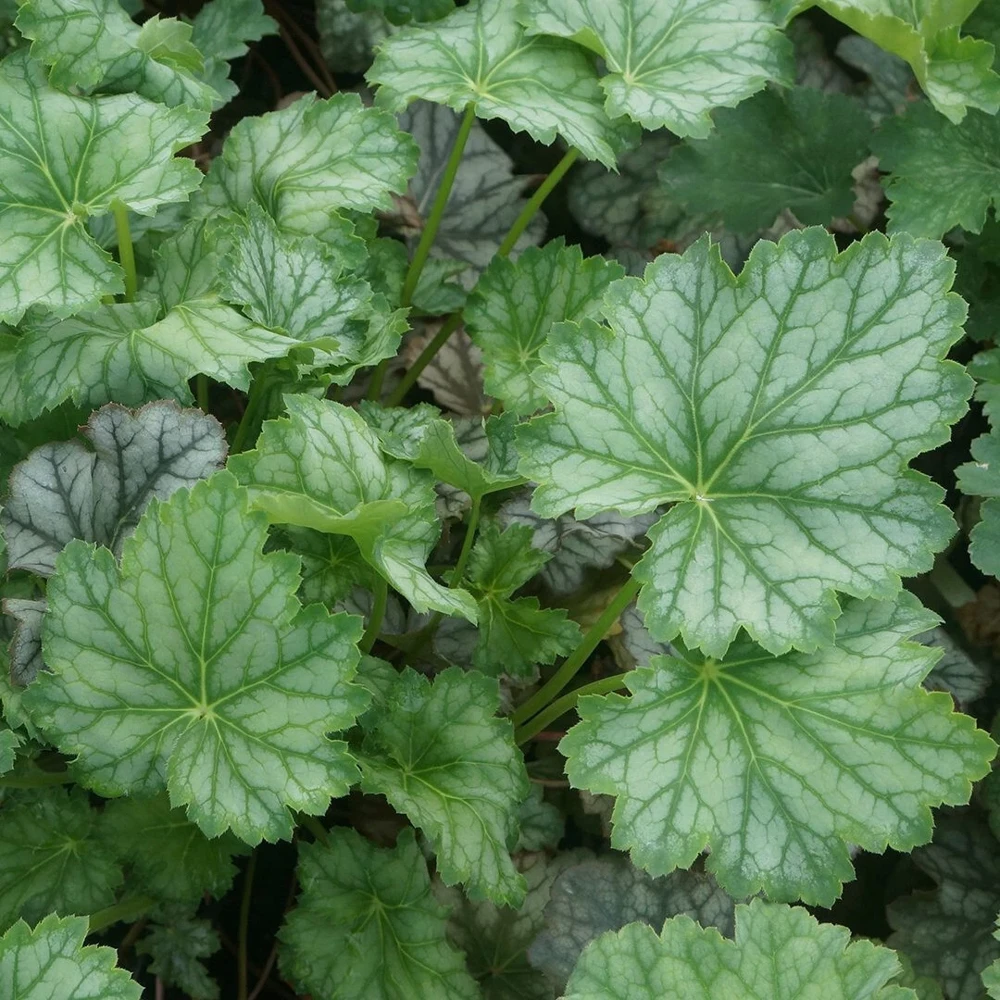
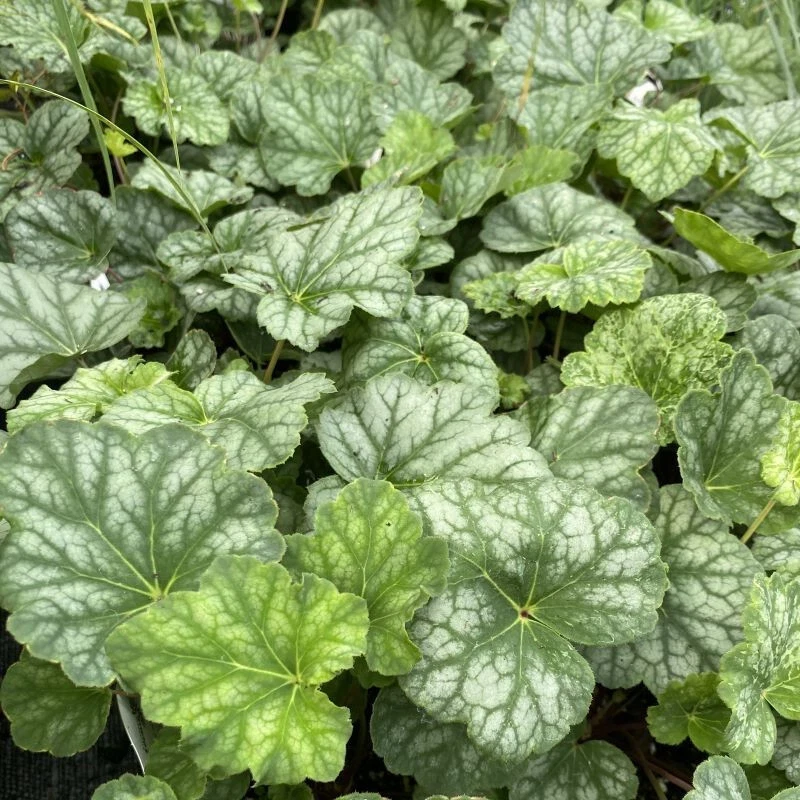
Welcome the captivating beauty of Heuchera americana ‘Dale’s Strain’ bare root into your garden. Often referred to as coral bells perennial, this exceptional cultivar is celebrated for its striking foliage, which features a mesmerizing blend of green, silver, and purple tones, often with prominent dark veins. As a live perennial plant, ‘Dale’s Strain’ provides year-round interest in many climates, with new leaves emerging in spring and maintaining their vibrant hues through fall. Unlike many flowering perennials, the primary appeal of Heuchera lies in its leaves, offering a consistent display of texture and color that can anchor your garden design. This specific variety, ‘Dale’s Strain’, is known for its robust nature and adaptability, making it a favorite among gardeners seeking reliable, low-maintenance options for challenging shaded areas. Its botanical name, Heuchera americana, hints at its North American origins, ensuring it is well-suited to various garden conditions across the US.
The unique coloration and mounding habit of Heuchera americana ‘Dale’s Strain’ bare root make it a versatile choice for a wide range of landscape applications. Whether you’re filling gaps in a woodland garden, creating a vibrant border, or adding a touch of elegance to container arrangements, this plant excels. Its resilience to common garden pests and diseases further adds to its appeal, allowing you to enjoy its beauty with minimal fuss. When planted as a bare root coral bells perennial, it quickly establishes itself, sending down strong roots and unfurling its spectacular leaves to transform your outdoor space.
Key Benefits
Choosing Heuchera americana ‘Dale’s Strain’ bare root brings a multitude of advantages to your garden:
- Exceptional Foliage Color: Enjoy a dynamic display of green, silver, and purple leaves with dark venation. These vibrant colors provide continuous interest from spring through fall, ensuring your garden always looks lively.
- Shade Tolerance: Thrives in partial to full shade, making it an excellent solution for brightening up dimly lit areas where many other plants struggle to grow. It’s a perfect choice for a shade garden plants collection.
- Low Maintenance: Once established, this coral bells perennial requires minimal care. It’s drought-tolerant and generally resistant to pests and diseases, allowing you more time to enjoy your garden.
- Deer and Rabbit Resistant: Gardeners in areas with wildlife will appreciate that deer and rabbits typically leave Heuchera alone, protecting your investment and hard work.
- Versatile Landscape Use: Ideal for mass plantings, borders, ground cover, rock gardens, or containers. Its mounding habit and attractive foliage complement a wide array of other plants.
- Winter Interest: In many mild climates, the foliage remains semi-evergreen, providing welcome color and texture during the colder months when other plants have faded.
- Attracts Pollinators: While grown primarily for its foliage, delicate flower spikes emerge in late spring or early summer, attracting hummingbirds and other beneficial pollinators to your garden.
Plant Care & Growing Tips
Caring for your Heuchera americana ‘Dale’s Strain’ bare root is straightforward, making it an excellent choice for gardeners of all experience levels. For optimal growth, plant your live perennial plant in a location that receives partial to full shade. While it can tolerate some morning sun, intense afternoon sun can scorch its delicate foliage, especially in warmer climates. Aim for at least 4-6 hours of indirect light or dappled shade throughout the day. When planting the bare root, ensure the crown (where the roots meet the stem) is level with the soil surface. Dig a hole wide enough to spread the roots comfortably.
Watering is crucial, especially during the establishment phase. Keep the soil consistently moist but never waterlogged. Once established, this coral bells perennial is quite drought-tolerant, but regular watering during dry spells will promote healthier growth and more vibrant foliage. For soil, a well-draining, organically rich loam with a neutral to slightly acidic pH (6.0-7.0) is ideal. Amend heavy clay soils with compost or other organic matter to improve drainage and aeration. Good drainage is paramount to prevent root rot. The typical USDA hardiness zone for Heuchera is 4-9, making it suitable for a wide range of climates. In colder zones, a layer of winter mulch can help protect the plant from harsh freezes and thaws.
Fertilize lightly in early spring with a balanced, slow-release granular fertilizer or a liquid feed at half strength. Avoid over-fertilizing, as this can lead to leggy growth and diminish the intensity of the foliage color. Deadhead spent flower stalks to encourage the plant to put more energy into foliage production, though this is not strictly necessary. Periodically dividing clumps every 3-4 years in early spring can help rejuvenate older plants and maintain vigor. Watch out for common pests like vine weevils or foliar nematodes, though Heuchera is generally quite resistant. Proper planting and care will ensure your Heuchera care routine is minimal and rewarding.
Size & Details
The Heuchera americana ‘Dale’s Strain’ bare root typically matures to a compact mound, reaching a height of approximately 12-18 inches (30-45 cm) with a similar spread. Its mounding habit makes it an excellent choice for filling in gaps in borders or as an attractive ground cover. When shipped as a bare root, the plant consists of a healthy root system and dormant crown, ready to burst into growth once planted. Expect initial foliage development within a few weeks of planting, with the plant reaching its full size within 1-2 growing seasons. The delicate flower spikes can rise an additional 6-12 inches above the foliage, adding a subtle vertical element to the plant. This live perennial plant is shipped dormant or semi-dormant, depending on the season, ensuring it arrives in the best condition for successful establishment in your garden. Its moderate growth rate allows for easy integration into existing garden designs.
Frequently Asked Questions
- Q: How big does this coral bells perennial get? A: Heuchera americana ‘Dale’s Strain’ bare root typically grows to a height of 12-18 inches with a similar spread, forming an attractive, compact mound in your garden.
- Q: Is this an indoor or outdoor plant? A: This is primarily an outdoor plant, specifically a coral bells perennial, thriving in garden beds, borders, and outdoor containers. It is not typically grown as a houseplant.
- Q: How much sunlight does it need? A: This plant prefers partial to full shade. While it can tolerate some morning sun, it should be protected from intense afternoon sun, which can scorch its beautiful foliage.
- Q: What condition will it arrive in? A: Your Heuchera americana ‘Dale’s Strain’ bare root will arrive as a dormant or semi-dormant bare root plant, ready for immediate planting. Bare roots establish quickly once planted.
- Q: Is this plant easy to care for? A: Yes, Heuchera care is relatively easy. It’s a low-maintenance perennial that is drought-tolerant once established and generally resistant to pests and diseases, making it suitable for beginners.
- Q: Is Heuchera ‘Dale’s Strain’ deer resistant? A: Yes, Heuchera, including ‘Dale’s Strain’, is known for being deer and rabbit resistant, making it a great choice for gardens in areas with wildlife.
- Q: When is the best time to plant a bare root coral bells perennial? A: The best time to plant a bare root Heuchera is in early spring or early fall, allowing the plant time to establish its root system before extreme summer heat or winter cold.
- Q: What kind of soil does this live perennial plant prefer? A: Heuchera americana ‘Dale’s Strain’ bare root thrives in well-draining, organically rich soil with a neutral to slightly acidic pH. Good drainage is essential to prevent root rot.
- Q: Will it survive winter in my zone? A: This coral bells perennial is hardy in USDA Zones 4-9. In colder zones, applying a layer of mulch in late fall can help protect the plant through winter.
- Q: Can I grow this Heuchera in containers? A: Absolutely! Its compact size and attractive foliage make it an excellent choice for containers, especially in shaded patio or balcony settings. Ensure containers have good drainage.
Be the first to review “Heuchera americana ‘Dale’s Strain’ Coral Bells Live Perennial Plant – Bare Root”
People Also Viewed
Reviews
There are no reviews yet.