
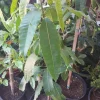
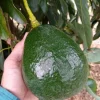
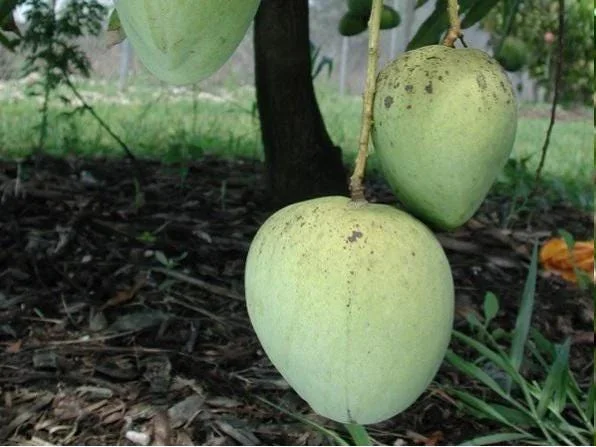
Ice Cream Mango Tree – Grafted Live Plant – 1 to 2 Feet Tall
Original price was: $257.76.$157.76Current price is: $157.76.
Bring home a delicious ice cream mango tree, a popular grafted variety known for its sweet, fiberless fruit. This grafted mango plant is 1 to 2 feet tall, ideal for container growing or planting in warm climates.
Estimated arrival
Sep 14
Sep 19 - Sep 21
Sep 24 - Sep 28
Shop With Confidence
30-Day Plant Health Guarantee
Arrives damaged? We’ll replace it free — see our return policy.
Responsive Support
Email us anytime, we reply within 1 business day.
Expert Packaging
Temperature-controlled shipping to protect your plants in transit.
Secure Checkout
Pay safely with Visa, Mastercard, PayPal.
Plant Specifications
-
USDA Hardiness Zone
USDA Zones 9-11 (or container plant indoors) -
Soil Type
Well-draining, slightly acidic to neutral sandy loam -
Sunlight Exposure
Full sun (6-8+ hours direct sunlight) -
Expected Planting Period
Year-round in warm climates; Spring to early summer for container planting
Overview
Experience the joy of growing your own tropical fruit with the exceptional ice cream mango tree. This highly sought-after variety is renowned for its incredibly sweet, rich flavor that truly lives up to its name, reminiscent of mango sorbet. As a grafted mango plant, it offers the advantage of earlier fruiting and ensures true-to-type fruit production compared to plants grown from seed. The ‘Ice Cream’ mango is a favorite among enthusiasts, particularly known as a ‘condo mango’ due to its manageable size and suitability for container growing, making it perfect for patios or smaller gardens. This live plant will arrive healthy and ready to thrive, bringing a taste of the tropics right to your home. Its delectable fruit features thick, yet tender skin that easily separates from the fiberless, soft, melting, and juicy yellow flesh, making it a pure delight to eat.
The ‘Ice Cream’ mango (Mangifera indica ‘Ice Cream’) is a cultivar celebrated for its outstanding fruit quality and relatively compact growth habit. Originating from Southeast Asia, mangoes are integral to many cultures and cuisines worldwide. This particular variety has gained significant popularity in the United States and other regions for its superior taste and performance, especially for those looking to cultivate tropical fruits outside of traditional orchard settings. The robust grafting process ensures a strong root system and vigorous growth, setting you up for a successful harvest of these exquisite fruits.
Key Benefits
Cultivating an ice cream mango tree offers a multitude of rewards, from its beautiful foliage to its incredible fruit. This grafted mango plant is an excellent addition to any garden or patio, providing both aesthetic appeal and a bountiful harvest.
- Exceptional Fruit Quality: Enjoy the remarkably sweet, rich, and fiberless flesh that melts in your mouth, tasting distinctly like mango sorbet.
- Compact Growth Habit: Known as a ‘condo mango,’ this variety is ideal for growing in containers on patios, balconies, or in smaller garden spaces, making it accessible for many home growers.
- Early Fruiting: Being a grafted tree, it typically begins producing fruit much sooner than seed-grown mangoes, allowing you to enjoy your harvest sooner.
- High Yield Potential: Despite its compact size, the ‘Ice Cream’ mango is a prolific producer, offering a generous bounty of delicious fruit when properly cared for.
- Disease Resistance: This cultivar is known for good resistance to common mango diseases, contributing to easier care and more successful growth.
- Tropical Aesthetic: Its lush green foliage and eventual ripe fruit add a vibrant, tropical touch to any landscape or outdoor living area.
- Culinary Versatility: The sweet, juicy flesh is perfect for eating fresh, making smoothies, desserts, salsas, or adding a tropical twist to various dishes.
Plant Care & Growing Tips
Caring for your ice cream mango tree is a rewarding experience that will lead to delicious fruit. This grafted mango plant thrives in warm, tropical, or subtropical climates, typically USDA Zones 9-11. For those in cooler regions, it can be successfully grown in a container and brought indoors during colder months. Mangoes require full sun exposure, meaning at least 6-8 hours of direct sunlight per day. When planting, choose a well-draining soil mix; a sandy loam with a slightly acidic to neutral pH (6.0-7.0) is ideal. If growing in a pot, use a high-quality potting mix designed for tropical fruits or citrus.
Watering is crucial, especially for young trees. Water deeply and regularly, allowing the top few inches of soil to dry out between waterings. Avoid overwatering, as mangoes are susceptible to root rot. Once established, they are somewhat drought-tolerant but will produce better fruit with consistent moisture. Fertilize your ice cream mango tree with a balanced slow-release fertilizer formulated for tropical fruit trees, following the product instructions, typically every 2-3 months during the growing season. Pruning should be done to maintain a desirable size and shape, encourage branching, and remove any dead or diseased wood. This also helps improve air circulation and sunlight penetration, which is beneficial for fruit production. Watch out for common pests like scale insects or mealybugs and treat them with horticultural oil or insecticidal soap if necessary. Providing adequate warmth and protection from frost is key to a successful tropical fruit tree.
For optimal growth and fruit development, ensure proper air circulation around the plant. If growing indoors or in a greenhouse, consider using a fan to mimic natural breezes. Protecting the tree from strong winds is also beneficial, as strong gusts can damage new growth and flowers. Understanding the specific needs of your condo mango will help it flourish and yield abundant harvests.
Size & Details
This offering is for one ice cream mango tree, a vigorously growing and healthy live plant. It arrives as a grafted specimen, ensuring genetic consistency and earlier fruit production. The plant stands approximately 1 to 2 feet tall at the time of shipment, measured from the base of the pot to the top of the foliage. It is typically shipped in a 3-gallon nursery pot, providing a robust root system for easy transplanting. The ‘Ice Cream’ mango is known for its relatively compact growth habit, making it an excellent choice for both in-ground planting in suitable climates and container culture in less tropical regions. With proper care, this grafted mango plant can reach a mature height of 10-15 feet in the ground, or be maintained at a smaller, more manageable size through regular pruning when grown in a pot. Expect fruit production to begin within 2-4 years under ideal conditions, delivering delicious, fiberless mangoes.
Frequently Asked Questions
- Q: How big does this plant get? A: This ice cream mango tree is a grafted live plant, typically 1 to 2 feet tall when shipped. In the ground, it can reach 10-15 feet, but can be maintained smaller in a pot through pruning, making it a perfect condo mango.
- Q: What size pot does it come in? A: The plant is typically shipped in a 3-gallon nursery pot, providing a healthy root system for transplanting into your garden or a larger container.
- Q: Is this an indoor or outdoor plant? A: The ice cream mango tree thrives outdoors in USDA Zones 9-11. In cooler climates, it can be grown as a container plant and brought indoors during cold weather.
- Q: How much sunlight does it need? A: This grafted mango plant requires full sun, meaning at least 6-8 hours of direct sunlight daily for optimal growth and fruit production.
- Q: Is this plant easy to care for? A: With proper sunlight, well-draining soil, and consistent watering, the ‘Ice Cream’ mango is relatively easy to care for, especially for those familiar with tropical fruit tree cultivation.
- Q: What condition will it arrive in? A: Your ice cream mango tree will arrive as a healthy, live plant, carefully packaged to ensure its safe journey. It will be shipped in its nursery pot with soil.
- Q: How long until it fruits? A: Being a grafted plant, you can typically expect your mango tree care to lead to fruit production within 2-4 years under ideal growing conditions.
- Q: What’s the best soil type for this mango? A: A well-draining, slightly acidic to neutral sandy loam soil is ideal. For containers, a high-quality potting mix formulated for tropical fruits works best.
- Q: Will it survive winter in my zone? A: If you are outside USDA Zones 9-11, you will need to protect your ice cream mango tree from frost by bringing it indoors or providing adequate winter protection.
- Q: Is this mango variety fiberless? A: Yes, the ‘Ice Cream’ mango is highly prized for its completely fiberless, meltingly soft, and juicy yellow flesh, offering a superior eating experience.
Be the first to review “Ice Cream Mango Tree – Grafted Live Plant – 1 to 2 Feet Tall”
People Also Viewed
Shrubs
Podocarpus alpinus ‘Blue Gem’ Alpine Plum Yew Live Plant – Blue Foliage, Zone 7-10, #1 Container
Grass Seeds
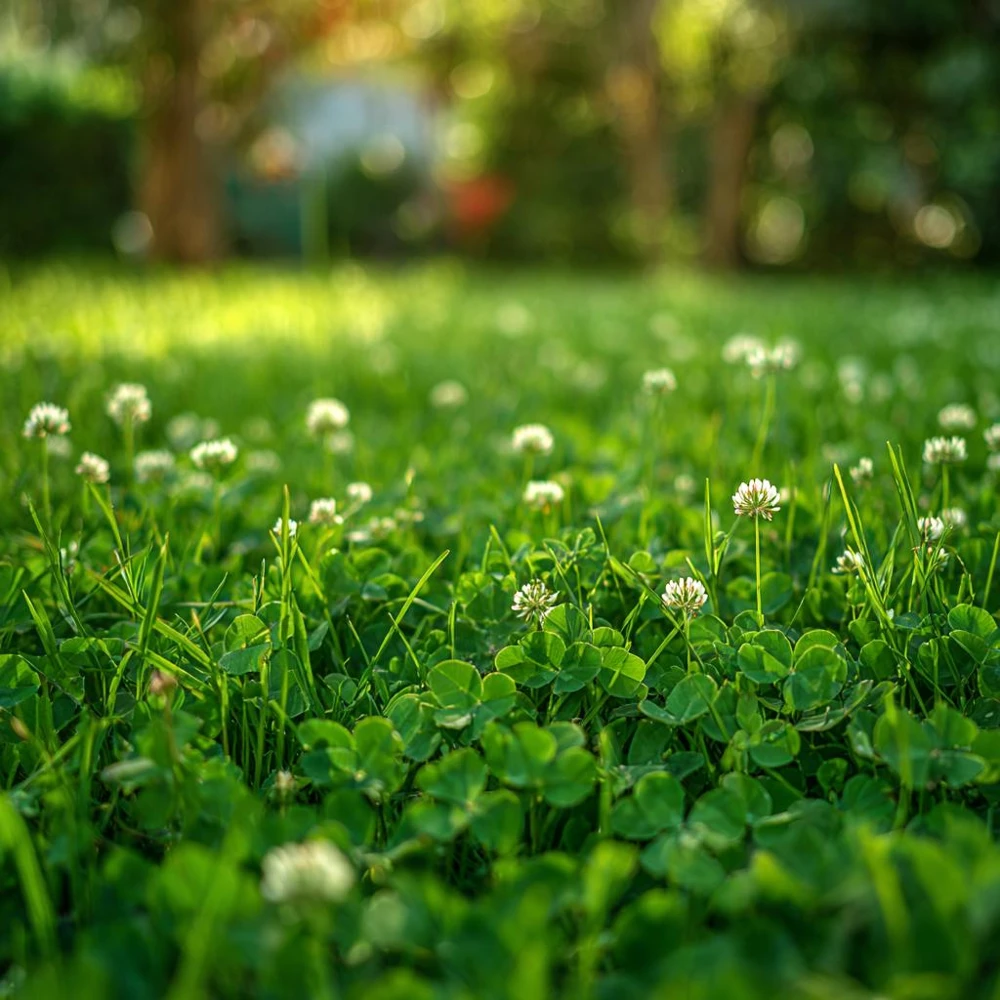
Micro Clover Seeds 10000 – Mini Perennial White Clover for Lawn Alternative, Ground Cover
Reviews
There are no reviews yet.