


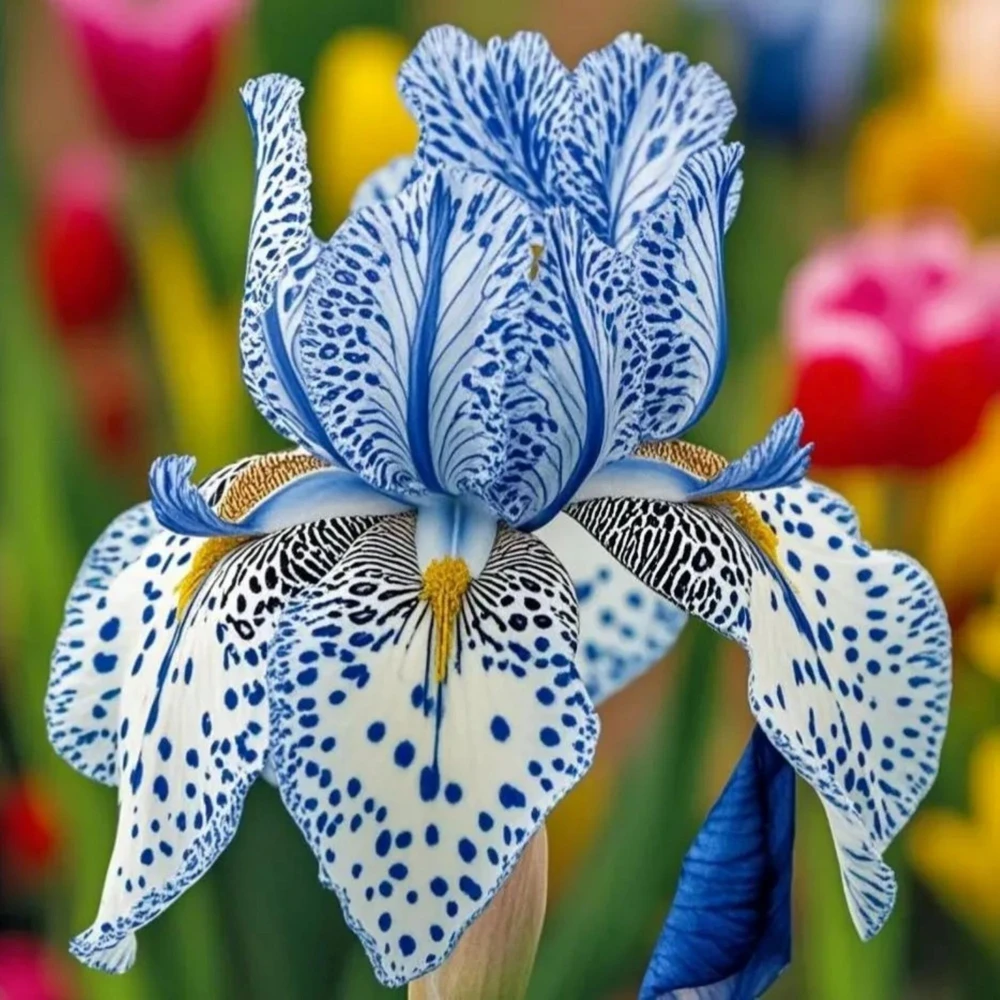
50 Iris Seeds – Stardust Snow Iris – Flowering Perennial Seeds
Original price was: $49.99.$24.99Current price is: $24.99.
Cultivate stunning Stardust Snow Iris with this pack of 50 iris seeds. These fresh, ready-to-grow perennial flower seeds are perfect for creating a vibrant and elegant garden display. Enjoy the beauty of these unique flowering plants year after year.
Estimated arrival
Oct 27
Nov 01 - Nov 03
Nov 06 - Nov 10
Shop With Confidence
30-Day Plant Health Guarantee
Arrives damaged? We’ll replace it free — see our return policy.
Responsive Support
Email us anytime, we reply within 1 business day.
Expert Packaging
Temperature-controlled shipping to protect your plants in transit.
Secure Checkout
Pay safely with Visa, Mastercard, PayPal.
Plant Specifications
-
USDA Hardiness Zone
USDA Zones 3-9 -
Soil Type
Well-draining, loamy soil -
Sunlight Exposure
Full sun -
Expected Planting Period
Late summer to early fall
Overview
Embark on a rewarding gardening journey with our premium pack of iris seeds. Specifically, these are the enchanting Stardust Snow Iris seeds, offering a unique opportunity to cultivate breathtaking flowers right in your own garden. Each pack contains 50 fresh, viable seeds, carefully selected to ensure a high germination rate and robust growth. The Iris, known for its distinctive and elegant blooms, is a beloved perennial that adds a touch of sophistication to any landscape. This particular variety promises stunning visual appeal, making it a focal point in flower beds, borders, or even container gardens. Growing iris from seed offers the satisfaction of nurturing a plant from its very beginning, providing a deeper connection to your garden’s evolution. These seeds are ready to plant and thrive, promising a spectacular display of flowering beauty.
The Iris genus is vast and varied, encompassing a wide array of colors, forms, and sizes. The Stardust Snow Iris is chosen for its exceptional ornamental qualities, featuring intricate patterns and possibly unique colorations that evoke a sense of wonder. As perennial iris seeds, they will return year after year, establishing a long-lasting presence in your garden with minimal effort once established. Whether you are an experienced gardener looking for a new challenge or a beginner eager to explore the world of flowering plants, these flowering iris seeds provide an excellent starting point for a beautiful and enduring garden.
Key Benefits
Planting these iris seeds offers numerous advantages for both your garden and your gardening experience. They are an excellent choice for anyone looking to enhance their outdoor space with vibrant, long-lasting blooms.
- Stunning Floral Display: The Stardust Snow Iris produces exquisite flowers with intricate details and potentially captivating color patterns, transforming your garden into a visual masterpiece. These blooms are perfect for cutting and bringing indoors, adding elegance to your home.
- Perennial Beauty: As perennial iris seeds, once established, these plants will return each year, providing continuous beauty without the need for annual replanting. This makes them a sustainable and low-maintenance choice for long-term garden planning.
- Attracts Pollinators: The vibrant flowers are known to attract beneficial pollinators such as bees and butterflies, contributing to a healthier garden ecosystem and supporting local biodiversity.
- Versatile Landscaping: Iris plants are highly versatile and can be used in various garden designs, including mixed borders, rock gardens, cottage gardens, or as striking specimen plants. Their upright habit adds structural interest.
- Cost-Effective Gardening: Starting your iris collection from iris seeds is a significantly more economical way to acquire a large number of plants compared to purchasing mature bulbs or plants, allowing you to fill larger areas of your garden with ease.
- Sense of Accomplishment: Successfully growing these beautiful flowers from tiny seeds provides immense satisfaction and a deep connection to the natural world. Watching them sprout and bloom is a truly rewarding experience.
- Easy to Grow: While requiring some initial care, iris plants are generally robust and forgiving, making them suitable for gardeners of all experience levels. The fresh seeds are ready to grow, simplifying the initial planting process.
Plant Care & Growing Tips
Growing iris seeds into thriving plants requires attention to a few key environmental factors. With proper care, your Stardust Snow Iris will flourish and provide years of enjoyment. The first step is to ensure proper seed stratification, which often involves a period of cold to break dormancy, though these fresh seeds may have reduced dormancy.
Sunlight Requirements: Iris plants, including the flowering iris seeds you’ll be planting, generally prefer full sun, meaning at least 6-8 hours of direct sunlight per day. In hotter climates, some afternoon shade can be beneficial to protect the flowers from scorching. Ensure your chosen planting site receives adequate light for optimal growth and abundant blooms. Insufficient light can lead to leggy growth and fewer flowers.
Watering Schedule and Soil Moisture: While establishing, keep the soil consistently moist but not waterlogged. Once mature, iris plants are relatively drought-tolerant, but they benefit from regular watering during dry spells, especially when they are actively growing or flowering. Avoid overhead watering to prevent fungal diseases; instead, water at the base of the plant. Good drainage is crucial to prevent rot, particularly for rhizomatous iris types.
Soil Type and Drainage: Iris thrives in well-draining soil. A rich, loamy soil with a neutral to slightly acidic pH (6.0-7.0) is ideal. If your soil is heavy clay, amend it with organic matter like compost or sand to improve drainage. Poor drainage is a common cause of iris failure, as it can lead to root and rhizome rot. The successful growth of your perennial iris seeds heavily relies on suitable soil conditions.
Temperature Range and USDA Hardiness Zone: Most iris varieties are hardy perennials, typically thriving in USDA Zones 3-9. The Stardust Snow Iris is expected to fall within this range, tolerating a variety of climates. They require a cold dormancy period to initiate flowering for the following season. Protect young seedlings from late frosts. Ensure you understand how to grow iris from seed in your specific climate for the best results.
Fertilization: Fertilize iris sparingly. An all-purpose, low-nitrogen fertilizer applied in early spring as new growth emerges is usually sufficient. Avoid high-nitrogen fertilizers, which can promote leafy growth at the expense of flowers and may lead to rot. A light feeding after flowering can also be beneficial, but always follow package instructions carefully.
Common Problems and Solutions: Watch out for common iris pests like iris borers, which can be managed with systemic insecticides or by hand-picking. Fungal diseases such as leaf spot or rust can occur in humid conditions; ensure good air circulation and avoid overhead watering. Proper spacing between plants can help prevent disease spread. Promptly remove any diseased foliage.
Size & Details
This offering includes 50 iris seeds of the captivating Stardust Snow Iris variety. These fresh seeds are presented in a protective packet, ensuring their viability upon arrival and readiness for planting. As they mature, iris plants typically reach a height of 18 to 36 inches, with a similar spread, creating a substantial and impactful presence in the garden. The growth rate is moderate, with flowering usually occurring in the second year after planting from seed, though some vigorous varieties may produce blooms earlier. The specific dimensions of the mature plant can vary slightly depending on growing conditions, climate, and care.
When you grow iris from seed, you are cultivating a plant that will establish a robust root system over time. Each seed has the potential to develop into a full-sized, flowering iris plant, contributing to a lush and vibrant garden. The seeds are shipped dry and require proper stratification and germination techniques to initiate growth. With 50 seeds, you have ample opportunity to experiment with different planting locations or to share with fellow gardening enthusiasts, ensuring a plentiful supply of these beautiful flowering iris seeds for your landscape. Expect a spectacular bloom period typically in late spring to early summer, adding a burst of color when many other garden plants are just beginning to emerge.
Frequently Asked Questions
- Q: How big does the Stardust Snow Iris get? A: Once mature, the Stardust Snow Iris typically reaches a height of 18 to 36 inches with a similar spread. Its size can vary based on growing conditions and care, but it generally forms a stately clump in the garden.
- Q: Is this an indoor or outdoor plant? A: The Stardust Snow Iris is primarily an outdoor plant, ideally suited for garden beds, borders, and landscapes. While you can start iris seeds indoors, the mature plants thrive outdoors where they receive ample sunlight and experience the necessary seasonal changes.
- Q: How much sunlight do these iris seeds need to grow? A: Iris plants, including those grown from these flowering iris seeds, prefer full sun, meaning at least 6-8 hours of direct sunlight daily. Adequate sunlight is crucial for robust growth and abundant blooming.
- Q: Is this plant easy to care for? A: Iris plants are generally considered relatively easy to care for, especially once established. They are hardy perennials that require well-draining soil and sufficient sunlight. Following basic care guidelines will ensure a healthy and beautiful plant.
- Q: What condition will the iris seeds arrive in? A: Your iris seeds will arrive fresh and ready to grow, packaged to maintain their viability. They are dry seeds and will require proper stratification and planting procedures to germinate successfully.
- Q: How long until the Stardust Snow Iris blooms? A: When you grow iris from seed, flowering typically occurs in the second year after planting. Some particularly vigorous plants may produce a few blooms in their first year, but a full display is usually seen in subsequent seasons.
- Q: What is the best time to plant these perennial iris seeds? A: The best time to plant perennial iris seeds is typically in late summer or early fall. This allows the seeds to undergo natural cold stratification over winter, preparing them for germination in the spring.
- Q: Will the Stardust Snow Iris survive winter in my zone? A: Most iris varieties, including the Stardust Snow Iris, are hardy perennials generally suitable for USDA Zones 3-9. They require a cold dormant period to thrive and will typically survive winter in these zones.
- Q: Can I grow these iris seeds in containers? A: Yes, you can grow iris seeds in containers, especially if you have limited garden space. Choose a large pot with good drainage and ensure it receives adequate sunlight. Container-grown irises may require more frequent watering.
- Q: What kind of soil is best for growing iris from seed? A: Iris thrives in well-draining, loamy soil with a neutral to slightly acidic pH. Amending heavy clay soils with organic matter will greatly improve drainage, which is critical for preventing root rot.
Be the first to review “50 Iris Seeds – Stardust Snow Iris – Flowering Perennial Seeds”
People Also Viewed

Houseplants
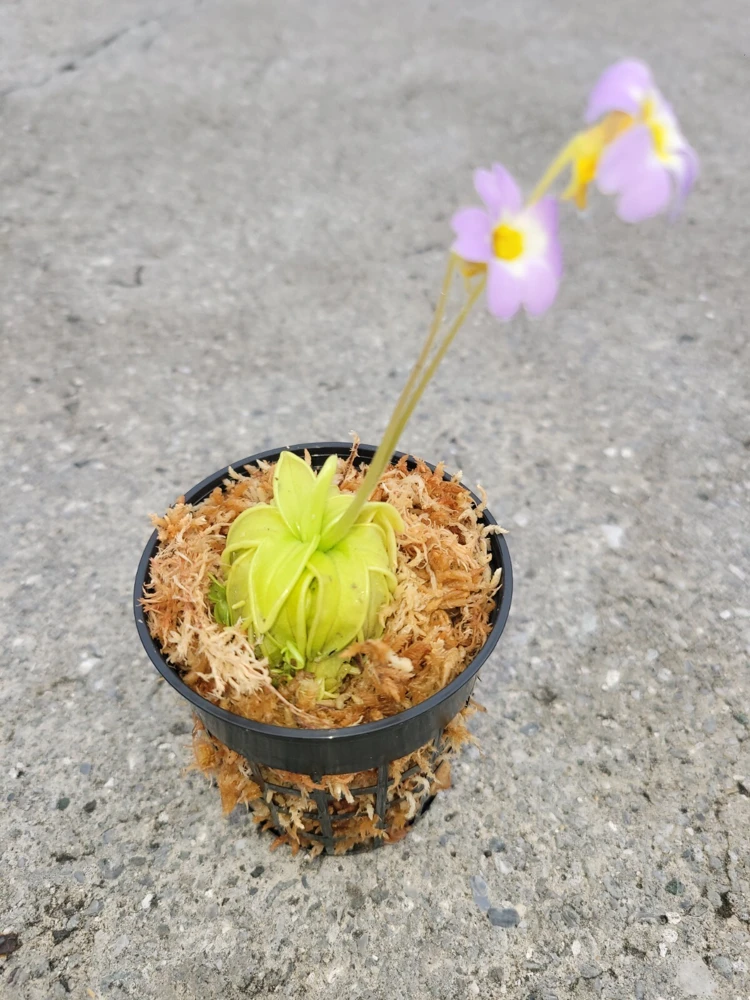
Pinguicula Primuliflora Live Plant – Carnivorous Primrose Butterwort – 3 inch Pot – Indoor & Outdoor

Reviews
There are no reviews yet.