

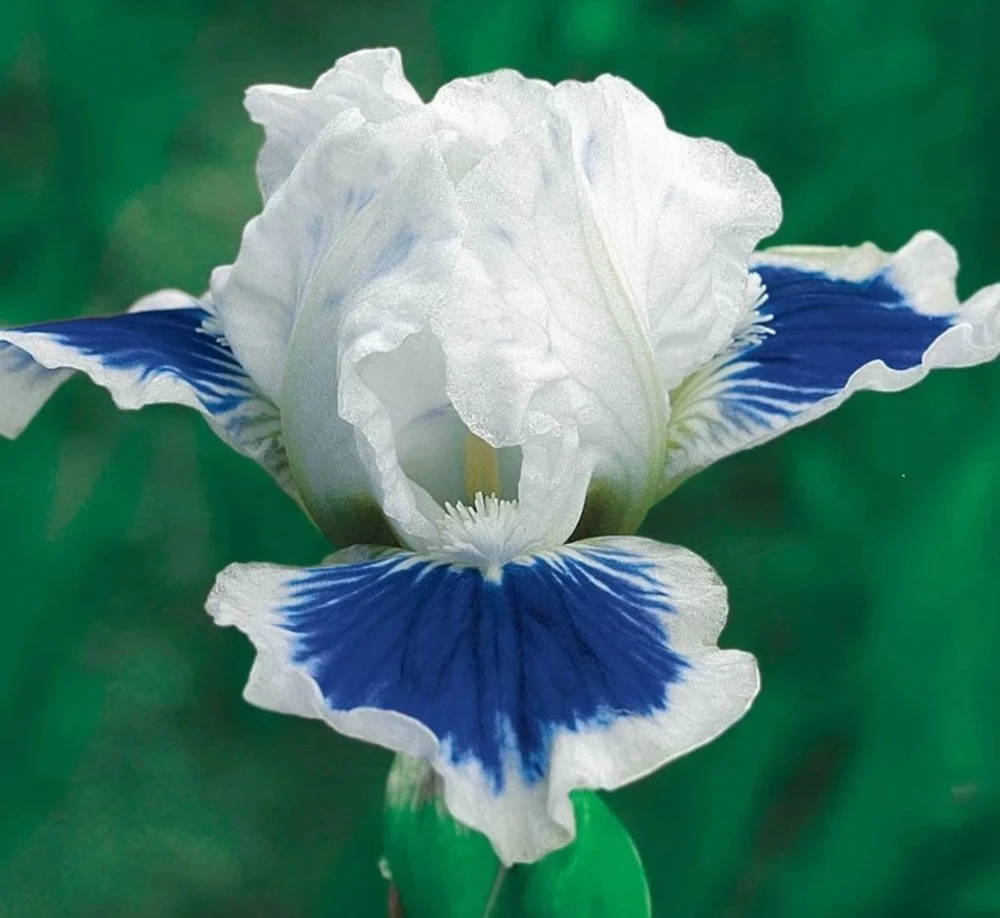
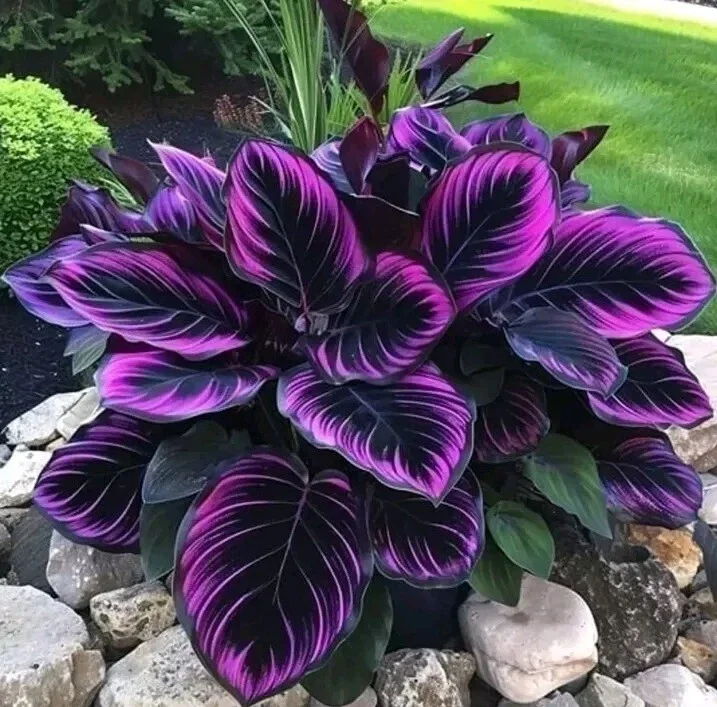
50 Iris Seeds – Flowering Iris Plant Seeds for Garden
Original price was: $49.99.$24.99Current price is: $24.99.
Start your own vibrant iris garden with this pack of 50 iris seeds. These iris flower seeds are ideal for cultivating beautiful, colorful blooms. Perfect for enhancing garden beds, borders, or containers, offering a rewarding gardening experience for all skill levels.
Estimated arrival
Oct 27
Nov 01 - Nov 03
Nov 06 - Nov 10
Shop With Confidence
30-Day Plant Health Guarantee
Arrives damaged? We’ll replace it free — see our return policy.
Responsive Support
Email us anytime, we reply within 1 business day.
Expert Packaging
Temperature-controlled shipping to protect your plants in transit.
Secure Checkout
Pay safely with Visa, Mastercard, PayPal.
Plant Specifications
-
USDA Hardiness Zone
USDA zones 3–9 -
Soil Type
Well-draining, rich in organic matter -
Sunlight Exposure
Full sun to partial shade -
Expected Planting Period
Fall or early spring
Overview
Cultivate a breathtaking display of color and elegance in your garden with our premium pack of iris seeds. Each pack contains 50 iris seeds, providing a generous quantity to start a vibrant iris patch or to experiment with different planting locations. Irises, known for their intricate petals and wide spectrum of hues, are a favorite among gardeners worldwide. Growing irises from seed is a rewarding process, allowing you to witness the full life cycle of these magnificent flowering plants. These seeds are carefully selected to ensure freshness and viability, giving you the best possible start for your garden project. Whether you’re an experienced horticulturist or a budding enthusiast, learning how to grow iris from seed offers a unique connection to nature and the satisfaction of nurturing beauty from the ground up.
Our iris seeds offer an economical and exciting way to expand your plant collection. Instead of purchasing mature bulbs, starting with seeds allows for a larger volume of plants and the potential for unique genetic variations, leading to surprising new color combinations. This approach also gives you greater control over the initial growth stages, ensuring your plants establish strong roots and healthy foliage from the very beginning. Prepare to transform your outdoor space into a haven of natural artistry with these exceptional iris flower seeds.
Key Benefits
Adding iris seeds to your garden offers numerous advantages, from aesthetic appeal to the sheer joy of gardening. These benefits make them a fantastic choice for any landscape:
- Stunning Floral Displays: Irises are renowned for their spectacular and diverse blooms, featuring a wide array of colors and unique petal forms. Planting these flowering plant seeds will ensure a garden full of eye-catching beauty.
- Economical Gardening: Starting from seed is a cost-effective way to acquire a large number of iris plants compared to purchasing mature bulbs. This allows for more extensive planting projects.
- Rewarding Growth Process: Witnessing the journey of an iris from a tiny seed to a magnificent flower is incredibly satisfying. It’s a great way to deepen your gardening skills and appreciation for plant life.
- Versatile Landscape Use: Irises can be used in various garden settings, including perennial borders, rock gardens, cottage gardens, or as striking accent plants. They adapt well to different design schemes.
- Attracts Pollinators: The vibrant blooms of irises are a magnet for beneficial pollinators like bees and butterflies, contributing to the biodiversity and health of your garden ecosystem.
- Hardy and Resilient: Many iris varieties are known for their hardiness and ability to thrive in various climates once established, making them a reliable choice for long-term garden beauty.
- Unique Varieties: Growing from iris flower seeds can sometimes result in unique genetic variations, offering the chance to discover new and distinct iris forms that you wouldn’t find otherwise.
Plant Care & Growing Tips
Successful cultivation of iris seeds requires attention to specific environmental conditions and care practices. To begin, it’s essential to understand how to grow iris effectively. Iris seeds often benefit from a period of cold stratification to break dormancy. This can be achieved by placing the seeds in a moist medium (like sand or peat) in a sealed bag in the refrigerator for 4-8 weeks before planting. Alternatively, outdoor fall planting allows for natural stratification over winter.
Once ready, plant the iris seeds in a well-draining soil mix in pots or directly in a prepared garden bed. Irises prefer full sun, meaning at least 6-8 hours of direct sunlight per day, though some varieties can tolerate partial shade, especially in hotter climates. Ensure the soil is rich in organic matter and has good drainage to prevent waterlogging, which can lead to rot. Water consistently after planting to keep the soil moist but not soggy, especially during germination and the initial growth phases. Once established, irises are relatively drought-tolerant but will benefit from regular watering during dry spells.
For optimal growth, irises thrive in USDA Hardiness Zones 3-9, depending on the specific variety. Fertilize sparingly; a balanced, slow-release fertilizer in early spring can encourage strong growth and abundant blooms. Protect young seedlings from pests like slugs and snails, and ensure good air circulation to prevent fungal diseases. With proper care, your flowering plant seeds will develop into robust iris plants, enchanting your garden for years to come. Understanding how to grow iris from seed will empower you to create a thriving and beautiful garden space.
Size & Details
This package contains 50 iris seeds, offering a substantial quantity for starting a new iris bed or for succession planting. While the mature size of an iris plant can vary significantly by variety, most garden irises typically grow to be 18 to 36 inches tall, with a spread of 12 to 24 inches. The seeds are small and require careful handling during planting. Irises grown from seed typically take 1-3 years to reach maturity and produce their first blooms, though this can vary based on growing conditions and specific iris type. These iris flower seeds are ideal for establishing a long-term perennial presence in your landscape, providing a consistent source of beauty year after year.
The seeds come ready for planting, though stratification is often recommended for best germination rates. They are suitable for direct sowing outdoors or starting indoors in seed trays. Expect a moderate growth rate, with foliage emerging within weeks or months after successful germination. The ultimate size and bloom time will depend on cultivation practices and the specific environmental conditions provided. These iris seeds offer an exciting opportunity to cultivate a garden brimming with the timeless charm of irises.
Frequently Asked Questions
- Q: How big do iris plants get from these seeds? A: Iris plants grown from these iris seeds typically reach a height of 18 to 36 inches and a spread of 12 to 24 inches, depending on the specific variety and growing conditions.
- Q: Is this an indoor or outdoor plant? A: Irises are primarily outdoor plants that thrive in garden beds, borders, and naturalized areas. While seeds can be started indoors, the mature plants prefer outdoor conditions.
- Q: How much sunlight do irises need? A: Irises prefer full sun, meaning at least 6-8 hours of direct sunlight per day, to produce the most abundant blooms. Some varieties can tolerate partial shade, especially in hot climates.
- Q: Is it easy to grow irises from seed? A: Growing iris seeds can be a rewarding process, though it requires patience and specific steps like cold stratification. It’s considered moderately easy for gardeners with some experience. Understanding how to grow iris from seed can make the process smoother.
- Q: What condition will the iris seeds arrive in? A: The iris flower seeds will arrive fresh and ready for planting, packaged to maintain viability. They are intended for immediate or near-term planting after any required stratification.
- Q: How long until irises bloom from seed? A: Irises typically take 1 to 3 years to bloom when grown from seed, as the plant needs time to establish a robust root system and mature sufficiently.
- Q: What’s the best time to plant iris seeds? A: The best time to plant iris seeds is in the fall for natural cold stratification over winter, or in early spring after artificial stratification, allowing them to germinate as temperatures rise.
- Q: What USDA Hardiness Zones are suitable for irises? A: Most iris varieties thrive in USDA Hardiness Zones 3 through 9. It’s important to research the specific iris type for precise zone compatibility.
- Q: What kind of soil do irises prefer? A: Irises prefer well-draining soil that is rich in organic matter. Good drainage is crucial to prevent rhizome rot.
- Q: Do irises attract pollinators? A: Yes, the vibrant and often fragrant blooms of irises are very attractive to various pollinators, including bees and butterflies, making them a great addition to a pollinator garden.
Be the first to review “50 Iris Seeds – Flowering Iris Plant Seeds for Garden”
People Also Viewed


Reviews
There are no reviews yet.