

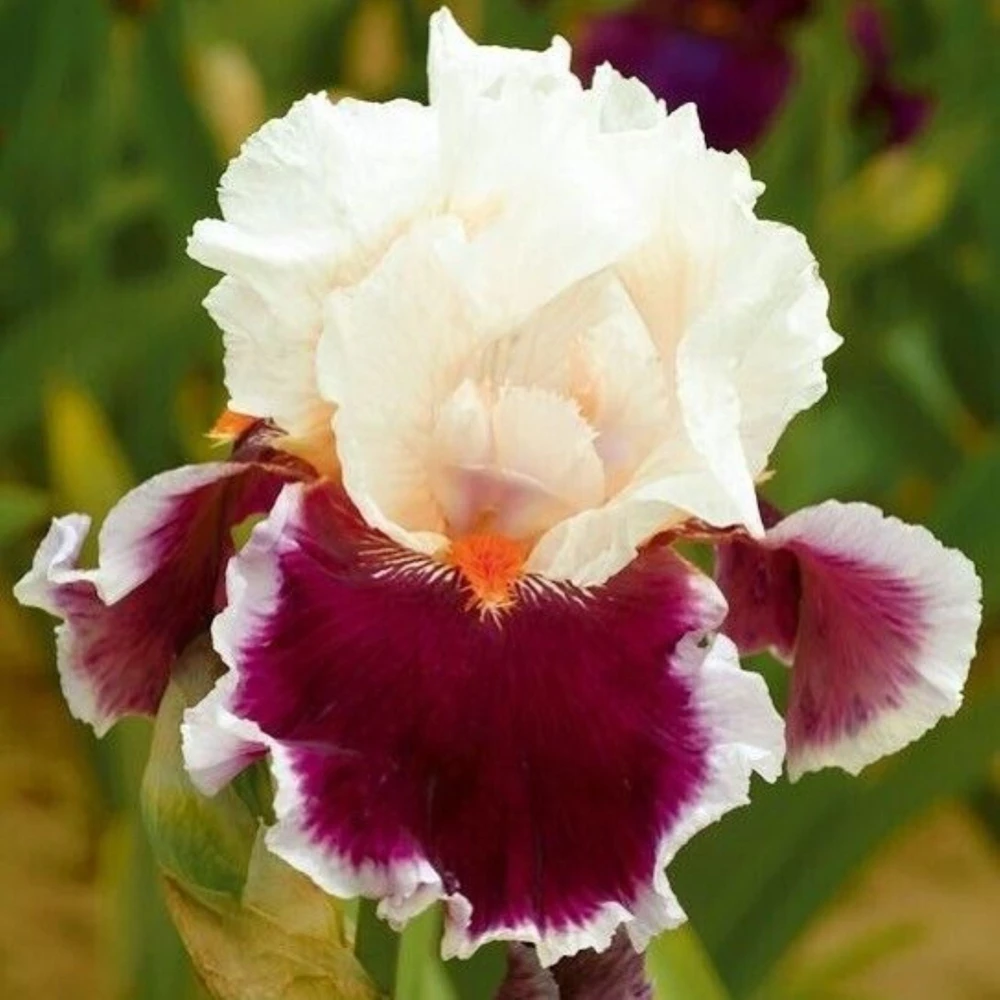
50 Iris Seeds – Flowering Iris Plant Seeds for Garden
Original price was: $49.99.$24.99Current price is: $24.99.
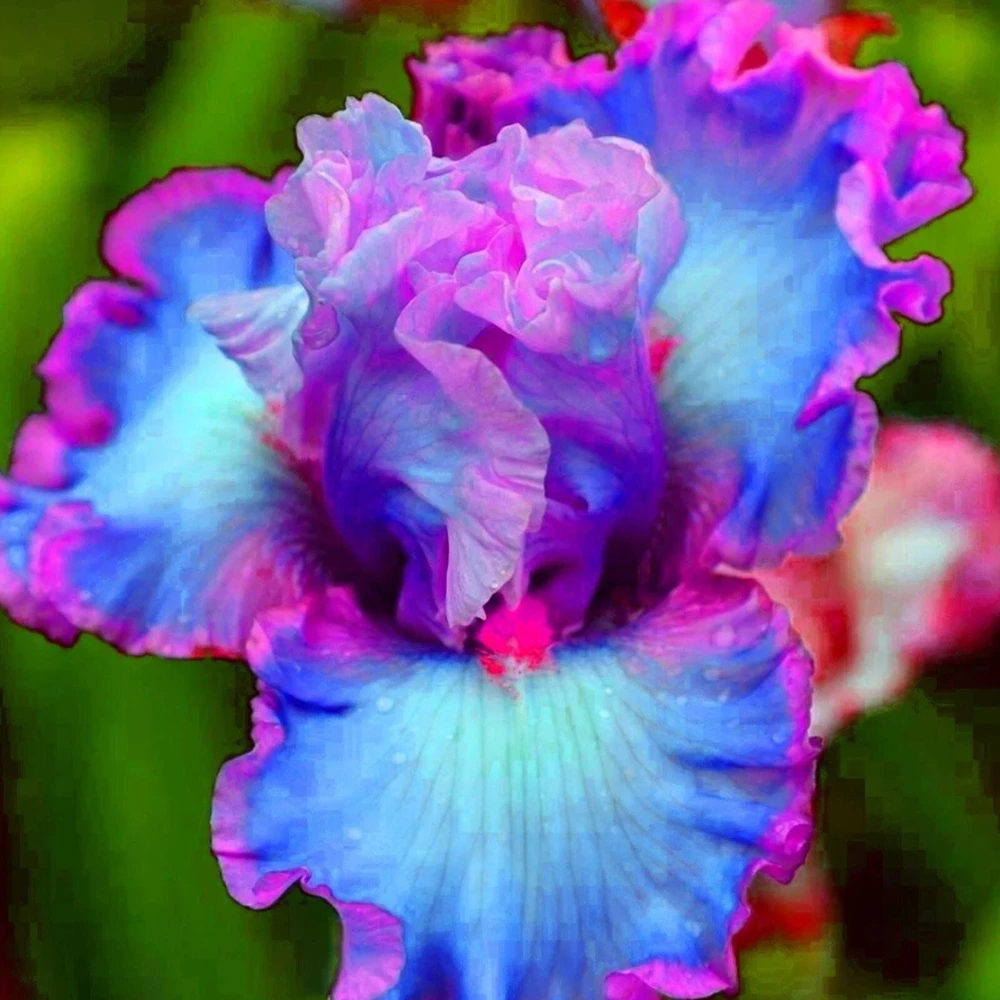
Start your own vibrant garden with our 50 Iris seeds. These high-quality seeds are perfect for cultivating beautiful Iris flowering plants known for their stunning blooms and elegant appearance. Enjoy the process of growing these captivating flowers from scratch, adding a touch of natural beauty to your landscape.
Estimated arrival
Oct 27
Nov 01 - Nov 03
Nov 06 - Nov 10
Shop With Confidence
30-Day Plant Health Guarantee
Arrives damaged? We’ll replace it free — see our return policy.
Responsive Support
Email us anytime, we reply within 1 business day.
Expert Packaging
Temperature-controlled shipping to protect your plants in transit.
Secure Checkout
Pay safely with Visa, Mastercard, PayPal.
Plant Specifications
-
USDA Hardiness Zone
USDA zones 3-9 (general for Iris species) -
Soil Type
Well-draining loamy soil -
Sunlight Exposure
Full sun -
Expected Planting Period
Fall or early spring
Overview
Embark on a rewarding gardening journey with our premium pack of 50 Iris seeds. These seeds offer an economical and satisfying way to cultivate the beloved Iris flower, a genus celebrated for its striking, intricate blooms and diverse color palette. Growing Iris seeds allows you to experience the full lifecycle of these magnificent plants, from germination to flowering. Irises, scientifically known as Iris spp., are renowned for their unique flower structure, often resembling a butterfly in flight, and their ability to thrive in various climates. Our Iris seeds are fresh and ready to grow, promising a bountiful display of color and elegance in your garden. Whether you’re an experienced horticulturist or a budding enthusiast, planting these seeds provides a delightful opportunity to enhance your outdoor space with natural beauty.
The Iris has been a symbol of royalty, wisdom, and hope for centuries, making it a meaningful addition to any garden. With this generous pack of 50 Iris seeds, you can create stunning borders, captivating focal points, or a vibrant meadow-like display. Unlike purchasing mature plants or bulbs, starting from Iris seeds offers a broader selection of varieties and the unique satisfaction of nurturing life from its very beginning. These seeds are carefully selected to ensure high viability, giving you the best chance for successful germination and robust plant growth. Prepare to transform your garden into a dazzling spectacle of color and form with these exquisite Iris flowers.
Key Benefits
Cultivating Iris from seed offers numerous advantages, enriching your gardening experience and the aesthetic appeal of your outdoor environment. These benefits extend from the planting process to the long-term enjoyment of the mature plants. Growing Iris seeds is a fulfilling endeavor.
- Economical Gardening Solution: Starting with 50 Iris seeds is significantly more cost-effective than purchasing mature bulbs or plants, allowing you to create a large, vibrant display on a budget.
- Diverse Color Palette: Irises are famous for their wide array of colors, from classic blues and purples to vibrant yellows, whites, and bi-colors. Planting these seeds increases your chances of growing a diverse and visually stunning collection of Iris flowering plants.
- Rewarding Growing Experience: Nurturing plants from seed provides immense satisfaction as you watch them sprout, grow, and eventually unfurl their magnificent blooms. It’s a true testament to your gardening skill and patience.
- Adaptable and Resilient: Many Iris varieties are known for their hardiness and adaptability to various soil types and climates once established. This makes them a reliable choice for many garden settings, ensuring a long-lasting display.
- Attracts Pollinators: The beautiful and often fragrant blooms of Iris flowers are excellent attractants for beneficial pollinators like bees and butterflies, contributing to the health and biodiversity of your garden ecosystem.
- Unique Garden Design: With 50 Iris seeds, you have the flexibility to design intricate garden beds, create stunning mass plantings, or fill challenging spots with these elegant flowers, adding architectural interest and sophisticated charm.
- Excellent Cut Flowers: Iris blooms make exquisite cut flowers, bringing their beauty and often delicate fragrance indoors. Enjoy fresh bouquets from your garden throughout their blooming season.
Plant Care & Growing Tips
To successfully grow beautiful Iris flowering plants from your 50 Iris seeds, proper care and attention to their specific needs are crucial. While Irises are generally hardy, understanding their requirements will ensure robust growth and abundant blooms. Most Iris varieties prefer a location that receives at least six hours of direct sunlight per day. Full sun encourages more prolific flowering and helps prevent fungal diseases. Ensure good air circulation around the plants. For optimal growth, plant your Iris seeds in well-draining soil. Irises do not tolerate soggy conditions, which can lead to rot. A sandy loam soil enriched with organic matter is ideal. If your soil is heavy clay, amend it with compost, sand, or grit to improve drainage. The ideal pH for Irises is slightly acidic to neutral, between 6.0 and 7.0.
Water young Iris seedlings regularly to keep the soil consistently moist but not waterlogged. Once established, mature Iris plants are relatively drought-tolerant, but they will benefit from deep watering during prolonged dry periods, especially when they are actively growing or blooming. Avoid overhead watering, which can encourage leaf spot diseases; instead, water at the base of the plant. Fertilize sparingly; too much nitrogen can lead to lush foliage but fewer flowers. A balanced fertilizer with a lower nitrogen content, applied in early spring, is generally sufficient. Deadhead spent blooms to encourage the plant to put energy into rhizome development rather than seed production, though you’ll want to let some go to seed if you’re planning to collect more Iris seeds. Divide crowded clumps every 3-5 years to maintain vigor and flowering performance. Most Iris varieties thrive in USDA hardiness zones 3-9, depending on the specific type, making them suitable for a wide range of climates.
Size & Details
This offering includes 50 Iris seeds, providing a generous quantity for planting a significant display of these magnificent flowers. When mature, Iris flowering plants typically reach a height of 18 to 36 inches, though specific varieties can vary. The spread of an individual plant can range from 12 to 24 inches, forming attractive clumps over time. Depending on the variety and growing conditions, Iris plants can take anywhere from one to three years to bloom from seed. Most varieties will begin to flower in late spring to early summer, providing a spectacular seasonal display. These seeds are provided as raw, unstratified seeds, and some varieties may benefit from a period of cold stratification to improve germination rates. Each seed holds the potential for a beautiful, vibrant flower, contributing to the overall grandeur of your garden. You are receiving pure Iris seeds, ready for your planting efforts.
Frequently Asked Questions
- Q: How do I plant the 50 Iris seeds? A: To plant your Iris seeds, prepare a well-draining seed-starting mix in trays or small pots. Sow the seeds about 1/4 to 1/2 inch deep and keep the soil consistently moist. Some Iris varieties may benefit from cold stratification before planting to aid germination.
- Q: What is the best time to plant Iris seeds? A: The best time to plant Iris seeds is typically in the fall or early spring. Fall planting allows for natural cold stratification over winter, while spring planting requires artificial stratification if needed for your specific Iris type.
- Q: How long does it take for Iris seeds to germinate? A: Germination time for Iris seeds can vary widely, from a few weeks to several months, and sometimes even over a year, depending on the specific variety and whether stratification was performed. Patience is key when growing Iris from seed.
- Q: How much sunlight do Iris plants need? A: Iris flowering plants thrive in full sun, meaning they need at least 6 hours of direct sunlight per day. Adequate sunlight is crucial for vigorous growth and abundant blooming.
- Q: Are these Iris seeds for indoor or outdoor planting? A: These Iris seeds are primarily intended for outdoor planting. While you can start them indoors, the mature plants are best grown in a garden setting where they can receive ample sunlight and space.
- Q: What kind of soil is best for Iris plants? A: Irises prefer well-draining soil with a neutral to slightly acidic pH. Avoid heavy, waterlogged soils, as this can lead to rhizome rot. Amending with organic matter can improve soil structure.
- Q: When can I expect the Iris plants to flower from seed? A: Most Iris flowering plants grown from seed will typically bloom in their second or third year after planting. The first year is generally focused on root and foliage development.
- Q: How tall do these Iris plants grow? A: The mature height of Iris flowering plants grown from these seeds can vary by variety, but most common types reach between 18 to 36 inches tall, creating a striking presence in your garden.
- Q: Do Iris flowers attract pollinators? A: Yes, the vibrant and often fragrant blooms of Iris flowering plants are known to attract various pollinators, including bees, butterflies, and hummingbirds, contributing to a healthy garden ecosystem.
- Q: How do I care for established Iris plants? A: Established Iris plants require minimal care. Ensure they receive adequate sunlight, well-draining soil, and occasional deep watering during dry spells. Deadhead spent blooms and divide clumps every few years to maintain plant health and vigor.
Be the first to review “50 Iris Seeds – Flowering Iris Plant Seeds for Garden”
People Also Viewed

Reviews
There are no reviews yet.