
Variegated Rubber Tree Live Plant – Ficus elastica ‘Tineke’ Indoor Houseplant
Original price was: $58.99.$47.99Current price is: $47.99.
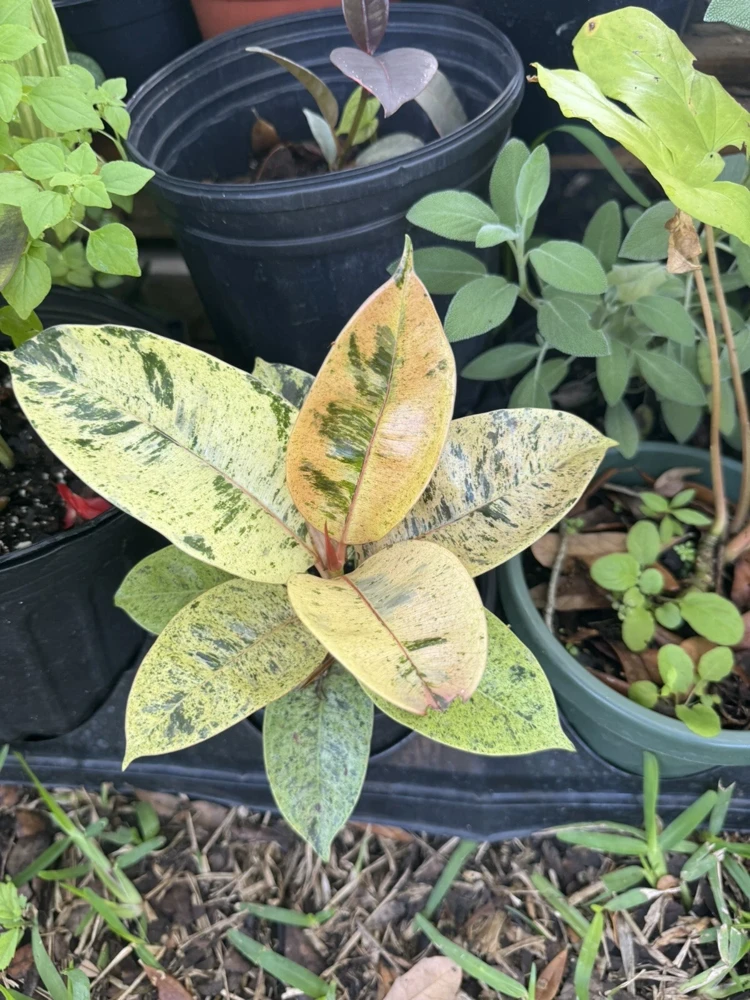
Bring vibrant color to your home with this stunning variegated rubber tree live plant, Ficus elastica ‘Tineke’. Known for its striking pink, green, and cream foliage, this indoor rubber tree is a beautiful and relatively easy-to-care-for houseplant, perfect for brightening any room. It’s an excellent choice for beginners and experienced plant enthusiasts alike.
Estimated arrival
Oct 27
Nov 01 - Nov 03
Nov 06 - Nov 10
Shop With Confidence
30-Day Plant Health Guarantee
Arrives damaged? We’ll replace it free — see our return policy.
Responsive Support
Email us anytime, we reply within 1 business day.
Expert Packaging
Temperature-controlled shipping to protect your plants in transit.
Secure Checkout
Pay safely with Visa, Mastercard, PayPal.
Plant Specifications
-
USDA Hardiness Zone
USDA zones 10-12 (if outdoors), otherwise grown indoors year-round -
Soil Type
Well-draining potting mix -
Sunlight Exposure
Bright indirect light -
Expected Planting Period
Year-round indoors
Overview
Introduce a touch of elegance and vibrant color to your indoor sanctuary with the exquisite variegated rubber tree live plant, scientifically known as Ficus elastica ‘Tineke’. This particular cultivar of the beloved rubber tree stands out with its stunning tri-color foliage, featuring rich green centers, creamy white margins, and delicate pink blush accents, especially on new growth. Originating from tropical regions, the ficus elastica tineke is a popular choice for indoor gardening due to its resilience, air-purifying qualities, and striking appearance. It makes a bold statement in any room, growing into a substantial and impressive specimen over time. Ideal for those looking to add a dramatic yet sophisticated element to their plant collection, this indoor rubber tree is more than just a plant; it’s a living piece of art.
Our variegated rubber tree live plant is carefully cultivated to ensure it arrives healthy and ready to thrive in its new home. Known for its relatively low-maintenance nature, it’s an excellent option for both novice and seasoned plant parents. The ‘Tineke’ variety is particularly cherished for its unique coloration, which can vary subtly depending on light conditions, offering an ever-evolving display of natural beauty. Elevate your interior decor and enjoy the benefits of a live, air-purifying plant with this magnificent specimen.
Key Benefits
The variegated rubber tree live plant offers a multitude of benefits, making it a highly desirable addition to any indoor space. Beyond its aesthetic appeal, this plant contributes positively to your home environment and well-being. Discover the advantages of incorporating a ficus elastica tineke into your living or working area:
-
Stunning Visual Appeal: The ‘Tineke’ cultivar boasts unique variegated leaves with shades of green, cream, and pink, providing a vibrant and sophisticated focal point in any room. Its striking coloration adds a pop of natural beauty.
-
Air Purification: Like many Ficus varieties, the indoor rubber tree is known for its ability to filter airborne toxins and improve indoor air quality, contributing to a healthier living environment.
-
Low Maintenance: Despite its exotic appearance, the tineke plant care requirements are relatively straightforward, making it suitable for busy individuals or those new to plant ownership. It tolerates a range of conditions once established.
-
Growth Potential: With proper care, this plant can grow quite large, developing into an impressive floor specimen that dramatically enhances the vertical dimension of your space. Its robust growth habit is highly rewarding.
-
Versatile Decor: Its elegant form and distinctive foliage complement various interior design styles, from modern minimalist to bohemian and traditional, making it a truly colorful houseplant.
-
Stress Reduction: Studies suggest that having plants indoors can help reduce stress and improve overall mood and well-being. Caring for a living plant like the variegated rubber tree live plant can be a therapeutic and calming activity.
Plant Care & Growing Tips
Caring for your variegated rubber tree live plant, or ficus elastica tineke, is a rewarding experience that requires understanding its basic needs. Providing the right environment will ensure its vibrant variegation and healthy growth. The key aspects of tineke plant care involve proper lighting, watering, soil, temperature, and occasional feeding.
For lighting, the ‘Tineke’ thrives in bright, indirect light. Too much direct sun can scorch its delicate variegated leaves, while too little light can cause the variegation to fade and growth to slow. An east-facing window or a few feet away from a south or west-facing window is often ideal. Rotate your plant every few weeks to ensure even growth. When it comes to watering, allow the top 1-2 inches of soil to dry out completely between waterings. Overwatering is a common killer of rubber trees, leading to root rot. Stick your finger into the soil to check moisture levels before watering. Reduce watering frequency in winter when the plant’s growth slows. The ideal soil for this indoor rubber tree is a well-draining potting mix. A mix designed for aroids or general houseplants with added perlite or bark will provide the necessary aeration and drainage. Ensure the pot has drainage holes to prevent water from sitting at the bottom.
The variegated rubber tree live plant prefers consistent temperatures between 65-80°F (18-27°C) and average to high humidity. Avoid sudden temperature drops or drafts. If your home is dry, consider using a humidifier or placing the plant near a pebble tray with water. Fertilize during the growing season (spring and summer) with a balanced liquid fertilizer diluted to half strength, approximately once a month. Do not fertilize in fall or winter. Common issues include yellowing leaves (often due to overwatering or nutrient deficiency) and browning leaf edges (from low humidity or underwatering). Pests like spider mites or mealybugs can be managed with neem oil or insecticidal soap. The ‘Tineke’ is generally hardy in USDA zones 10-12 if grown outdoors, but it is primarily cultivated as a colorful houseplant in most climates.
Size & Details
Your variegated rubber tree live plant will arrive as a healthy, established specimen, ready to be integrated into your home. The exact height and pot size may vary slightly depending on current stock, but typically, these plants are shipped in a nursery pot, ranging from 4 to 6 inches in diameter, and stand approximately 10 to 18 inches tall from the base of the pot. The ficus elastica tineke is a moderately fast grower under optimal conditions, capable of reaching impressive heights of 6-10 feet indoors with proper care and support. Its mature leaves can grow quite large, contributing to its lush, tropical appearance. We ensure that our plants are well-rooted and robust, providing a strong foundation for continued growth and development in your care.
Each indoor rubber tree is carefully packaged to minimize stress during transit, ensuring it arrives in excellent condition. While it will initially be a desk or shelf-sized plant, anticipate its growth and plan for a larger space or pot as it matures. The distinctive pink and cream variegation of the leaves will become more pronounced with good lighting. This colorful houseplant is a long-term companion, offering years of beauty and enjoyment.
Frequently Asked Questions
-
Q: How big does this plant get? A: A variegated rubber tree live plant can grow quite large indoors, typically reaching heights of 6 to 10 feet with proper care and support. Its growth rate is moderate, allowing you to enjoy its various stages of development.
-
Q: What size pot does it come in? A: Our ficus elastica tineke typically ships in a standard nursery pot, usually between 4 to 6 inches in diameter. We recommend repotting it into a slightly larger decorative pot once it has acclimated to your home.
-
Q: Is this an indoor or outdoor plant? A: The variegated rubber tree live plant is primarily grown as an indoor houseplant in most climates. It can be moved outdoors to a shaded spot during warm summer months in USDA zones 10-12, but it must be brought inside before temperatures drop.
-
Q: How much sunlight does it need? A: This indoor rubber tree thrives in bright, indirect light. Avoid direct harsh sunlight, which can scorch its leaves, and too little light, which can cause the variegation to fade. A north or east-facing window is often ideal.
-
Q: Is this plant easy to care for? A: Yes, tineke plant care is considered relatively easy, making it a great choice for both beginners and experienced plant enthusiasts. It requires consistent watering practices and bright, indirect light to flourish.
-
Q: What condition will it arrive in? A: Your colorful houseplant will arrive healthy and carefully packaged to ensure minimal stress during shipping. It will be a live, potted plant ready for you to place in its new home.
-
Q: Is the Variegated Rubber Tree pet-safe? A: No, like many Ficus varieties, the variegated rubber tree live plant is considered toxic if ingested by pets due to the milky sap it produces. It’s best to keep it out of reach of curious animals.
-
Q: How often should I water my Ficus elastica ‘Tineke’? A: Water your ficus elastica tineke when the top 1-2 inches of soil feel dry to the touch. The frequency will depend on your home’s humidity, light, and the season, but typically every 1-2 weeks.
-
Q: What kind of soil is best for this plant? A: A well-draining potting mix is crucial for the health of your indoor rubber tree. A mix with perlite, bark, or sand will ensure good drainage and aeration, preventing root rot.
-
Q: Will the pink color on the leaves last? A: The pink hues on the new leaves of the colorful houseplant are most vibrant when the plant receives adequate bright, indirect light. While the pink may soften as leaves mature, the cream and green variegation will remain prominent.
Be the first to review “Variegated Rubber Tree Live Plant – Ficus elastica ‘Tineke’ Indoor Houseplant”
People Also Viewed

Succulents
Blue Myrtle Cactus Live Plant – Myrtillocactus Geometrizans – 4 Inch Pot – Indoor/Outdoor
Reviews
There are no reviews yet.