
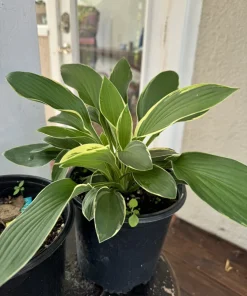
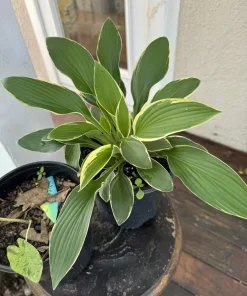
Hostas Plants – Live Perennial Foliage for Shade Gardens
Original price was: $56.99.$36.99Current price is: $36.99.
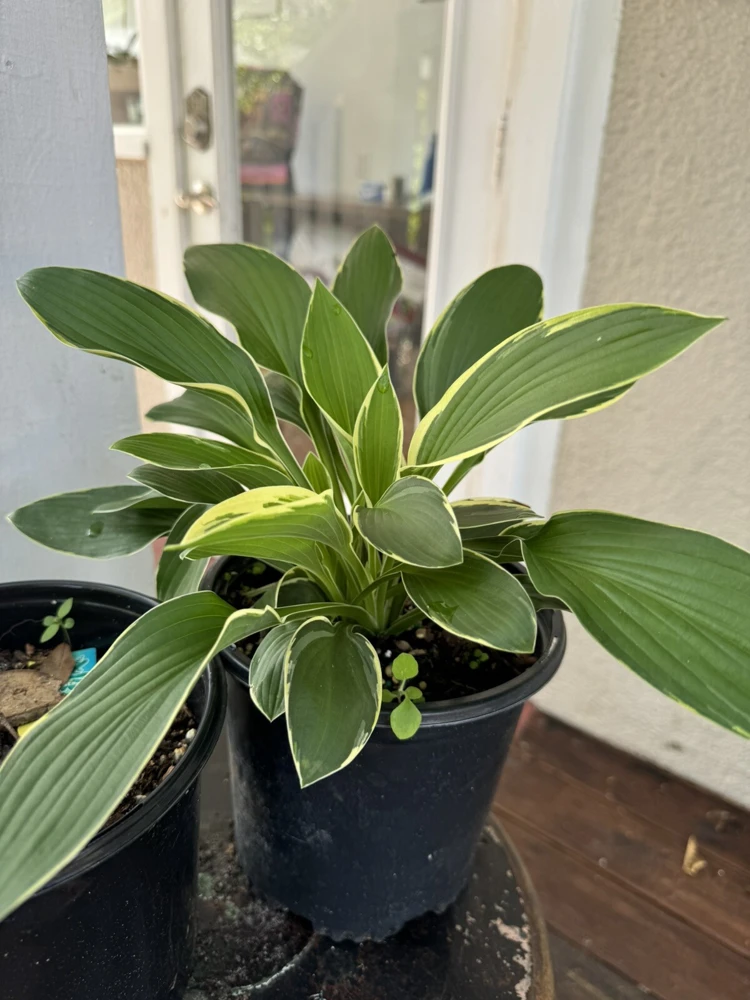
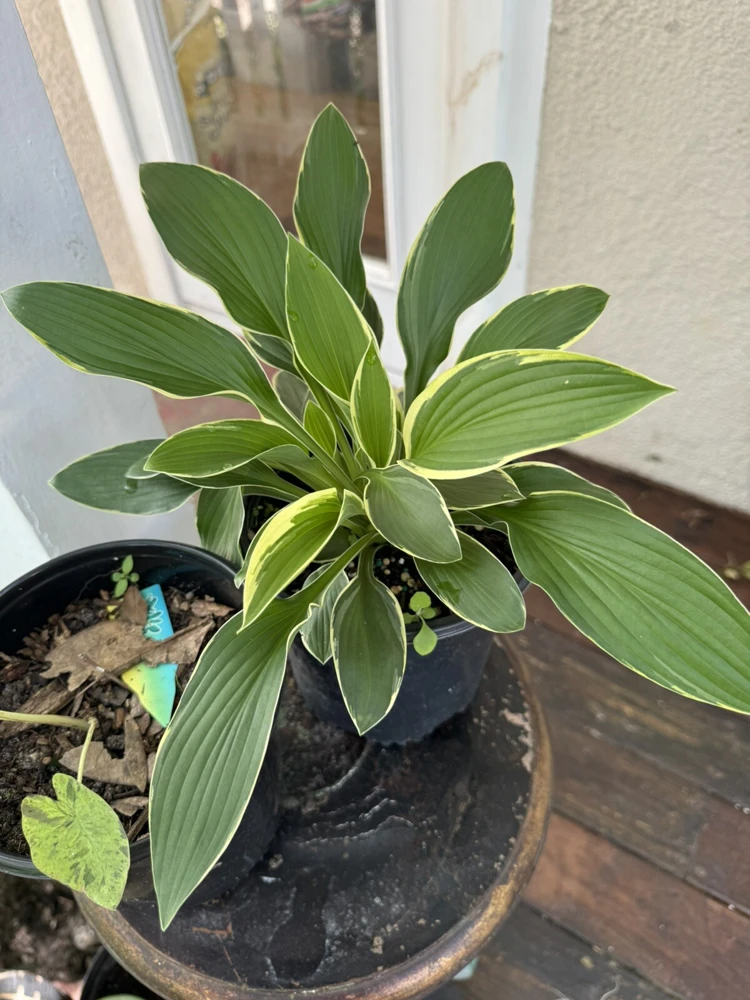
Discover beautiful hostas live plant specimens, perfect for adding lush foliage and texture to your shade garden. These hardy perennials are renowned for their low-maintenance nature and diverse leaf patterns, making them an ideal choice for groundcover, borders, or container planting. Enjoy vibrant greenery with minimal effort.
Estimated arrival
Oct 27
Nov 01 - Nov 03
Nov 06 - Nov 10
Shop With Confidence
30-Day Plant Health Guarantee
Arrives damaged? We’ll replace it free — see our return policy.
Responsive Support
Email us anytime, we reply within 1 business day.
Expert Packaging
Temperature-controlled shipping to protect your plants in transit.
Secure Checkout
Pay safely with Visa, Mastercard, PayPal.
Plant Specifications
-
USDA Hardiness Zone
USDA zones 3-9 -
Soil Type
Rich, well-draining soil -
Sunlight Exposure
Partial to full shade -
Expected Planting Period
Spring to early fall
Overview
Transform your shaded garden areas into lush, verdant havens with a beautiful hostas live plant. Hostas, often referred to as plantain lilies, are among the most popular and versatile perennials for gardeners seeking vibrant foliage and easy care. Originating from Northeast Asia, these stunning plants are celebrated for their diverse leaf shapes, sizes, textures, and colors, ranging from deep greens and blues to variegated patterns with creamy white or golden margins. A hostas live plant is an excellent choice for creating compelling visual interest in areas where other flowering plants might struggle due to lack of direct sunlight. They provide a continuous display of beauty from spring through fall, offering a sophisticated backdrop or a striking focal point in any landscape design. Whether you’re a seasoned gardener or just starting, hostas promise to deliver reliable beauty with minimal fuss.
The genus Hosta encompasses hundreds of varieties, each with unique characteristics that make them highly adaptable to various garden styles. From giant specimens with leaves the size of dinner plates to miniature varieties perfect for rock gardens or containers, there’s a hosta for every space. Their architectural foliage creates a sense of tranquility and elegance, making them indispensable for woodland gardens, shady borders, or as underplantings for trees and shrubs. Investing in a healthy hostas live plant ensures you receive a robust specimen ready to thrive and enhance your outdoor living space for years to come. These plants are primarily grown for their leaves, though many varieties also produce charming, bell-shaped flowers on tall scapes in summer, often attracting hummingbirds.
Key Benefits
Adding a hostas live plant to your garden offers numerous advantages, making it a favorite among gardeners. These benefits extend beyond their aesthetic appeal, contributing to a healthier and more beautiful outdoor environment.
- Exceptional Shade Tolerance: Hostas thrive in shaded conditions where many other plants struggle, making them perfect for filling dimly lit areas of your garden with vibrant life. Their ability to flourish in low light ensures your entire landscape remains lush and green.
- Low Maintenance: Once established, hosta plant care is remarkably easy. They require minimal attention, making them ideal for busy gardeners or those new to gardening. Regular watering and occasional feeding are often all they need to flourish.
- Diverse Foliage: With an incredible array of leaf colors, shapes, sizes, and textures, hostas offer endless possibilities for garden design. From corrugated blue leaves to glossy green with yellow edges, they provide year-round visual interest and contrast.
- Long-Lived Perennials: Hostas are hardy perennials that return year after year, growing larger and more magnificent with each passing season. This longevity means less replanting and more enjoyment from your garden.
- Versatile Landscaping Use: Perfect for groundcover, borders, container planting, or mass plantings, hostas adapt well to various garden roles. They can define pathways, soften edges, or create stunning focal points in pots.
- Natural Pest Deterrent (some varieties): While some varieties can be susceptible to slugs, many modern hosta varieties possess thicker leaves that are more resistant, offering a natural defense against common garden pests.
- Air Purification: Like many plants, hostas contribute to better air quality by absorbing carbon dioxide and releasing oxygen, making your garden a healthier and more pleasant space.
Plant Care & Growing Tips
Proper hosta plant care is straightforward, ensuring your plants remain healthy and vibrant for many years. Understanding their basic needs will help them thrive and reach their full potential. Hostas are primarily known as a hosta for shade, meaning they prefer locations with partial to full shade. While some varieties can tolerate more sun, especially those with thicker, yellow or gold leaves, most will perform best with morning sun and afternoon shade, or dappled shade throughout the day. Too much direct sun, particularly in hot climates, can scorch their leaves, leading to browning or bleaching. Conversely, too much deep shade might result in smaller leaves and less vigorous growth.
When it comes to watering, hostas prefer consistently moist, but not waterlogged, soil. Water deeply once or twice a week, especially during dry spells or in warmer climates. The best time to water is in the morning to allow foliage to dry before nightfall, which can help prevent fungal diseases. Well-draining soil is crucial; amend heavy clay soils with compost or other organic matter to improve drainage and aeration. A slightly acidic to neutral soil pH (6.0-7.0) is ideal. Fertilize your hostas in early spring as new growth emerges with a balanced, slow-release granular fertilizer or an organic compost. Avoid over-fertilizing, as this can lead to lush but weak growth that is more susceptible to pests.
Hostas are generally hardy in USDA zones 3-9, though specific varieties may have narrower ranges. They appreciate a layer of mulch around their base, which helps retain soil moisture, suppress weeds, and regulate soil temperature. Watch out for slugs and snails, which can be a common pest; various organic and chemical control methods are available. Dividing your hostas every few years in spring or fall can rejuvenate older clumps and provide new plants to expand your collection. With these simple hosta plant care tips, your hostas will provide a stunning display of foliage season after season, making them a truly rewarding investment for any garden.
Size & Details
This hostas live plant is provided as a healthy, established specimen, ready to be planted in your garden or container. Hostas are known for their varying sizes, with mature plants typically ranging from 1 to 3 feet tall and spreading 2 to 4 feet wide, depending on the specific variety. Some miniature varieties may only reach a few inches, while giant hostas can exceed 3 feet in height and 5 feet in spread. The plants are shipped in a well-protected manner to ensure they arrive in excellent condition, with their root system intact and ready for transplanting.
Hostas are relatively fast growers, establishing themselves quickly in favorable conditions. You can expect significant growth in their first season, with the plant reaching near-mature size within 3-5 years. They are valued for their lush, dense foliage that provides consistent color and texture throughout the growing season. The exact dimensions upon arrival will vary based on the specific variety and growing stage, but rest assured, you will receive a viable and thriving plant. When you buy hosta plants, you’re investing in a perennial that will beautify your landscape for decades.
Frequently Asked Questions
- Q: How big does a hostas live plant typically get? A: The mature size of a hosta plant varies greatly by variety, ranging from miniature plants just a few inches tall and wide to giant specimens that can reach over 3 feet tall and 5 feet wide. Most common varieties fall into the medium to large range, growing about 1-3 feet tall and 2-4 feet wide.
- Q: Is this an indoor or outdoor plant? A: Hostas are primarily outdoor perennial plants, ideal for garden beds, borders, and containers in shaded outdoor spaces. While they can be temporarily grown indoors, they require a dormant period in winter, which is difficult to replicate indoors, making them best suited for outdoor environments.
- Q: How much sunlight does a hosta need? A: Hostas are best known as a hosta for shade. They thrive in partial to full shade, preferably with morning sun and afternoon shade, or dappled light throughout the day. Too much direct sun, especially hot afternoon sun, can scorch their leaves.
- Q: What condition will my hostas live plant arrive in? A: Your hosta plant will arrive carefully packaged, with its root system intact and the plant in a healthy condition, ready for planting. We take great care to ensure the plant experiences minimal stress during transit.
- Q: Is this plant easy to care for? Is it good for beginners? A: Yes, hostas are renowned for being very easy to care for, making them an excellent choice for beginners and experienced gardeners alike. Their low maintenance requirements and ability to thrive in shade make hosta plant care relatively simple.
- Q: When is the best time to plant hostas? A: The best time to plant hostas is in early spring or early fall when temperatures are moderate. This allows the plant to establish its root system before the extreme heat of summer or the cold of winter.
- Q: Will hostas survive winter in my zone? A: Hostas are very hardy perennials and are typically suitable for USDA Zones 3-9. They go dormant in winter, with their foliage dying back, and then re-emerge vigorously in spring. Always check the specific hardiness zone for the particular hosta varieties you purchase.
- Q: What are the benefits of having hostas in my garden? A: Hostas offer numerous benefits including beautiful, diverse foliage, excellent shade tolerance, low maintenance, and long-lived perennial growth. They are versatile for various landscape designs and contribute to a lush, green environment.
- Q: Where can I buy hosta plants that are healthy and strong? A: You can confidently buy hosta plants from reputable nurseries and online sellers that prioritize plant health and provide clear care instructions. Look for suppliers with good reviews and strong guarantees on their live plants.
- Q: What kind of soil do hostas prefer? A: Hostas prefer rich, well-draining soil that is consistently moist. Amending heavy clay soils with organic matter like compost will greatly benefit their growth and overall health.
Be the first to review “Hostas Plants – Live Perennial Foliage for Shade Gardens”
People Also Viewed
Fruits
Natchez Thornless Blackberry Plant – Live Starter Plant – 4-6 inch – Outdoor Edible Fruit Shrub
Uncategorized
Houseplants
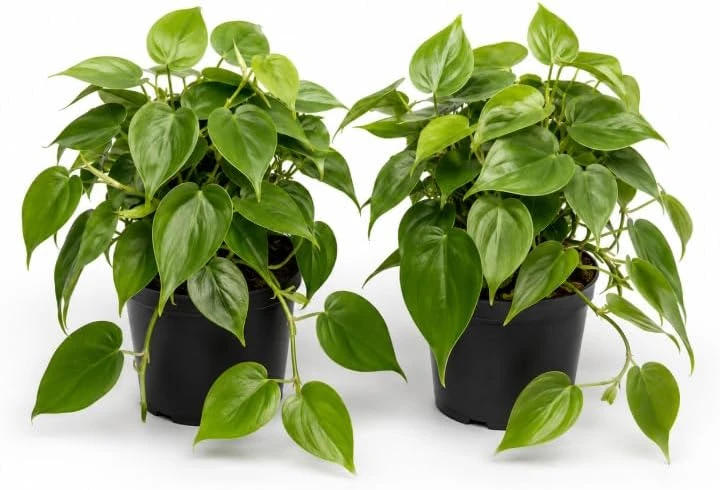
Set of 2 Heartleaf Philodendron Live Plants – Green Trailing Potted Houseplant – Indoor & Outdoor

Flower Plants
White Foxglove Live Plant, Digitalis Purpurea ‘Alba’, 2-4 Inch Tall, 3 Inch Pot, Outdoor Perennial
Reviews
There are no reviews yet.