
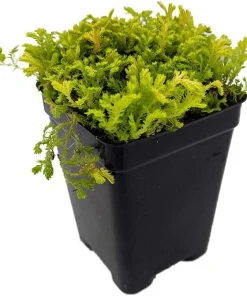
Golden Spikemoss Live Plant – Selaginella kraussiana ‘Aurea’ – 2.5″ Pot
Original price was: $34.99.$24.99Current price is: $24.99.
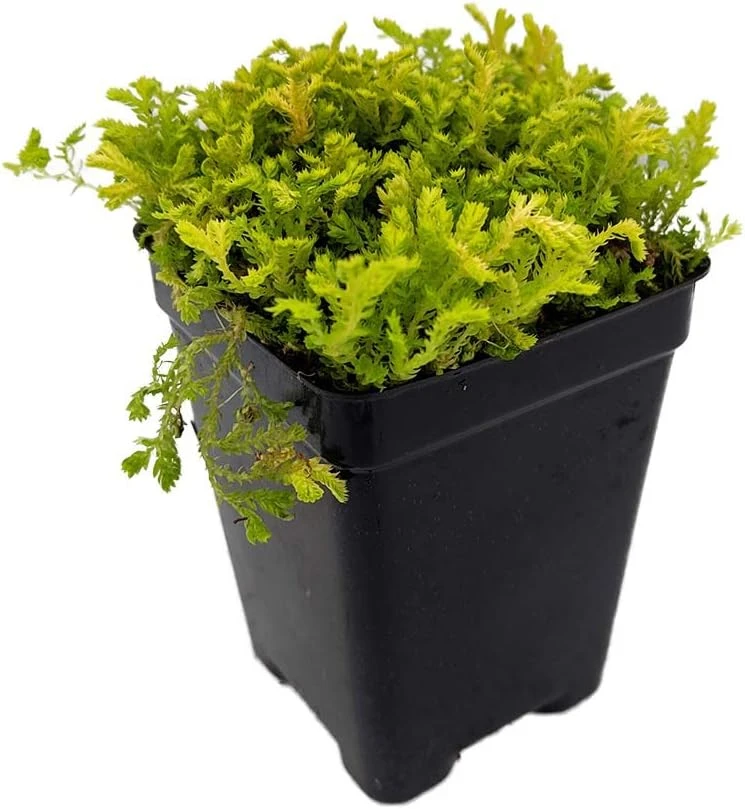
Bring a touch of golden green to your indoor spaces with the golden spikemoss live plant. This vibrant Selaginella kraussiana ‘Aurea’ is ideal for terrariums, fairy gardens, or as a small potted plant, offering lush, low-growing foliage. It thrives in high humidity and indirect light, making it a perfect addition to shaded areas.
Estimated arrival
Sep 29
Oct 04 - Oct 06
Oct 09 - Oct 13
Shop With Confidence
30-Day Plant Health Guarantee
Arrives damaged? We’ll replace it free — see our return policy.
Responsive Support
Email us anytime, we reply within 1 business day.
Expert Packaging
Temperature-controlled shipping to protect your plants in transit.
Secure Checkout
Pay safely with Visa, Mastercard, PayPal.
Plant Specifications
-
USDA Hardiness Zone
Zones 6-10 (as an outdoor perennial, but best indoors) -
Soil Type
Well-draining, moisture-retentive potting mix -
Sunlight Exposure
Indirect light to full shade -
Expected Planting Period
Year-round indoors
Overview
Introduce a splash of unique texture and color to your indoor plant collection with the golden spikemoss live plant, scientifically known as Selaginella kraussiana ‘Aurea’. This captivating plant, often referred to simply as Spikemoss, is a fascinating primitive plant, though not a true fern. It belongs to the fern allies, a diverse genus encompassing over 700 species. The ‘Aurea’ cultivar is particularly prized for its bright, scale-like leaves that form a dense, creeping carpet of soft, golden-green mounds. Ideal for those seeking an unusual and visually appealing plant, the golden spikemoss live plant is perfect for creating miniature landscapes in terrariums or adding intricate detail to fairy gardens.
Despite its delicate appearance, Selaginella kraussiana ‘Aurea’ is a resilient and rewarding plant to grow, provided its specific environmental needs are met. Its preference for ample moisture and high humidity makes it an excellent choice for enclosed environments where these conditions can be easily maintained. This selaginella kraussiana aurea will arrive as a healthy, established plant in a 2.5-inch pot, ready to be transplanted into your chosen display. Its unique growth habit and vibrant color make it a conversation starter and a delightful addition to any plant enthusiast’s home.
Key Benefits
The golden spikemoss live plant offers a multitude of benefits for both novice and experienced plant enthusiasts, enhancing your indoor environment with its distinctive charm and relatively easy care requirements.
- Unique Aesthetic Appeal: With its bright, golden-green, scale-like leaves, this plant creates a vibrant, intricate texture that stands out in any collection. Its creeping habit forms soft, undulating mounds, adding a dynamic element to its appearance.
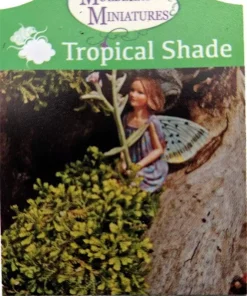
- Ideal for Terrariums and Fairy Gardens: The compact and low-growing nature of selaginella kraussiana aurea makes it perfectly suited for enclosed environments like terrariums or miniature landscapes. It thrives in the high humidity these settings provide, helping to create lush, vibrant scenes.
- Humidity Indicator: As a plant that loves high humidity, the golden spikemoss live plant can serve as a natural indicator of the moisture levels in your environment, encouraging you to maintain optimal conditions for itself and other humidity-loving plants.
- Low Maintenance Foliage: This plant is primarily grown for its attractive foliage, meaning no complicated flowering cycles or pruning for blooms. Its beauty is consistent and enduring, requiring minimal intervention once established.
- Shade-Loving Nature: Perfect for areas with limited direct sunlight, this plant thrives in shaded or indirectly lit spots, making it versatile for placement in various indoor settings where other plants might struggle.
- Air Purification: Like many indoor plants, Spikemoss contributes to a healthier indoor environment by naturally filtering and purifying the air, improving overall air quality in your home.
- Educational Value: As a primitive plant, it offers an interesting glimpse into plant evolution, making it a great specimen for educational purposes, especially for children interested in botany.
Plant Care & Growing Tips
Caring for your golden spikemoss live plant involves replicating its natural preference for moist, humid, and shaded environments. Proper attention to these factors will ensure its vibrant growth and longevity. This spikemoss care guide will help you keep your plant thriving.
Sunlight Requirements: Spikemoss thrives in indirect light to full shade. Avoid direct sunlight, which can scorch its delicate leaves and lead to drying out. An east-facing window that receives gentle morning sun or a north-facing window with consistent bright, indirect light is ideal. If placed deeper in a room, ensure it still receives ambient light. For terrariums, ensure they are placed away from direct sun exposure to prevent overheating and leaf damage.
Watering Schedule and Soil Moisture: The key to successful spikemoss care is consistent moisture. The soil should be kept evenly moist but never waterlogged. Water thoroughly when the top layer of soil just begins to feel dry, allowing excess water to drain. Do not let the plant sit in standing water. High humidity is crucial; misting daily or placing the pot on a pebble tray filled with water can help. In terrariums, the enclosed environment naturally maintains high humidity, reducing the need for frequent misting.
Soil Type and Drainage: A well-draining yet moisture-retentive potting mix is essential. A mix formulated for ferns or tropical plants, typically composed of peat moss, perlite, and a small amount of sand, works well. Good drainage is vital to prevent root rot, so ensure your pot has drainage holes, even if using it within a decorative container. For a terrarium plant, a layer of horticultural charcoal and sphagnum moss beneath the potting mix can aid in drainage and aeration.
Temperature Range and USDA Hardiness Zone: This plant prefers consistent temperatures between 60-75°F (15-24°C). Avoid sudden temperature fluctuations or cold drafts. While primarily an indoor plant in most of the US, it is hardy in USDA Zones 6-10 if grown outdoors in consistently moist, shaded conditions, though it’s typically cultivated as a houseplant due to its humidity requirements. Protecting it from frost is crucial.
Fertilization Schedule and Type: Fertilize sparingly. During the growing season (spring and summer), apply a balanced liquid fertilizer diluted to half strength once every 4-6 weeks. Over-fertilization can harm the plant. Reduce feeding in fall and winter when growth slows. A gentle, organic fertilizer can also be beneficial.
Common Problems and Solutions: The most common issues arise from insufficient humidity or improper watering. Brown, crispy leaves often indicate low humidity or underwatering. Increase misting or use a humidity tray. Yellowing leaves can suggest overwatering or poor drainage. Ensure the pot drains well and adjust your watering frequency. Pests are generally not a major issue, but occasional checks for spider mites in dry conditions are recommended. If found, treat with insecticidal soap.
Size & Details
Your golden spikemoss live plant will arrive as a healthy, established specimen in a 2.5-inch nursery pot, providing an excellent foundation for its continued growth. This compact size makes it immediately suitable for placement in small terrariums, dish gardens, or as an accent plant on a desk or shelf. While individual clumps of leaves in a swirl are typical upon arrival, this Selaginella kraussiana ‘Aurea’ is a creeping plant by nature, meaning it will gradually spread to form a dense carpet. Expect it to eventually cover an area of 6-12 inches in diameter, depending on the container size and growing conditions. Its growth rate is moderate, allowing it to fill out its space without becoming unruly too quickly. The plant’s mature height typically remains low, usually no more than 2-4 inches, making it an excellent groundcover or understory plant in larger arrangements. This makes it a perfect fairy garden plant or a vibrant addition to any miniature landscape.
The plant is shipped in its nursery pot, carefully packaged to ensure its safety during transit. Upon arrival, it will be ready for immediate enjoyment or transplanting into your desired decorative container. With proper care, this resilient plant will continue to develop its rich golden-green foliage, adding texture and life to your chosen environment for years to come. No specific time to maturity is applicable as it’s grown for its foliage, which maintains its appeal throughout its life.
Frequently Asked Questions
- Q: How big does this plant get? A: The golden spikemoss live plant is a low-growing creeper. It typically reaches a height of 2-4 inches and can spread to cover an area of 6-12 inches in diameter, forming a dense, soft carpet of foliage. Its size makes it ideal for small spaces.
- Q: What size pot does it come in? A: This Selaginella kraussiana ‘Aurea’ will arrive in a standard 2.5-inch nursery pot, perfectly sized for transplanting into terrariums, fairy gardens, or other decorative containers.
- Q: Is this an indoor or outdoor plant? A: While hardy in USDA Zones 6-10 for outdoor use in consistently moist, shaded conditions, the golden spikemoss live plant is primarily cultivated as an indoor plant due to its high humidity requirements. It thrives in controlled indoor environments.
- Q: How much sunlight does it need? A: This plant requires indirect light to full shade. Direct sunlight will scorch its delicate leaves. An east or north-facing window, or a spot away from harsh direct light, is best for optimal growth and color.
- Q: Is this plant easy to care for? A: The golden spikemoss live plant is considered moderately easy to care for, provided its specific needs for high humidity and consistent moisture are met. It’s an excellent choice for those willing to provide these conditions, especially as a terrarium plant.
- Q: Is it good for beginners? A: While not as forgiving as some beginner plants, those new to plant care can successfully grow Selaginella kraussiana ‘Aurea’ by focusing on its humidity and watering needs. It’s a great plant to learn about creating microclimates.
- Q: What condition will it arrive in? A: Your plant will arrive healthy and well-packaged in its 2.5-inch nursery pot, ready for you to enjoy. We take great care to ensure it reaches you in excellent condition, prepared for its new home.
- Q: Is it shipped in soil? A: Yes, the golden spikemoss live plant is shipped securely in its original nursery pot with soil, ensuring it remains hydrated and stable during transit to your doorstep.
- Q: Can I use this plant in a closed terrarium? A: Absolutely! This fairy garden plant is an excellent choice for closed terrariums as the enclosed environment naturally provides the high humidity and consistent moisture it craves, making it thrive.
- Q: What’s the minimum temperature this plant can tolerate? A: The golden spikemoss live plant prefers temperatures between 60-75°F (15-24°C). It can tolerate slightly cooler temperatures down to about 50°F (10°C) but should be protected from frost and prolonged cold.
Be the first to review “Golden Spikemoss Live Plant – Selaginella kraussiana ‘Aurea’ – 2.5″ Pot”
People Also Viewed
Reviews
There are no reviews yet.