
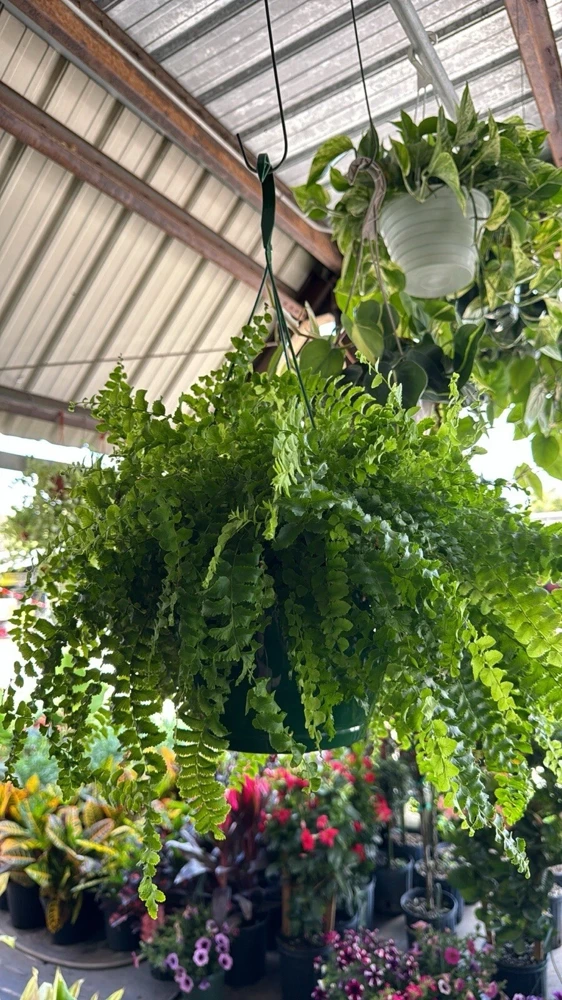
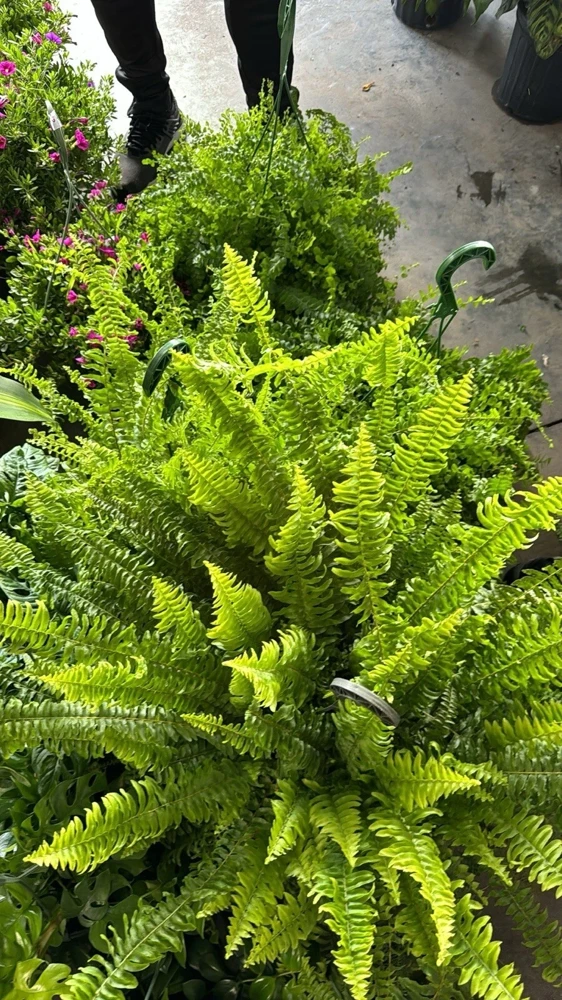
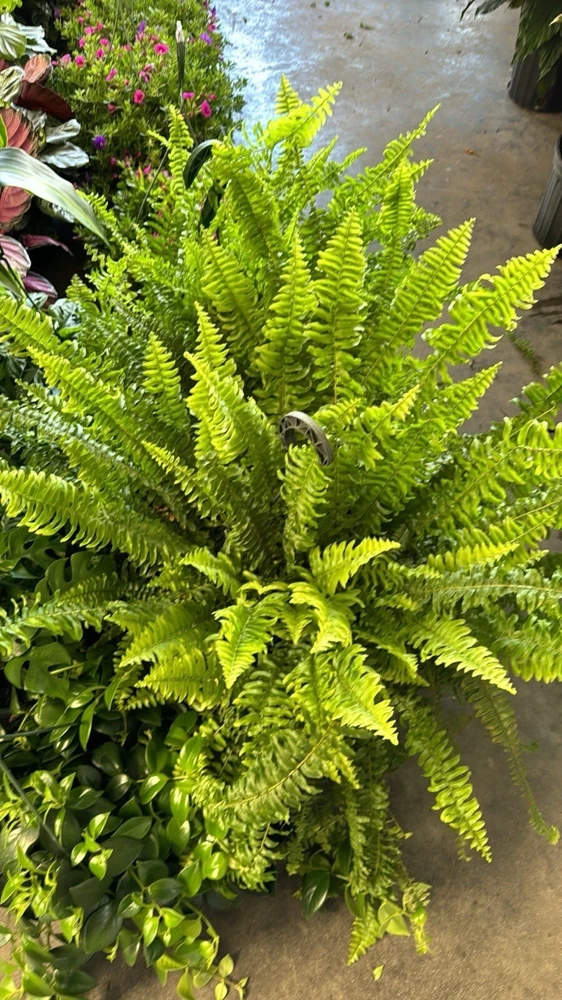
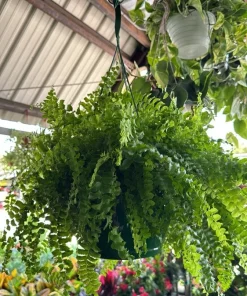
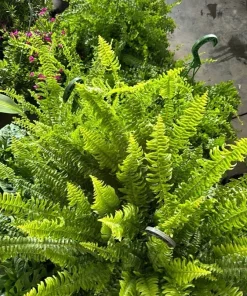
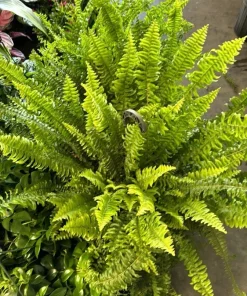
Fern Live Plant – Lush Greenery – Indoor/Outdoor Foliage
Original price was: $56.99.$36.99Current price is: $36.99.
Bring natural beauty into your home with a vibrant fern live plant. This versatile foliage plant thrives indoors or outdoors, offering lush greenery and air-purifying benefits. Easy to care for and perfect for adding a touch of elegance to any space.
Estimated arrival
Oct 27
Nov 01 - Nov 03
Nov 06 - Nov 10
Shop With Confidence
30-Day Plant Health Guarantee
Arrives damaged? We’ll replace it free — see our return policy.
Responsive Support
Email us anytime, we reply within 1 business day.
Expert Packaging
Temperature-controlled shipping to protect your plants in transit.
Secure Checkout
Pay safely with Visa, Mastercard, PayPal.
Plant Specifications
-
USDA Hardiness Zone
USDA zones 9-11 (for outdoor planting, otherwise indoor) -
Soil Type
Well-draining potting mix, rich in organic matter -
Sunlight Exposure
Bright indirect light -
Expected Planting Period
Year-round indoors
Overview
Introduce a touch of serene natural beauty into your living space with this exquisite fern live plant. Known for their delicate, feathery fronds and lush green appearance, ferns are among the oldest and most beloved plant species, bringing a sense of timeless elegance to any environment. This particular fern offers a vibrant display of foliage, making it a perfect addition to your indoor decor or a shaded spot in your garden. Whether you’re a seasoned plant enthusiast or a novice gardener, this fern live plant is an excellent choice for enhancing air quality and creating a calming, verdant atmosphere. Its graceful form and rich green hues provide a stunning visual contrast against modern or traditional interiors, making it a truly versatile and appealing botanical specimen.
Ferns are celebrated for their ability to thrive in various conditions, adapting well to both indoor and outdoor settings, provided their basic needs are met. They are particularly cherished for their unique growth patterns and the way their fronds unfurl, adding dynamic texture and visual interest. This fern live plant is carefully cultivated to ensure it arrives healthy and ready to flourish in its new home, promising to be a long-lasting source of natural beauty and tranquility. Explore the many delightful types of ferns and discover the joy of nurturing these ancient and captivating plants.
Key Benefits
Integrating a fern live plant into your home or garden offers numerous advantages beyond just its aesthetic appeal. These plants are not only beautiful but also contribute positively to your environment and well-being.
- Enhanced Air Quality: Ferns are renowned for their air-purifying capabilities, effectively removing toxins from the air and contributing to a healthier indoor environment. This makes them ideal for bedrooms and living areas.
- Natural Humidity Boost: As plants that thrive in humid conditions, ferns naturally release moisture into the air, helping to increase humidity levels in your home, which can be beneficial for both humans and other plants.
- Aesthetic Appeal & Versatility: With their intricate fronds and vibrant green color, ferns add a sophisticated touch of natural elegance to any space. They are versatile enough to be used as a focal point, in a mixed plant arrangement, or as a graceful hanging plant.
- Stress Reduction & Well-being: Studies suggest that having plants, like this indoor fern plant, in your immediate environment can reduce stress, improve mood, and enhance overall feelings of well-being and relaxation.
- Low Maintenance Foliage: Many ferns are surprisingly easy to care for once their basic light and watering needs are understood, making them suitable for busy individuals or beginner gardeners looking for lush greenery without extensive effort.
- Pet-Friendly Option: Certain varieties of ferns are non-toxic to pets, offering a safe and beautiful plant choice for homes with furry friends. Always verify the specific fern type if pet safety is a primary concern.
- Adaptable to Various Settings: This outdoor fern plant can also thrive in shaded garden areas, beneath trees, or in woodland-style landscapes, providing beautiful ground cover and texture.
Plant Care & Growing Tips
Caring for your fern live plant is a rewarding experience that ensures its lush beauty continues to thrive. Ferns generally prefer consistent moisture and indirect light, mimicking their natural forest floor habitats. For indoor ferns, place them in a spot that receives bright, indirect light, such as near a north-facing window or a few feet away from an east or west-facing window. Avoid direct sunlight, which can scorch their delicate fronds. If you’re growing an outdoor fern plant, select a location with partial to full shade, especially during the hottest parts of the day. Consistent temperatures between 60-75°F (15-24°C) are ideal, and they generally dislike sudden temperature fluctuations.
Watering is crucial for ferns. Keep the soil consistently moist but never waterlogged. Allow the top inch of soil to dry out slightly before watering again. Overwatering can lead to root rot, while underwatering can cause fronds to turn brown and crispy. High humidity is also vital for most ferns. You can increase humidity by misting the plant regularly, placing it on a pebble tray filled with water, or using a humidifier. A well-draining potting mix rich in organic matter is essential. Fertilize sparingly during the growing season (spring and summer) with a balanced liquid fertilizer diluted to half strength. Yellowing fronds can indicate overwatering or nutrient deficiency, while brown, crispy fronds often signal low humidity or underwatering. Understanding these basic needs will help prevent common issues and ensure your fern live plant remains vibrant and healthy.
Size & Details
This fern live plant typically ships as a healthy, established plant, ready to enhance your home or garden. The exact size may vary slightly depending on the season and specific variety, but you can generally expect a plant that is well-rooted and showing active growth. Ferns generally grow at a moderate rate, eventually reaching a height and spread of 1 to 3 feet, depending on the specific type and growing conditions. It will arrive carefully packaged to minimize stress during transit, ensuring it reaches you in optimal condition. The plant will be potted in a nursery container, making it easy to transplant into your chosen decorative pot or garden bed upon arrival. With proper care, your fern will continue to grow and unfurl new fronds, adding to its lush appearance over time.
While specific measurements may vary, the plant is chosen to be robust and ready for continued development. The ultimate size and density of the foliage will depend on the care it receives, including adequate light, water, and humidity. This plant is intended for long-term enjoyment and will develop into a substantial and impressive specimen with consistent attention. It’s an excellent choice for creating a natural, serene focal point in any indoor or shaded outdoor space. Consider the different types of ferns when planning its placement to ensure it has ample room to thrive.
Frequently Asked Questions
- Q: How big does this fern live plant get? A: The size of your fern live plant can vary by variety, but most common ferns grow to be between 1 to 3 feet tall and wide when mature. This depends on factors like pot size, light, and humidity.
- Q: Is this an indoor or outdoor fern plant? A: This versatile fern live plant can thrive in both indoor and outdoor settings. Indoors, it prefers bright, indirect light; outdoors, it needs a shaded spot away from direct sun.
- Q: How much sunlight does my fern need? A: Ferns prefer bright, indirect light. Avoid direct sunlight as it can scorch their delicate fronds. A north-facing window or a shaded garden spot is ideal for your indoor fern plant or outdoor fern plant.
- Q: Is this fern easy to care for, especially for beginners? A: Yes, many ferns are considered relatively easy to care for once you understand their basic needs for consistent moisture and high humidity. It’s a great choice for beginners looking for beautiful foliage.
- Q: What condition will my fern live plant arrive in? A: Your fern live plant will arrive carefully packaged to ensure it is healthy and well-protected during transit. It will be an established plant in a nursery pot, ready for acclimation.
- Q: How often should I water my fern? A: Keep the soil of your fern live plant consistently moist but not soggy. Water when the top inch of soil feels dry to the touch. This helps prevent both overwatering and underwatering.
- Q: What’s the best soil type for my fern? A: Ferns thrive in a well-draining potting mix that is rich in organic matter. A mix formulated for houseplants or ferns, often containing peat moss, perlite, and pine bark, is ideal.
- Q: Can ferns purify the air? A: Absolutely! Ferns are excellent natural air purifiers, helping to remove common indoor toxins and improve the overall air quality in your home, contributing to a healthier environment.
- Q: Are there different types of ferns that I should know about? A: Yes, there are many types of ferns, each with unique characteristics. While this listing is for a general fern, popular varieties include Boston ferns, Kimberly Queen ferns, and Maidenhair ferns, each with slightly different care requirements.
- Q: What is the ideal temperature range for a fern? A: Ferns generally prefer consistent temperatures between 60-75°F (15-24°C). They do not tolerate cold drafts or extreme heat well, making them suitable as a robust indoor fern plant.
Be the first to review “Fern Live Plant – Lush Greenery – Indoor/Outdoor Foliage”
People Also Viewed
Reviews
There are no reviews yet.