
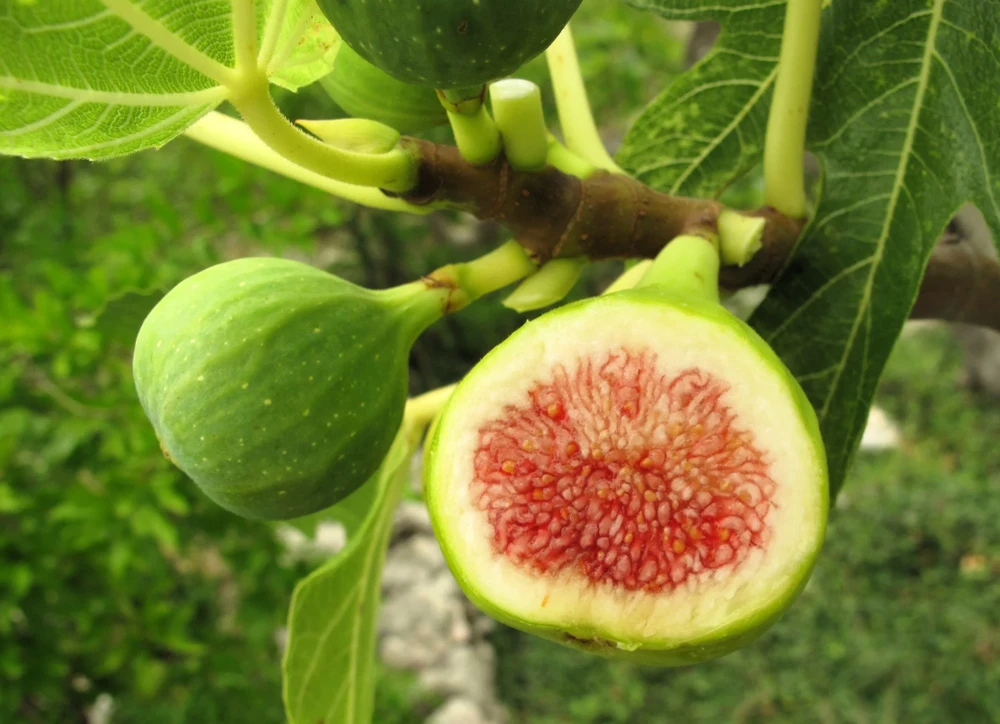
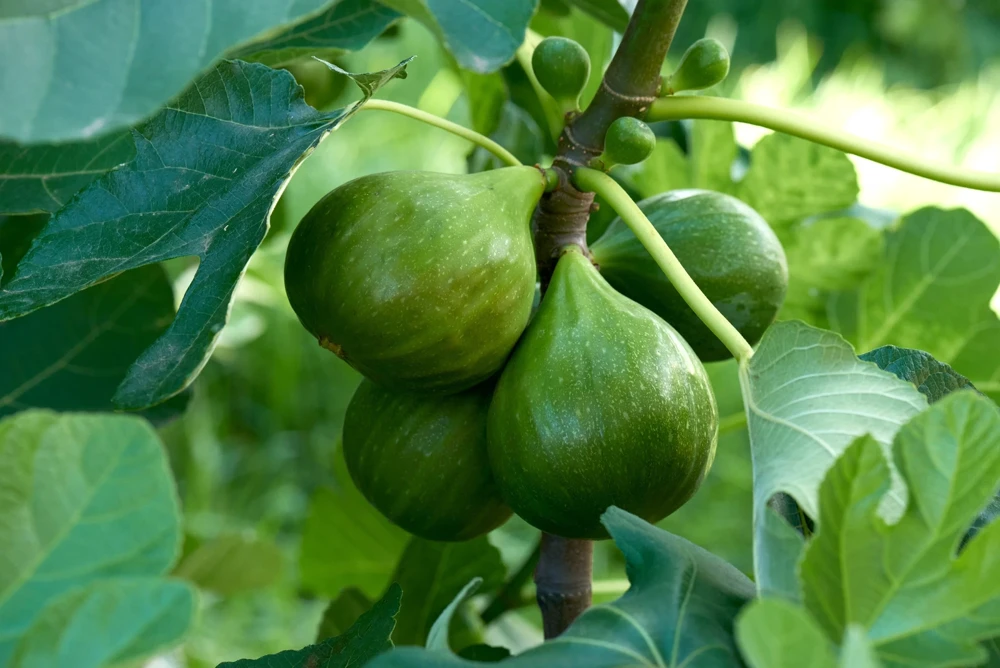
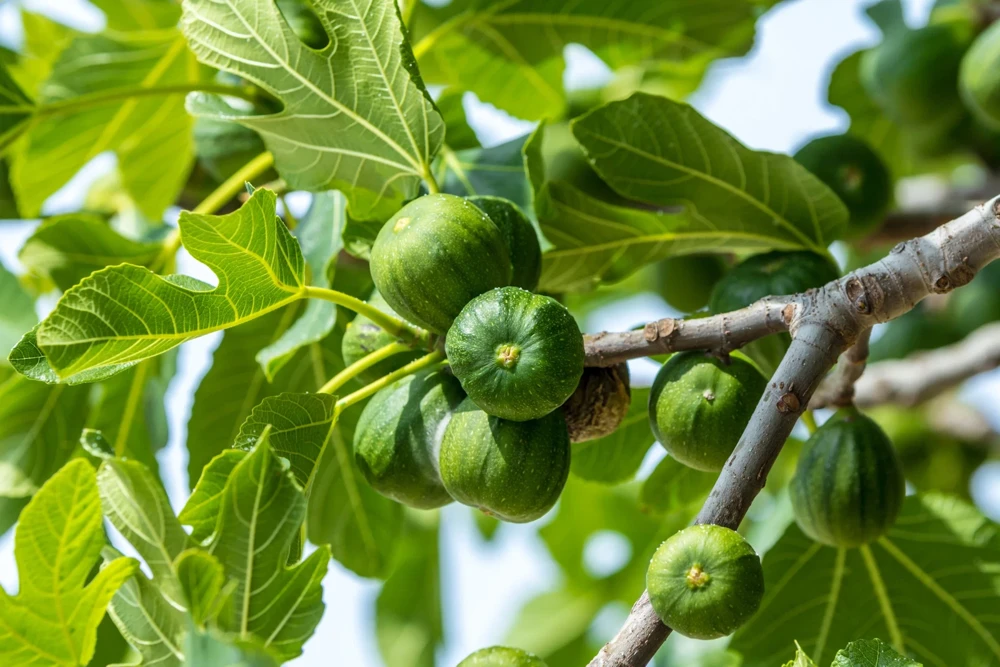
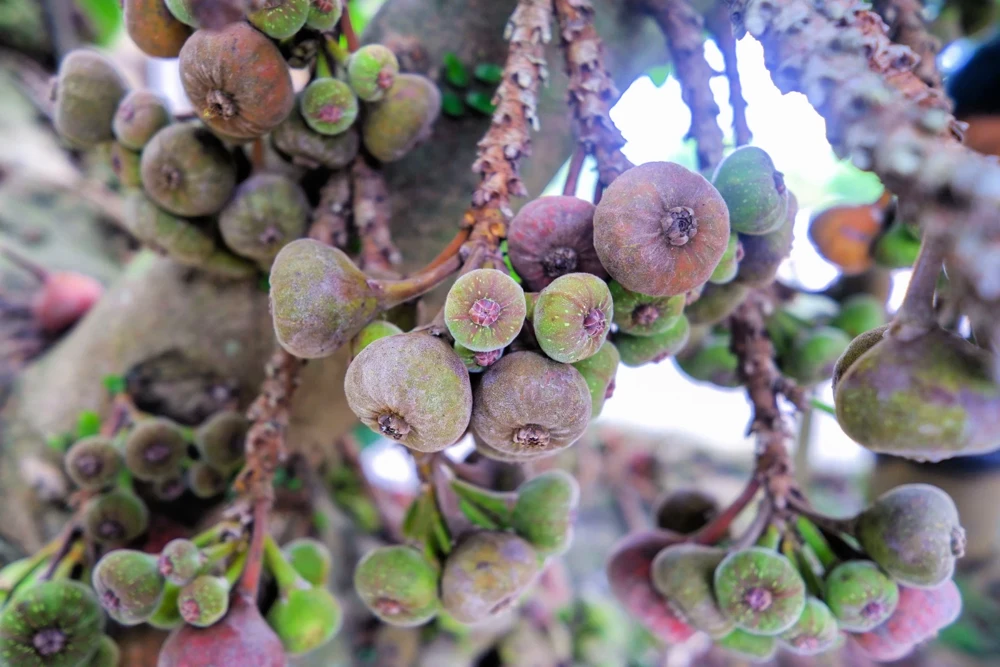
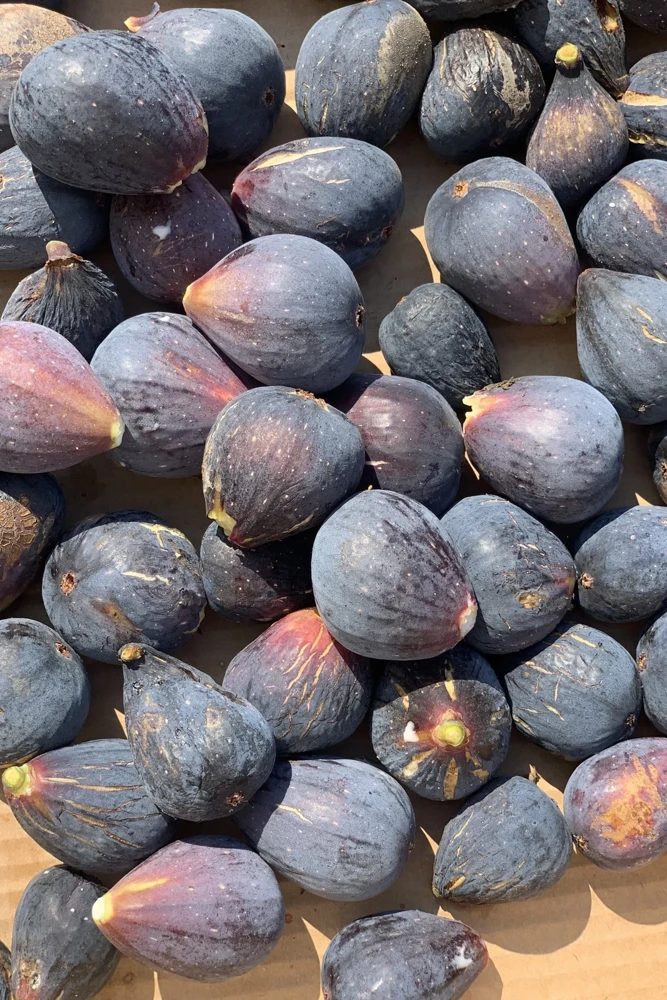


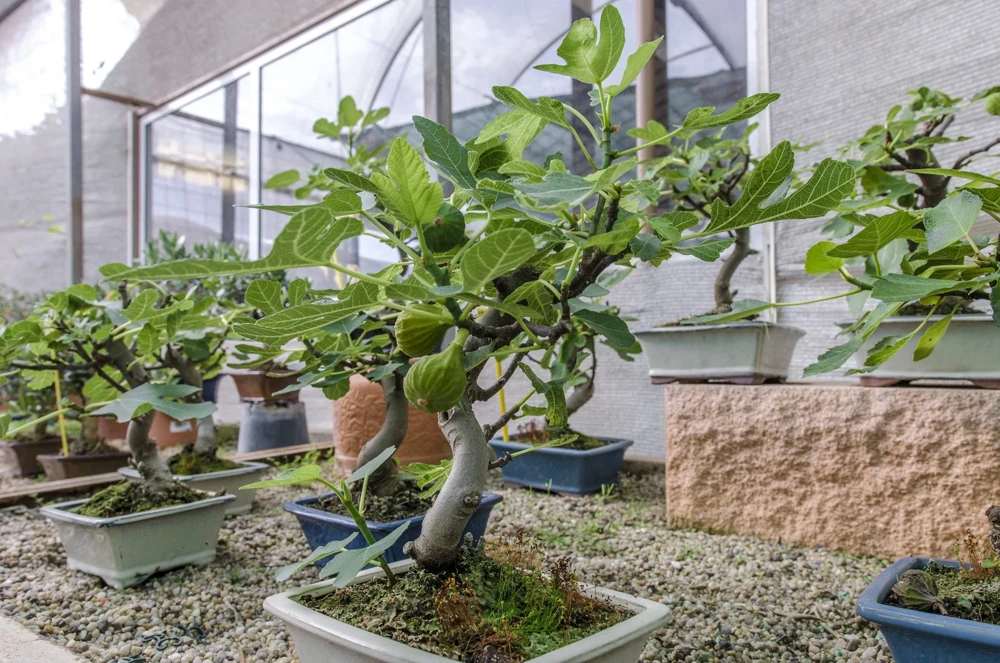
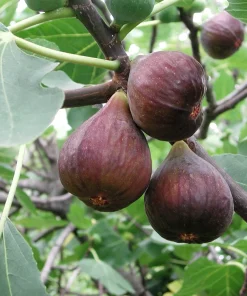
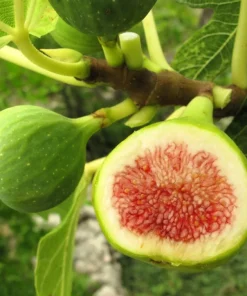
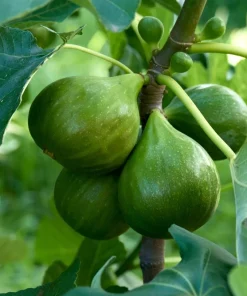
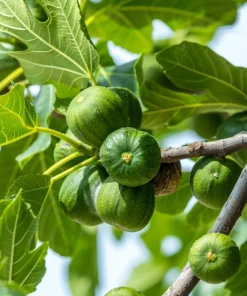
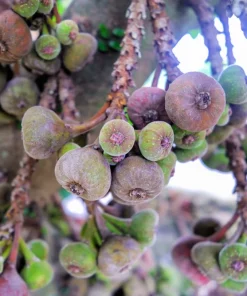
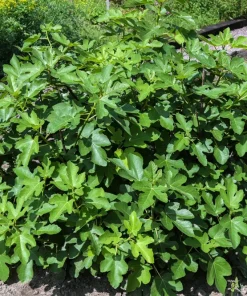
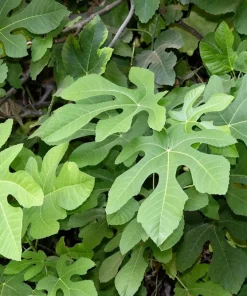
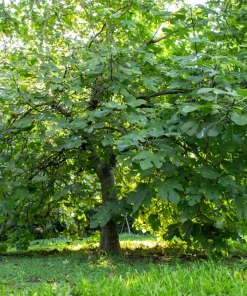
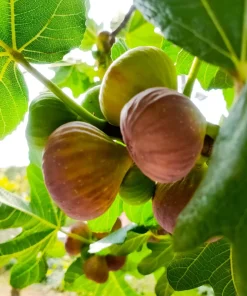
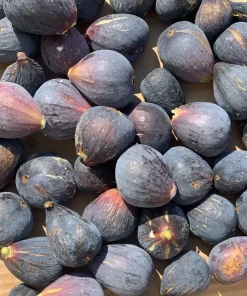


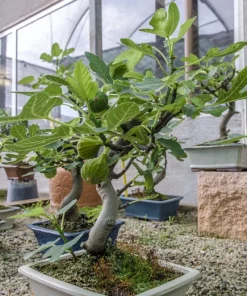
Edible Fig Tree Seeds – Ficus Carica – 30 Seeds – Purple Brown Fruit
Original price was: $37.99.$17.99Current price is: $17.99.
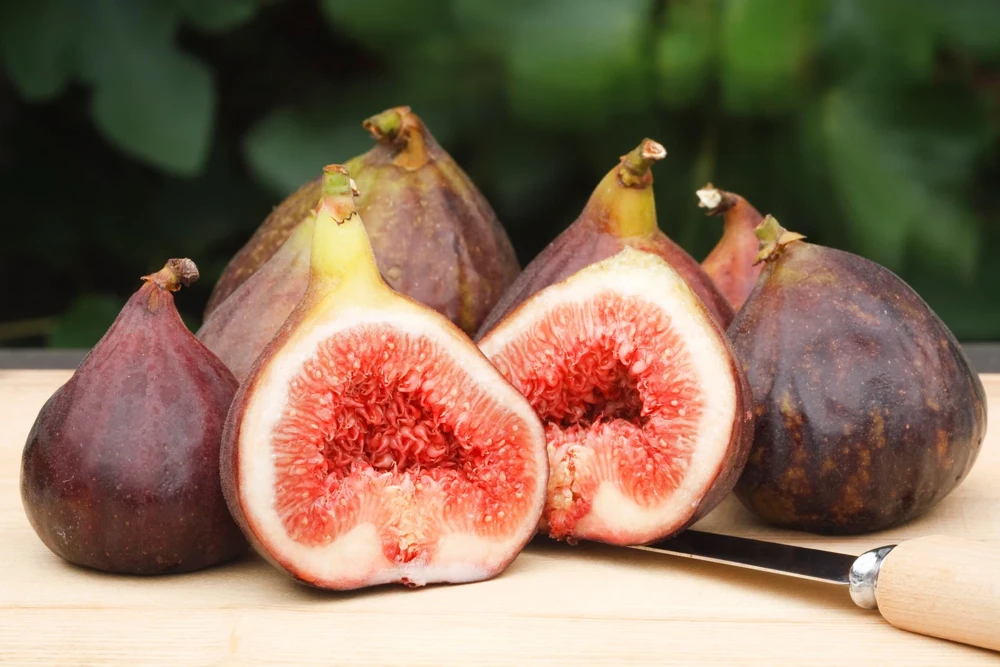
Cultivate your own delicious fruit with these edible fig tree seeds. Each packet contains 30 Ficus carica seeds, ready for planting to produce sweet, purple-brown skinned figs. Ideal for home gardeners looking to grow fig tree from seed.
Estimated arrival
Sep 17
Sep 22 - Sep 24
Sep 27 - Oct 01
Shop With Confidence
30-Day Plant Health Guarantee
Arrives damaged? We’ll replace it free — see our return policy.
Responsive Support
Email us anytime, we reply within 1 business day.
Expert Packaging
Temperature-controlled shipping to protect your plants in transit.
Secure Checkout
Pay safely with Visa, Mastercard, PayPal.
Plant Specifications
-
USDA Hardiness Zone
USDA zones 8-10 (can be grown in containers in colder zones) -
Soil Type
Well-draining, loamy soil -
Sunlight Exposure
Full sun (at least 8 hours daily) -
Expected Planting Period
Year-round indoors; spring after last frost outdoors
Overview
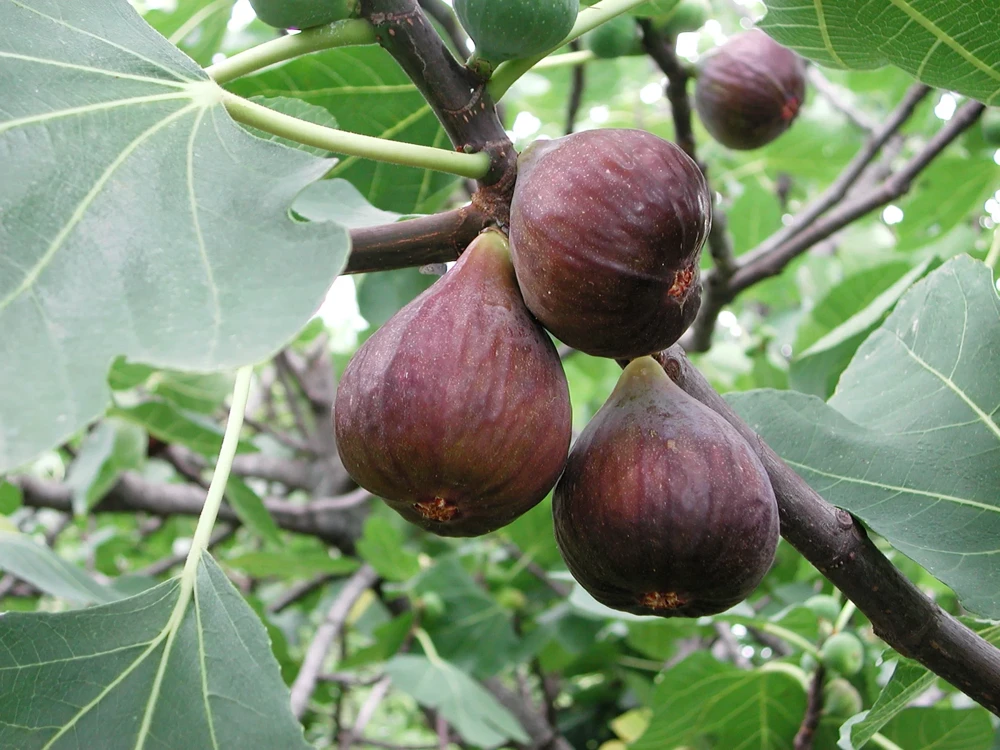
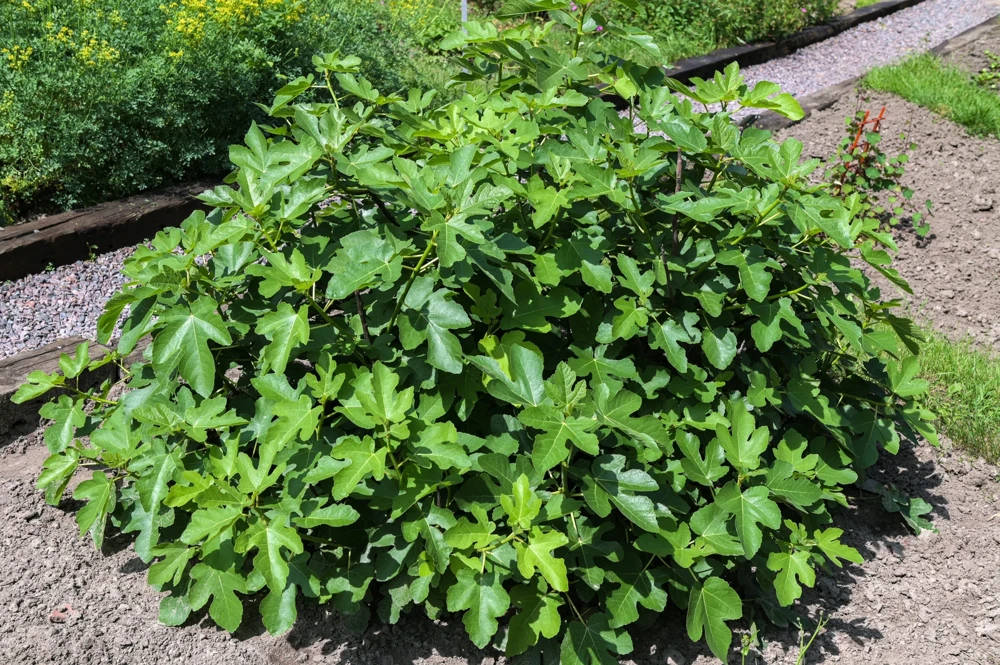
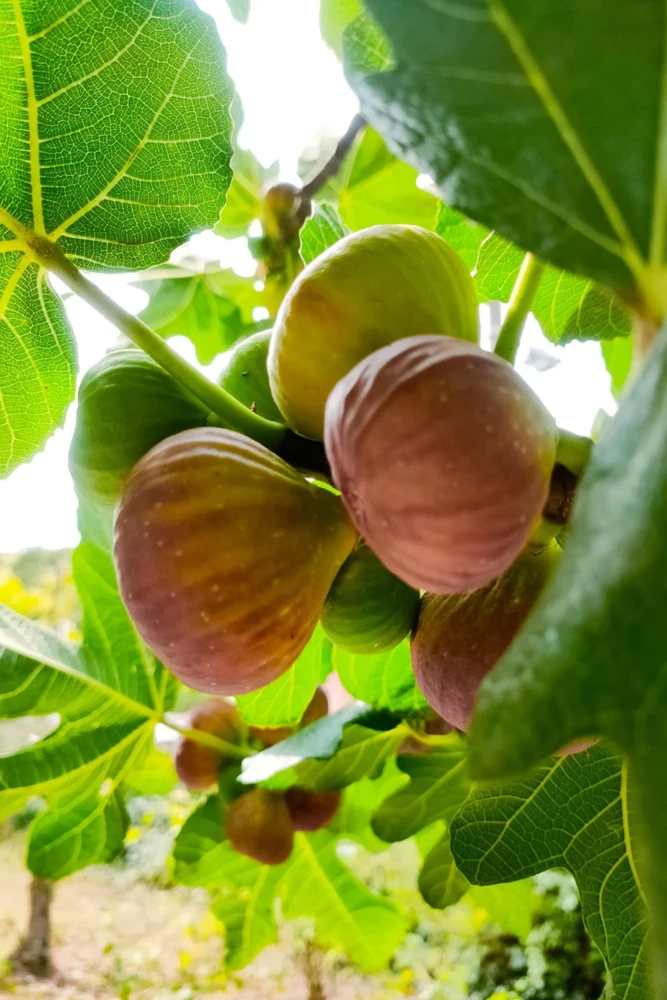
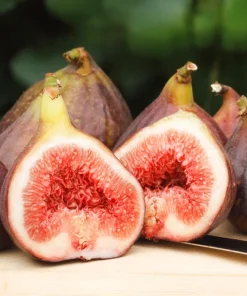
Embark on a rewarding gardening journey with our premium selection of edible fig tree seeds. Each packet contains 30 high-quality Ficus Carica seeds, offering you the opportunity to cultivate your very own fig trees from scratch. The Ficus Carica, commonly known as the common fig, is a species of flowering plant in the mulberry family, native to the Mediterranean and western Asia. These seeds promise to grow into beautiful trees that yield succulent, sweet fruits characterized by their distinctive purple-brown skin and delightful pink flesh. Growing your own figs ensures a fresh, organic supply right from your garden, offering a unique and satisfying experience for both novice and experienced gardeners.
Our edible fig tree seeds are carefully selected to ensure viability and robust growth. Figs are not only delicious but also a symbol of abundance and prosperity, making them a wonderful addition to any home garden or orchard. Imagine harvesting your own plump, juicy figs for fresh eating, jams, or desserts. This is an excellent way to connect with nature and enjoy the fruits of your labor, quite literally. Start your fig-growing adventure today and transform your outdoor space into a productive and beautiful haven.
Key Benefits
Growing fig trees from seed offers a multitude of benefits, from the joy of cultivation to the delicious harvest. Here are some of the prime advantages:
- Fresh & Organic Produce: Enjoy the unparalleled taste of freshly picked figs, free from pesticides and chemicals. Growing your own edible fig tree seeds allows you to control the entire growth process, ensuring a healthy and natural fruit.
- Economical & Abundant Harvest: Once established, fig trees are prolific producers, providing a bountiful harvest year after year. Starting with Ficus carica seeds is a cost-effective way to establish a productive orchard or garden.
- Versatile Culinary Uses: Figs are incredibly versatile and can be enjoyed fresh, dried, or used in a variety of culinary applications, including jams, pastries, salads, and savory dishes. The sweet, unique flavor of your home-grown figs will elevate any meal.
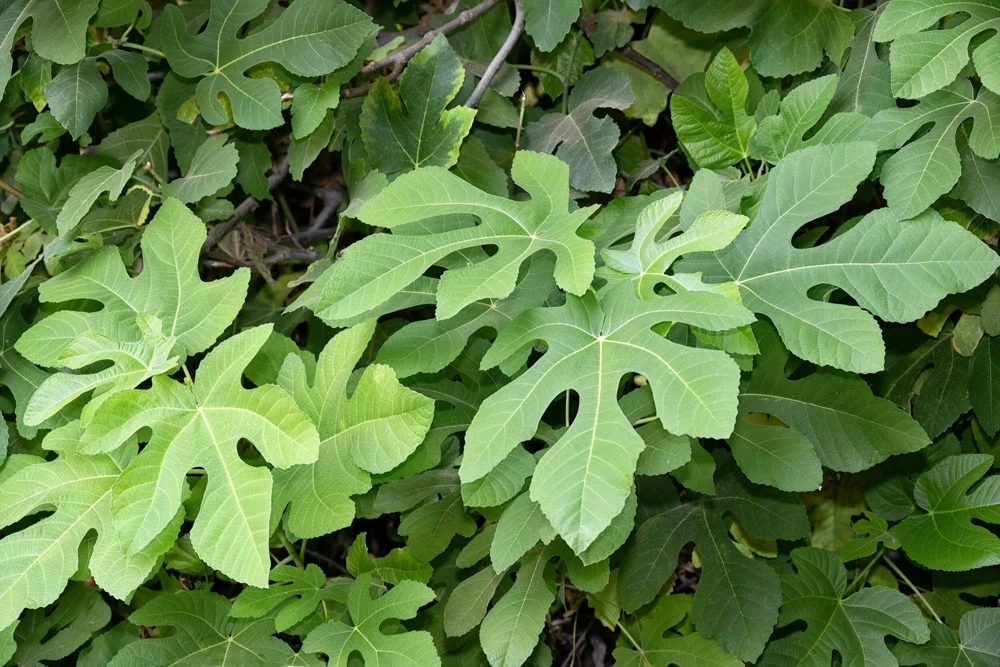
- Ornamental Value: Beyond their delicious fruit, fig trees are attractive plants with large, lobed leaves that add a touch of Mediterranean charm to any landscape. They can be grown as standalone trees, espaliers, or even in large containers.
- Health Benefits: Figs are rich in fiber, vitamins, and minerals, contributing to a healthy diet. They are known for their digestive benefits and are a good source of antioxidants. Cultivating fig fruit seeds means a healthier lifestyle for you and your family.
- Rewarding Gardening Experience: There’s immense satisfaction in watching a plant grow from a tiny seed into a fruit-bearing tree. This project provides a fulfilling connection to nature and a sense of accomplishment.
- Adaptable Growth: While preferring warmer climates, certain fig varieties can be grown in cooler zones with proper care and protection, making them a surprisingly adaptable choice for many gardeners looking to grow fig tree from seed.
Plant Care & Growing Tips
Successfully growing fig trees from edible fig tree seeds requires attention to several key factors. Figs thrive in warm, sunny climates but can be adapted to various conditions with proper care. Start your seeds indoors 8-10 weeks before the last frost date in your area. Use a high-quality seed-starting mix in trays or small pots. Sow the tiny seeds very shallowly, barely covering them with a fine layer of soil. Keep the soil consistently moist but not waterlogged, and maintain a temperature of 70-80°F (21-27°C) for optimal germination. A humidity dome or plastic wrap can help retain moisture.
Once seedlings emerge, provide them with plenty of bright light, either from a south-facing window or under grow lights. Gradually acclimate young fig plants to outdoor conditions over a week or two before transplanting them to their permanent location. Fig trees prefer a location with at least 8 hours of direct sunlight per day. They thrive in well-draining soil with a pH between 6.0 and 6.5. Amend heavy clay soils with organic matter to improve drainage. While establishing, water regularly, especially during dry periods. Mature trees are more drought-tolerant but will produce better fruit with consistent moisture. Fertilize young trees with a balanced fertilizer in spring and early summer. Protect young trees from frost in colder climates by covering them or bringing container-grown plants indoors. Proper pruning helps maintain shape, encourages fruit production, and removes dead or diseased branches. Understanding how to care for your Ficus carica seeds from germination to maturity is crucial for a successful harvest of delicious purple fig seeds.
Size & Details
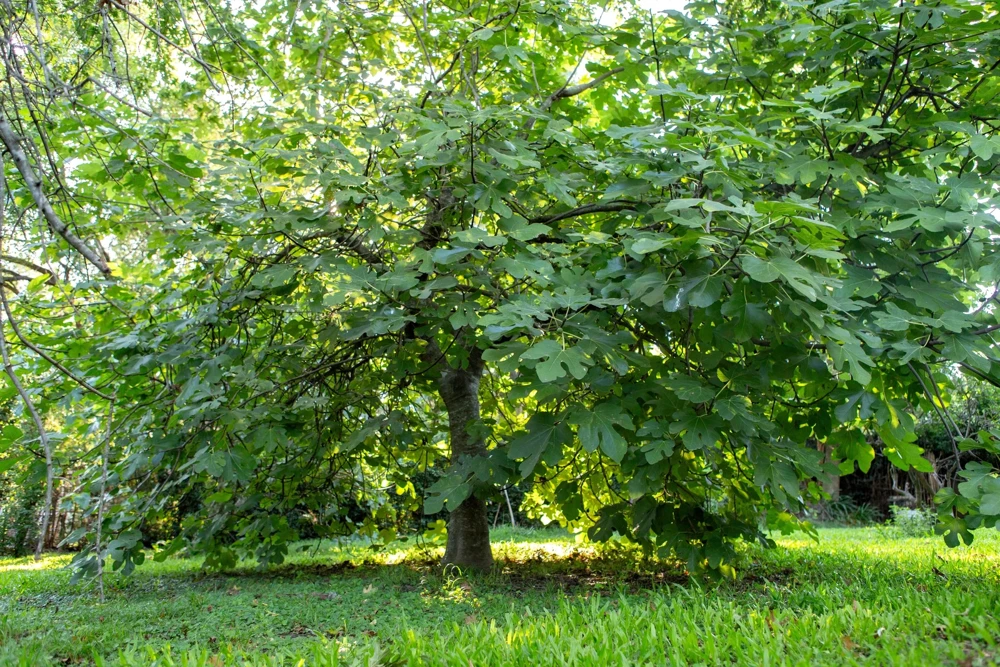
This product includes 30 high-quality edible fig tree seeds (Ficus Carica). These seeds are small and require careful handling during planting. When mature, a fig tree typically grows to a height of 10-30 feet (3-9 meters) with a similar spread, depending on the variety and growing conditions. However, they can be pruned to remain smaller, especially when grown in containers. The growth rate is moderate, and trees can begin producing fruit within 2-3 years from seed, reaching full productivity in 5-7 years. Each seed has the potential to grow into a robust tree capable of yielding numerous delicious figs with characteristic purple-brown skin and sweet pink flesh. The seeds are shipped in a protective packet to ensure their viability upon arrival, ready for you to begin your journey to grow fig tree from seed.
Frequently Asked Questions
- Q: How big do these fig trees get? A: A fig tree grown from these edible fig tree seeds can typically reach a height of 10-30 feet and a similar spread, depending on the variety and how it’s pruned. They can be kept smaller with regular trimming or by growing them in large containers.
- Q: What is the best way to start these fig tree seeds? A: It’s best to start Ficus carica seeds indoors in a seed-starting mix, barely covering them with soil. Maintain a warm temperature (70-80°F) and consistent moisture, ideally with a humidity dome, for optimal germination.
- Q: How much sunlight does a fig tree need? A: Fig trees thrive in full sun, requiring at least 8 hours of direct sunlight per day to produce the best fruit. Choose a sunny location in your garden or a bright spot if growing indoors.
- Q: Is this plant easy to care for? A: While germinating edible fig tree seeds requires some patience, mature fig trees are generally considered relatively easy to care for, especially in suitable climates. They are quite hardy once established and can tolerate some neglect.
- Q: When is the best time to plant fig seeds? A: The best time to start your fig fruit seeds indoors is 8-10 weeks before your last anticipated frost date in spring. This gives the seedlings enough time to grow before being transplanted outdoors.
- Q: Will these fig trees produce fruit with purple-brown skin? A: Yes, these purple fig seeds are from a variety known for producing figs with distinctive purple-brown skin and sweet, pink flesh. You can look forward to harvesting these unique and delicious fruits.
- Q: What kind of soil is best for fig trees? A: Fig trees prefer well-draining soil with a slightly acidic to neutral pH (6.0-6.5). If your soil is heavy clay, amend it with organic matter to improve drainage and aeration for healthy root development.
- Q: Can I grow a fig tree in a pot? A: Absolutely! Fig trees are well-suited for container growing, especially in regions with colder winters where they can be moved indoors. Choose a large pot with good drainage and ensure it receives plenty of sunlight.
- Q: How long does it take for a fig tree to produce fruit from seed? A: A fig tree grown from these edible fig tree seeds typically begins to produce fruit within 2-3 years, reaching full productivity around 5-7 years. Patience is key, but the reward is well worth the wait.
- Q: Are these Ficus carica seeds suitable for all climates? A: While figs prefer warmer climates, the Ficus Carica species is quite adaptable. In colder zones, gardeners often grow them in containers to allow for indoor protection during winter, or select cold-hardy varieties.
Be the first to review “Edible Fig Tree Seeds – Ficus Carica – 30 Seeds – Purple Brown Fruit”
People Also Viewed

Uncategorized
Chamaecyparis nootkatensis Variegated Weeping Alaskan Cedar- 6-12″ Height- #1 Container Size

Reviews
There are no reviews yet.