
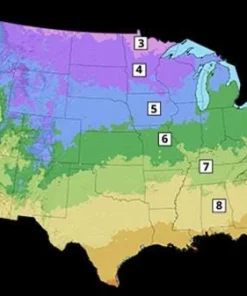
American Elderberry Live Plant – Rooted Starter – Zones 4-9 – Fruit Bearing Shrub
Original price was: $56.99.$41.99Current price is: $41.99.
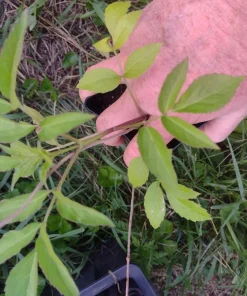
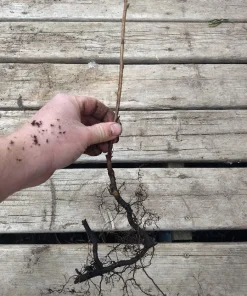
Cultivate your own delicious berries with this American elderberry live plant. A healthy, rooted starter plant perfect for zones 4-9, it will mature into a fruit-bearing shrub, providing versatile berries for culinary uses like jams and wines.
Estimated arrival
Sep 17
Sep 22 - Sep 24
Sep 27 - Oct 01
Shop With Confidence
30-Day Plant Health Guarantee
Arrives damaged? We’ll replace it free — see our return policy.
Responsive Support
Email us anytime, we reply within 1 business day.
Expert Packaging
Temperature-controlled shipping to protect your plants in transit.
Secure Checkout
Pay safely with Visa, Mastercard, PayPal.
Plant Specifications
-
USDA Hardiness Zone
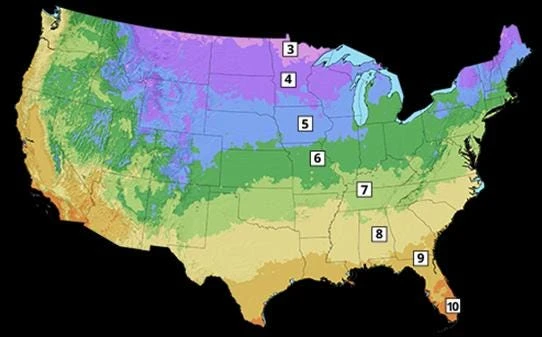
USDA Zones 4-9 -
Soil Type
Moist, fertile, well-draining soil -
Sunlight Exposure
Full sun to partial shade -
Expected Planting Period
Spring to early summer
Overview
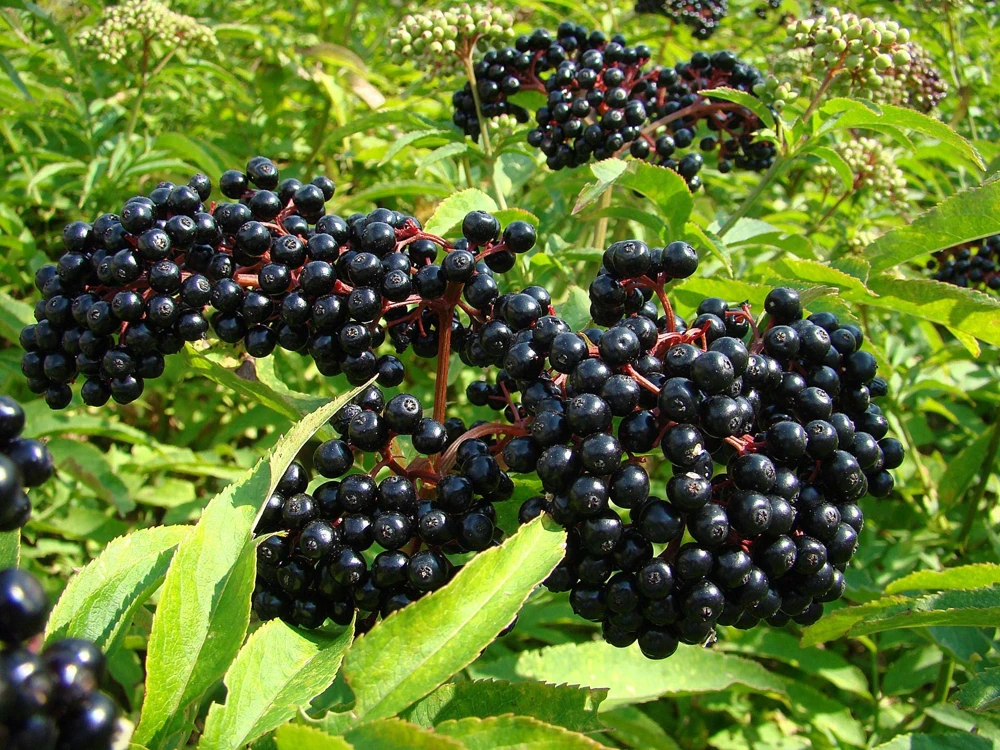
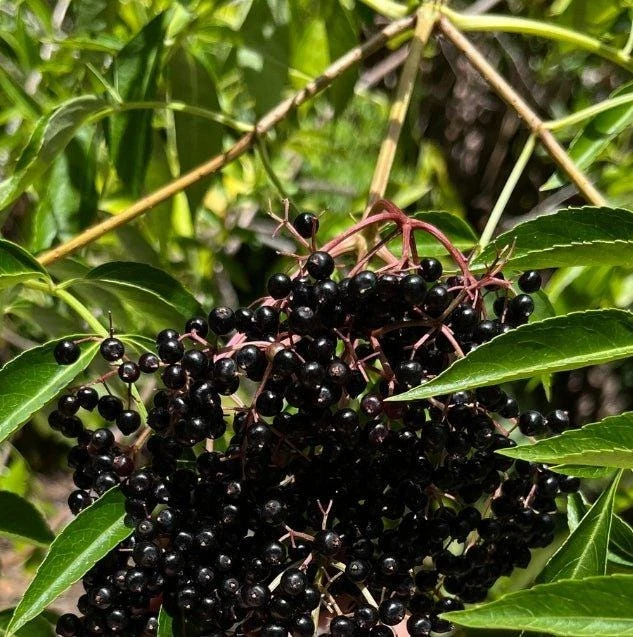
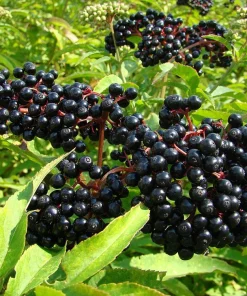
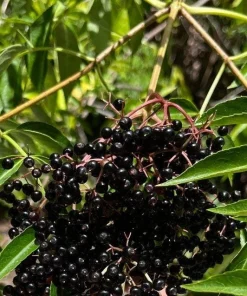
Bring the beauty and bounty of nature to your garden with this vibrant American elderberry live plant. This rooted starter plant is ready to establish itself in your landscape, promising years of fragrant white flowers and an abundance of purple-black berries. Known scientifically as Sambucus canadensis, the American Elderberry is a robust and rewarding shrub, perfect for gardeners looking to add an edible and ornamental plant to their property. It’s a fantastic choice for those interested in sustainable gardening and foraging, offering both aesthetic appeal and a generous harvest. This plant is a true multi-tasker, providing food for wildlife, beautiful blossoms, and delicious fruit for human consumption, making it a valuable addition to any garden.
The American elderberry live plant is highly adaptable and can thrive across a wide range of climates, specifically suited for growing elderberry zones 4-9. These plants are known for their resilience and relatively fast growth, quickly developing into substantial shrubs that can reach impressive heights. Whether you’re an experienced gardener or just starting, this elderberry offers an exciting opportunity to grow a plant with historical significance and numerous practical uses. Prepare to enjoy the delightful cycle of blooms, fruit development, and harvest that this versatile plant brings to your home.
Key Benefits
The American elderberry live plant offers a multitude of benefits, making it an excellent choice for any garden. From its ornamental value to its practical uses, this shrub is a true garden gem.
- Abundant Fruit Production: Once established, your elderberry will produce copious amounts of dark purple-black berries, perfect for a variety of culinary applications. You’ll be harvesting berries in late July through September.
- Culinary Versatility: The berries are highly prized for making delicious jams, jellies, pies, and wines. They can also be used in smoothies and other cooked dishes, offering a unique flavor profile. For those interested in elderberry for jams, this plant is an ideal source.
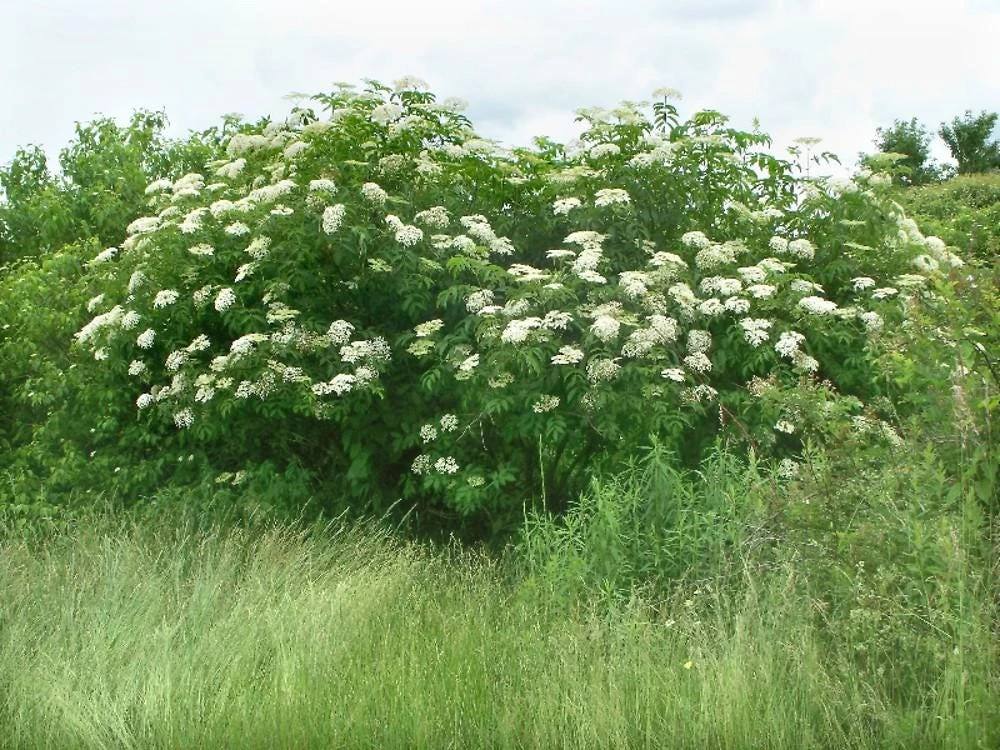
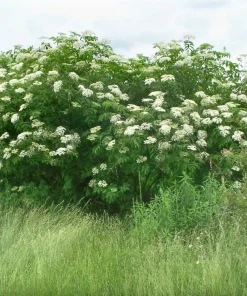
- Fragrant Flowers: In late spring to early summer, the plant boasts clusters of delicate white, fragrant flowers. These can also be used in cooking, often battered for pancakes or waffles, adding a subtle, sweet aroma.
- Wildlife Attractor: The berries are a favorite food source for various bird species and other small mammals, contributing to local biodiversity and creating a lively garden ecosystem.
- Low Maintenance: Once established, the American Elderberry is relatively easy to care for, requiring minimal attention beyond periodic pruning to encourage new growth and fruiting.
- Hardy and Adaptable: This plant is incredibly resilient, thriving in a broad range of climates, particularly well-suited for growing elderberry zones 4-9, making it a reliable choice for many gardeners.
- Natural Pesticide-Free Growth: Our plants are grown without the use of pesticides, ensuring a natural and healthy start for your garden.
Plant Care & Growing Tips
Caring for your American elderberry live plant is straightforward, ensuring a healthy and productive shrub for years to come. These robust plants prefer moist, fertile soils, mimicking their natural habitat in the eastern and midwestern United States. Ensure your planting site has good drainage to prevent waterlogging, which can be detrimental to root health. While elderberries are adaptable, they perform best when given the right conditions.
For optimal growth and fruit production, elderberries require full sun to partial shade. In hotter climates, some afternoon shade can be beneficial. Water regularly, especially during dry spells and in the plant’s first year of establishment, to keep the soil consistently moist. Fertilization can be done annually in spring with a balanced, organic fertilizer to support vigorous growth and berry development. This plant is hardy in growing elderberry zones 4-9, making it suitable for a large portion of the US. Pruning is essential; periodic pruning helps maintain the plant’s shape, encourages new growth, and enhances fruit yield, as berries typically form on two-year-old shoots. Address any signs of pests or diseases promptly, though elderberries are generally quite resistant. Understanding elderberry plant care is key to a thriving shrub.
Size & Details
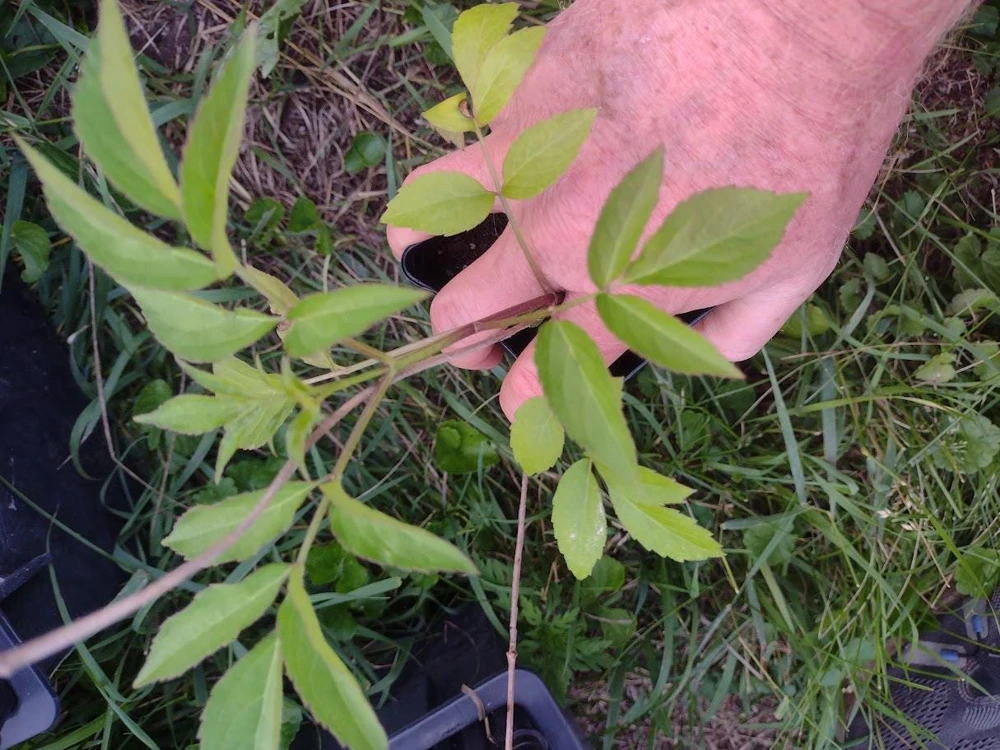
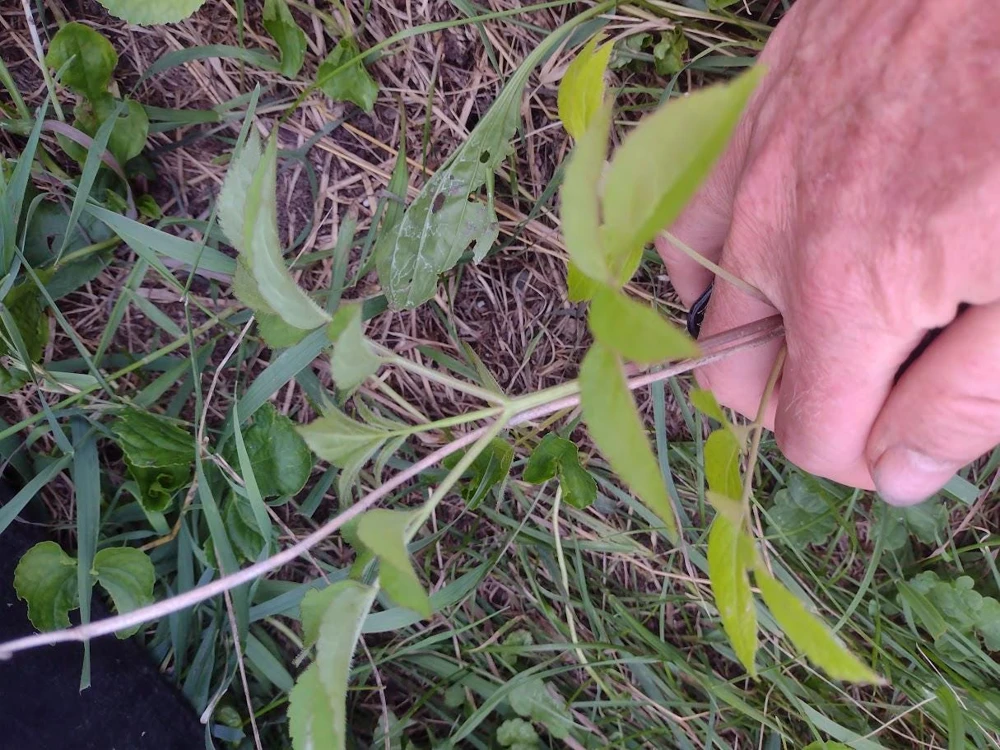
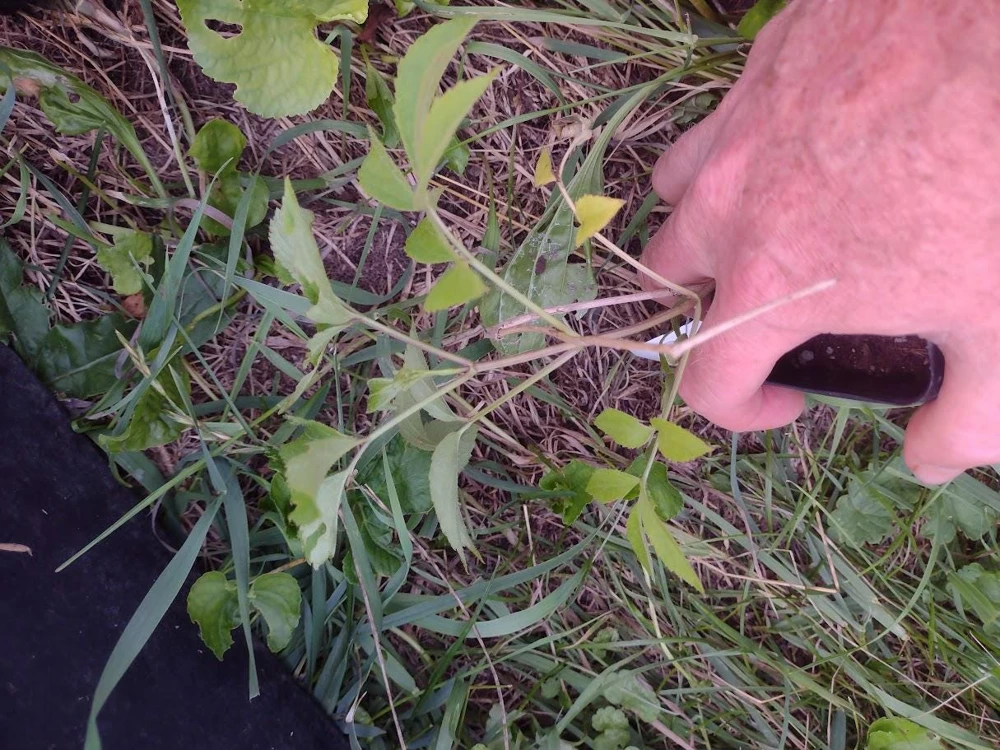
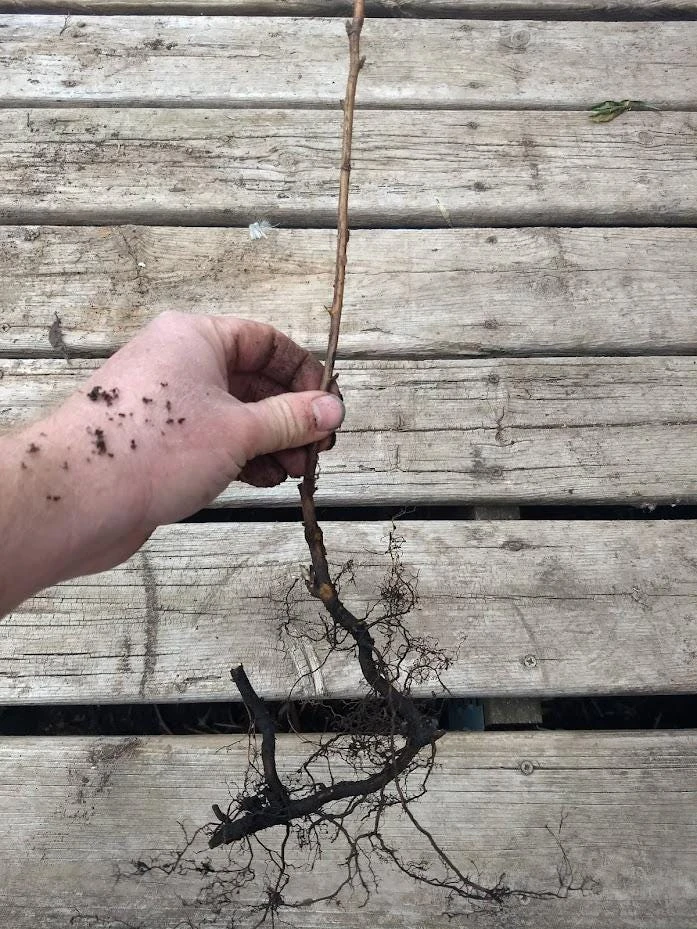
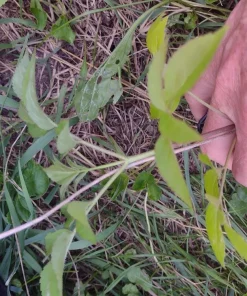
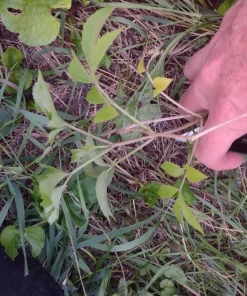
You will receive one healthy, rooted starter plant, carefully prepared for shipping. These plants are taken out of their growing pot for transport and securely packaged in a box to ensure their protection during transit. While your specific plant’s size may vary slightly upon arrival, elderberries grow quickly once planted. The mature American elderberry live plant can reach an impressive height of 5-12 feet and spread equally wide, forming a substantial and attractive shrub. It typically takes 1-2 years before fruiting begins, with two-year-old shoots being the most productive. Planting multiple shrubs can lead to better pollination and a more bountiful harvest.
The berries ripen from late July through September, offering a sustained harvest period. Each berry contains 3-5 seeds, naturally dispersed by birds and mammals. The plant’s white, fragrant flowers appear earlier in the season. With proper care, your elderberry will quickly establish itself and become a prominent feature in your garden, providing both beauty and a valuable food source. The historical use of larger stems for arrows highlights the plant’s sturdy nature, making it a resilient choice for your landscape.
Frequently Asked Questions
- Q: How big will my American elderberry live plant get? A: A mature American elderberry live plant typically reaches a height of 5-12 feet and can spread equally wide, forming a substantial shrub. The size you receive will be a rooted starter plant, ready to grow.
- Q: Is this an indoor or outdoor plant? A: The American Elderberry is an outdoor plant, best suited for garden beds, hedges, or naturalized areas where it has space to grow. It thrives in outdoor conditions within its hardiness zones.
- Q: How much sunlight does the elderberry plant need? A: Elderberries prefer full sun to partial shade. In regions with intense summer heat, some afternoon shade can protect the plant from stress.
- Q: What condition will the plant arrive in? A: Your American elderberry live plant will arrive as a rooted starter plant, carefully removed from its growing pot and packaged to protect it during shipping. It will be ready for planting upon arrival.
- Q: Can I eat the berries raw? A: No, it is not recommended to eat elderberries raw. The berries must be cooked before consumption to neutralize compounds that can cause stomach upset. Once cooked, they are safe and delicious.
- Q: How long until my elderberry plant produces fruit? A: You can typically expect your American elderberry live plant to begin fruiting in 1-2 years after planting, with the most productive berries growing on two-year-old shoots.
- Q: What USDA zones are suitable for growing this elderberry? A: This elderberry is well-suited for growing elderberry zones 4-9, making it a hardy and adaptable choice for a wide range of climates across the United States.
- Q: Is this plant good for beginners? A: Yes, the American Elderberry is relatively easy to care for and is a great choice for beginner gardeners due to its hardiness and adaptability once established.
- Q: What kind of soil does it prefer? A: This plant prefers moist, fertile, and well-draining soils. It can tolerate a variety of soil types but thrives best when these conditions are met.
- Q: What can I make with elderberries? A: Elderberries are incredibly versatile! They are excellent for making jams, jellies, syrups, pies, and wines. Many people enjoy elderberry for jams, and the juice can be mixed with apples for an outstanding jelly.
Be the first to review “American Elderberry Live Plant – Rooted Starter – Zones 4-9 – Fruit Bearing Shrub”
People Also Viewed
Vegetable Seeds
100 Lady Cowpea Seeds – White Lady Finger Bean Vegetable Seeds
Reviews
There are no reviews yet.