
Cortinarius Violaceus Fungus Organic Seeds – Dark Purple Houseplant Seeds
Original price was: $55.99.$35.99Current price is: $35.99.
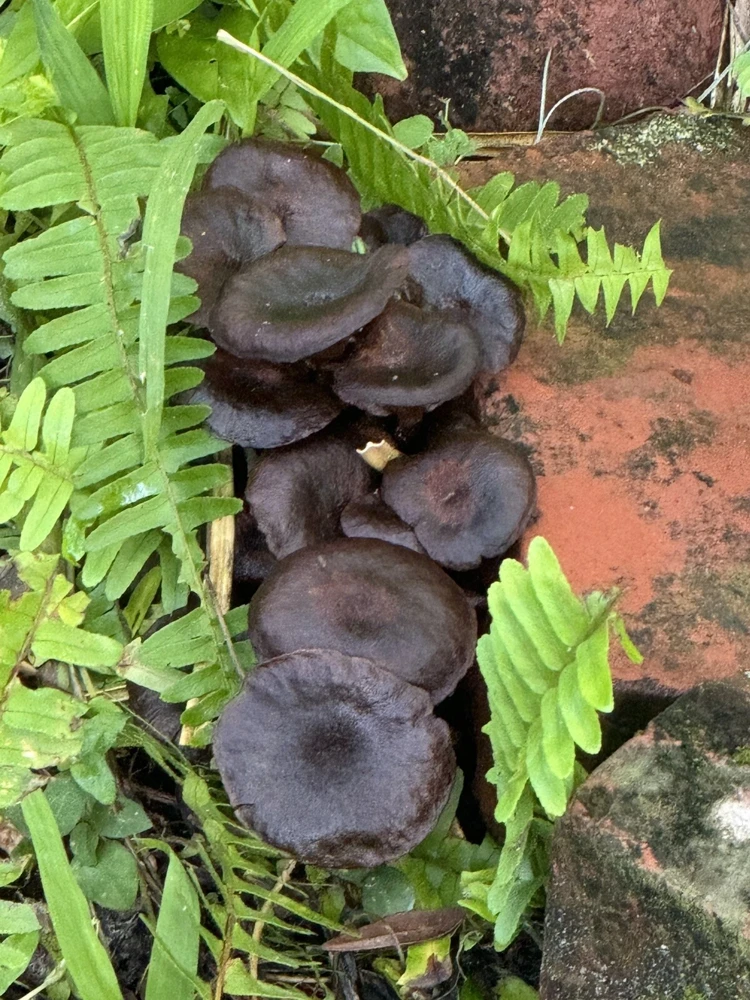
Cultivate the stunning Cortinarius violaceus fungus organic seeds to grow unique dark purple specimens. Perfect for adding an unusual and captivating element to your indoor plant collection, these seeds promise a rewarding growing experience.
Estimated arrival
Oct 27
Nov 01 - Nov 03
Nov 06 - Nov 10
Shop With Confidence
30-Day Plant Health Guarantee
Arrives damaged? We’ll replace it free — see our return policy.
Responsive Support
Email us anytime, we reply within 1 business day.
Expert Packaging
Temperature-controlled shipping to protect your plants in transit.
Secure Checkout
Pay safely with Visa, Mastercard, PayPal.
Plant Specifications
-
USDA Hardiness Zone
unknown (indoor cultivation) -
Soil Type
sterile organic substrate (e.g., wood chips, sawdust) -
Sunlight Exposure
indirect light, avoid direct sun -
Expected Planting Period
year-round indoors
Overview
Embark on a fascinating botanical journey with Cortinarius violaceus fungus organic seeds. This unique offering allows you to cultivate the distinctive Dark Purple Cortinarius violaceus, a species known for its striking coloration and intriguing form. Unlike typical houseplants, growing fungus from seeds provides a truly hands-on and educational experience, culminating in a visually stunning addition to your indoor environment. The Cortinarius violaceus, also known as the Violet Cortinarius, is a captivating fungus that will undoubtedly become a focal point in any collection. These organic houseplant fungus seeds are carefully sourced, ensuring you receive a high-quality product ready for cultivation.
The allure of the Cortinarius violaceus lies in its deep, rich purple hues, which are uncommon in the plant kingdom. Growing this fungus from seed is a rewarding process that allows you to observe its life cycle from the very beginning. Whether you are an experienced mycophile or a novice gardener looking for something truly different, these Cortinarius violaceus fungus organic seeds provide an exciting opportunity to explore the world of fungi in your own home. Prepare to be amazed by the intricate beauty and vibrant color that this unique organism brings to your space.
Key Benefits
Cultivating Cortinarius violaceus fungus organic seeds offers a range of unique benefits for both the grower and the indoor environment. This extraordinary fungus is more than just a visual spectacle; it provides an engaging and educational experience that enriches your understanding of natural ecosystems.
- Unique Aesthetic Appeal: The most striking benefit is the unparalleled visual impact of the dark purple fruiting bodies. This fungus introduces a rare and vibrant color palette into your indoor garden, creating a captivating focal point that is sure to draw attention and admiration.
- Educational Growing Experience: Growing organic houseplant fungus from seed offers a hands-on learning opportunity, allowing you to observe the life cycle of a unique organism from germination to maturity. It’s an excellent project for curious minds and aspiring botanists.
- Conversation Starter: A fully grown Cortinarius violaceus is an unusual and intriguing specimen, guaranteed to spark conversations and curiosity among guests. It’s a distinctive addition that sets your plant collection apart.
- Supports Biodiversity at Home: While not a plant, cultivating fungi contributes to the diversity of life you can nurture indoors, offering a broader perspective on biological forms and functions beyond traditional horticulture.
- Relatively Low Maintenance: Once established, the care requirements for Cortinarius violaceus can be straightforward, making it an accessible project for those new to growing fungi, especially when following specific guidelines for Cortinarius violaceus cultivation.
- Sustainable Sourcing: These dark purple fungus seeds are sourced organically, ensuring that your cultivation efforts support environmentally friendly practices and contribute to a healthier indoor ecosystem.
Plant Care & Growing Tips
Successful Cortinarius violaceus cultivation from organic seeds requires attention to specific environmental conditions to mimic its natural habitat. While these are not traditional plant seeds, the principles of providing a suitable substrate and controlled environment are key. Begin by preparing a sterile, nutrient-rich substrate, often a mix of wood chips, sawdust, or other organic matter that naturally supports fungal growth. Ensure the substrate is well-hydrated but not waterlogged, as excessive moisture can lead to mold or bacterial contamination.
Temperature and humidity are critical factors for growing dark purple fungus seeds. Maintain a consistent temperature, typically between 60-70°F (15-21°C), and high humidity, around 85-95%. This can be achieved using a humidity dome or by misting the growing environment regularly. While light is not directly used for photosynthesis by fungi, some indirect light can be beneficial for fruiting body development, but avoid direct sunlight. Air exchange is also important; ensure good ventilation to prevent stale air accumulation, which can inhibit growth. Be vigilant for any signs of contamination and isolate affected areas immediately.
Fertilization for fungi differs significantly from plants. Instead of traditional fertilizers, the substrate itself provides the necessary nutrients. You may need to supplement with specific fungal growth enhancers if your substrate is not sufficiently rich. Patience is key; the germination and mycelial growth phase can take several weeks or even months. Once the mycelium has colonized the substrate, fruiting bodies of the organic houseplant fungus will begin to form, eventually revealing their characteristic dark purple caps. Understanding these specific needs will greatly improve your chances of cultivating beautiful Cortinarius violaceus specimens.
Size & Details
The Cortinarius violaceus fungus organic seeds will eventually develop into mature fruiting bodies, typically reaching a cap diameter of 2-6 inches (5-15 cm) and a stem height of 2-5 inches (5-12 cm). The exact size can vary depending on environmental conditions and the specific substrate used during Cortinarius violaceus cultivation. These seeds are provided in a dried, dormant state, ready for rehydration and inoculation onto a suitable growing medium. Expect the initial mycelial colonization to take several weeks, with fruiting bodies appearing some weeks or months after successful colonization, depending on optimal conditions. This unique houseplant offers a truly distinct growth cycle.
These are not traditional plant seeds but spores or mycelial fragments designed for propagation. The package contains a sufficient quantity of propagation material to initiate a thriving culture of this dark purple fungus seeds. The growth rate is moderate, allowing for a prolonged observation period of its development. The ultimate form will be a striking, dark purple mushroom, adding an element of natural wonder to any indoor setting. This offering is for the propagation material only, and not a live, pre-grown fungus.
Frequently Asked Questions
- Q: How big does this fungus get? A: The fruiting bodies of the Cortinarius violaceus typically reach a cap diameter of 2-6 inches (5-15 cm) and a stem height of 2-5 inches (5-12 cm) when mature under optimal conditions.
- Q: Is this an indoor or outdoor fungus? A: While Cortinarius violaceus grows naturally outdoors, these Cortinarius violaceus fungus organic seeds are specifically intended for controlled indoor cultivation, allowing for optimal conditions and observation.
- Q: How much sunlight does it need? A: Fungi do not require sunlight for photosynthesis. Indirect light can be beneficial during the fruiting phase, but direct sunlight should be avoided. A dim, consistent environment is generally preferred.
- Q: Is this fungus easy to care for? A: Cultivating fungus from spores or mycelial fragments like these requires specific conditions for success, including sterile substrate, high humidity, and consistent temperature. It can be more challenging than growing traditional plants but is very rewarding.
- Q: What condition will the seeds arrive in? A: The dark purple fungus seeds (spores/mycelial fragments) will arrive in a dried, dormant state, ready for you to inoculate onto your prepared growing medium.
- Q: What’s the best time to plant these seeds? A: Since these are for indoor cultivation, they can be ‘planted’ (inoculated) year-round, as long as you can maintain the necessary environmental conditions.
- Q: What type of soil or substrate is best for Cortinarius violaceus cultivation? A: A sterile, organic substrate such as wood chips, sawdust, or a specialized fungal growing medium is ideal for cultivating organic houseplant fungus like Cortinarius violaceus.
- Q: Can I use this fungus for culinary purposes? A: No, Cortinarius violaceus is generally considered inedible and potentially toxic. It should only be grown for ornamental and educational purposes.
- Q: How long does it take for the fungus to grow? A: Mycelial colonization can take several weeks, and the development of fruiting bodies can occur weeks or months after, depending on the conditions provided for the Cortinarius violaceus fungus organic seeds.
- Q: Is this fungus pet-safe? A: Given that many fungi can be toxic, it is best to assume Cortinarius violaceus is not pet-safe and keep it out of reach of pets and children.
Be the first to review “Cortinarius Violaceus Fungus Organic Seeds – Dark Purple Houseplant Seeds”
People Also Viewed
Vegetable Seeds
210 Russet Potato Seeds for Planting – Heirloom Vegetable Seeds
Flower Plants
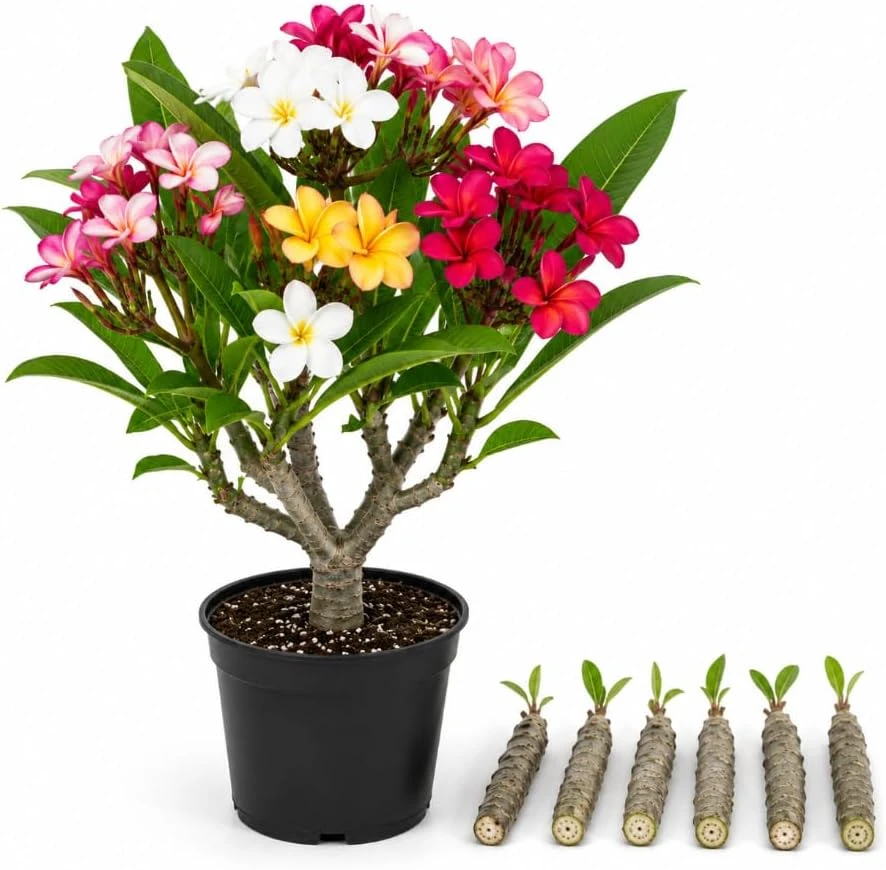
Set of 6 Plumeria Plant Cuttings – Mixed Frangipani Tropical Flower Varieties for Garden & Pots
Succulents
Variegated Bear Paw Succulent Live Plant – Cotyledon tomentosa variegata – 2 Inch or 4 Inch Pot
Reviews
There are no reviews yet.