
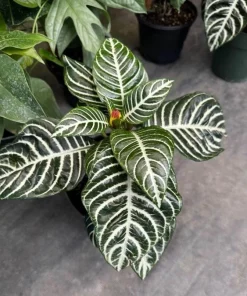
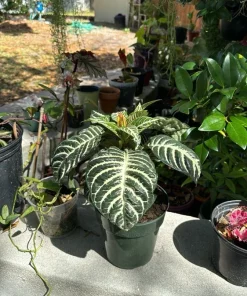
Zebra Plant Live Houseplant – Aphelandra squarrosa – Indoor Foliage Plant
Original price was: $77.99.$57.99Current price is: $57.99.
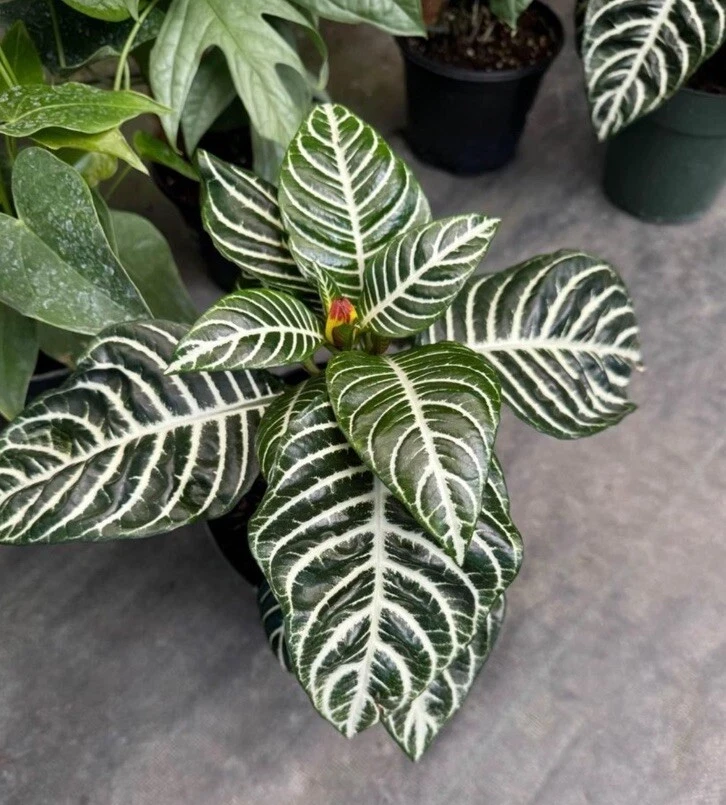
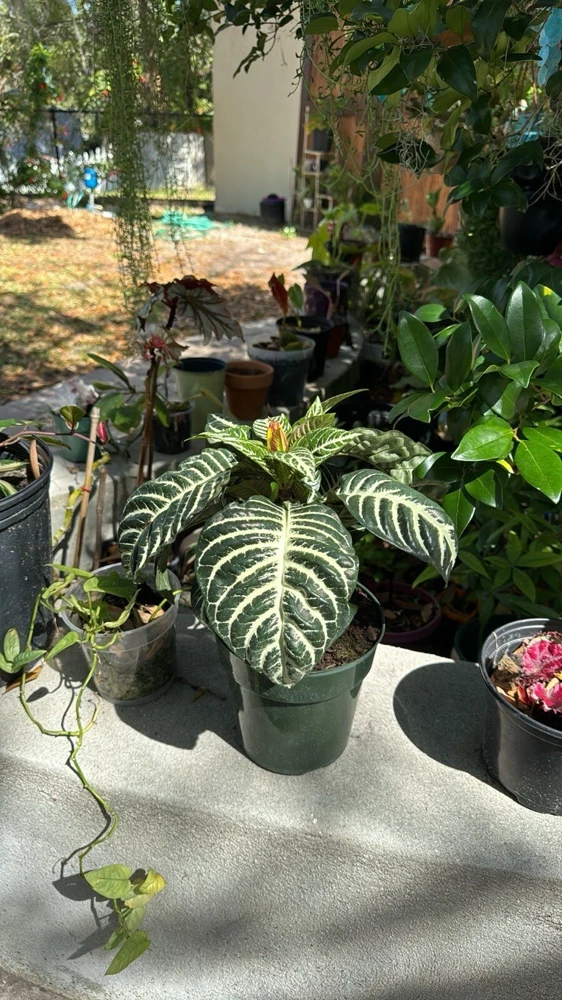
Bring exotic beauty indoors with a zebra plant live houseplant. This stunning Aphelandra squarrosa features striking dark green leaves with prominent white or yellow veins, creating a dramatic striped effect. It’s a fantastic choice for adding a tropical flair and unique texture to your home decor.
Estimated arrival
Oct 27
Nov 01 - Nov 03
Nov 06 - Nov 10
Shop With Confidence
30-Day Plant Health Guarantee
Arrives damaged? We’ll replace it free — see our return policy.
Responsive Support
Email us anytime, we reply within 1 business day.
Expert Packaging
Temperature-controlled shipping to protect your plants in transit.
Secure Checkout
Pay safely with Visa, Mastercard, PayPal.
Plant Specifications
-
USDA Hardiness Zone
USDA zones 10-12 (as an outdoor plant in tropical regions, otherwise indoor) -
Soil Type
Well-draining, peat-based potting mix -
Sunlight Exposure
Bright indirect light -
Expected Planting Period
Year-round indoors
Overview
Transform your living space with the vibrant and unique beauty of the zebra plant live houseplant. Also known by its botanical name, Aphelandra squarrosa, this enchanting tropical plant is celebrated for its truly distinctive foliage. Each dark green leaf is boldly striped with bright white or yellow veins, resembling the stripes of a zebra, which gives the plant its common and captivating name. Originating from the rainforests of Brazil, the zebra plant brings an exotic touch to any indoor environment, making it a popular choice for plant enthusiasts seeking something truly eye-catching. This live plant is not just a visual delight; it also contributes to a more vibrant and natural indoor atmosphere, making it a fantastic addition to your collection. The striking contrast of its leaves ensures it stands out, whether placed on a desk, shelf, or as a centerpiece.
The zebra plant live houseplant is a relatively compact grower, typically reaching a modest size that makes it suitable for various indoor settings, from small apartments to larger homes. Its upright growth habit and dense foliage create a lush, full appearance. While primarily grown for its stunning leaves, mature zebra plants can also produce bright yellow-orange flower bracts in late summer or early autumn, adding another layer of visual interest. These flower spikes can last for several weeks, providing an extra burst of color. This plant is a true conversation starter and an excellent way to introduce a touch of the wild, untamed beauty of the tropics into your curated indoor garden.
Key Benefits
The zebra plant live houseplant offers a range of benefits beyond its stunning looks, making it a rewarding addition to any indoor plant collection. Its unique appearance and relatively manageable care requirements contribute to its widespread appeal.
- Exceptional Decorative Appeal: The primary benefit of the zebra plant is its unparalleled visual impact. The bold, contrasting stripes on its leaves create a dramatic focal point in any room, instantly elevating your interior decor with a touch of tropical elegance.
- Air Purification Qualities: Like many houseplants, the zebra plant live houseplant helps improve indoor air quality by absorbing common household toxins and releasing fresh oxygen. This contributes to a healthier and more pleasant living environment for you and your family.
- Compact and Manageable Size: This plant typically remains a manageable size, making it ideal for tabletops, shelves, or as a vibrant accent in smaller spaces. It won’t quickly outgrow its spot, allowing for stable placement.
- Unique Flowering Display: While known for its foliage, the zebra plant can also produce striking yellow-orange flower bracts, adding an unexpected burst of color and seasonal interest to your home.
- Boosts Mood and Well-being: Bringing nature indoors has been shown to reduce stress, improve concentration, and enhance overall mood. Caring for an indoor zebra plant can be a calming and rewarding hobby.
- Great for Gifting: Its distinctive appearance makes the zebra plant a thoughtful and impressive gift for plant lovers, housewarming parties, or anyone looking to add a unique living element to their space.
- Educational for Children: The striking patterns can also serve as an engaging way to introduce children to the wonders of diverse plant life.
Plant Care & Growing Tips
Caring for an Aphelandra squarrosa care requires attention to detail, but with the right conditions, your plant will thrive and display its stunning foliage. The key to successful zebra plant cultivation lies in mimicking its native tropical environment, providing consistent warmth, humidity, and bright, indirect light. Avoid placing your zebra plant in direct sunlight, as this can scorch its delicate leaves and fade the vibrant stripes. An east-facing window is often ideal, or a few feet away from a south or west-facing window where it receives diffused light. Insufficient light can lead to leggy growth and duller leaf coloration, so finding the right balance is crucial for a healthy, attractive plant.
Watering is another critical aspect of Aphelandra squarrosa care. The zebra plant prefers consistently moist soil, but never waterlogged. Allow the top inch of soil to dry out slightly between waterings, then water thoroughly until water drains from the bottom of the pot. Ensure your pot has drainage holes to prevent root rot. During winter months, when the plant’s growth slows, reduce watering frequency. High humidity is essential for this tropical beauty. You can increase humidity by misting the foliage regularly, placing the pot on a pebble tray filled with water (making sure the pot isn’t sitting directly in the water), or using a humidifier nearby. Dry air can lead to brown leaf tips and crispy edges, detracting from the beauty of your striped foliage plant.
For soil, a well-draining, peat-based potting mix is recommended. Fertilize your zebra plant every two to four weeks during the growing season (spring and summer) with a balanced liquid houseplant fertilizer diluted to half strength. Reduce or stop fertilizing during the dormant winter months. Maintain temperatures between 65-75°F (18-24°C) and avoid sudden temperature fluctuations or cold drafts. Pruning can be done to maintain shape and encourage bushier growth, especially after the flowering period. Watch out for common pests like spider mites and mealybugs, and treat them promptly with insecticidal soap if they appear. By following these guidelines, you can ensure your easy care houseplants remain vibrant and healthy.
Size & Details
Your zebra plant live houseplant will arrive as a healthy, established plant, ready to bring immediate tropical charm to your home. While specific dimensions can vary based on the individual plant, zebra plants typically grow to a height of 12 to 24 inches (30-60 cm) indoors, with a similar spread. Its growth rate is moderate, allowing you to enjoy its beauty without it quickly overwhelming its space. This plant is shipped in a nursery pot, ensuring its roots are protected and it’s ready for transplanting into your preferred decorative container upon arrival. The vibrant, deep green leaves with their distinctive white or yellow veins are fully developed, showcasing the plant’s signature appeal from day one.
The form it ships in is a potted plant, carefully packed to minimize stress during transit. While primarily grown for its stunning foliage, with optimal care, you can expect to see the striking yellow-orange flower bracts emerge, typically in late summer or early fall. These flower spikes can add an extra dimension of beauty for several weeks. This indoor zebra plant is a fantastic choice for adding continuous visual interest and a touch of the exotic to your living environment, making it a cherished part of your indoor garden for years to come. Its distinctive appearance makes it a standout amongst other houseplants.
Frequently Asked Questions
- Q: How big does this zebra plant live houseplant get? A: Indoors, the zebra plant typically grows to about 1 to 2 feet (30-60 cm) in height and spread. Its compact size makes it suitable for tabletops and shelves, adding a vibrant accent without taking up too much space.
- Q: Is this an indoor or outdoor plant? A: The zebra plant is primarily grown as an indoor zebra plant in most climates due to its tropical origins. It thrives in warm, humid indoor environments and is not frost-tolerant. It can be moved outdoors in shaded areas during warm summer months in suitable climates.
- Q: How much sunlight does the zebra plant need? A: This plant prefers bright, indirect light. Direct sunlight can scorch its leaves and fade its vibrant colors. An east-facing window or a spot a few feet away from a south or west-facing window with filtered light is ideal for optimal growth and foliage color.
- Q: Is this plant good for beginners? A: While not the absolute easiest houseplant, the zebra plant can be managed by attentive beginners. Its main requirements are consistent humidity and proper watering. Once these are understood, Aphelandra squarrosa care becomes quite straightforward.
- Q: What condition will it arrive in? A: Your zebra plant will arrive as a healthy, established live plant in a nursery pot. It will be carefully packaged to ensure it withstands transit and arrives ready to be placed in its new home.
- Q: How often should I water my striped foliage plant? A: Water when the top inch of soil feels dry to the touch. Ensure the pot has good drainage. Overwatering can lead to root rot, while underwatering can cause leaves to droop. Consistent moisture, not sogginess, is key.
- Q: Does the zebra plant flower? A: Yes, while primarily grown for its stunning foliage, mature zebra plants can produce striking yellow-orange flower bracts, typically in late summer or early autumn. These flowers can last for several weeks.
- Q: What kind of soil does it need? A: The zebra plant thrives in a well-draining, peat-based potting mix. Good drainage is crucial to prevent waterlogging and maintain healthy roots.
- Q: Is the easy care houseplants suitable for homes with pets? A: The Aphelandra squarrosa is considered mildly toxic if ingested by pets, potentially causing oral irritation or digestive upset. It’s best to keep it out of reach of curious pets.
- Q: How can I increase humidity for my zebra plant? A: You can increase humidity by misting the leaves regularly, placing the pot on a pebble tray filled with water, or using a room humidifier. High humidity is vital for preventing brown leaf tips on this tropical plant.
Be the first to review “Zebra Plant Live Houseplant – Aphelandra squarrosa – Indoor Foliage Plant”
People Also Viewed
Flower Seeds
Baby Blue Eyes Flower Seeds – Nemophila Menziesii – 200 Seeds – Delicate Sky-Blue Blooms


Reviews
There are no reviews yet.