
Texas Lantana Live Plant – Native Flowering Perennial – 1 Gallon Pot – Outdoor
Original price was: $58.99.$38.99Current price is: $38.99.
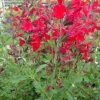
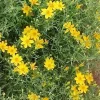
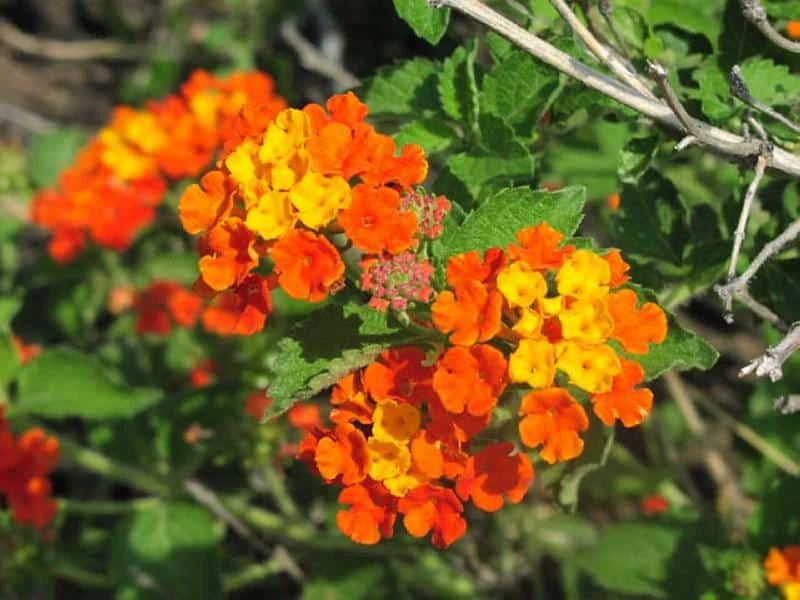
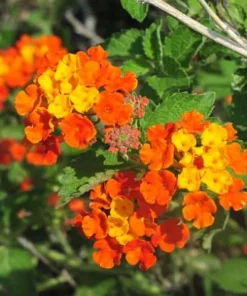
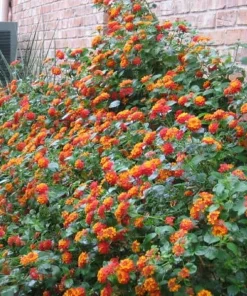
Bring vibrant color and life to your outdoor space with a Texas Lantana live plant. This robust Lantana urticoides perennial is a native flowering shrub, known for its striking red, orange, and yellow blooms that attract butterflies and birds. It’s a highly drought tolerant lantana, perfect for sunny, dry locations, and is deer resistant.
Estimated arrival
Oct 10
Oct 15 - Oct 17
Oct 20 - Oct 24
Shop With Confidence
30-Day Plant Health Guarantee
Arrives damaged? We’ll replace it free — see our return policy.
Responsive Support
Email us anytime, we reply within 1 business day.
Expert Packaging
Temperature-controlled shipping to protect your plants in transit.
Secure Checkout
Pay safely with Visa, Mastercard, PayPal.
Plant Specifications
-
USDA Hardiness Zone
USDA zones 8-11 -
Soil Type
Poor, well-drained soils -
Sunlight Exposure
Full sun -
Expected Planting Period
Spring to early summer
Overview
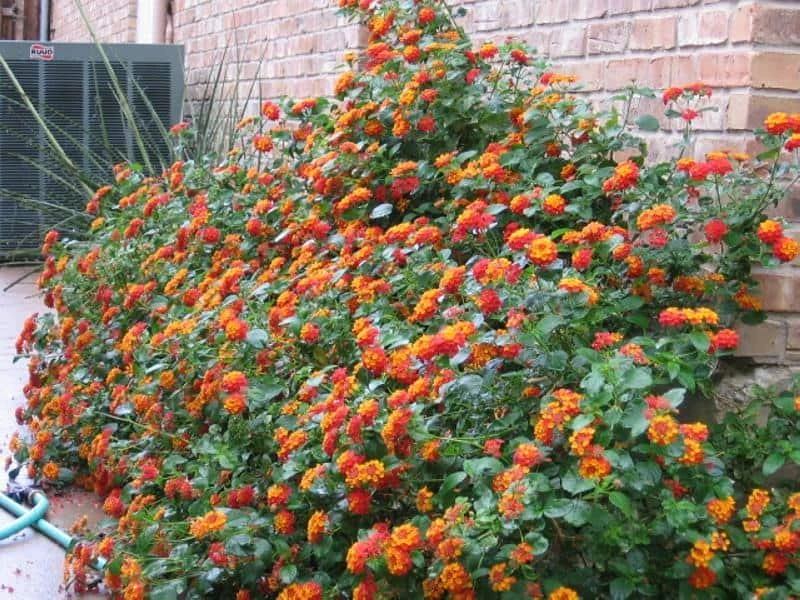
Transform your garden into a vibrant oasis with the addition of a beautiful Texas Lantana live plant. This robust and resilient perennial, botanically known as Lantana urticoides, is a fantastic choice for gardeners seeking a low-maintenance yet visually stunning shrub. Native to Texas and surrounding regions, this plant is perfectly adapted to warm climates and dry conditions, making it an excellent choice for xeriscaping or areas with limited water availability. Its common names also include Calico Bush, reflecting its multi-colored flowers. The Texas Lantana live plant is celebrated for its continuous display of red, orange, and yellow flowers from spring through fall, providing an extended season of interest. It’s a spreading shrub that can quickly establish itself, offering a natural and wild aesthetic to any landscape.
Each Lantana urticoides perennial is delivered as a healthy, well-rooted specimen, ready to thrive in your garden. This plant is not only beautiful but also ecologically beneficial, playing a crucial role in supporting local wildlife. Its bright, tubular flowers are a magnet for pollinators, particularly butterflies, making it a key component for a pollinator garden. If you’re looking for a plant that combines beauty, hardiness, and ecological value, the Texas Lantana live plant is an unparalleled choice for your outdoor spaces.
Key Benefits
Choosing a Texas Lantana live plant for your garden offers a multitude of advantages, from its aesthetic appeal to its ecological contributions. This versatile shrub is a true garden workhorse, providing continuous beauty with minimal fuss.
- Vibrant, Long-Lasting Blooms: The Texas Lantana live plant produces a spectacular display of red, orange, and yellow flowers from April to October. These colorful clusters add a dynamic visual element to any landscape, ensuring your garden remains attractive for many months. The continuous flowering provides a consistent pop of color.
- Attracts Pollinators: As a premier butterfly attracting plant, the Texas Lantana is a favorite among gardeners looking to support local ecosystems. Its nectar-rich flowers are an irresistible draw for various butterfly species and hummingbirds, turning your garden into a lively wildlife sanctuary.
- Drought Tolerant and Low Water Use: Once established, this drought tolerant lantana requires very little water, making it an ideal choice for water-wise gardening. It thrives in dry conditions and poor soils, reducing the need for frequent irrigation and making it a sustainable landscape option.
- Deer Resistant: Gardeners in areas with deer populations will appreciate that the Lantana urticoides perennial is known for its high deer resistance. Deer tend to avoid this plant, allowing its beauty to remain undisturbed in your garden.
- Heat Tolerant: This native plant thrives in full sun and high temperatures, making it perfectly suited for hot summer climates where many other plants struggle. It maintains its vigor and bloom production even in intense heat.
- Adaptable to Poor Soils: The Texas Lantana live plant is not fussy about soil quality and performs well in poor, well-drained soils. This adaptability makes it an easy-to-grow option for various garden settings, including challenging sites.
- Low Maintenance: Beyond occasional pruning to manage its size or shape, this plant requires minimal care. Its natural hardiness and resistance to pests and diseases contribute to its reputation as an easy-care garden favorite.
Plant Care & Growing Tips
Caring for your Texas Lantana live plant is relatively straightforward, thanks to its native hardiness and adaptability. To ensure your plant thrives and provides a spectacular display of color, consider the following guidelines. This Lantana urticoides perennial prefers a location with abundant sunlight. It performs best in ‘Sun’ light conditions, meaning it needs at least six hours of direct sunlight per day to produce the most prolific blooms. In fact, the more sun it receives, the better its flowering performance will be. It is highly heat tolerant, making it suitable for even the hottest summer exposures.
When it comes to watering, this is a truly drought tolerant lantana. It has low water use requirements and prefers dry soil moisture conditions. Once established, it is very self-sufficient and only needs occasional watering during prolonged dry spells. Overwatering can be detrimental, so ensure the soil is well-draining. Speaking of soil, the Texas Lantana is quite adaptable but thrives in poor, well-drained soils. Avoid heavy, waterlogged soils. While it can tolerate a range of soil types, good drainage is key to its health. Fertilization is generally not necessary, especially in garden settings, as it can encourage foliage growth over flowering. If your soil is extremely poor, a light application of a balanced slow-release fertilizer in spring can be beneficial.
Pruning can be done in late winter or early spring to maintain its shape, promote bushier growth, and encourage more blooms. Be aware that the stems can become thorny with age, so caution is necessary when pruning. The plant is attractive to butterflies but is also deer-resistant, which is a significant advantage for many gardeners. Remember that the blue-black fruit clusters are poisonous if ingested, so keep this in mind if you have pets or small children. With these simple care tips, your Texas Lantana live plant will flourish, bringing beauty and wildlife to your garden for years.
Size & Details
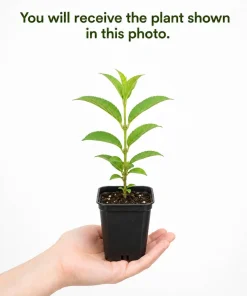
This Texas Lantana live plant is provided in a 1-gallon nursery pot, ensuring a well-established root system ready for planting. While the plant in the picture represents a fully mature specimen, the plant you receive will be a healthy, rooted plant in its container, with size varying slightly depending on the season and growth stage. Typically, Lantana urticoides perennial plants can grow into a spreading shrub, reaching heights of 2 to 4 feet and spreading 3 to 6 feet wide, creating a beautiful ground cover or medium-sized shrub. The young twigs are nearly square in cross-section, with bark that is light gray to light brown and tends to flake off as the plant matures. The leaves are broadly ovate, up to 2.5 inches long, and rough to the touch, giving off a sharp aroma when brushed.
The vibrant red, orange, and yellow flowers appear in dense, rounded clusters, offering a continuous bloom from April to October. This extended flowering period ensures your garden remains colorful for much of the year. The plants are shipped fully rooted in their containers, which are industry standard 1-gallon trade pots, measuring approximately 6 inches high with a 6-inch circumference. Expect vigorous growth once planted in a suitable location with ample sunlight and good drainage. This butterfly attracting plant will quickly become a focal point in your landscape.
Frequently Asked Questions
- Q: How big will my Texas Lantana live plant get? A: Your Texas Lantana live plant can grow into a spreading shrub typically reaching 2 to 4 feet in height and 3 to 6 feet in width. Its mature size can vary based on growing conditions and pruning.
- Q: Is this Lantana urticoides perennial suitable for containers? A: Yes, this Lantana urticoides perennial can be grown in containers, especially when young. For long-term growth, a larger pot is recommended to accommodate its spreading nature. Ensure the container has excellent drainage.
- Q: How much sun does a Texas Lantana need? A: The Texas Lantana live plant thrives in full sun, requiring at least 6 hours of direct sunlight daily. More sun generally leads to more abundant flowering.
- Q: Is this a drought tolerant lantana? A: Absolutely. This is a highly drought tolerant lantana. Once established, it requires minimal watering and is well-suited for xeriscaping and dry climates.
- Q: What kind of soil does this plant prefer? A: It prefers poor, well-drained soils. Good drainage is crucial, and it’s quite adaptable to various soil types, as long as they are not waterlogged.
- Q: Is the Texas Lantana deer resistant? A: Yes, this plant is known for being highly deer resistant, making it an excellent choice for gardens in areas with deer activity.
- Q: When does the Texas Lantana bloom? A: This butterfly attracting plant typically blooms profusely from April to October, providing a long season of vibrant color.
- Q: Are the fruits of the Texas Lantana poisonous? A: Yes, the blue-black fruit clusters of the Texas Lantana are poisonous if ingested. Exercise caution, especially with children and pets.
- Q: How do I care for my Texas Lantana in winter? A: In warmer zones, it’s perennial. In colder zones, it may die back to the ground but often returns from the roots in spring. Pruning can be done in late winter or early spring to shape the plant and remove any winter damage.
- Q: Will this plant attract butterflies to my garden? A: Yes, the Texas Lantana live plant is an excellent butterfly attracting plant. Its colorful flowers are a strong nectar source for various butterfly species and other pollinators.
Be the first to review “Texas Lantana Live Plant – Native Flowering Perennial – 1 Gallon Pot – Outdoor”
People Also Viewed
Reviews
There are no reviews yet.