

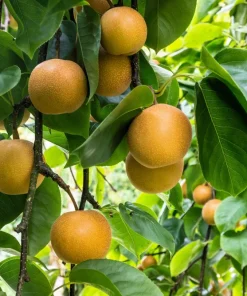
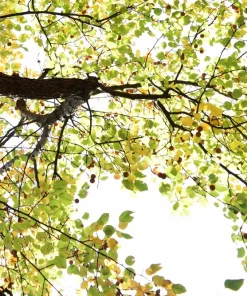
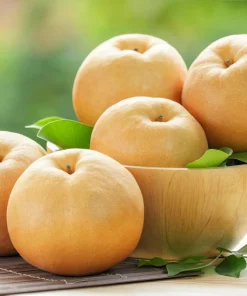
Asian Pear Tree Seeds – Pyrus Pyrifolia – 30 Seeds – Grow Your Own Fruit
Original price was: $39.09.$19.09Current price is: $19.09.
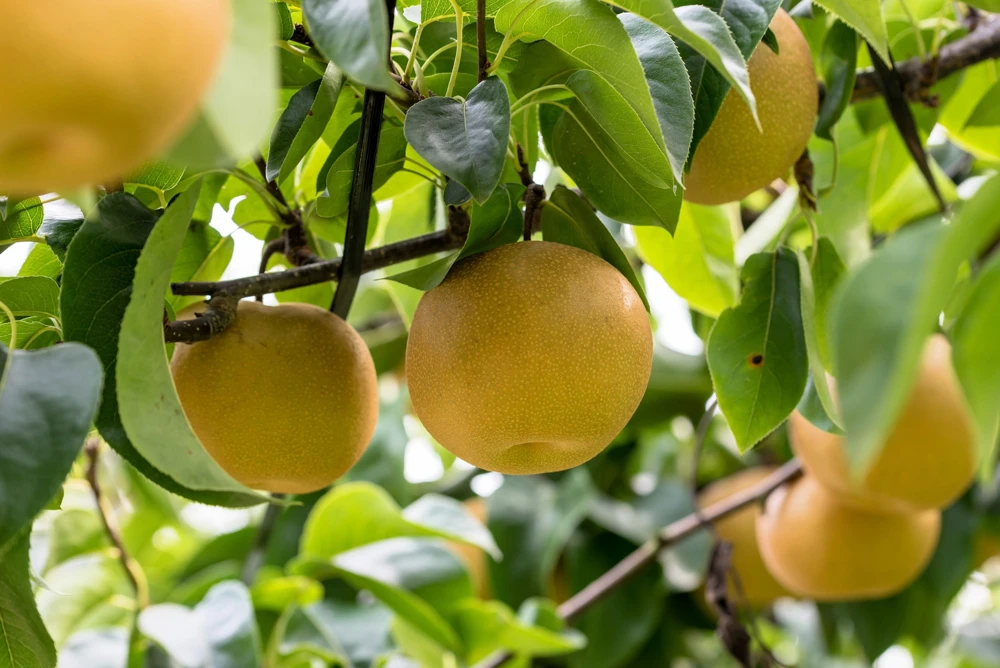
Cultivate your own orchard with Asian Pear Tree Seeds (Pyrus Pyrifolia). These 30 seeds promise a bountiful harvest of crisp, yellow-skinned fruit, perfect for home gardeners. Adaptable to USDA Zones 5-9, they thrive in full sun to part shade.
Estimated arrival
Sep 17
Sep 22 - Sep 24
Sep 27 - Oct 01
Shop With Confidence
30-Day Plant Health Guarantee
Arrives damaged? We’ll replace it free — see our return policy.
Responsive Support
Email us anytime, we reply within 1 business day.
Expert Packaging
Temperature-controlled shipping to protect your plants in transit.
Secure Checkout
Pay safely with Visa, Mastercard, PayPal.
Plant Specifications
-
USDA Hardiness Zone
5-9 -
Soil Type
Average, well-draining soil -
Sunlight Exposure
Full sun (Part Shade) -
Expected Planting Period
Outdoors after frost / Fall / Cold stratify / Indoors weeks before last frost
Overview
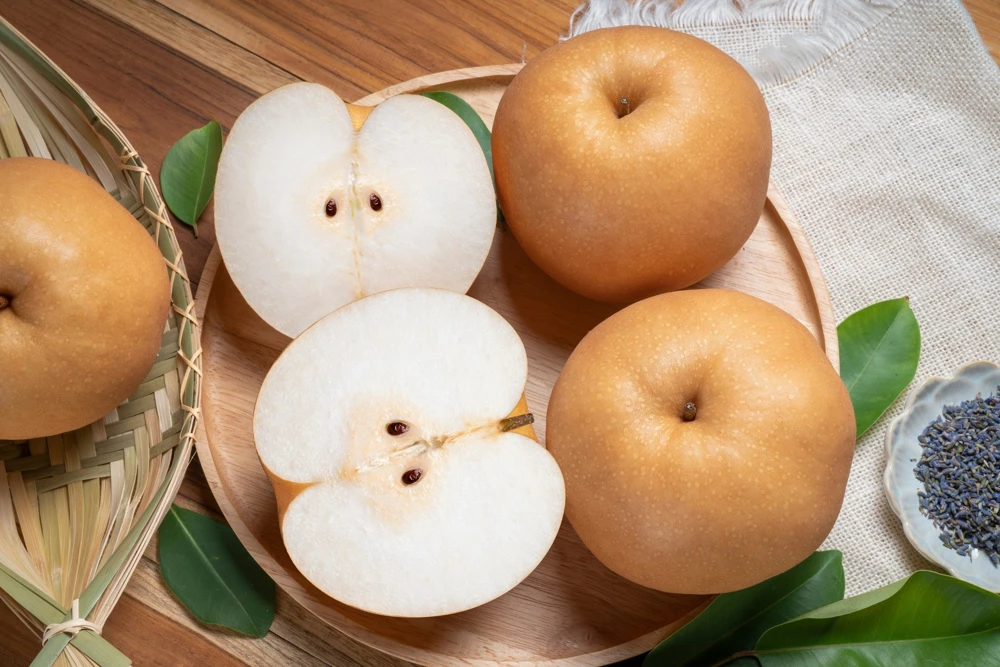
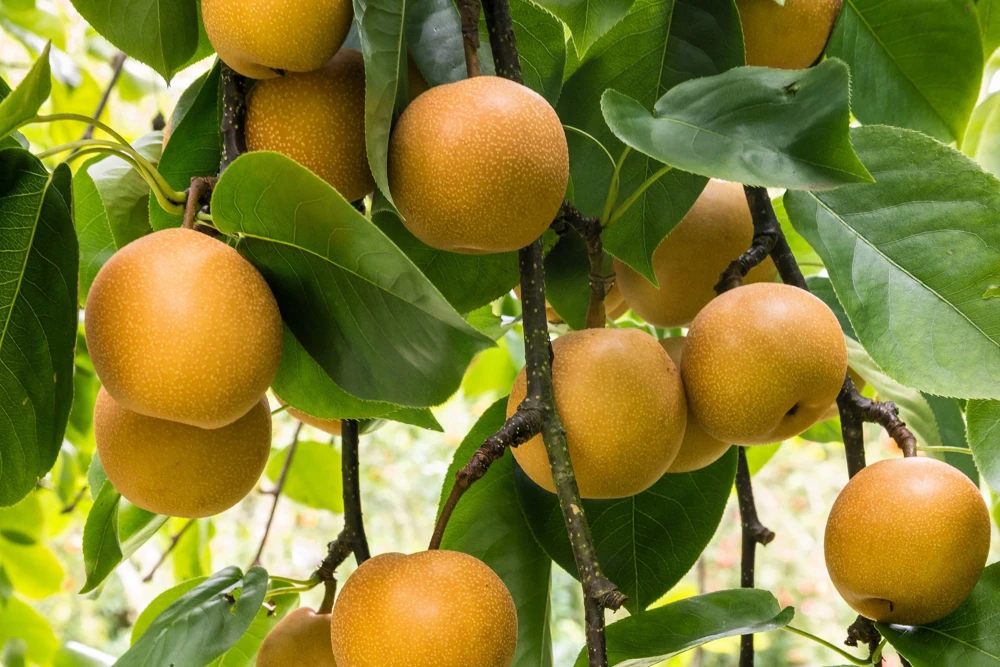
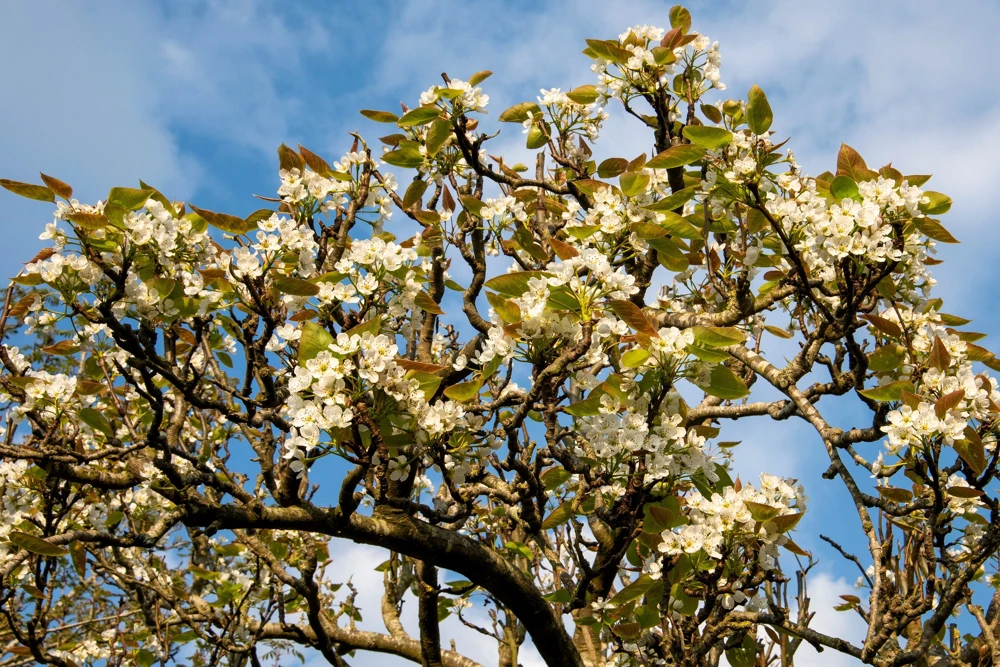
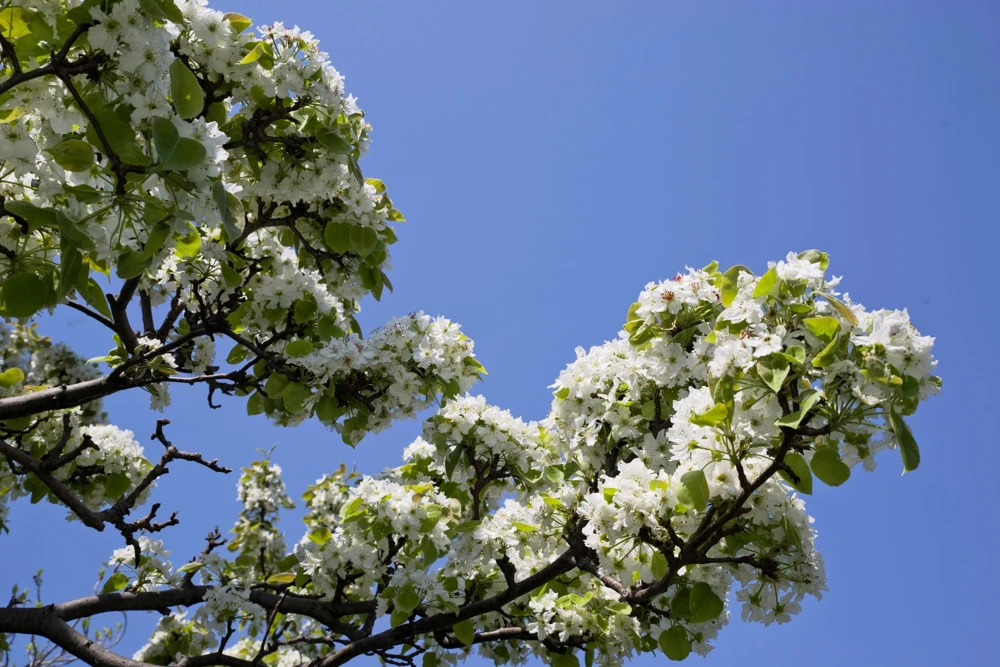
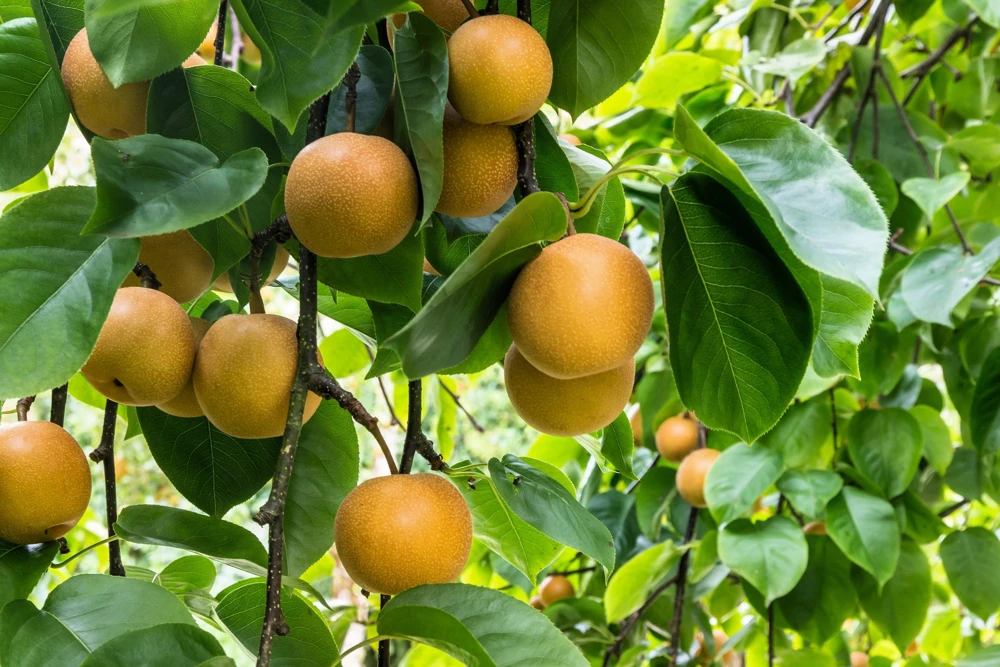
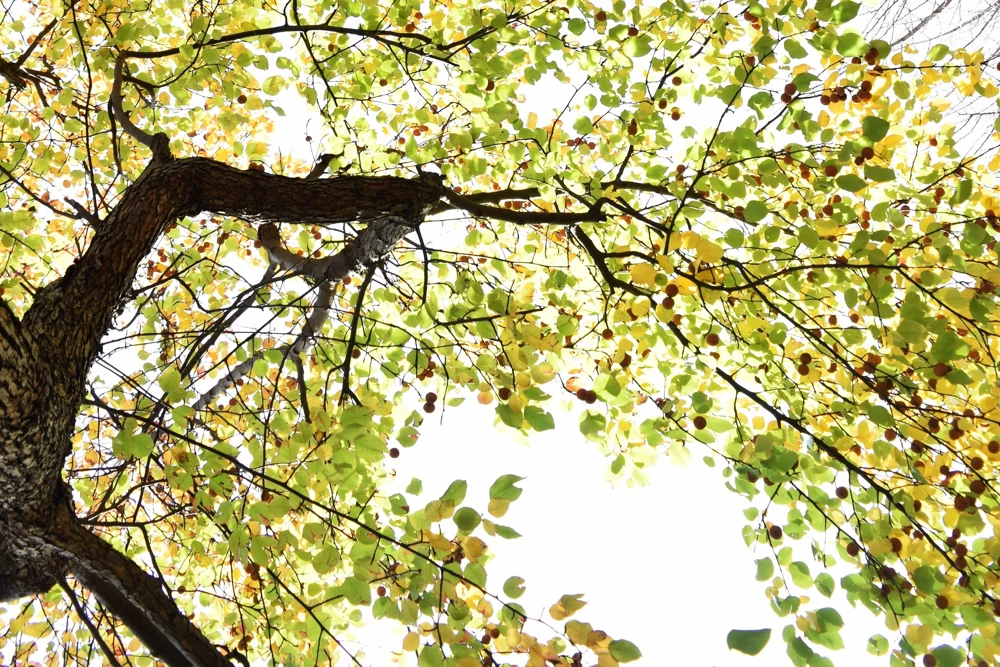
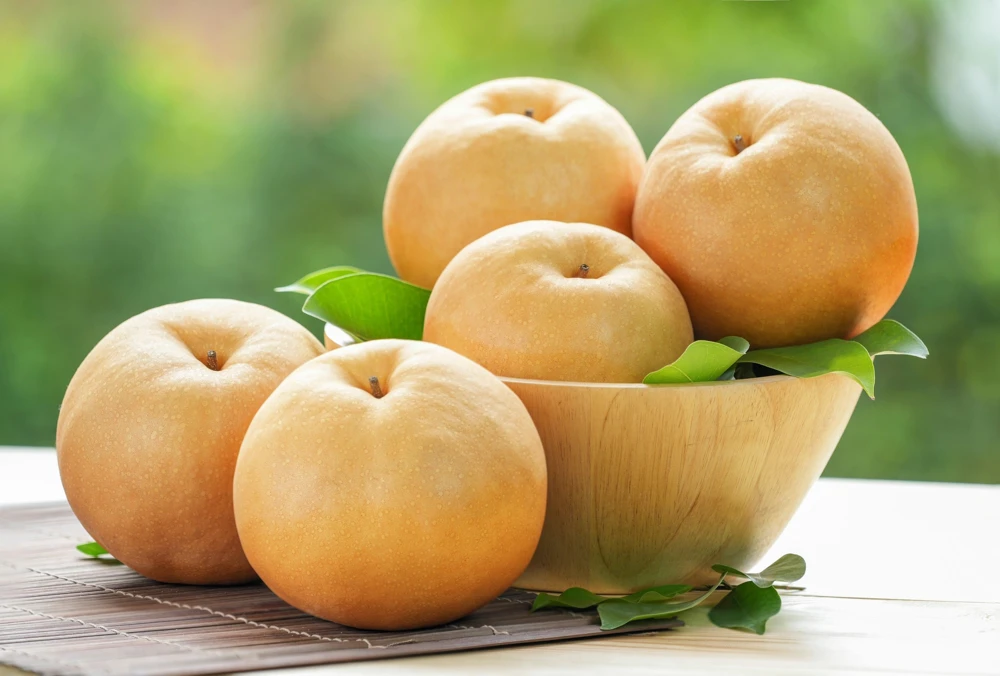
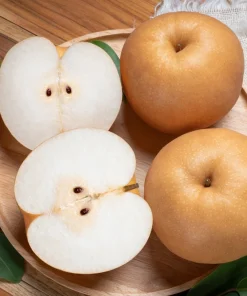
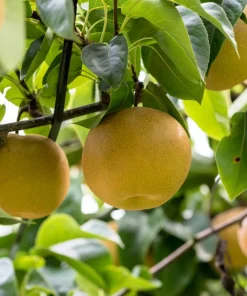
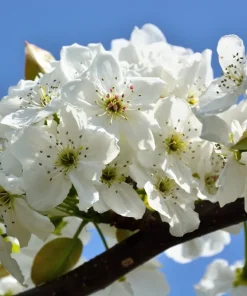
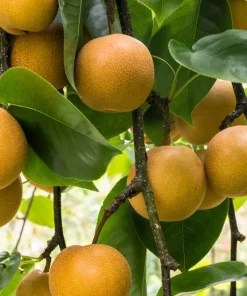
Embark on a rewarding gardening journey with these premium Asian Pear Tree Seeds. Each packet contains 30 seeds of Pyrus Pyrifolia, also known as Oriental Pear, Japanese Pear, Chinese Pear, or Sand Pear. These versatile trees produce delicious, crisp fruit with a distinctive yellow skin and white flesh, offering a unique flavor profile compared to traditional European pears. Growing your own Asian Pear Tree Seeds allows you to enjoy fresh, homegrown fruit, adding a beautiful and productive element to your garden or orchard. The trees are known for their lovely white blossoms in spring, followed by a generous harvest in late summer to early fall.
Cultivating a pear tree from seed is a fulfilling experience, connecting you directly with nature’s cycles. These seeds are ideal for gardeners eager to expand their fruit-growing capabilities, providing an opportunity to propagate a resilient and fruitful species. The Pyrus Pyrifolia is a vigorous grower, eventually reaching a substantial size, making it a long-term investment in your landscape and culinary adventures. Discover the joy of nurturing these seeds into magnificent fruit-bearing trees.
Key Benefits
Growing Asian Pear Tree Seeds offers numerous advantages, from fresh produce to aesthetic appeal and environmental contributions. These benefits make them a valuable addition to any garden.
- Delicious Homegrown Fruit: Enjoy the unparalleled taste of fresh, crisp Oriental pear fruit straight from your garden. Asian pears are known for their sweet, juicy, and refreshing flavor, perfect for eating fresh, in salads, or for culinary creations.
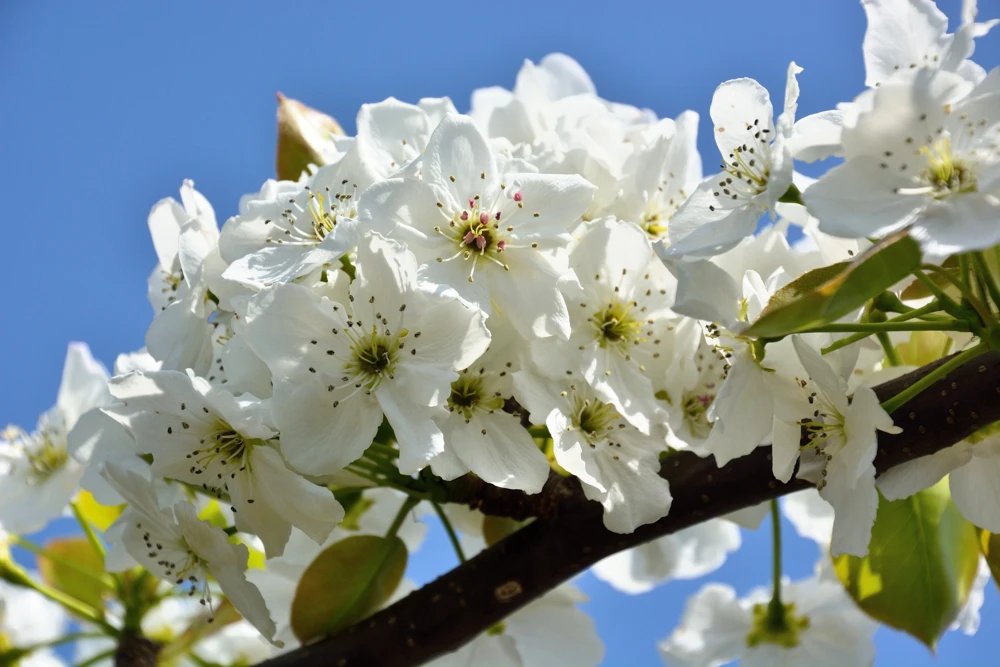
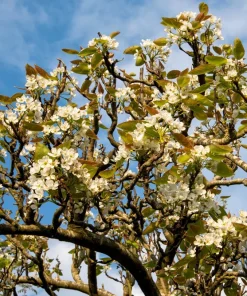
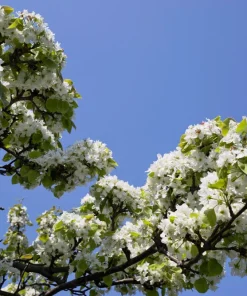
- Beautiful Spring Blooms: In spring, the trees adorn themselves with delicate white flowers, providing stunning visual appeal and attracting pollinators to your garden. These blossoms are a harbinger of the delicious fruit to come.
- Adaptable & Resilient: These trees are well-suited for a wide range of climates, thriving in USDA Hardiness Zones 5-9. Their robust nature makes them a reliable choice for many gardeners, ensuring a good chance of success when you grow Asian pears.
- Long-Term Investment: Once established, an Asian pear tree can provide bountiful harvests for many years, becoming a lasting feature of your landscape. It’s an investment that pays dividends in fresh fruit and natural beauty.
- Supports Local Ecosystem: Planting fruit trees like Pyrus Pyrifolia contributes to local biodiversity, offering food and habitat for various wildlife, including beneficial insects and birds.
- Educational Experience: For families, planting and nurturing Japanese pear seeds can be a fantastic educational opportunity, teaching children about plant life cycles, patience, and the rewards of gardening.
- Versatile Culinary Use: Beyond fresh eating, Asian pears can be used in a variety of dishes, from desserts and jams to savory glazes and salads, adding a unique texture and sweetness.
Plant Care & Growing Tips
Successfully growing Asian Pear Tree Seeds requires attention to specific conditions, but with the right care, you can expect a thriving tree. These seeds benefit from cold stratification, which mimics natural winter conditions and encourages germination. You can achieve this by placing the seeds in a moist medium (like sand or peat moss) in a sealed bag in the refrigerator for 60-90 days before planting. Once stratified, plant seeds outdoors after the last frost, or start them indoors several weeks before for an earlier start.
Light Requirements: Asian pear trees prefer full sun, meaning at least 6-8 hours of direct sunlight per day. They can tolerate part shade, especially in hotter climates, but full sun will result in better fruit production. Ensure your chosen planting site receives ample light throughout the day. Soil & Water Preferences: These trees thrive in average, well-draining soil. While adaptable, consistent moisture is crucial, especially during the establishment phase and fruit development. Water deeply and regularly, particularly during dry spells, but avoid waterlogging. A pH between 6.0 and 7.0 is generally ideal. Hardiness Zone: Asian pears are hardy in USDA Zones 5-9. In colder zones, ensure adequate winter protection for young trees. Fertilization: Fertilize young trees with a balanced slow-release fertilizer in early spring. Established trees may benefit from a fruit tree specific fertilizer, following package instructions. Pruning is essential for shape, air circulation, and fruit production; typically done in late winter when the tree is dormant. Monitor for common pests and diseases, addressing issues promptly to ensure healthy growth and a good harvest from your Pyrus Pyrifolia seeds.
Size & Details
This offering includes 30 Asian Pear Tree Seeds (Pyrus Pyrifolia), ready for planting. These seeds will grow into substantial fruit trees, typically reaching a mature height of 30-40 feet with a spread of around 15 feet. The trees are known for their vigorous growth rate. While initial growth from seed will be slower, established trees can grow several feet per year under optimal conditions. The fruit typically ripens in late summer, usually between August and September, following spring blooms. Each seed holds the potential for a long-lived, productive tree, offering years of delicious fruit and ornamental beauty. The exact size of the tree will depend on growing conditions, pruning practices, and local climate within its recommended hardiness zones.
Frequently Asked Questions
- Q: How long does it take for Asian Pear Tree Seeds to germinate? A: After cold stratification (60-90 days), germination can typically occur within a few weeks once planted in warm, moist soil. Patience is key when growing from seed.
- Q: How big does an Asian pear tree get? A: A mature Asian pear tree can reach an impressive height of 30-40 feet and have a spread of about 15 feet, making it a significant addition to your landscape.
- Q: Is this an indoor or outdoor plant? A: Asian pear trees are outdoor fruit trees. While seeds can be started indoors, the trees require outdoor conditions to thrive and produce fruit.
- Q: How much sunlight does it need? A: For optimal growth and fruit production, an Asian pear tree requires full sun, which means at least 6-8 hours of direct sunlight daily. They can tolerate partial shade.
- Q: Is this plant easy to care for? A: Growing Asian Pear Tree Seeds requires some initial effort, especially with stratification and early care. Once established, they are relatively low-maintenance but benefit from regular watering, pruning, and occasional fertilization.
- Q: What condition will the seeds arrive in? A: The seeds will arrive in a dry, viable condition, ready for cold stratification and planting according to the instructions.
- Q: How long until an Asian pear tree produces fruit? A: While growing from seed can be a longer process, an Asian pear tree typically begins to bear fruit within 3-7 years after planting, depending on growing conditions and care.
- Q: What’s the best time to plant Asian Pear Tree Seeds? A: After cold stratification, plant seeds outdoors after the last frost in spring, or start them indoors a few weeks before the last frost. Fall planting is also an option in some climates, allowing for natural stratification.
- Q: Will it survive winter in my zone? A: These Pyrus Pyrifolia seeds are for trees hardy in USDA Zones 5-9. If you are in these zones, the mature tree should survive winter. Young trees may need protection in the colder end of this range.
- Q: Can I grow Asian pears in a container? A: While possible for a young tree, mature Oriental pear fruit trees are large and are best suited for planting directly in the ground to achieve their full size and fruit-bearing potential.
Be the first to review “Asian Pear Tree Seeds – Pyrus Pyrifolia – 30 Seeds – Grow Your Own Fruit”
People Also Viewed
Reviews
There are no reviews yet.