









1000 Giant Rattle Poppy Seeds – Papaver Somniferum – Massive Heads & Huge Blooms
Original price was: $41.99.$16.99Current price is: $16.99.
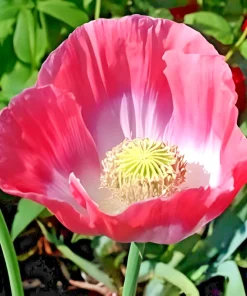
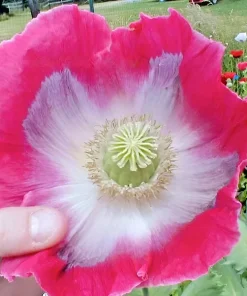
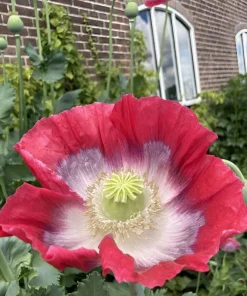
Discover the beauty of giant rattle poppy seeds. These Papaver somniferum seeds are perfect for creating a vibrant garden display with their impressive size and ease of growth.
- Produces massive seed heads
- Features huge, captivating blooms
- Easy to cultivate for gardeners of all levels
Estimated arrival
Oct 15
Oct 20 - Oct 22
Oct 25 - Oct 29
Shop With Confidence
30-Day Plant Health Guarantee
Arrives damaged? We’ll replace it free — see our return policy.
Responsive Support
Email us anytime, we reply within 1 business day.
Expert Packaging
Temperature-controlled shipping to protect your plants in transit.
Secure Checkout
Pay safely with Visa, Mastercard, PayPal.
Plant Specifications
-
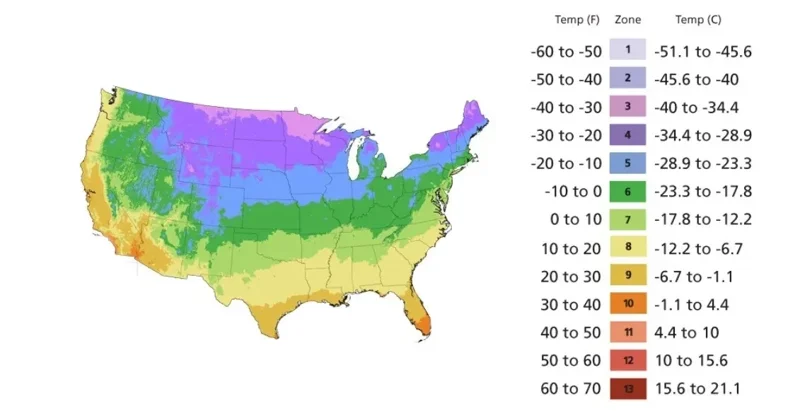
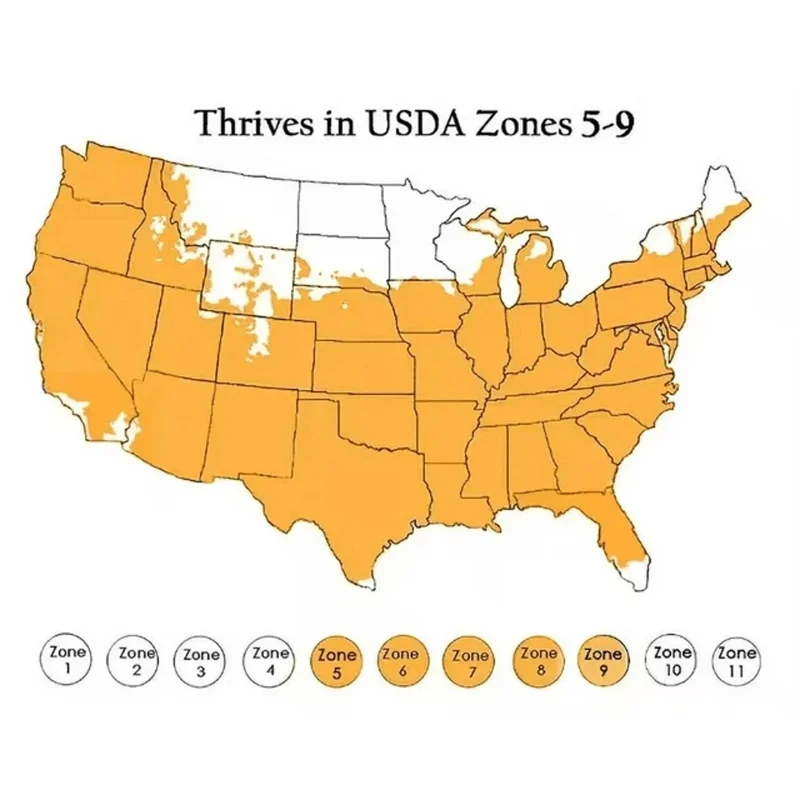
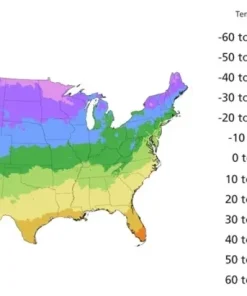
USDA Hardiness Zone
unknown -
Soil Type
Loam, Peat, well-draining soil -
Sunlight Exposure
Full Sun, Medium Sun -
Expected Planting Period
Fall, Spring, Summer
Overview
Embark on a rewarding gardening journey with giant rattle poppy seeds. These premium Papaver somniferum seeds are renowned for their impressive size, producing spectacular blooms and massive seed heads that add a dramatic flair to any garden landscape. Often simply called ‘Poppy’, this annual flower is a favorite among gardeners for its striking appearance and relatively easy cultivation. Our 1000 count seed packet provides ample opportunity to create a breathtaking display of these magnificent flowers. The ‘Rattle’ in their name refers to the sound the dried seed pods make when shaken, adding an intriguing element to their lifecycle. Perfect for those looking to add a touch of grandeur and natural beauty to their outdoor spaces, these poppies are sure to become a focal point.
These giant rattle poppy seeds offer an exceptional opportunity to cultivate a garden full of natural beauty. The Papaver somniferum species is celebrated for its robust growth and the sheer scale of its flowers and subsequent seed pods. Whether you’re an experienced gardener or just starting out, these seeds provide a straightforward path to achieving a stunning floral display. They thrive in various climates and are adaptable to different garden styles, from cottage gardens to more formal arrangements. Prepare to be amazed by the transformation of these tiny seeds into towering plants adorned with magnificent blossoms.
Key Benefits
Cultivating these giant rattle poppy seeds brings a multitude of benefits to your garden and your gardening experience:
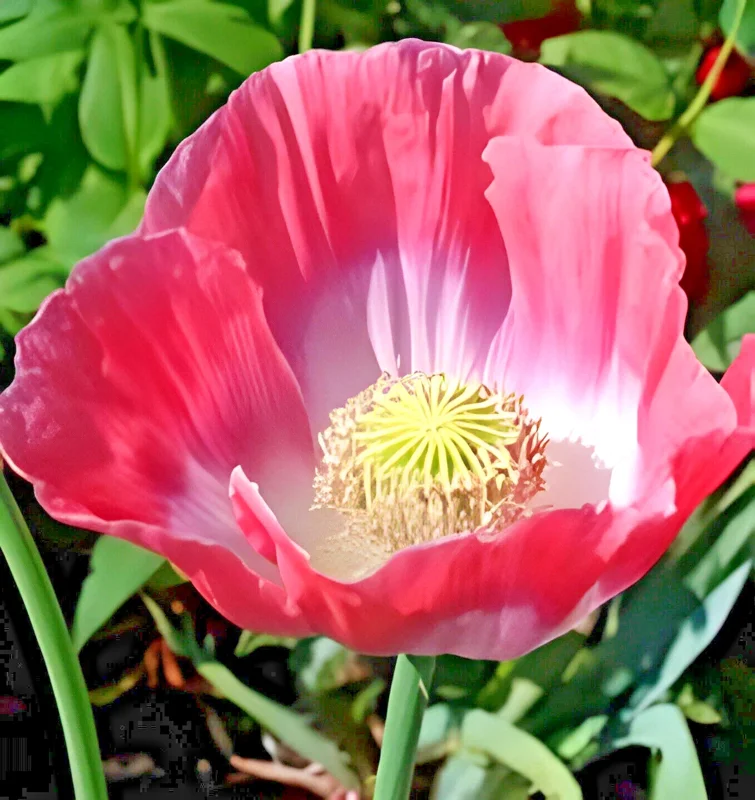
- Dramatic Garden Impact: These poppies produce exceptionally large and vibrant blooms, instantly becoming a captivating centerpiece in your garden. The sheer size of the flowers and seed heads creates a visually stunning effect.
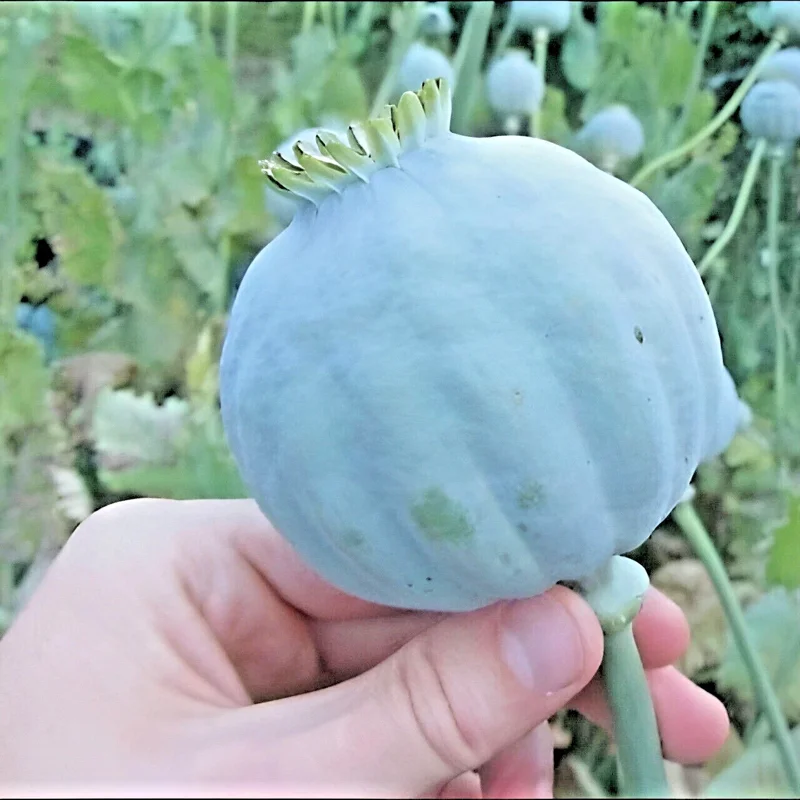
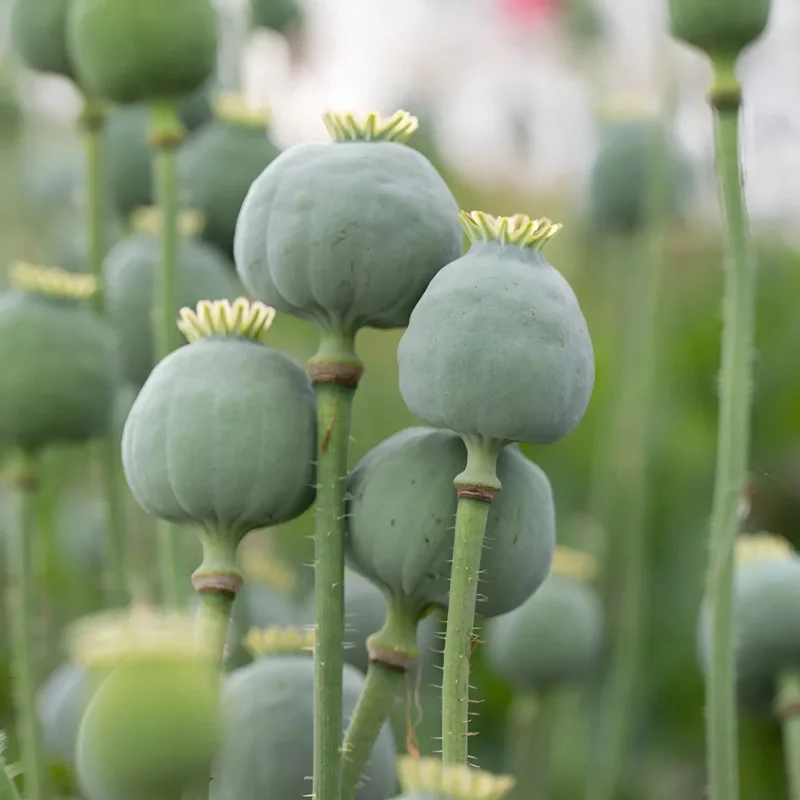
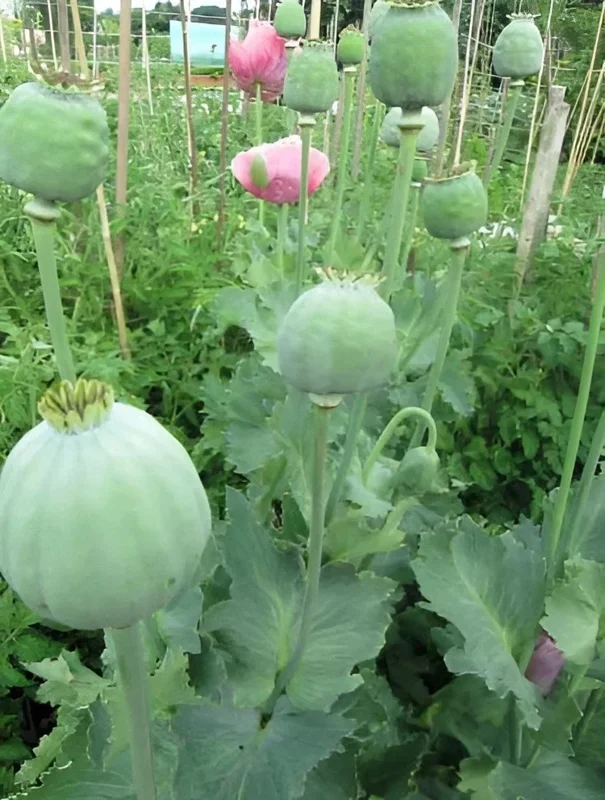
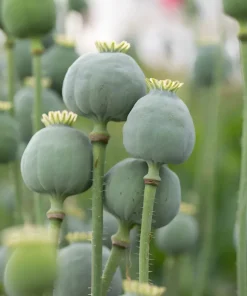
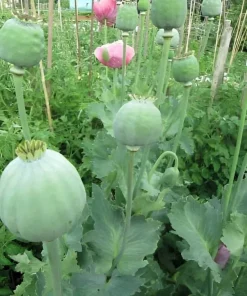
- Impressive Seed Heads: Beyond their beautiful flowers, these poppies develop massive, decorative seed pods that can be harvested for crafts or left to dry on the plant for continued visual interest, making them a dual-purpose plant.
- Attracts Pollinators: The large, open blooms are a magnet for bees and other beneficial pollinators, contributing to a healthier and more biodiverse garden ecosystem.
- Easy to Grow: Despite their grand appearance, these Papaver somniferum seeds are surprisingly easy to grow, making them suitable for beginners and seasoned gardeners alike. They require minimal fuss once established.
- Versatile Planting Options: Ideal for mass plantings, borders, or as individual specimen plants, these poppies adapt well to various garden designs and can thrive in diverse settings, from formal beds to wilder, naturalized areas.
- Self-Seeding Potential: Under favorable conditions, these poppies can self-seed, providing a continuous display year after year with little effort, ensuring you always have huge poppy blooms.
- Long-Lasting Beauty: Enjoy the beauty from spring to summer with their glorious flowers, followed by the architectural interest of their seed pods well into the fall.
Plant Care & Growing Tips
Growing giant rattle poppy seeds is a rewarding experience, and with a few simple care tips, you can ensure a thriving display of huge poppy blooms. These annual flowers are known for their resilience and adaptability. For optimal growth, choose a location that receives full sun to medium sun, meaning at least 6 hours of direct sunlight per day. Good air circulation is also beneficial to prevent fungal issues. While they can tolerate a range of soil types, well-draining soil is crucial. Avoid heavy, waterlogged soils, as this can lead to root rot. A neutral soil pH is generally preferred, though they are quite forgiving.
When it comes to watering, Papaver somniferum seeds prefer light watering. Once established, these poppies are relatively drought-tolerant, but consistent moisture during dry spells, especially when they are young, will promote healthier growth. Avoid overhead watering to keep foliage dry and reduce disease risk. Fertilization is usually not heavily required; a balanced, all-purpose fertilizer can be applied sparingly if your soil is poor, but over-fertilization can lead to lush foliage at the expense of flowers. Planting time is typically in the early spring after the last frost, or in the fall in warmer climates for earlier spring blooms. The cultivating difficulty is generally considered easy, making them an excellent choice for gardeners looking for easy to grow poppy varieties. Watch for common garden pests like aphids and treat with organic solutions if necessary.
Size & Details
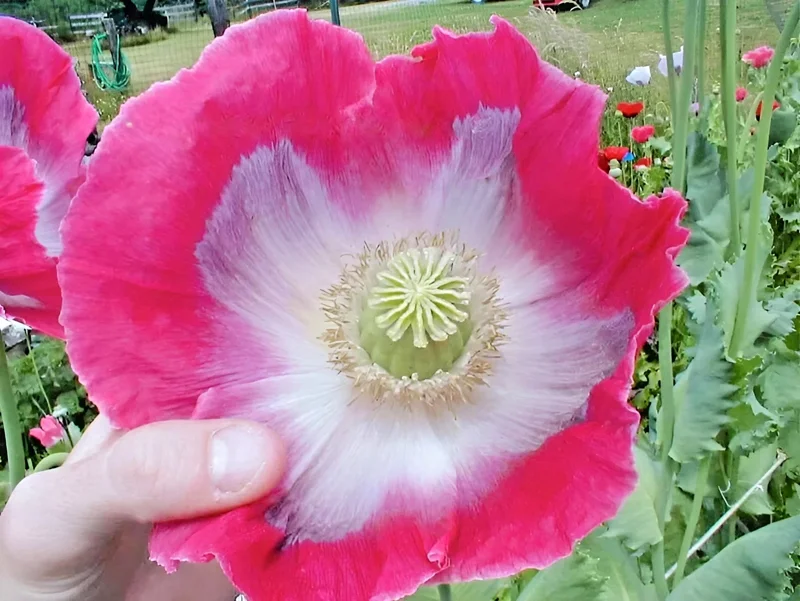
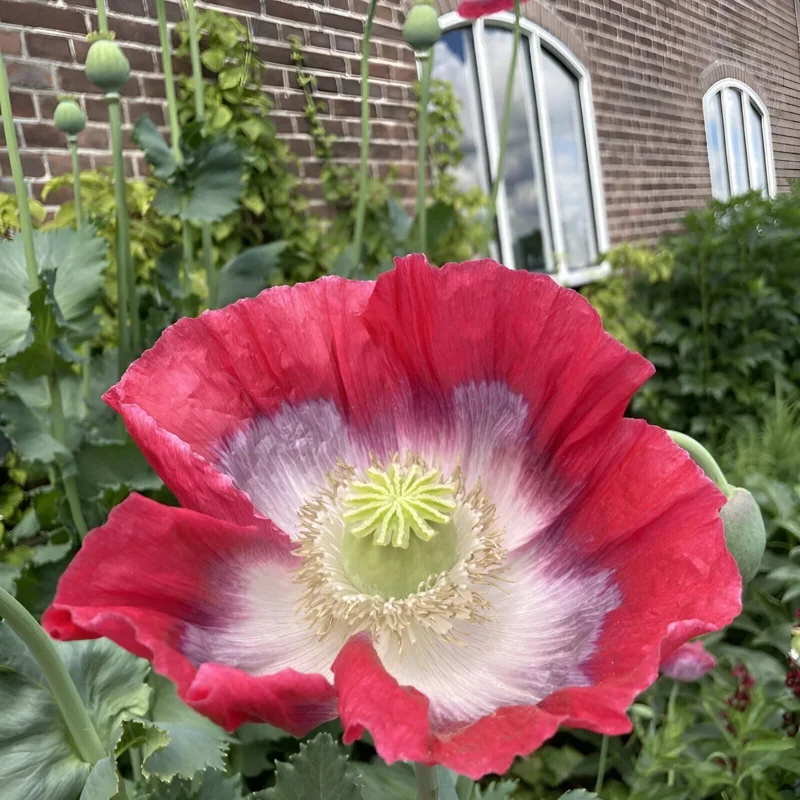
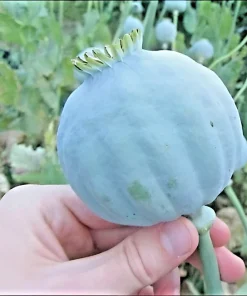
This offering includes 1000 giant rattle poppy seeds, providing a generous quantity for extensive planting or multiple seasons of enjoyment. When mature, these magnificent plants can reach impressive heights, typically growing between 2 to 4 feet tall, with some varieties potentially exceeding this. Their huge blooms can span several inches across, creating a truly spectacular visual impact. The massive seed heads that follow the flowering period are equally striking, often reaching sizes comparable to small apples. These seeds are designed for both indoor and outdoor cultivation, offering flexibility in your gardening plans, though they perform best outdoors in garden beds. The life cycle of these poppies is annual, meaning they complete their growth, flowering, and seeding within one season. However, their prolific self-seeding nature often ensures new plants emerge the following year, giving the impression of a perennial. Expect germination to occur within 12 weeks of planting, with flowers typically appearing in late spring to early summer, depending on your climate and planting time. These papaver somniferum seeds are a fantastic choice for gardeners seeking substantial and beautiful additions to their landscape.
Frequently Asked Questions
- Q: How many giant rattle poppy seeds are included in this packet? A: This packet contains 1000 high-quality giant rattle poppy seeds, providing a plentiful supply for your gardening projects, whether you’re planting a large bed or several smaller patches.
- Q: Are these poppies suitable for indoor or outdoor growing? A: While they can be started indoors, these poppies are primarily grown outdoors. They thrive in garden beds, borders, and naturalized areas where they have ample space and sunlight to flourish and produce their spectacular huge poppy blooms.
- Q: How much sunlight do these Papaver somniferum seeds require? A: For the best results, these poppies need full sun to medium sun exposure, which means at least six hours of direct sunlight daily. Adequate sunlight is crucial for vigorous growth and abundant flowering.
- Q: Is this an easy to grow poppy variety for beginners? A: Yes, these giant rattle poppy seeds are considered easy to cultivate. They are relatively low-maintenance once established, making them an excellent choice for gardeners of all experience levels looking to achieve beautiful results.
- Q: What kind of soil is best for these poppies? A: These poppies prefer well-draining soil. They can tolerate a variety of soil types, including loam and peat, but good drainage is essential to prevent waterlogging and ensure healthy root development.
- Q: When is the best time to plant these giant rattle poppy seeds? A: The ideal planting time is in early spring after the last frost, or in the fall in regions with mild winters. Fall planting allows for earlier spring blooms as the seeds establish over winter.
- Q: How tall do these giant rattle poppy seeds grow? A: When mature, these poppies can typically grow to a height of 2 to 4 feet, creating a striking vertical element in your garden. Their robust stalks support their massive flowers and seed heads.
- Q: Can the seed heads be used for decorative purposes? A: Absolutely! The massive, dried seed heads are highly ornamental and can be used in floral arrangements, crafts, or simply left on the plant to provide winter interest in your garden, showcasing the full beauty of the Papaver somniferum seeds.
- Q: Do these poppies attract pollinators? A: Yes, the large, open flowers of these poppies are very attractive to bees and other beneficial pollinators, helping to support local wildlife and improve the overall health of your garden.
- Q: What is the estimated germination time for these seeds? A: You can typically expect germination to occur within 12 weeks after planting, though this can vary slightly depending on environmental conditions and care.
Be the first to review “1000 Giant Rattle Poppy Seeds – Papaver Somniferum – Massive Heads & Huge Blooms”
People Also Viewed
Flower Seeds
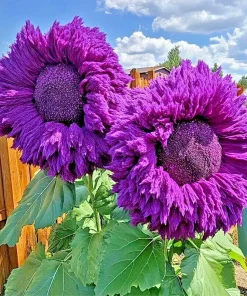
50 Purple Teddy Bear Sunflower Seeds – Rare Enchanting Giant Helianthus Seeds, Annual, Outdoor
Houseplants
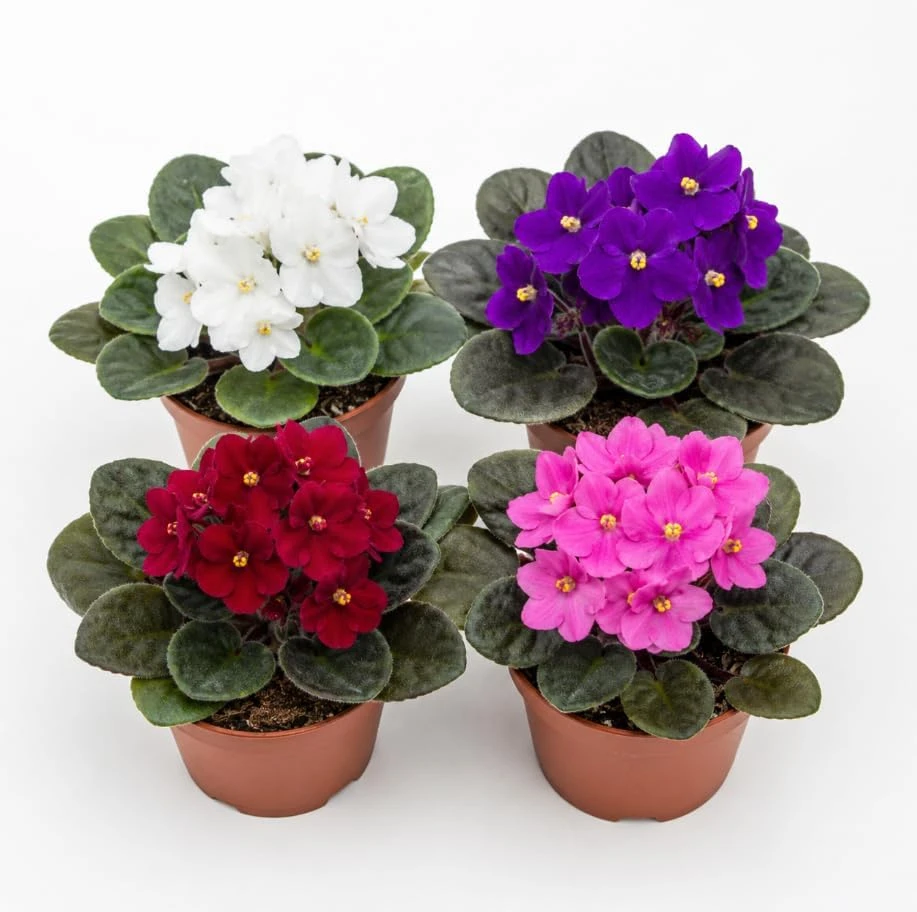
2 African Violet Live Plants – Assorted Colors – 4 Inch Pots – Indoor Flowering Houseplants
Vegetable Seeds
Reviews
There are no reviews yet.