

Chocolate Vine Live Plant – Edible Akebia quinata – 2.5″ Pot – Outdoor
Original price was: $42.99.$32.99Current price is: $32.99.
Bring home a unique chocolate vine live plant (Akebia quinata) in a 2.5″ pot. This fast-growing, twining perennial vine is known for its distinctive purple flowers and edible, mildly sweet fruit. Ideal for covering fences or walls, adding beauty and a food source to your garden.
Estimated arrival
Sep 29
Oct 04 - Oct 06
Oct 09 - Oct 13
Shop With Confidence
30-Day Plant Health Guarantee
Arrives damaged? We’ll replace it free — see our return policy.
Responsive Support
Email us anytime, we reply within 1 business day.
Expert Packaging
Temperature-controlled shipping to protect your plants in transit.
Secure Checkout
Pay safely with Visa, Mastercard, PayPal.
Plant Specifications
-
USDA Hardiness Zone
USDA Zones 4-8 -
Soil Type
Well-draining, fertile soil -
Sunlight Exposure
Full sun to partial shade -
Expected Planting Period
Spring to early summer
Overview
Discover the enchanting beauty and unique edibility of the chocolate vine live plant, scientifically known as Akebia quinata. This fascinating perennial vine is a vigorous grower, celebrated for its attractive foliage, unusual purple-brown flowers, and, most notably, its delicious, edible fruit. Originating from East Asia, the chocolate vine has become a popular choice for gardeners seeking a plant that offers both ornamental appeal and a culinary treat. It’s an excellent solution for covering unsightly fences, trellises, or walls, creating a lush, green tapestry throughout your outdoor space. The Akebia quinata edible fruit has a mild, slightly sweet flavor with a texture often compared to coconut, making it a delightful addition to various recipes or enjoyed fresh. This versatile plant is also known for its strong twining habit, allowing it to easily climb and adhere to support structures, making it a manageable and rewarding addition to nearly any garden.
Key Benefits
The chocolate vine live plant offers a multitude of benefits for the enthusiastic gardener, combining aesthetic appeal with practical uses. Its unique characteristics make it a standout choice:
- Edible Fruit Production: Enjoy the unique, mildly sweet fruit of the Akebia quinata. The fruit can be eaten raw, often with a squeeze of lemon, or incorporated into various culinary dishes, offering a novel taste experience directly from your garden.
- Vigorous Growth & Coverage: This perennial vine is an excellent choice for quickly covering fences, arbors, and walls. Its rapid growth and strong twining habit provide dense foliage, creating privacy and a beautiful green backdrop.
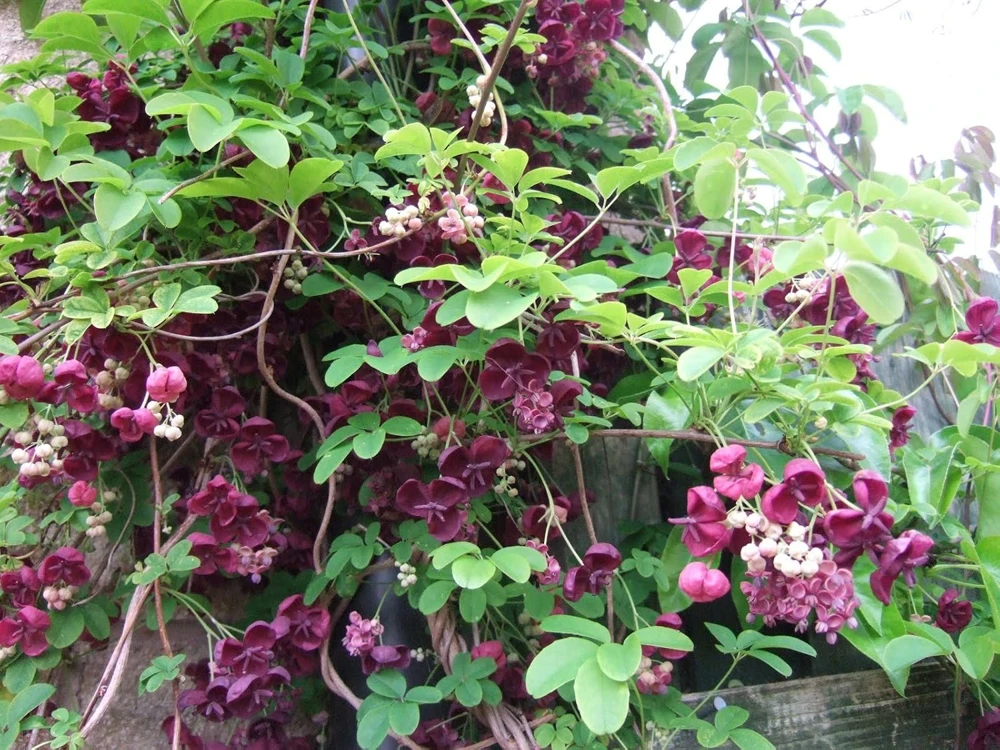
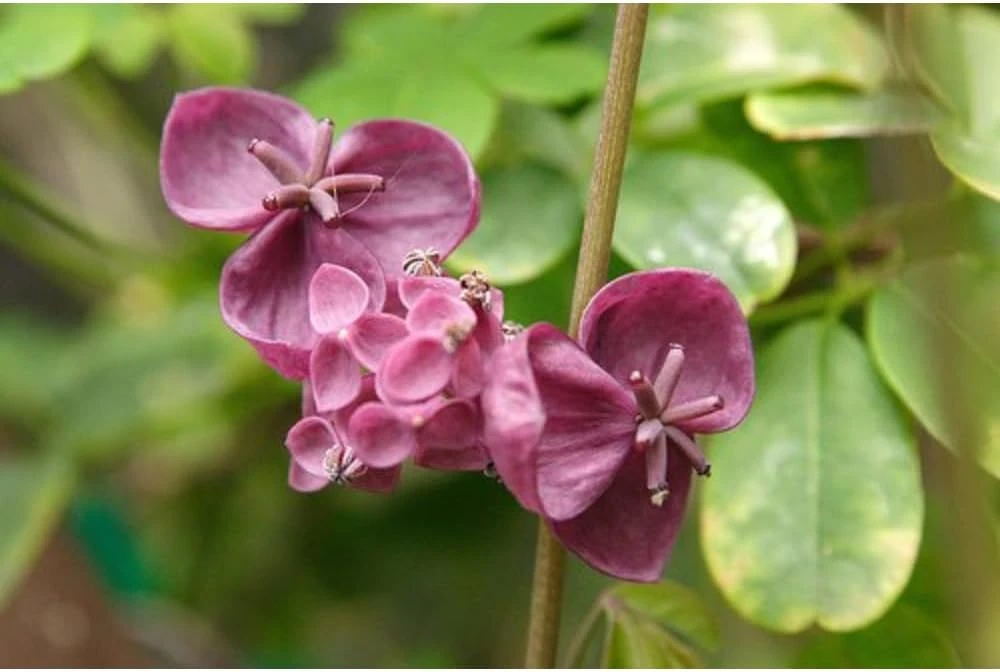
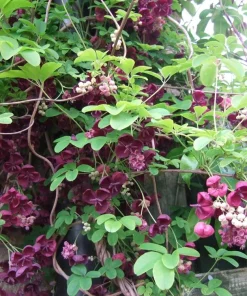
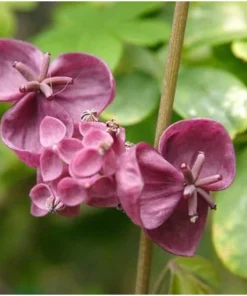
- Attractive Foliage & Flowers: The chocolate vine features distinctive palm-shaped leaves and produces charming purple flower clusters in early summer, adding a unique visual interest to your landscape. These flowers are subtly fragrant, contributing to the garden’s sensory experience.
- Low Maintenance: Once established, the chocolate vine live plant is relatively easy to care for, making it suitable for gardeners of all experience levels. It adapts well to various conditions and requires minimal intervention to thrive.
- Hardy & Resilient: Tolerant of a wide range of climates (USDA Zones 4-8), this plant is robust and can withstand colder temperatures, ensuring its return year after year. This resilience makes it a reliable choice for diverse garden settings.
- Versatile Culinary Uses: Beyond the fruit, the young shoots and leaves of the chocolate vine can also be used. They are excellent additions to salads or can be pickled, offering more ways to enjoy the bounty of this unique plant.
- Natural Privacy Screen: Its dense growth makes it perfect for creating a natural screen, offering privacy and reducing noise, while enhancing the aesthetic appeal of your outdoor living spaces.
Plant Care & Growing Tips
Caring for your chocolate vine live plant is straightforward, ensuring a thriving and productive addition to your garden. This resilient perennial thrives with proper attention to its basic needs. For optimal growth, the chocolate vine prefers a location with full sun to partial shade. In hotter climates, some afternoon shade can prevent leaf scorch, while in cooler regions, more sun will encourage better flowering and fruiting. Adequate light is crucial for the development of its edible fruits and vibrant purple flowers. When considering chocolate vine care, consistent watering is important, especially during dry spells and in its first year of establishment. Aim for consistently moist, but not waterlogged, soil. Once mature, it can tolerate some drought, but regular moisture will lead to a healthier and more vigorous plant.
The ideal soil for Akebia quinata is well-draining, fertile, and slightly acidic to neutral. Amending heavy clay soils with organic matter will improve drainage and aeration, which are essential for root health. While adaptable, good soil conditions will significantly enhance the plant’s performance. The chocolate vine is hardy in USDA Zones 4-8, making it suitable for a wide range of climates. In colder zones, ensure it has some protection from harsh winter winds, especially when young. Fertilization is generally not heavily required; a balanced, slow-release fertilizer in spring can support robust growth, particularly if the soil is poor. Pruning is key for managing its vigorous growth and maintaining its shape. Prune in late winter or early spring to remove dead or damaged wood and to control its size. Regular pruning will also encourage denser foliage and more prolific flowering. Watch out for common pests like aphids, and treat them with organic insecticidal soap if necessary. Understanding chocolate vine care will ensure your twining vine plant thrives and provides years of beauty and edible delights.
Size & Details
This chocolate vine live plant, Akebia quinata, is supplied in a 2.5″ pot, ready for planting in your garden or a larger container. At maturity, this vigorous perennial vine can reach heights of up to 20 feet, depending on the support structure and growing conditions. Its twining habit allows it to easily ascend fences, trellises, and arbors. The plant exhibits a moderate to fast growth rate, quickly establishing itself and providing substantial coverage. It blooms in early summer, showcasing its unique purple flower clusters, followed by the development of its distinctive, edible fruit. The fruit typically ripens in late summer to early fall. This plant is well-suited for outdoor cultivation in USDA hardiness zones 4-8, demonstrating excellent cold tolerance. When planting, allow ample space for its spread and provide a sturdy support system to accommodate its mature size. This perennial edible vine promises to be a stunning and productive addition to any garden.
Frequently Asked Questions
- Q: How big does this chocolate vine plant get? A: The chocolate vine live plant is a vigorous grower and can reach a mature height of up to 20 feet, depending on the support structure provided and the growing conditions. It will grow to the size of its support.
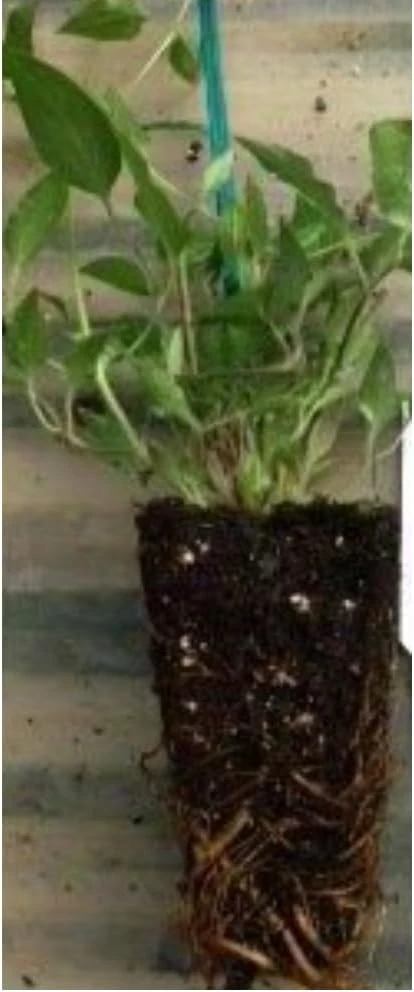
- Q: What size pot does it come in? A: This Akebia quinata plant is shipped in a convenient 2.5-inch nursery pot, providing a healthy start for your garden.
- Q: Is this an indoor or outdoor plant? A: The chocolate vine is primarily an outdoor plant, thriving in garden settings where it can climb and spread. It is hardy in USDA Zones 4-8.
- Q: How much sunlight does it need? A: This twining vine plant prefers full sun to partial shade. In hotter climates, some afternoon shade can be beneficial, while more sun encourages better fruiting and flowering.
- Q: Is this plant easy to care for? A: Yes, the chocolate vine care is relatively easy once established. It’s a low-maintenance plant that adapts well to various conditions, making it suitable for gardeners of all levels.
- Q: What condition will it arrive in? A: Your chocolate vine will arrive as a healthy, live plant in a 2.5″ pot, carefully packaged to ensure its safe journey to your home.
- Q: Can I really eat the fruit of the chocolate vine? A: Absolutely! The fruit of the Akebia quinata edible vine is indeed edible, offering a mild, slightly sweet flavor and a texture similar to coconut. It can be eaten raw or used in recipes.
- Q: How long until it blooms and produces fruit? A: The chocolate vine typically produces its unique purple flowers in early summer, with the edible fruit ripening in late summer to early fall, usually within a year or two of planting.
- Q: Will it survive winter in my zone? A: This perennial vine is hardy in USDA Zones 4-8, meaning it is well-equipped to survive winters in these regions and return year after year.
- Q: What is the best way to support this climbing vine? A: Due to its strong twining habit, the chocolate vine benefits greatly from sturdy support structures like fences, arbors, pergolas, or trellises to facilitate its climbing growth.
Be the first to review “Chocolate Vine Live Plant – Edible Akebia quinata – 2.5″ Pot – Outdoor”
People Also Viewed



Reviews
There are no reviews yet.