
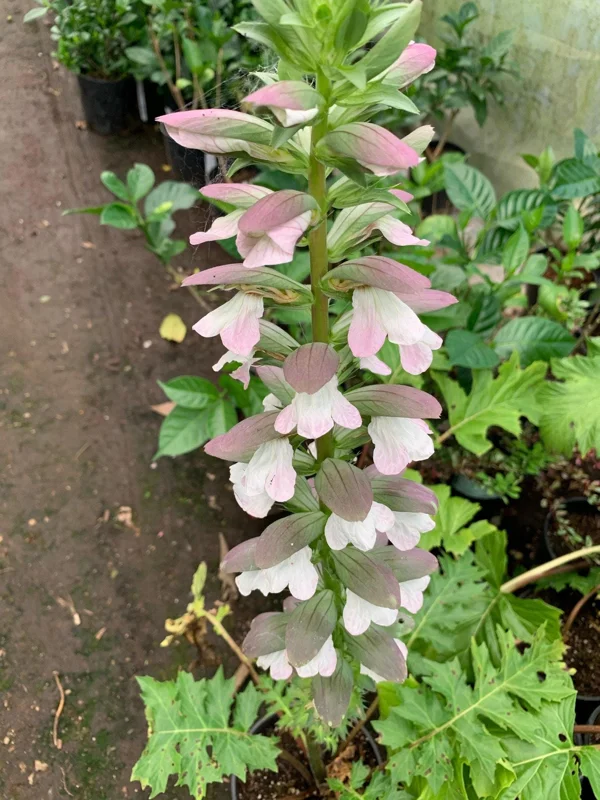
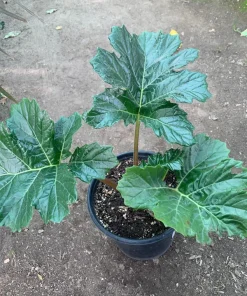
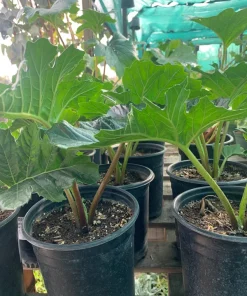
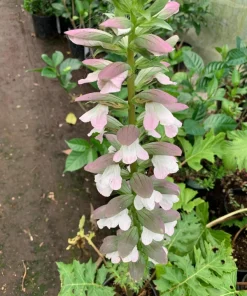
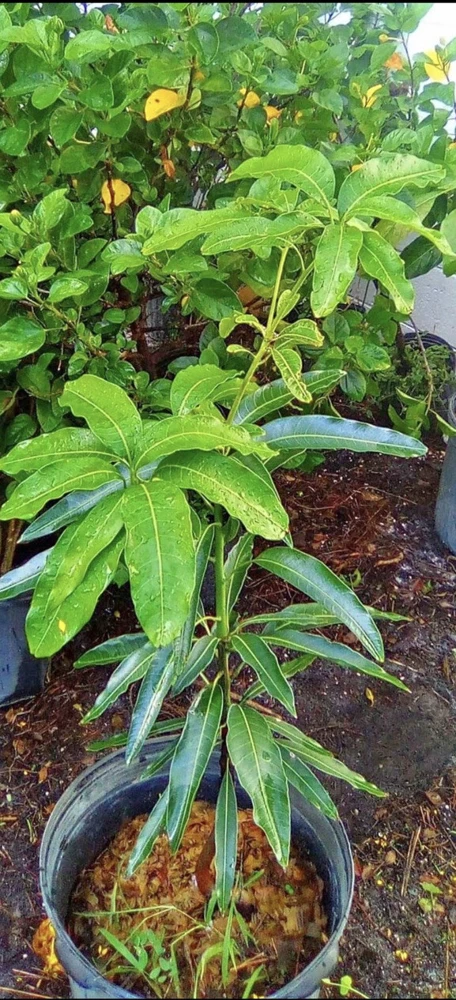
Bear’s Breeches (Acanthus Mollis) Live Plant – 1 ft Tall in 1 Gallon Pot
$51.76
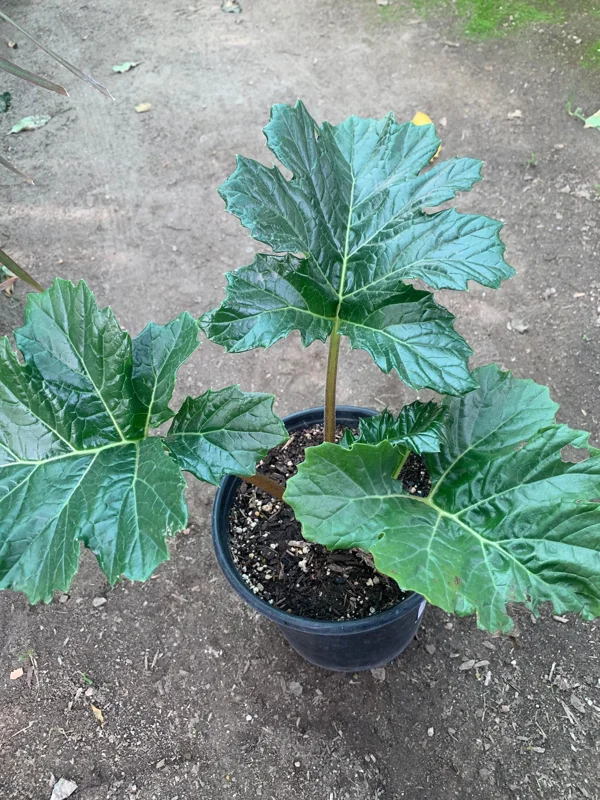
Enhance your garden with a stunning bear’s breeches live plant (Acanthus Mollis). This architectural perennial features bold, deeply cut foliage and impressive flower spikes, thriving in shaded areas. Shipped as a robust 1-foot tall plant in a 1-gallon pot, ready for planting.
Estimated arrival
Sep 14
Sep 19 - Sep 21
Sep 24 - Sep 28
Shop With Confidence
30-Day Plant Health Guarantee
Arrives damaged? We’ll replace it free — see our return policy.
Responsive Support
Email us anytime, we reply within 1 business day.
Expert Packaging
Temperature-controlled shipping to protect your plants in transit.
Secure Checkout
Pay safely with Visa, Mastercard, PayPal.
Plant Specifications
-
USDA Hardiness Zone
USDA Zones 7-10 -
Soil Type
Well-draining, fertile, rich in organic matter -
Sunlight Exposure
Partial to full shade -
Expected Planting Period
Spring to early fall
Overview
Introduce a touch of classic elegance to your landscape with the magnificent bear’s breeches live plant (Acanthus Mollis). Known for its dramatic, deeply lobed leaves and towering flower spikes, this architectural perennial creates a stunning focal point in any garden. Originating from the Mediterranean region, Acanthus Mollis has been admired for centuries, inspiring classical art and architecture with its distinctive foliage. This robust plant, also commonly known as artist’s acanthus, offers both visual appeal and remarkable resilience, making it a favorite among gardeners seeking both beauty and low maintenance. Our acanthus mollis plant is shipped as a healthy, established specimen, approximately 1 foot tall and rooted in a 1-gallon pot, ready to thrive in your outdoor space.
The allure of bear’s breeches live plant lies not only in its striking appearance but also in its ability to adapt to various growing conditions, particularly excelling in partial to full shade. Its large, glossy green leaves provide year-round interest, while the impressive flower stalks, often reaching several feet in height, emerge in late spring to early summer, adorned with white or pinkish-purple flowers encased in spiny bracts. This plant is an excellent choice for creating dramatic borders, filling shady spots, or adding a touch of classical grandeur to your garden design. Embrace the timeless beauty and architectural form of this exceptional perennial.
Key Benefits
The bear’s breeches live plant offers a multitude of benefits that make it an outstanding addition to almost any garden setting. Its unique characteristics contribute to both aesthetic appeal and garden health.
- Dramatic Foliage: Enjoy the bold and deeply lobed, glossy green leaves that provide a lush, architectural presence throughout the growing season. This foliage offers continuous interest even when not in bloom, making it an excellent choice for foundational plantings.
- Impressive Flower Spikes: Witness the spectacular tall flower spikes that emerge in summer, featuring white or purplish flowers with prominent bracts, adding vertical interest and a touch of drama to your garden. These unique blooms are a conversation starter and attract pollinators.
- Shade Tolerance: This plant thrives in partial to full shade, making it an ideal solution for brightening up those challenging, lower-light areas of your garden where many other plants struggle. It is a fantastic shade garden plant that performs exceptionally well.
- Low Maintenance: Once established, Acanthus Mollis is remarkably low-maintenance, requiring minimal care. It is drought-tolerant and generally resistant to pests and diseases, allowing you more time to enjoy its beauty.
- Architectural Appeal: Known as an architectural perennial, its bold form and structure make it perfect for formal gardens, woodland settings, or as a striking specimen plant, providing a strong visual anchor.
- Deer Resistant: Its spiny bracts and somewhat bitter taste deter deer, making it a great option for gardens in areas prone to deer browsing.
- Erosion Control: With its robust root system and spreading habit, bear’s breeches live plant can help stabilize soil on slopes and prevent erosion.
Plant Care & Growing Tips
Caring for your acanthus mollis plant is relatively straightforward, and with the right conditions, it will flourish and provide years of enjoyment. While it’s a resilient plant, understanding its preferences will ensure optimal growth and blooming. The key to a healthy plant lies in proper site selection and consistent care during its establishment phase.
When it comes to sunlight, bear’s breeches live plant prefers partial to full shade. In hotter climates, full shade is ideal to prevent leaf scorch, while in cooler regions, it can tolerate more sun, especially morning sun. Aim for an area that receives 2-4 hours of direct morning sun or dappled light throughout the day. The soil should be well-draining, fertile, and rich in organic matter. While it tolerates various soil types, a loamy soil with a neutral to slightly alkaline pH is preferred. Ensure good drainage to prevent root rot, as wet feet are detrimental to this plant. For watering, keep the soil consistently moist, especially during dry spells and in its first year of establishment. Once mature, it becomes quite drought-tolerant, but occasional deep watering during prolonged dry periods will promote healthier growth and more vibrant foliage. Overwatering, however, should be avoided.
This ornamental acanthus is hardy in USDA Zones 7-10, though some varieties may extend into Zone 6 with adequate winter protection. In colder zones, it can be grown as an annual or brought indoors. Fertilize in spring with a balanced, slow-release granular fertilizer or a layer of compost to provide essential nutrients for vigorous growth. Deadhead spent flower spikes to encourage tidiness and potentially a second flush of blooms, though the dried spikes can also add winter interest. Watch out for powdery mildew in humid conditions; ensuring good air circulation can help prevent this. Slugs and snails may occasionally feed on the leaves, especially in damp environments, so monitor and treat as needed. Regular division every few years can help maintain plant vigor and control its spread.
Size & Details
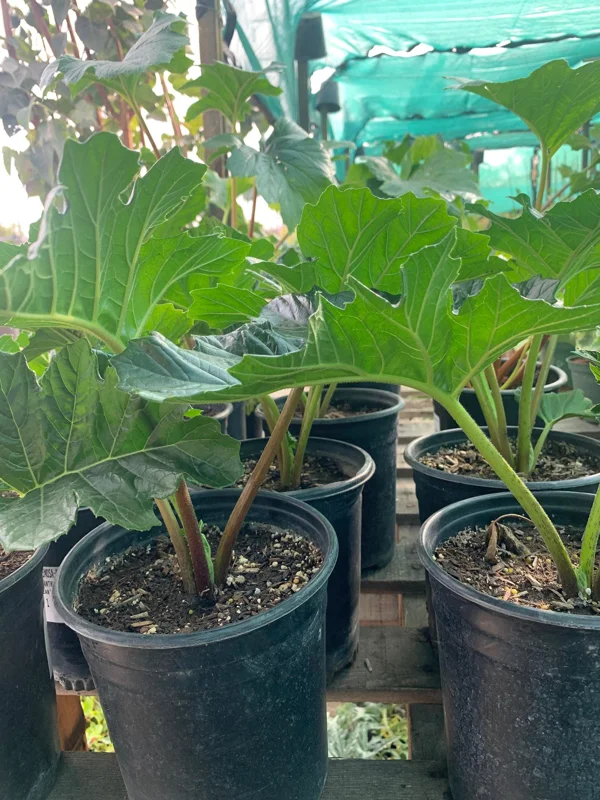
This offering is for one healthy bear’s breeches live plant (Acanthus Mollis), carefully cultivated and prepared for shipment. Each plant measures approximately 1 foot (12 inches) in height from the base of the soil to the top of the foliage, providing a substantial specimen ready to make an immediate impact in your garden. The plant is firmly rooted and established in a 1-gallon nursery pot, ensuring a well-developed root system for successful transplanting. Acanthus Mollis is a moderately fast-growing perennial, typically reaching a mature height of 3-5 feet and spreading 2-3 feet wide, though flower spikes can extend even taller. It will continue to grow and establish itself over the first few seasons, gradually filling out its designated space. The plant ships in its pot, minimizing transplant shock and allowing for a smooth transition to your garden bed or larger container. Expect it to begin producing its characteristic flower spikes in late spring to early summer once established, offering a spectacular display.
Frequently Asked Questions
- Q: How big does this plant get? A: Your bear’s breeches live plant typically grows to a mature height of 3-5 feet with a spread of 2-3 feet. Its impressive flower spikes can reach up to 6 feet tall, adding significant vertical interest to your garden.
- Q: What size pot does it come in? A: This plant is shipped in a 1-gallon nursery pot, ensuring it has a well-established root system for successful transplanting into your garden or a larger decorative container.
- Q: Is this an indoor or outdoor plant? A: Acanthus Mollis is primarily an outdoor perennial, thriving in garden beds. While it can be briefly grown indoors in very bright conditions, it performs best when planted in the ground outdoors where it has space to grow as a shade garden plant.
- Q: How much sunlight does it need? A: This plant prefers partial to full shade. In regions with hot summers, full shade is recommended to protect its foliage from scorching. In cooler climates, it can tolerate more morning sun.
- Q: Is this plant easy to care for? A: Yes, acanthus mollis plant is considered low-maintenance once established. It’s drought-tolerant and generally pest-resistant, making it a great choice for gardeners looking for an easy-care architectural perennial.
- Q: What condition will it arrive in? A: Your plant will arrive healthy and well-packaged, carefully secured in its 1-gallon pot to minimize stress during transit. We take great care to ensure it reaches you in excellent condition, ready for planting.
- Q: Will it survive winter in my zone? A: Bear’s breeches live plant is hardy in USDA Zones 7-10. If you are in a colder zone, you may need to provide winter protection or consider growing it as an annual.
- Q: When is the best time to plant? A: The best time to plant your Acanthus Mollis is in spring or early fall, allowing it ample time to establish its root system before extreme temperatures.
- Q: What type of soil does it prefer? A: This plant thrives in well-draining, fertile soil rich in organic matter. It tolerates a range of soil types but prefers a neutral to slightly alkaline pH. Good drainage is crucial to prevent root rot.
- Q: Is it deer resistant? A: Yes, Acanthus Mollis is generally considered deer resistant due to its spiny bracts and taste, making it a good choice for areas where deer are a problem.
Be the first to review “Bear’s Breeches (Acanthus Mollis) Live Plant – 1 ft Tall in 1 Gallon Pot”
People Also Viewed


Reviews
There are no reviews yet.