
Elderberry Live Plant – 3 Pack 6-12″ Sambucus Nigra Shrub Starter
Original price was: $63.99.$48.99Current price is: $48.99.
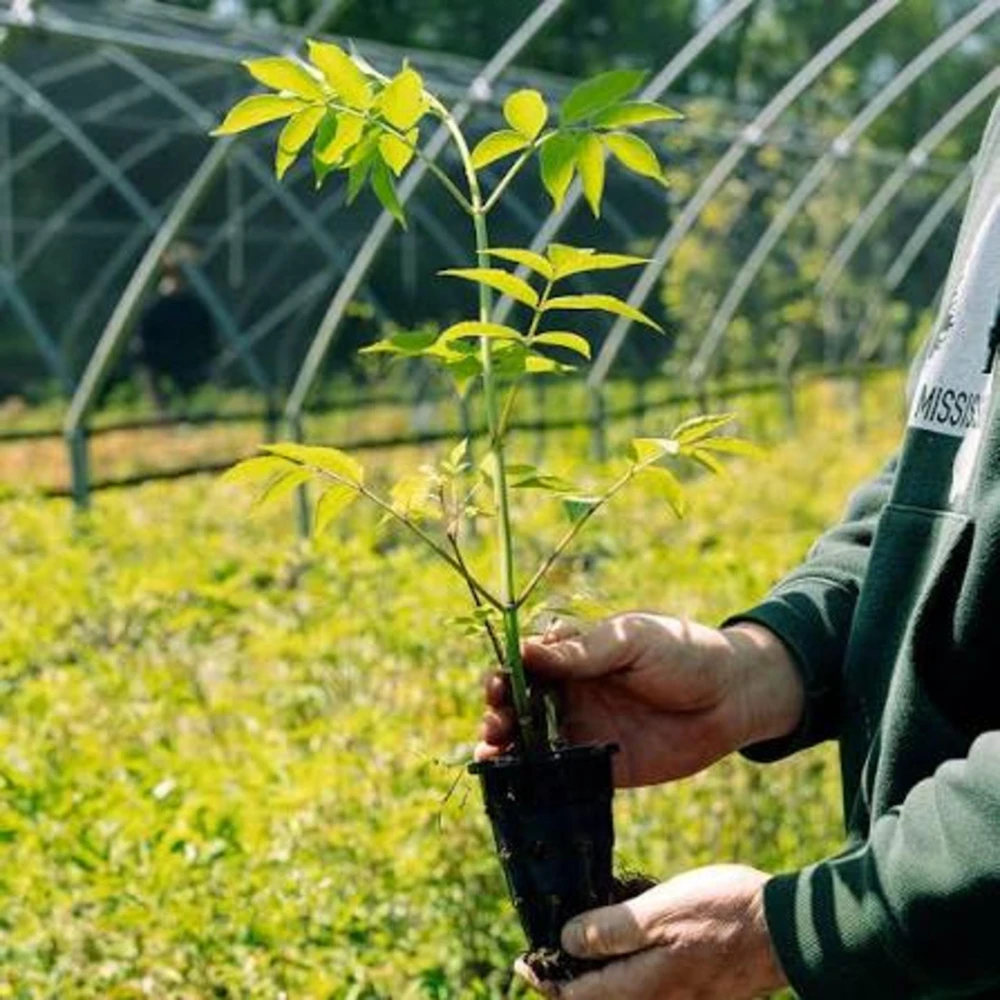
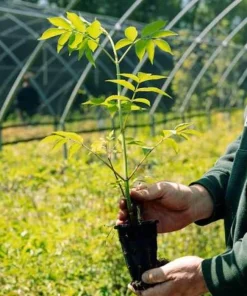
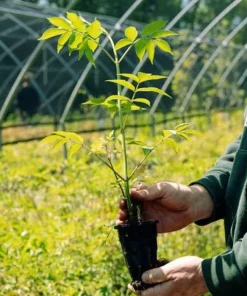
Cultivate your own delicious berries with this 3-pack of elderberry live plant starters. Each Sambucus Nigra shrub is 6-12 inches tall, well-rooted, and ready for planting. Ideal for creating an edible fruit bush in your garden or a thriving permaculture plant system.
Estimated arrival
Oct 10
Oct 15 - Oct 17
Oct 20 - Oct 24
Shop With Confidence
30-Day Plant Health Guarantee
Arrives damaged? We’ll replace it free — see our return policy.
Responsive Support
Email us anytime, we reply within 1 business day.
Expert Packaging
Temperature-controlled shipping to protect your plants in transit.
Secure Checkout
Pay safely with Visa, Mastercard, PayPal.
Plant Specifications
-
USDA Hardiness Zone
USDA Zones 3-9 -
Soil Type
Well-draining, fertile soil rich in organic matter -
Sunlight Exposure
Full sun to partial shade -
Expected Planting Period
Spring to early fall
Overview
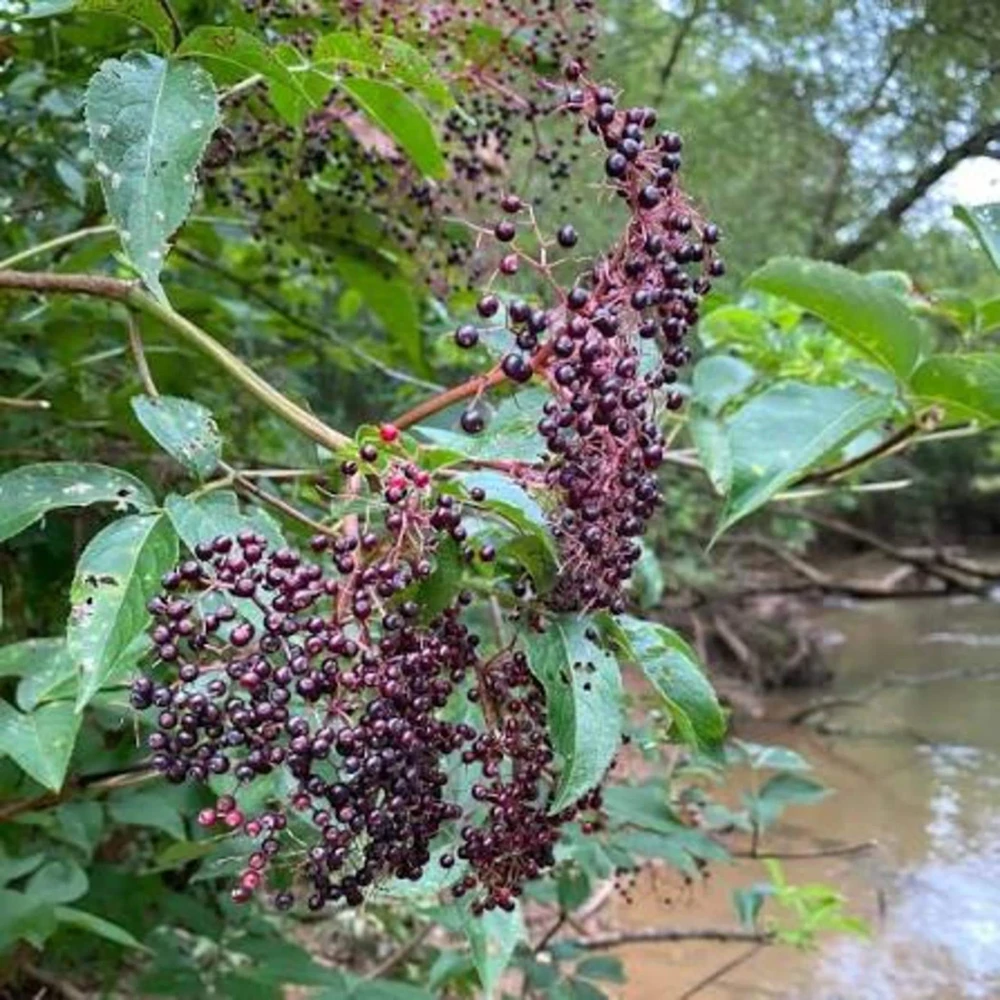
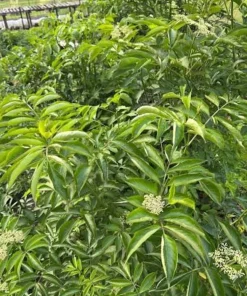
Bring the joy of homegrown berries to your garden with our 3-pack of elderberry live plant starters. These vigorous Sambucus Nigra shrub cuttings are well-rooted and measure between 6-12 inches, making them the perfect foundation for your edible landscape. Elderberries are celebrated for their bountiful harvests of nutrient-rich berries, which can be used in a variety of culinary applications, from jams and jellies to pies and wines. Beyond their delicious fruit, these fast-growing shrubs offer beautiful summer blooms and serve as an excellent addition to any permaculture or backyard garden project. Our elderberry live plant offerings are carefully cultivated to ensure a strong start for your gardening success.
Each starter plant is a robust specimen, ready to be transplanted into your garden or larger container. The Sambucus Nigra shrub is known for its resilience and adaptability, making it a favorite among both seasoned gardeners and beginners looking to add a productive and attractive plant to their outdoor space. Whether you’re aiming for a full-scale edible garden or simply want a few berry-producing bushes, these starter plants provide a convenient and reliable way to begin your elderberry journey. Experience the satisfaction of harvesting your own fruit and contributing to a sustainable ecosystem with this fantastic elderberry live plant.
Key Benefits
Adding an elderberry live plant to your garden offers a multitude of advantages, enhancing both the aesthetic appeal and productivity of your outdoor space. These versatile shrubs are not only beautiful but also provide a valuable food source and contribute to local biodiversity. Discover the many reasons why an elderberry plant is a fantastic choice for your home:
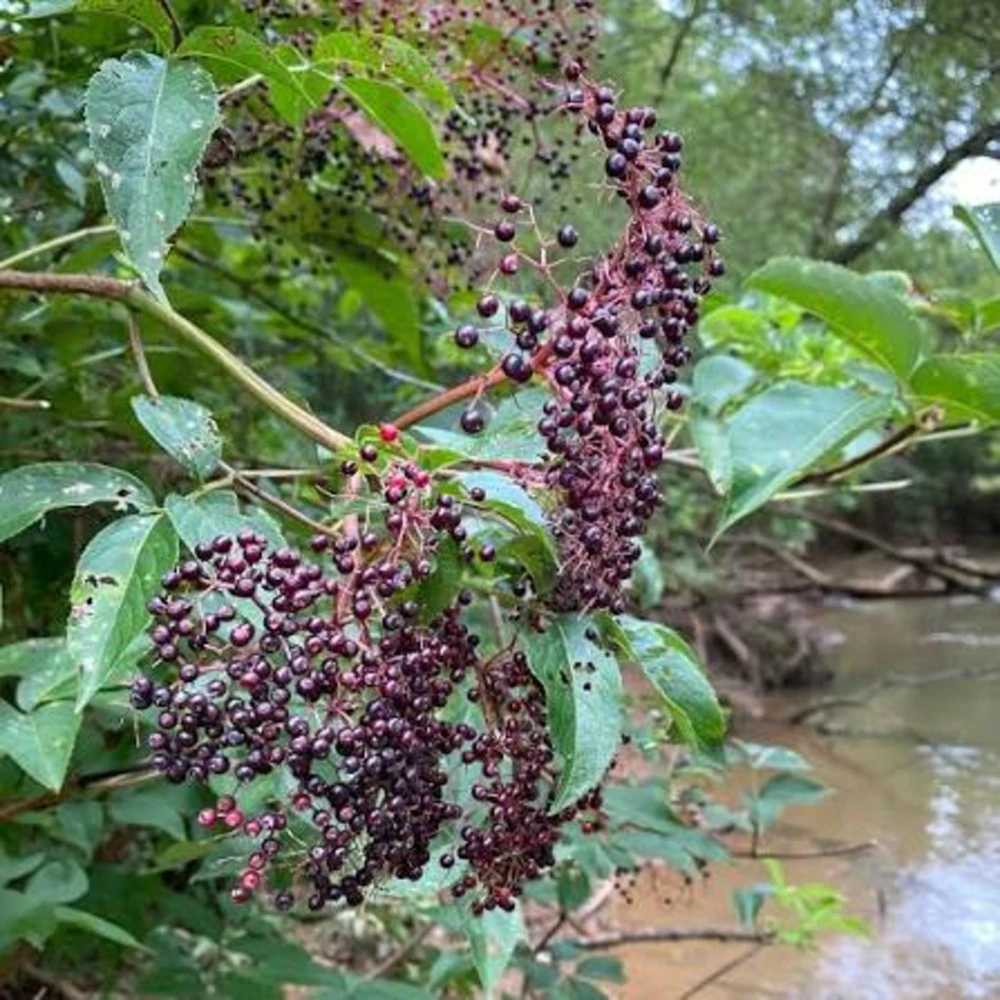
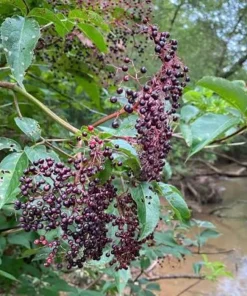
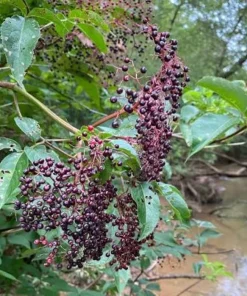
- Abundant Edible Berries: Enjoy a prolific harvest of dark, antioxidant-rich elderberries, perfect for making jams, jellies, syrups, pies, and wine. The berries are a delicious and healthy addition to any diet.
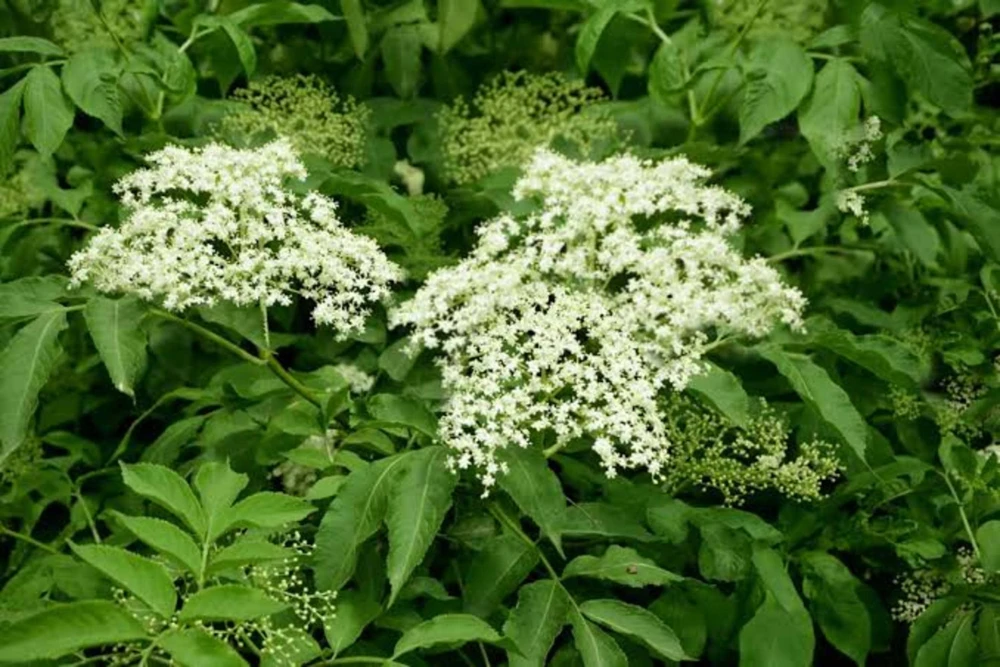
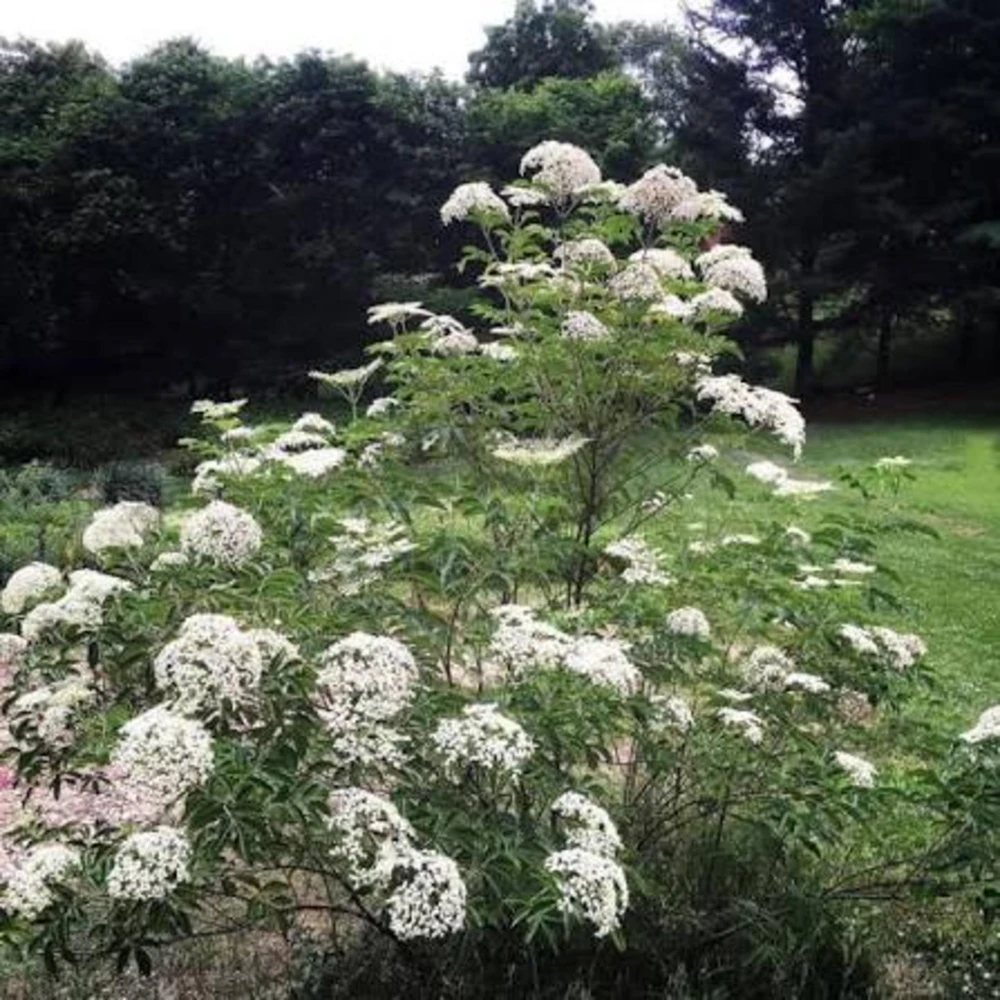
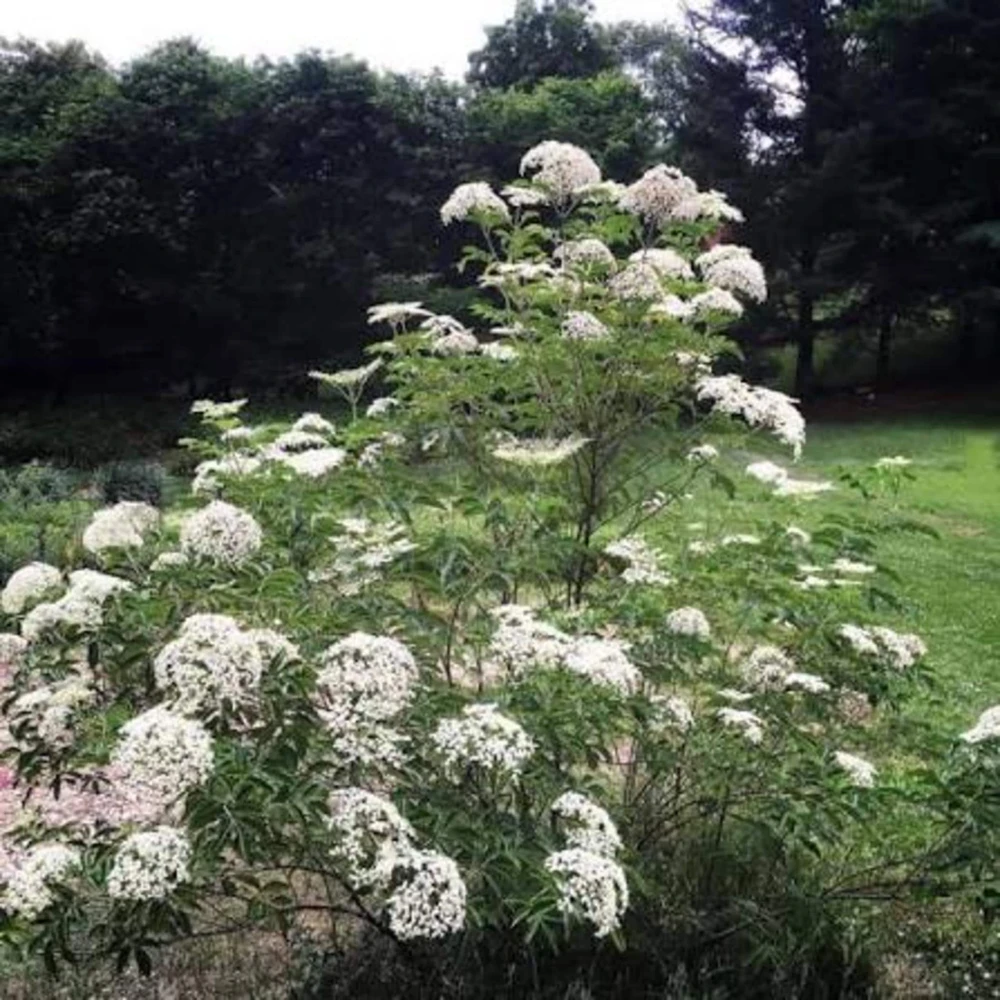
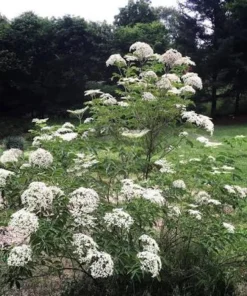
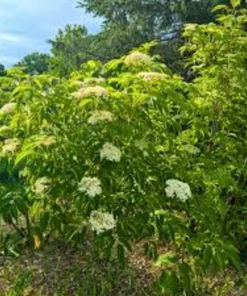
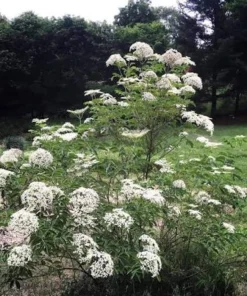
- Beautiful Blooms: In late spring to early summer, the Sambucus Nigra shrub produces large, flat clusters of fragrant white flowers, adding ornamental value to your garden before the berries even appear.
- Fast-Growing and Resilient: Elderberries are known for their rapid growth rate and hardy nature, quickly establishing themselves and producing fruit, even in varying conditions. This makes them an excellent permaculture plant.
- Wildlife Attractor: The flowers attract beneficial pollinators like bees, while the berries provide a food source for birds, contributing to a vibrant and healthy garden ecosystem.
- Low Maintenance: Once established, elderberry plants require minimal care, making them ideal for gardeners seeking productive plants without extensive upkeep. This contributes to easy elderberry plant care.
- Versatile Landscaping: Suitable for hedges, borders, or as stand-alone specimens, the edible fruit bush adapts well to various garden designs and purposes.
- Medicinal Properties: Elderberries and elderflowers have a long history of traditional use in herbal medicine, often utilized for their immune-boosting properties.
Plant Care & Growing Tips
Proper elderberry plant care is straightforward, ensuring your elderberry live plant thrives and produces a bountiful harvest. These resilient shrubs are relatively easy to grow, making them suitable for gardeners of all experience levels. To get the best results from your Sambucus Nigra shrub, pay attention to its light, water, and soil requirements.
Elderberries prefer a location with at least 6 hours of full sun per day, though they can tolerate some partial shade, especially in hotter climates. Adequate sunlight is crucial for maximizing berry production. When it comes to watering, keep the soil consistently moist, particularly during dry spells and when the plant is establishing. Avoid waterlogging, as this can lead to root rot. Well-draining soil is essential; elderberries thrive in rich, slightly acidic to neutral soil (pH 5.5-6.5) that is high in organic matter. Amending your planting site with compost before planting will provide a good start. These plants are generally hardy in USDA Zones 3-9, tolerating a wide range of temperatures.
Fertilize your elderberry plants in early spring with a balanced, all-purpose granular fertilizer or a layer of compost around the base. Pruning is important for maintaining plant health and productivity. In late winter or early spring, remove any dead, damaged, or weak canes. You can also thin out older, less productive canes to encourage new growth, which bears the most fruit. Watch out for common pests like aphids and borers, and address them with organic solutions if necessary. With consistent elderberry plant care, your edible fruit bush will flourish for years to come.
Size & Details
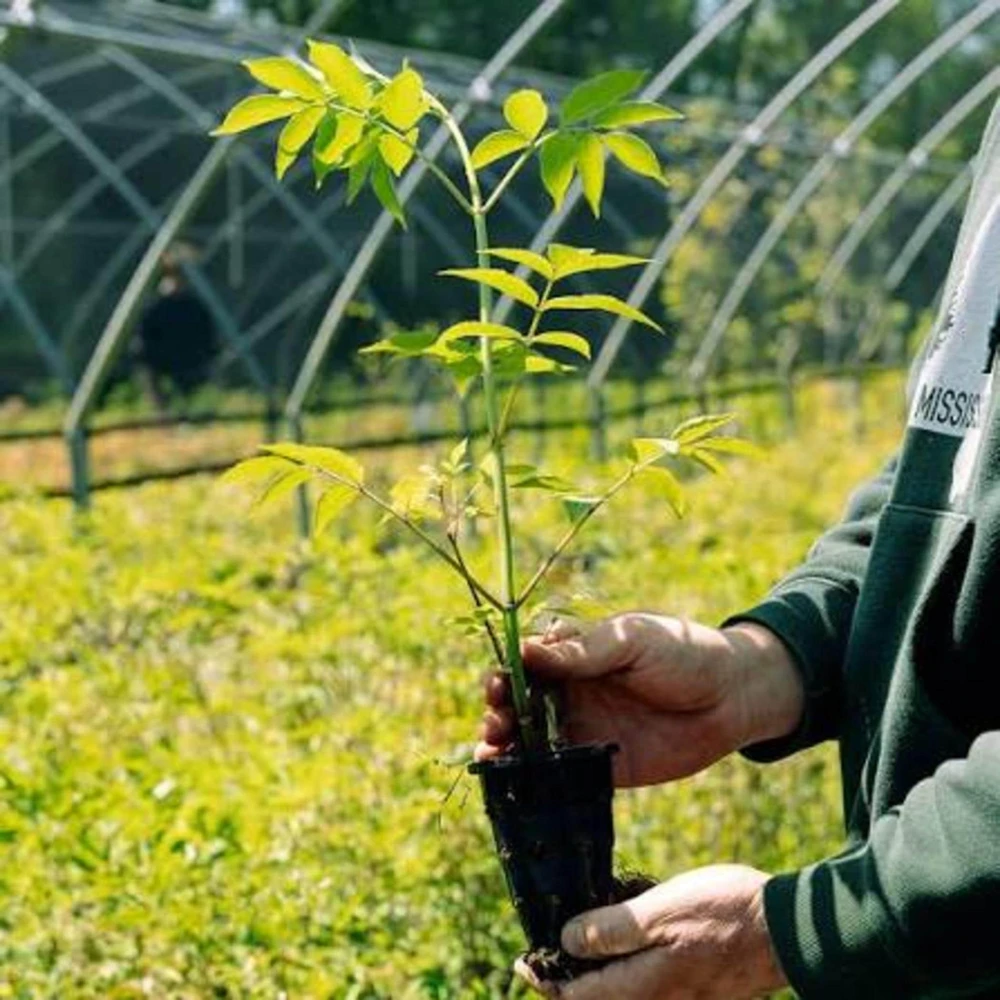
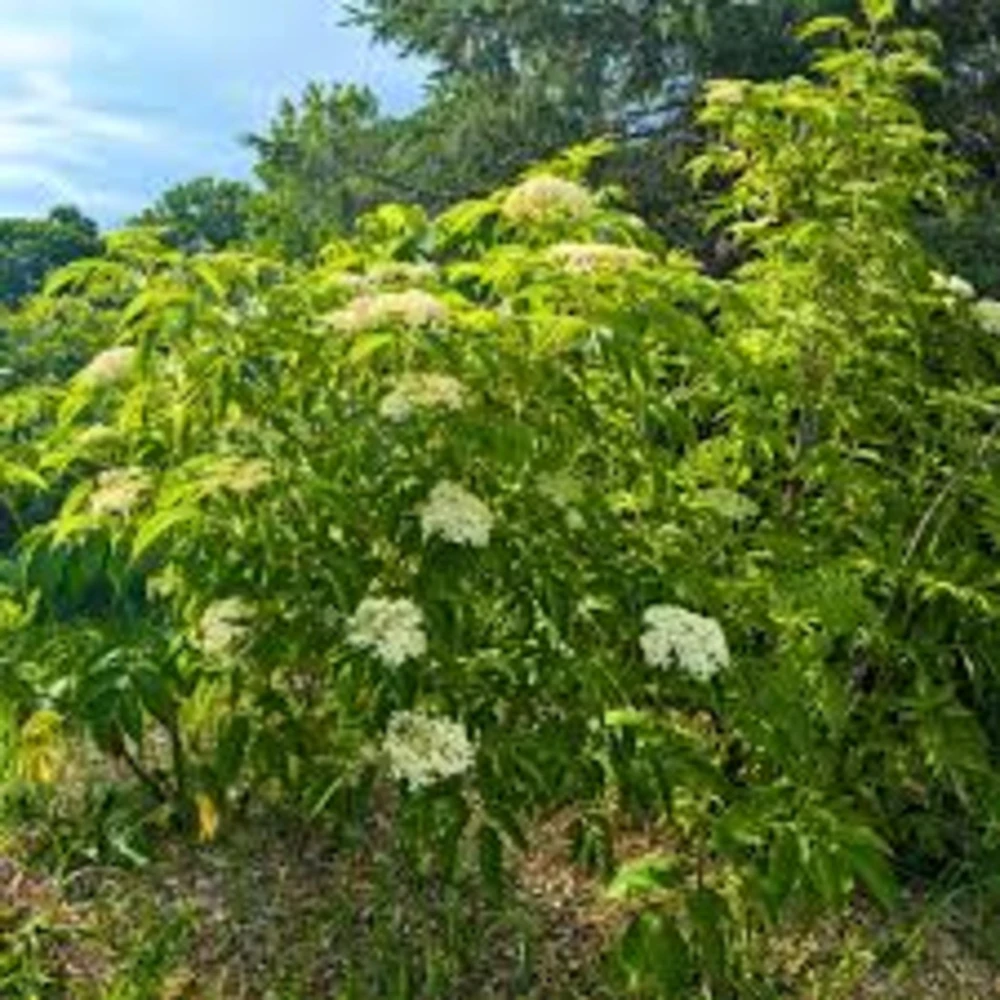
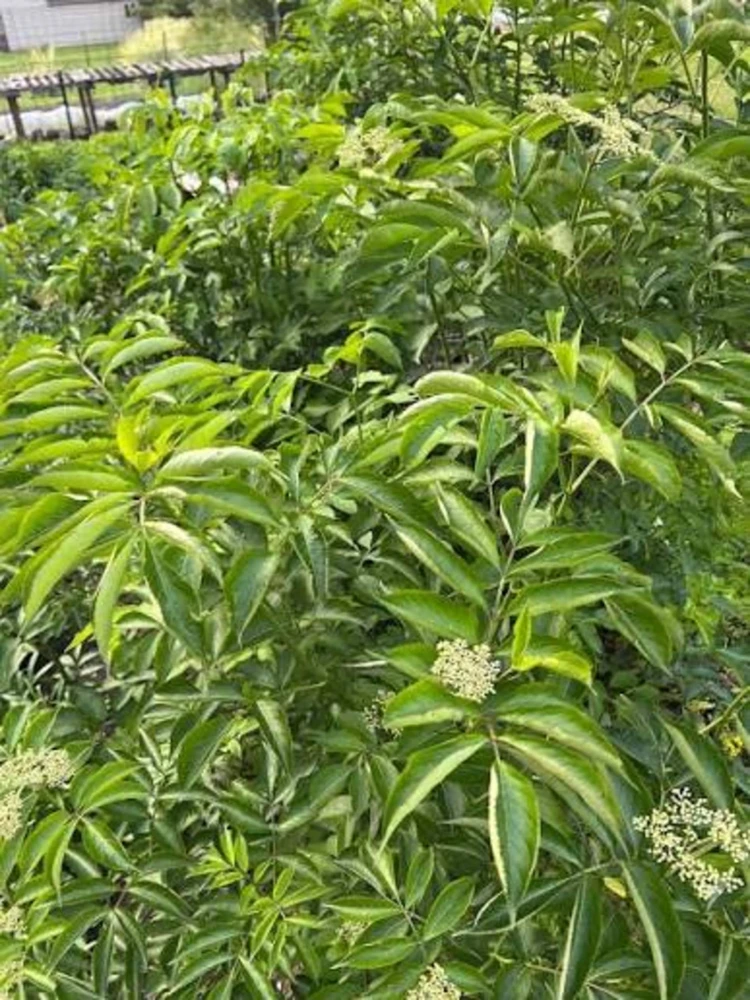
This offering includes a 3-pack of healthy elderberry live plant starters, each measuring 6-12 inches in height from the base of the plug. These are well-rooted cuttings, ensuring they have a strong foundation for rapid growth once planted. The plants are shipped as vigorous plugs, carefully packaged to minimize stress during transit, and are ready for immediate transplanting into your garden or larger pots upon arrival. Expect these Sambucus Nigra shrub plants to establish quickly and grow into substantial bushes, typically reaching mature heights of 6-12 feet tall and wide, depending on growing conditions and pruning practices. They are known for their fast growth rate, often producing their first berries within 1-2 years of planting.
Each starter plant is selected for its robust health, providing you with high-quality material to begin your own edible fruit bush collection. The 6-12 inch size is ideal for transplanting, allowing the plant to adapt to its new environment with ease. These young plants are perfect for starting a new elderberry patch, expanding an existing one, or incorporating them into a diverse permaculture plant system. With proper care, these plants will develop into mature, fruit-bearing shrubs, contributing to the beauty and productivity of your landscape.
Frequently Asked Questions
- Q: How big does this elderberry live plant get? A: Once mature, the Sambucus Nigra shrub typically grows to a height and spread of 6-12 feet. The plants included in this pack are starter plants, measuring 6-12 inches tall.
- Q: Is this an indoor or outdoor plant? A: Elderberry plants are outdoor shrubs. They require full sun to partial shade and are best suited for planting directly in the ground in a garden or a very large outdoor container.
- Q: How much sunlight does my edible fruit bush need? A: Elderberries thrive in full sun, which means at least 6 hours of direct sunlight per day. They can tolerate some partial shade, especially in warmer climates, but full sun encourages better fruit production.
- Q: Is this plant easy to care for? A: Yes, elderberry plants are known for being relatively low-maintenance once established. They are hardy and adaptable, making elderberry plant care quite straightforward for most gardeners.
- Q: What condition will the plants arrive in? A: Your elderberry live plant starters will arrive as well-rooted plugs, carefully packaged to ensure their health during transit. It’s normal for live plants to show minor stress after shipping, but they recover quickly with proper hydration and care.
- Q: When is the best time to plant this permaculture plant? A: The best time to plant elderberry starters is in spring after the last frost, or in early fall. This allows the plant to establish its root system before extreme temperatures.
- Q: How long until it produces berries? A: Elderberry plants are fast-growing and can often produce their first berries within 1-2 years of planting, with increasing yields as the plant matures.
- Q: Will this Sambucus Nigra shrub survive winter in my zone? A: Elderberries are very cold hardy and typically thrive in USDA Hardiness Zones 3-9. If you are within these zones, your plant should overwinter successfully.
- Q: Can I grow elderberries in a container? A: While elderberries prefer to be planted in the ground, they can be grown in very large containers (20-gallon or larger) with good drainage, provided they receive adequate water and nutrients.
- Q: What kind of soil does an elderberry prefer? A: Elderberries prefer well-draining, fertile soil rich in organic matter. A slightly acidic to neutral pH (5.5-6.5) is ideal.
Be the first to review “Elderberry Live Plant – 3 Pack 6-12″ Sambucus Nigra Shrub Starter”
People Also Viewed
Flower Seeds
Late Bloomer Wildflower Mix Seeds – 35+ Autumn Flowers, Fall Bloom, Multicolor, Outdoor
Reviews
There are no reviews yet.