

Asparagus Foxtail Fern Live Plant – Potted Houseplant Indoor & Outdoor
Original price was: $43.99.$35.99Current price is: $35.99.
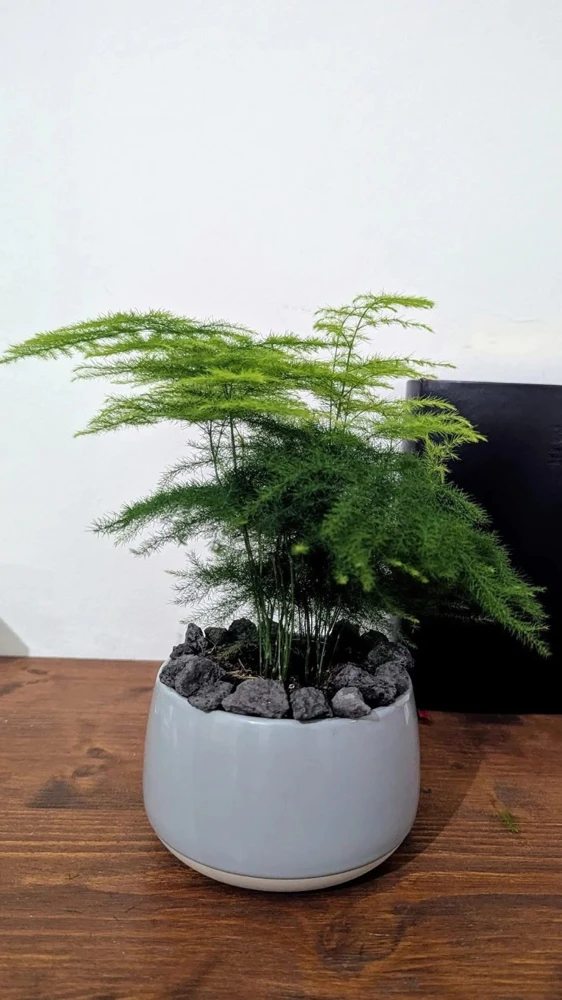
Enhance your home or garden with the graceful asparagus foxtail fern live plant. This vibrant, easy-to-grow houseplant features unique, feathery fronds, perfect for adding a touch of lush greenery indoors or out. Its distinctive appearance makes it a popular choice for both beginners and experienced plant enthusiasts.
Estimated arrival
Oct 27
Nov 01 - Nov 03
Nov 06 - Nov 10
Shop With Confidence
30-Day Plant Health Guarantee
Arrives damaged? We’ll replace it free — see our return policy.
Responsive Support
Email us anytime, we reply within 1 business day.
Expert Packaging
Temperature-controlled shipping to protect your plants in transit.
Secure Checkout
Pay safely with Visa, Mastercard, PayPal.
Plant Specifications
-
USDA Hardiness Zone
USDA zones 9-11 outdoors, otherwise indoor plant -
Soil Type
Well-draining potting mix -
Sunlight Exposure
Bright indirect light -
Expected Planting Period
Year-round indoors, Spring to early summer outdoors (in suitable zones)
Overview
Introduce a touch of elegance and natural beauty to your living space with the exquisite asparagus foxtail fern live plant. Known for its dense, plume-like foliage that creates a soft, feathery texture, this plant, scientifically known as Asparagus densiflorus ‘Myers’, is a standout addition to any plant collection. While commonly called a fern, it’s actually a member of the lily family, offering a unique aesthetic with its upright, bushy growth habit. This versatile plant thrives as an indoor foxtail fern, bringing a refreshing green accent to your home, or as an asparagus fern outdoor specimen, enhancing patios, balconies, or garden beds in appropriate climates. Its distinctive appearance and relatively easy care make it a favorite among plant lovers looking for something beyond the ordinary.
The asparagus foxtail fern live plant is celebrated for its architectural form and vibrant green color, making it an excellent choice for adding texture and visual interest to various settings. Whether you’re aiming to create a lush, tropical feel indoors or seeking a resilient, attractive plant for your outdoor containers, this plant delivers. Its rich history as a decorative plant and its adaptability contribute to its widespread appeal, ensuring it remains a cherished component of both contemporary and traditional plant displays.
Key Benefits
The asparagus foxtail fern live plant offers a multitude of benefits, making it an ideal choice for diverse environments and plant enthusiasts. Its unique characteristics contribute to both aesthetic appeal and ease of maintenance.
- Distinctive Appearance: The plant’s dense, plume-like fronds create a soft, feathery texture that is visually captivating. This unique growth habit provides an architectural element that enhances any space, whether as a standalone feature or part of a larger arrangement.
- Versatile Placement: This plant is highly adaptable, thriving equally well as an indoor foxtail fern in bright, indirect light or as an asparagus fern outdoor in partial shade. Its versatility allows you to enjoy its beauty in various settings, from living rooms to patios.
- Low Maintenance: The asparagus foxtail fern live plant is relatively easy to care for, requiring minimal attention once established. It tolerates a range of conditions, making it suitable for both novice and experienced gardeners. Consistent watering and occasional feeding are usually sufficient.
- Air Purification: Like many houseplants, the foxtail fern contributes to improved indoor air quality by filtering out common toxins. While not as potent as some other plants, it still helps create a healthier living environment.
- Evergreen Foliage: This plant maintains its vibrant green foliage throughout the year, providing continuous beauty and a consistent splash of color. This evergreen nature ensures that your space always feels fresh and lively.
- Drought Tolerance: Once established, the foxtail fern exhibits a good degree of drought tolerance, making it forgiving if you occasionally forget to water. This resilience contributes to its low-maintenance appeal.
- Adds Texture to Landscapes: When used as an asparagus fern outdoor plant, its unique texture and form can add depth and contrast to garden beds, borders, and container arrangements, creating a more dynamic landscape.
Plant Care & Growing Tips
Proper foxtail fern care is essential to ensure your asparagus foxtail fern live plant thrives, whether it’s indoors or outdoors. These plants are generally forgiving, but understanding their basic needs will help them flourish. They appreciate consistent moisture and appropriate lighting conditions to maintain their vibrant green foliage and distinctive plume-like appearance. With a little attention, you can enjoy this beautiful plant for many years.
For sunlight, the asparagus foxtail fern live plant prefers bright, indirect light when grown indoors. Direct, harsh sunlight can scorch its delicate fronds, leading to discoloration. If placing it near a window, ensure it receives filtered light or is positioned a few feet away from the glass. When grown as an asparagus fern outdoor, partial shade is ideal, especially in hotter climates. Morning sun with afternoon shade is usually the best approach to prevent stress. Watering should be consistent, keeping the soil evenly moist but never waterlogged. Allow the top inch of soil to dry out slightly between waterings, and reduce frequency during cooler months. Well-draining soil is crucial to prevent root rot. A standard potting mix amended with some perlite or sand works well. This plant is generally hardy in USDA zones 9-11, where it can be grown as a perennial outdoor plant. In colder zones, it’s best grown in containers and brought indoors before the first frost.
Fertilize your asparagus foxtail fern live plant every 2-4 weeks during the growing season (spring and summer) with a balanced liquid fertilizer diluted to half strength. Reduce or stop fertilization during fall and winter when the plant’s growth slows. While generally robust, watch out for common pests like spider mites or mealybugs, which can be treated with insecticidal soap. Yellowing fronds can indicate overwatering or nutrient deficiency, while browning tips might suggest low humidity or underwatering. Ensuring proper airflow and humidity can also help prevent fungal issues. Understanding these aspects of growing foxtail fern will lead to a healthy and beautiful plant.
Size & Details
The asparagus foxtail fern live plant typically grows into a dense, upright mound, reaching an average height of 2-3 feet and a similar spread when mature, though it can grow larger in ideal outdoor conditions. Its distinctive plume-like fronds can extend up to 2 feet in length, creating a lush, full appearance. This plant is shipped as a healthy, established potted specimen, ready to be placed in your chosen location. The exact pot size may vary but will be appropriate for the plant’s current growth stage, ensuring a smooth transition to its new home. Its moderate growth rate means it will gradually fill out, providing continuous visual interest.
When you receive your asparagus foxtail fern live plant, it will be carefully packaged to minimize stress during transit, arriving vibrant and ready for care. While it doesn’t produce showy flowers, it may occasionally develop small white flowers followed by red berries, which are primarily ornamental and not for consumption. This plant is an excellent choice for adding texture and year-round greenery, whether you’re cultivating an indoor foxtail fern for a vibrant interior display or an asparagus fern outdoor specimen to enhance your garden or patio.
Frequently Asked Questions
- Q: How big does this plant get? A: The asparagus foxtail fern live plant typically grows to about 2-3 feet tall and wide, though it can reach larger sizes in optimal outdoor conditions. Its growth habit is dense and upright, forming a beautiful mound of foliage.
- Q: Is this an indoor or outdoor plant? A: This is a versatile plant that can thrive both indoors and outdoors. It makes an excellent indoor foxtail fern in bright, indirect light, and can be grown as an asparagus fern outdoor in USDA zones 9-11 in partial shade.
- Q: How much sunlight does it need? A: The asparagus foxtail fern live plant prefers bright, indirect light indoors. When grown outdoors, it does best in partial shade, especially protected from harsh afternoon sun. Too much direct sun can scorch its fronds.
- Q: Is this plant easy to care for? A: Yes, foxtail fern care is considered relatively easy, making it a good choice for both beginners and experienced plant enthusiasts. It requires consistent watering and appropriate light, but is quite forgiving.
- Q: What condition will it arrive in? A: Your asparagus foxtail fern live plant will arrive as a healthy, established potted plant, carefully packaged to ensure it reaches you in excellent condition, ready for planting or display.
- Q: How often should I water my foxtail fern? A: Water your asparagus foxtail fern live plant when the top inch of soil feels dry to the touch. Keep the soil consistently moist but avoid overwatering, which can lead to root rot. Adjust watering frequency based on environmental conditions.
- Q: Is the foxtail fern pet-safe? A: It’s important to note that the berries of the asparagus foxtail fern live plant are considered toxic if ingested, and the foliage can cause mild skin irritation. It’s best to keep this plant out of reach of pets and small children.
- Q: When is the best time for growing foxtail fern outdoors? A: If you’re in a suitable climate (USDA zones 9-11), you can plant your asparagus fern outdoor in spring after the last frost, giving it time to establish before the heat of summer. For indoor plants, it can be grown year-round.
- Q: What kind of soil does it need? A: This plant thrives in well-draining soil. A good quality potting mix with added perlite or sand to improve drainage is ideal for container growing.
- Q: How can I encourage lush growth for my asparagus foxtail fern? A: To encourage lush growth, provide consistent moisture, bright indirect light, and feed with a balanced liquid fertilizer during the growing season. Regular pruning of old or yellowing fronds can also help maintain its appearance and vigor.
Be the first to review “Asparagus Foxtail Fern Live Plant – Potted Houseplant Indoor & Outdoor”
People Also Viewed
Shrubs
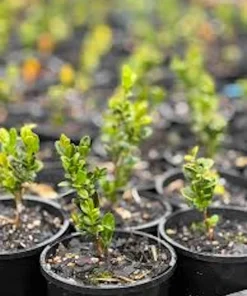
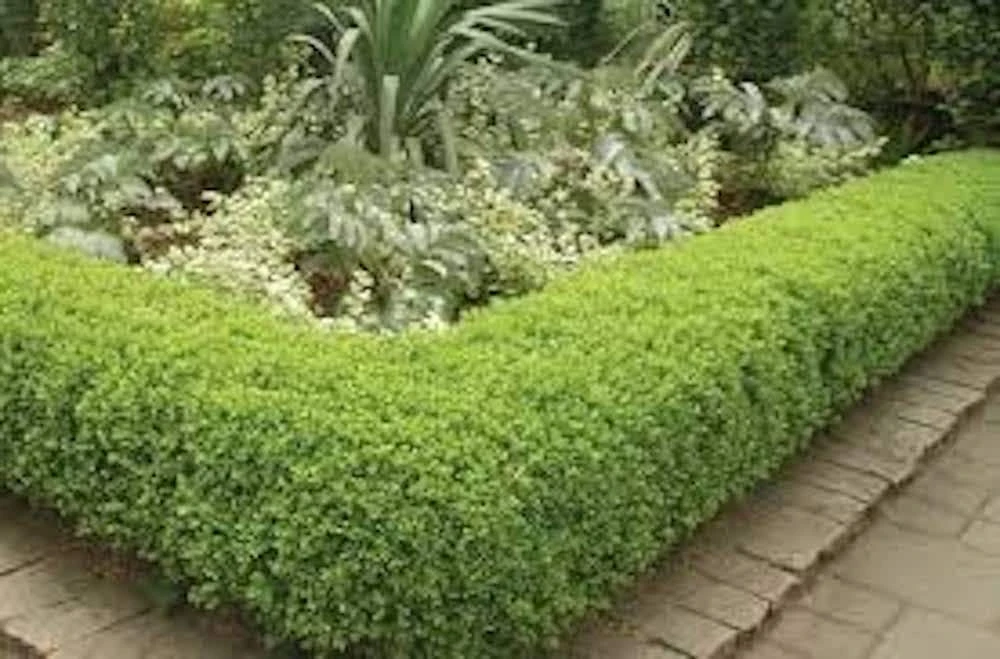
3 Japanese Boxwood Hedge Starter Plugs – Buxus microphylla var. japonica Live Plants, 2-4″ Tall

Houseplants
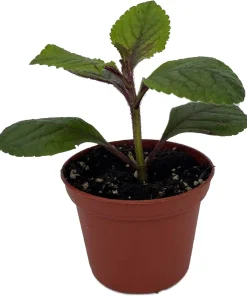
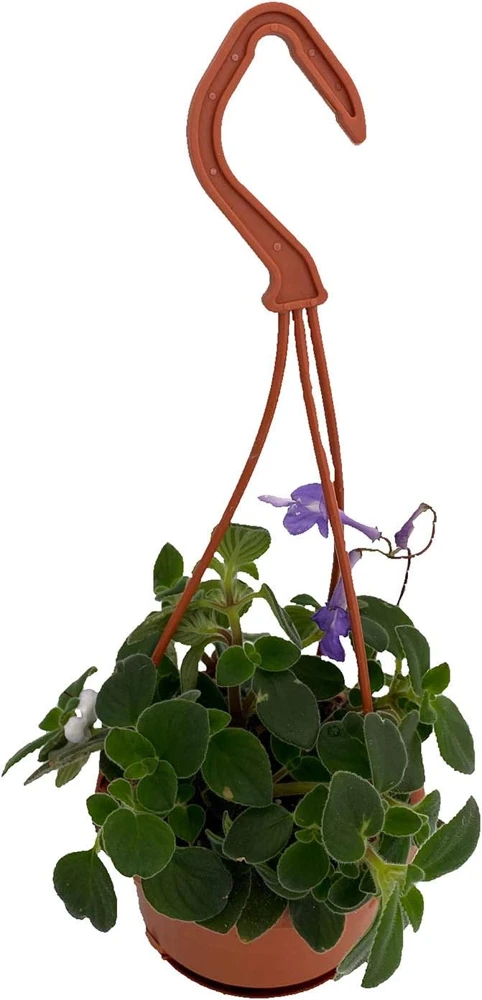
Concord Blue Cape Primrose – Streptocarpella Live Plant – 4″ Mini Hanging Basket – Indoor/Patio
Shrubs
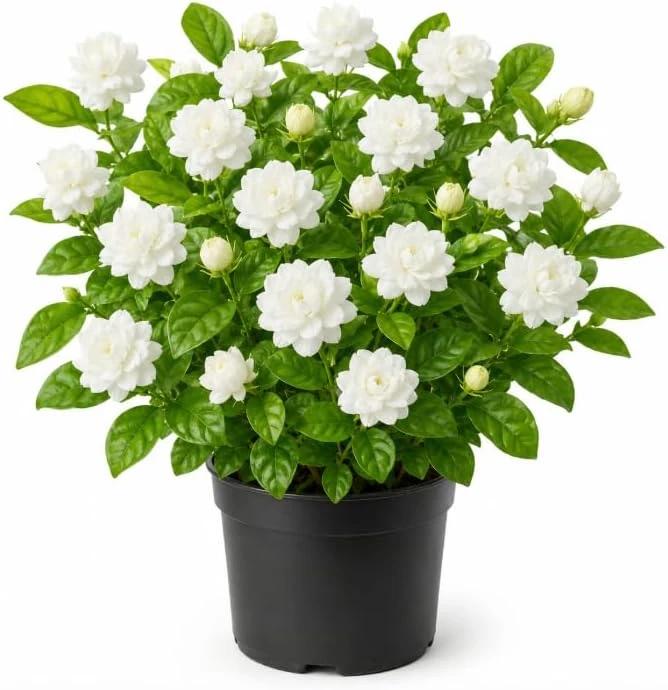
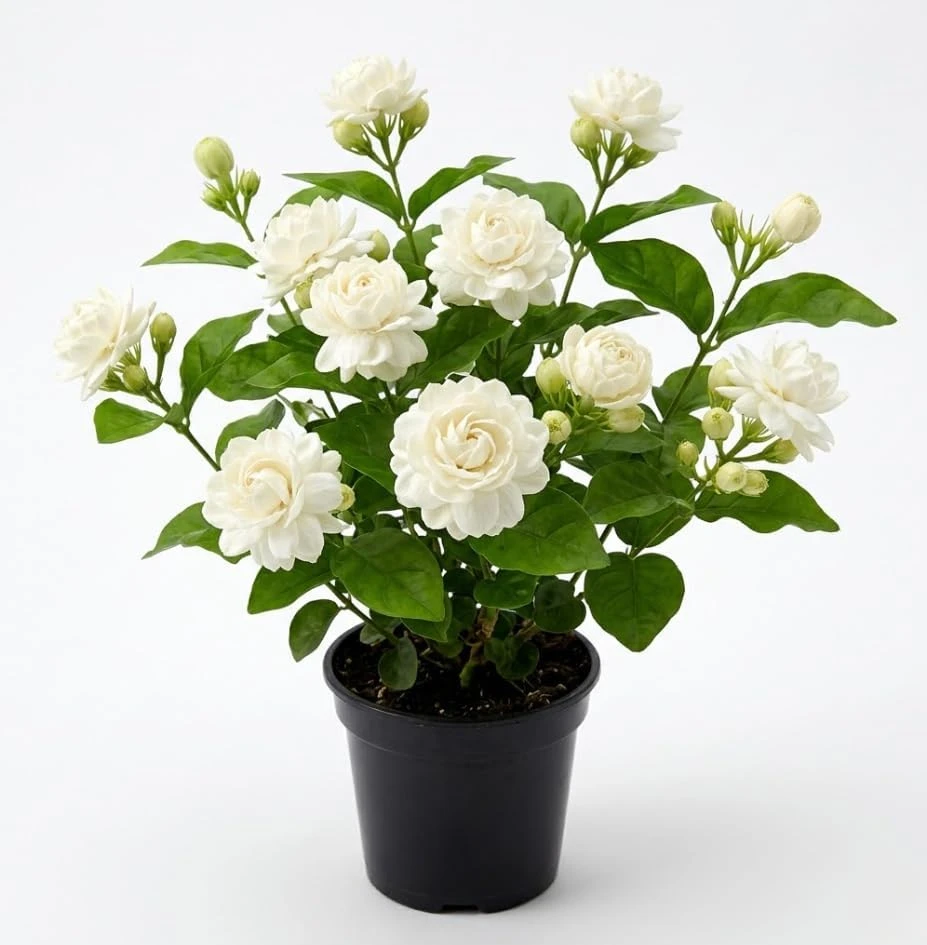
Grand Duke Jasmine Live Plant – 1 Gallon Pot, 1-2 Feet Tall, Double White Blooms, Outdoor Shrub
Reviews
There are no reviews yet.