
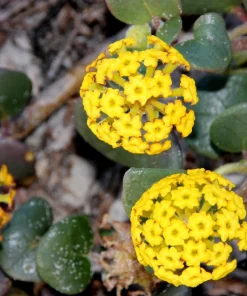
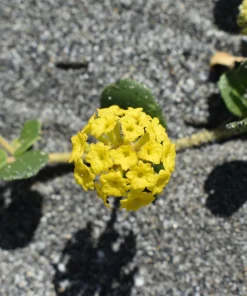
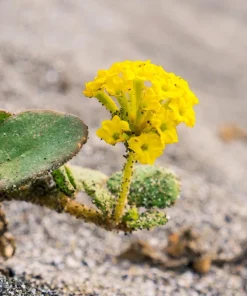
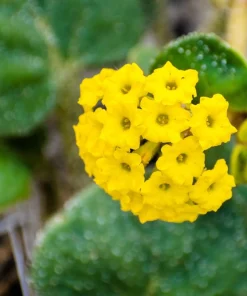
Yellow Sand Verbena Seeds – Coastal Abronia Latifolia – 20 Seeds – Outdoor Flower
Original price was: $36.99.$16.99Current price is: $16.99.
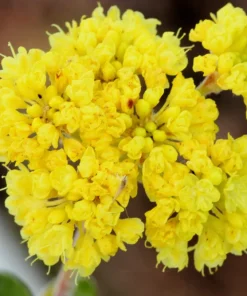
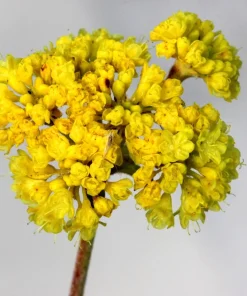
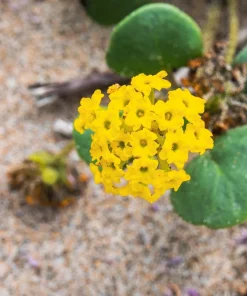
Cultivate stunning Yellow Sand Verbena seeds, also known as Coastal Sand Verbena, a vibrant native flower perfect for sunny, well-drained gardens. These Abronia latifolia seeds produce bright yellow blooms and succulent foliage, ideal for rock gardens and coastal landscapes.
Estimated arrival
Sep 14
Sep 19 - Sep 21
Sep 24 - Sep 28
Shop With Confidence
30-Day Plant Health Guarantee
Arrives damaged? We’ll replace it free — see our return policy.
Responsive Support
Email us anytime, we reply within 1 business day.
Expert Packaging
Temperature-controlled shipping to protect your plants in transit.
Secure Checkout
Pay safely with Visa, Mastercard, PayPal.
Plant Specifications
-
USDA Hardiness Zone
7 - 11 -
Soil Type
Sandy, well-draining soil -
Sunlight Exposure
Full sun -
Expected Planting Period
Spring, when soil warms to 60F
Overview
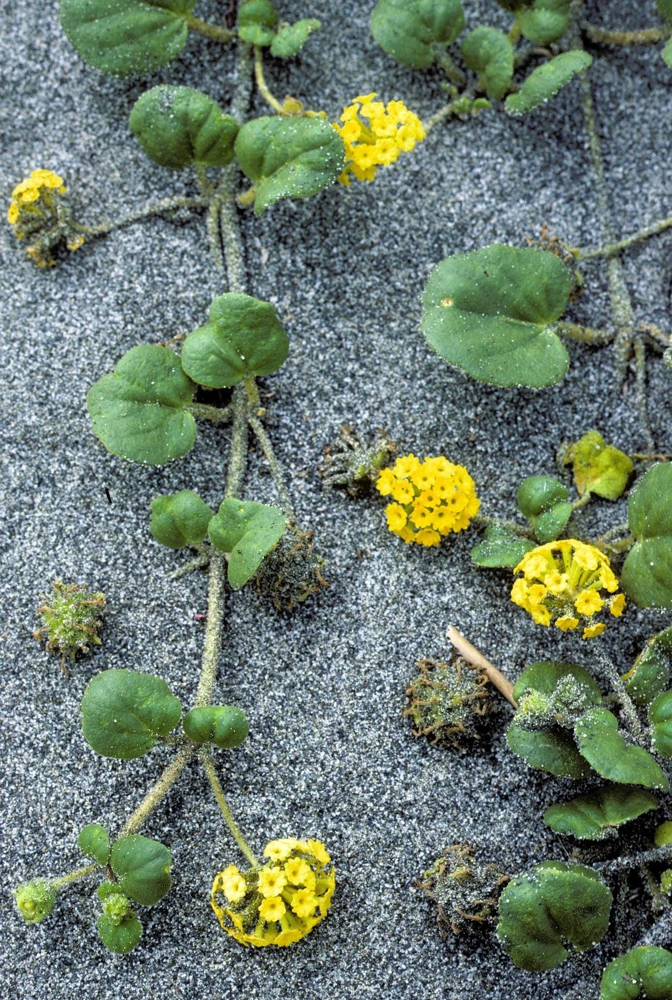
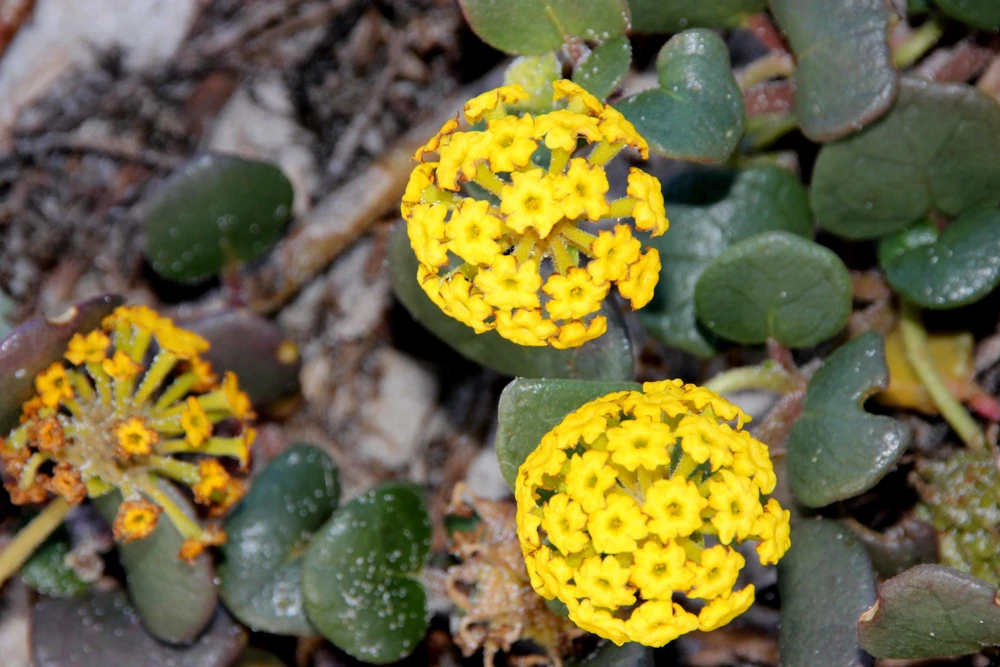
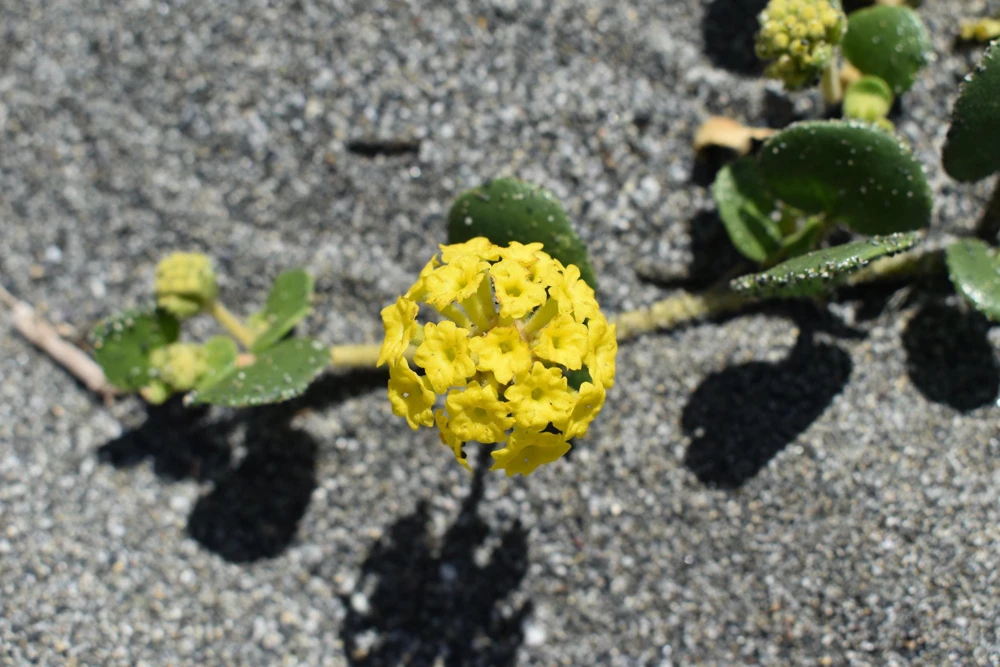
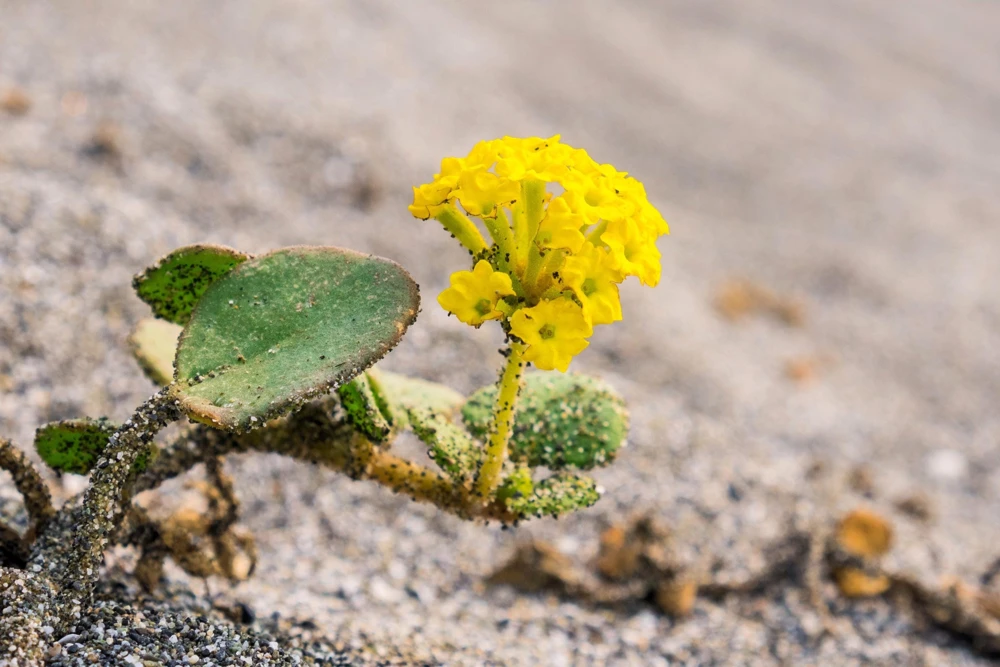
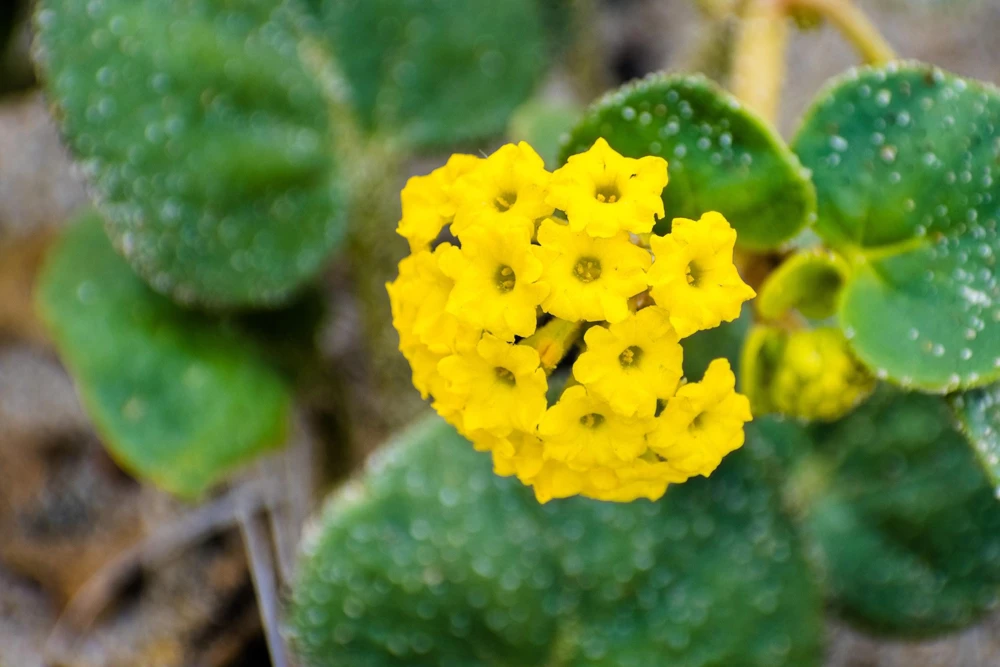
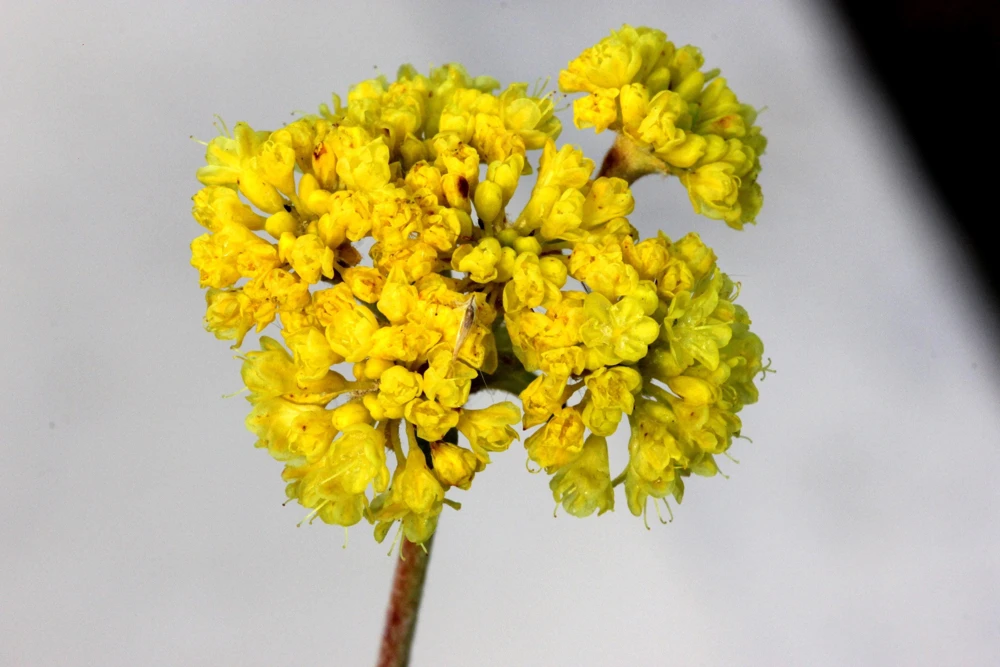
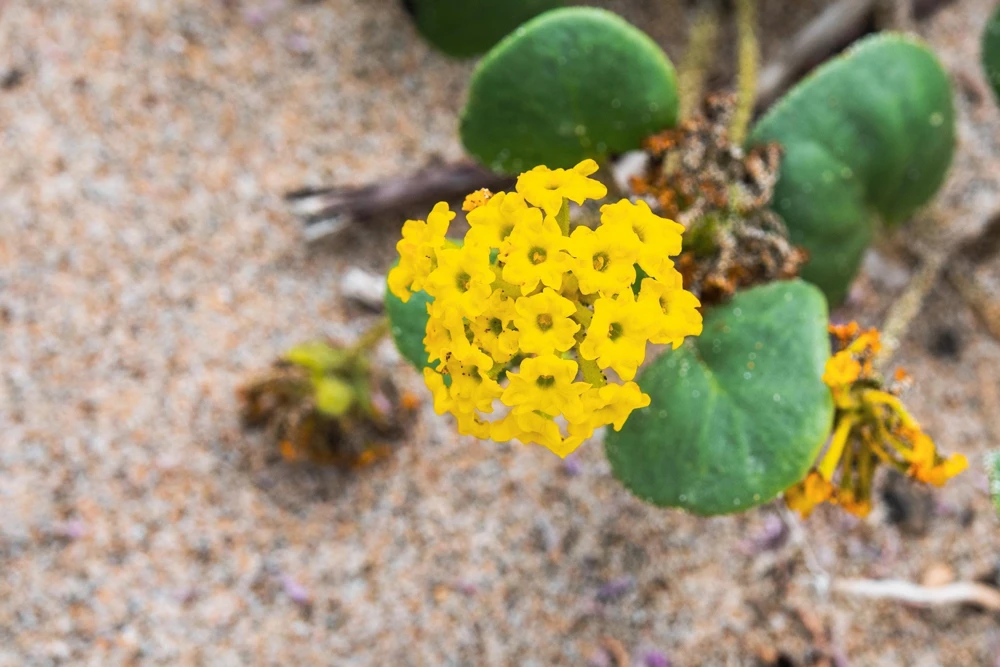
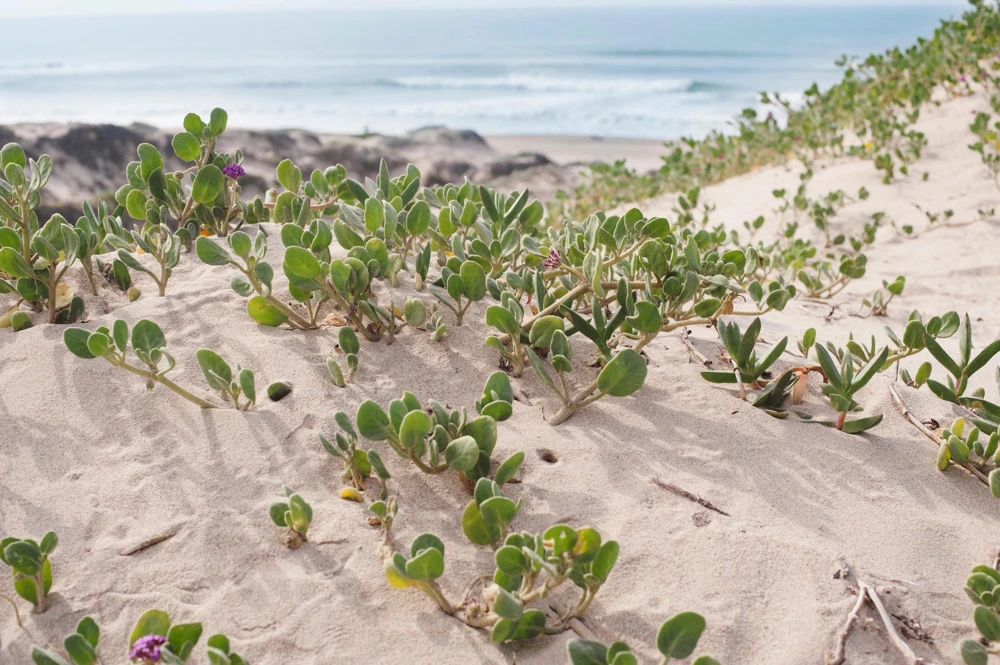
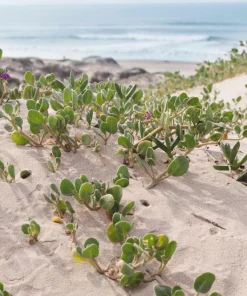
Discover the beauty and resilience of the Yellow Sand Verbena seeds, offering a unique opportunity to grow a captivating native flowering plant in your garden. Also known as Coastal Sand Verbena or by its scientific name, Abronia latifolia (syn. Abronia arenaria), this plant is a true marvel. Originating from the coastal regions of western North America, it is perfectly adapted to thrive in sandy soils and maritime conditions. These Yellow Sand Verbena seeds will germinate into plants featuring thick, succulent leaves that form a dense, mat-like groundcover. The striking bright yellow, trumpet-shaped flowers are clustered into large, round heads, blooming profusely from spring through summer, providing a long season of vibrant color. Ideal for gardeners seeking a low-maintenance yet visually appealing option, the sand verbena plant is an excellent choice for xeriscaping, rock gardens, or simply adding a touch of coastal charm to your landscape.
Key Benefits
Growing Yellow Sand Verbena seeds offers numerous advantages for both your garden and the local ecosystem. This remarkable plant provides aesthetic appeal and ecological benefits, making it a valuable addition to various outdoor settings.
- Drought Tolerance: Once established, the sand verbena plant is incredibly tolerant of dry conditions, making it an excellent choice for water-wise gardening and regions with limited rainfall. Its adaptation to sand dunes means it requires minimal supplemental watering.
- Long Bloom Season: Enjoy a continuous display of bright yellow flowers from spring into summer. The cheerful blooms add consistent color and cheer to your garden for an extended period.
- Native Pollinator Support: As a native species, Coastal Sand Verbena provides valuable nectar and pollen sources for local pollinators, including bees and butterflies, contributing to biodiversity.
- Erosion Control: Its mat-forming habit and robust root system make Abronia latifolia seeds an excellent option for stabilizing sandy soils and preventing erosion, especially in coastal or sloped areas.
- Low Maintenance: This plant thrives on neglect once established. It requires minimal care, preferring well-drained soil and full sun, making it perfect for busy gardeners or those seeking an easy-care landscape.
- Coastal Resilience: Perfectly suited for maritime climates, the Yellow Sand Verbena seeds will produce plants that withstand salty air and sandy conditions, flourishing where many other plants might struggle.
- Attractive Foliage: Beyond its vibrant flowers, the thick, succulent leaves create an appealing groundcover, adding textural interest to garden beds and rockeries even when not in bloom.
Plant Care & Growing Tips
Successful cultivation of Yellow Sand Verbena seeds begins with understanding their specific needs, which mirror their natural habitat. These plants thrive in conditions that mimic coastal sand dunes, emphasizing drainage and sunlight. Plant Coastal Sand Verbena seeds when the soil temperature consistently warms to 60°F (15°C), typically in spring after the last frost. Sow seeds directly into the garden in a sunny location, as they do not transplant well.
Sunlight Requirements:Yellow Sand Verbena demands full sun exposure, meaning at least 6-8 hours of direct sunlight daily for optimal growth and flowering. It will not perform well in shady conditions. Watering and Soil Preferences: The most crucial aspect of caring for your sand verbena plant is providing excellent drainage. It prefers average to poor soil that is very well-drained, sandy, or gravelly. Avoid heavy clay soils that retain too much moisture. Once established, this plant is remarkably drought-tolerant and requires infrequent watering. Overwatering is the most common cause of failure. Allow the soil to dry out completely between waterings. Temperature and Hardiness: This plant is hardy in USDA Zones 7-11. It can tolerate light frosts but may require protection in colder zones. It thrives in warm, dry conditions. Fertilization: Due to its preference for poor soils, fertilization is generally not necessary and can even be detrimental. If your soil is extremely poor, a very light application of a balanced, slow-release fertilizer once a year in spring may be beneficial, but err on the side of caution. Pest and Disease:Abronia latifolia seeds typically grow into robust plants resistant to most pests and diseases, especially when grown in appropriate conditions. Good air circulation and proper drainage help prevent fungal issues.
Size & Details
When mature, the Yellow Sand Verbena plant typically reaches a height of 36 to 48 inches, creating a substantial visual impact with its upright flower stalks. The succulent foliage forms a dense mat that can spread, filling in garden spaces effectively. For optimal growth and air circulation, space individual plants approximately 18 to 24 inches apart. Each packet contains 20 Yellow Sand Verbena seeds, providing a good quantity to start your garden project. The seeds are ready to be planted when the soil temperature consistently reaches 60°F, marking the ideal window for germination and establishment. Expect blooming to occur from spring through summer, offering a long season of vibrant yellow flowers. These plants are shipped as dormant seeds, ready for planting upon arrival, and will begin their growth cycle once suitable conditions are met.
Frequently Asked Questions
- Q: How big does this sand verbena plant get? A: The sand verbena plant typically grows to a height of 36 to 48 inches. Its foliage forms a spreading mat, providing good groundcover.
- Q: Is this an indoor or outdoor plant? A: Yellow Sand Verbena seeds are intended for outdoor cultivation. The plants thrive in full sun and prefer garden beds, rock gardens, or coastal landscapes.
- Q: How much sunlight does the Yellow Sand Verbena need? A: This plant requires full sun, meaning at least 6 to 8 hours of direct sunlight per day, to produce the best blooms and maintain healthy growth.
- Q: Is this plant easy to care for? A: Yes, once established, the Coastal Sand Verbena is considered very easy to care for. It is drought-tolerant and requires minimal attention, making it suitable for beginners and busy gardeners.
- Q: What condition will the Abronia latifolia seeds arrive in? A: The product consists of Abronia latifolia seeds in a packet, ready for you to plant directly into your garden. They are not live plants.
- Q: How long until it blooms after planting? A: The time to bloom can vary depending on planting time and growing conditions, but you can generally expect blooms from spring through summer in the first growing season if planted at the optimal time.
- Q: Will it survive winter in my zone? A: Yellow Sand Verbena is hardy in USDA Zones 7-11. If you are in a colder zone, it may need protection or be treated as an annual.
- Q: What kind of soil does the sand verbena plant prefer? A: This plant prefers sandy, well-drained soil. It thrives in poor to average soil conditions and does not like heavy, water-retentive clay.
- Q: Can I grow these drought tolerant flowers in a container? A: While possible, Yellow Sand Verbena prefers to spread, so a large, wide container with excellent drainage would be necessary if attempting container growth.
- Q: Why is it called Coastal Sand Verbena? A: It’s called Coastal Sand Verbena because it is native to coastal areas, specifically growing on sand dunes, and thrives in maritime conditions.
Be the first to review “Yellow Sand Verbena Seeds – Coastal Abronia Latifolia – 20 Seeds – Outdoor Flower”
People Also Viewed

Flower Seeds
Reviews
There are no reviews yet.