


Arrowleaf Balsamroot Seeds – Oregon Sunflower Wildflower – 50 Seeds
Original price was: $36.99.$16.99Current price is: $16.99.
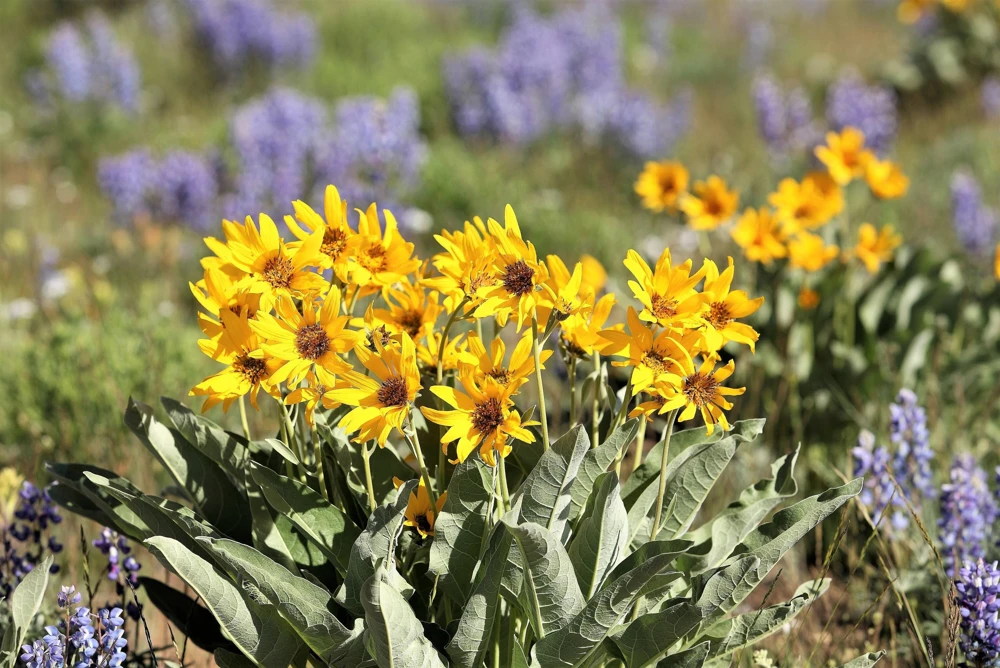
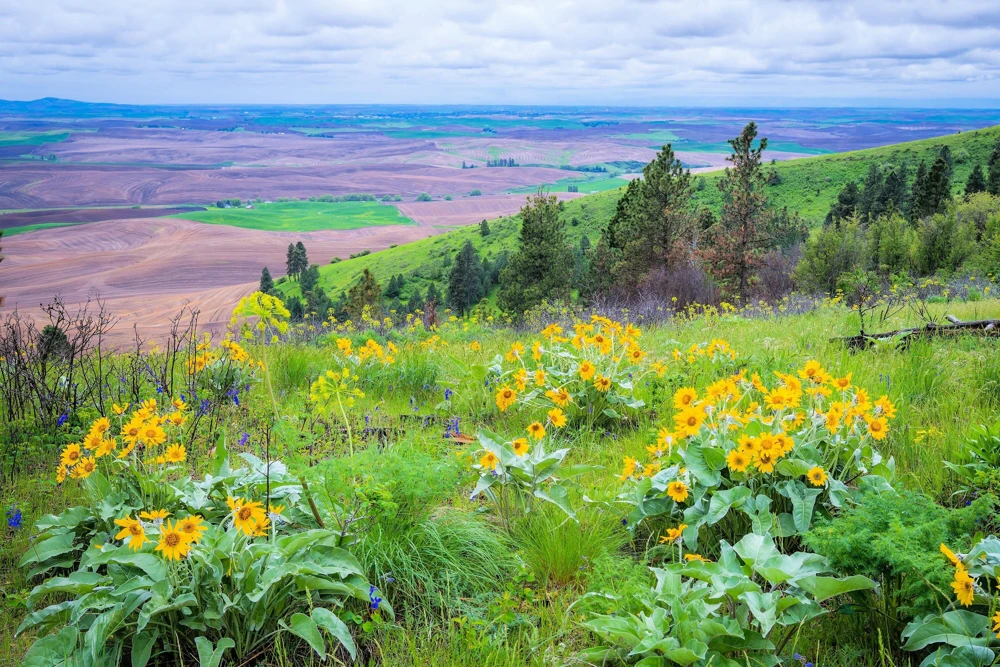
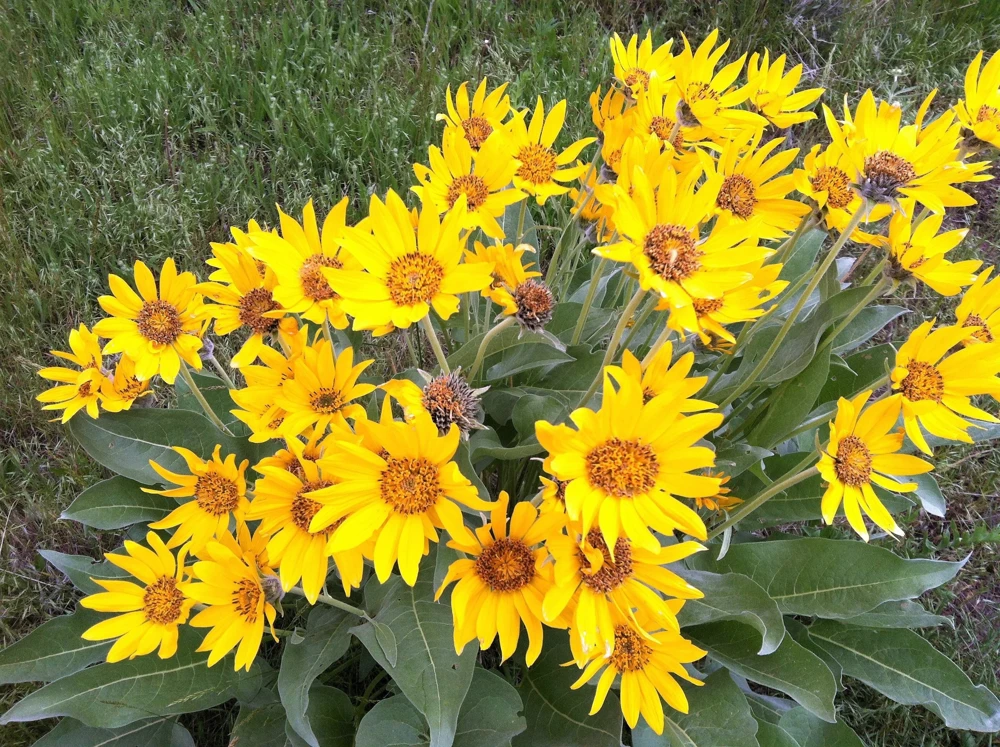
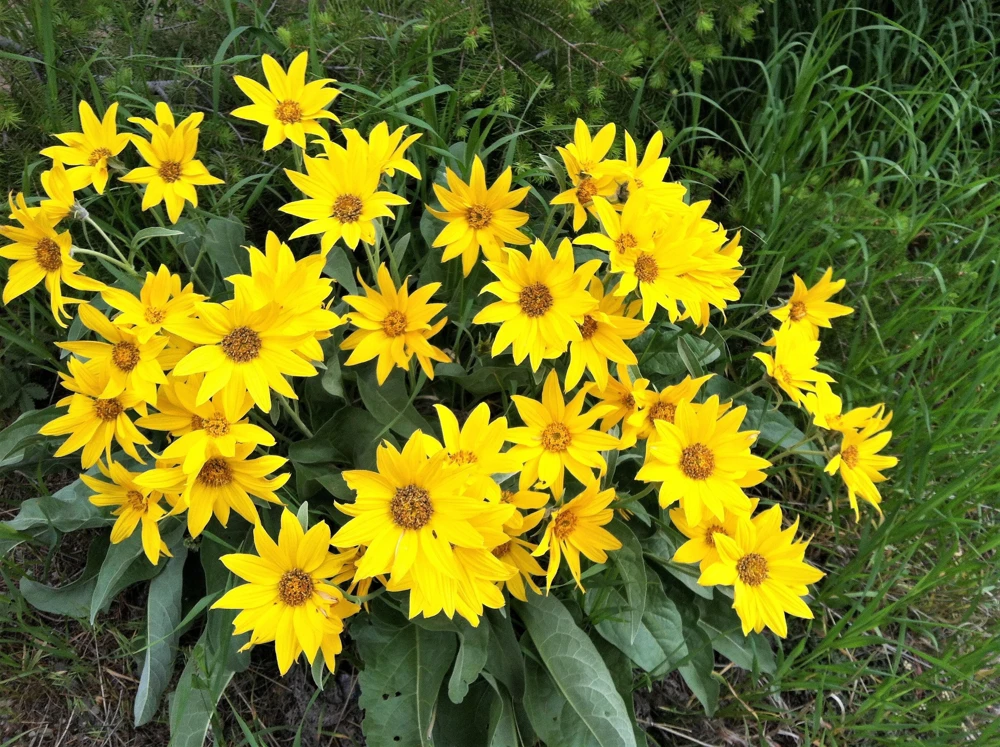
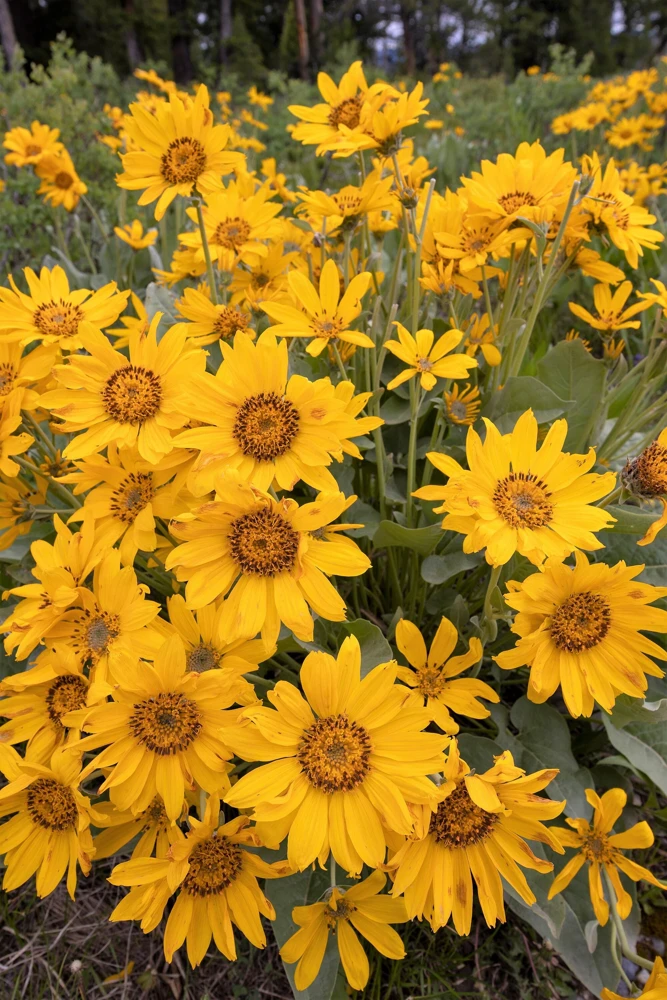
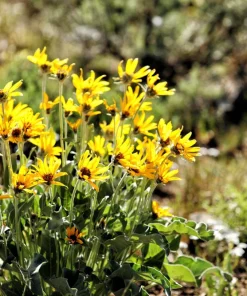
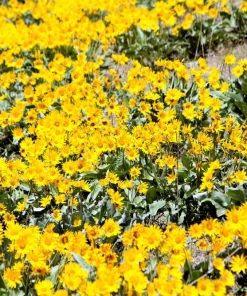
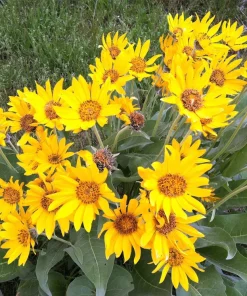
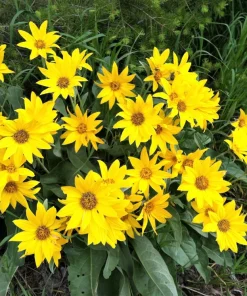
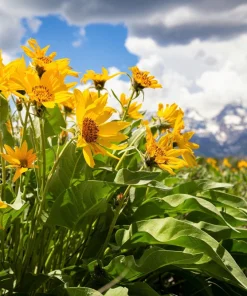
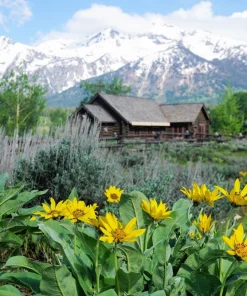
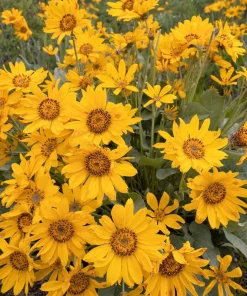
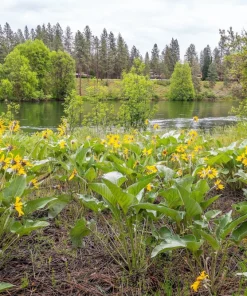
Cultivate stunning Arrowleaf Balsamroot seeds, also known as Oregon Sunflower seeds. These native wildflower seeds (Balsamorhiza Sagittata) produce large, fragrant yellow flowers, perfect for naturalizing sunny, dry areas. Each pack contains 50 seeds, ideal for creating a vibrant landscape with minimal care.
Estimated arrival
Sep 14
Sep 19 - Sep 21
Sep 24 - Sep 28
Shop With Confidence
30-Day Plant Health Guarantee
Arrives damaged? We’ll replace it free — see our return policy.
Responsive Support
Email us anytime, we reply within 1 business day.
Expert Packaging
Temperature-controlled shipping to protect your plants in transit.
Secure Checkout
Pay safely with Visa, Mastercard, PayPal.
Plant Specifications
-
USDA Hardiness Zone
3-10 -
Soil Type
Average to dry, well-draining soil -
Sunlight Exposure
Full sun -
Expected Planting Period
Fall or early spring after cold stratification
Overview
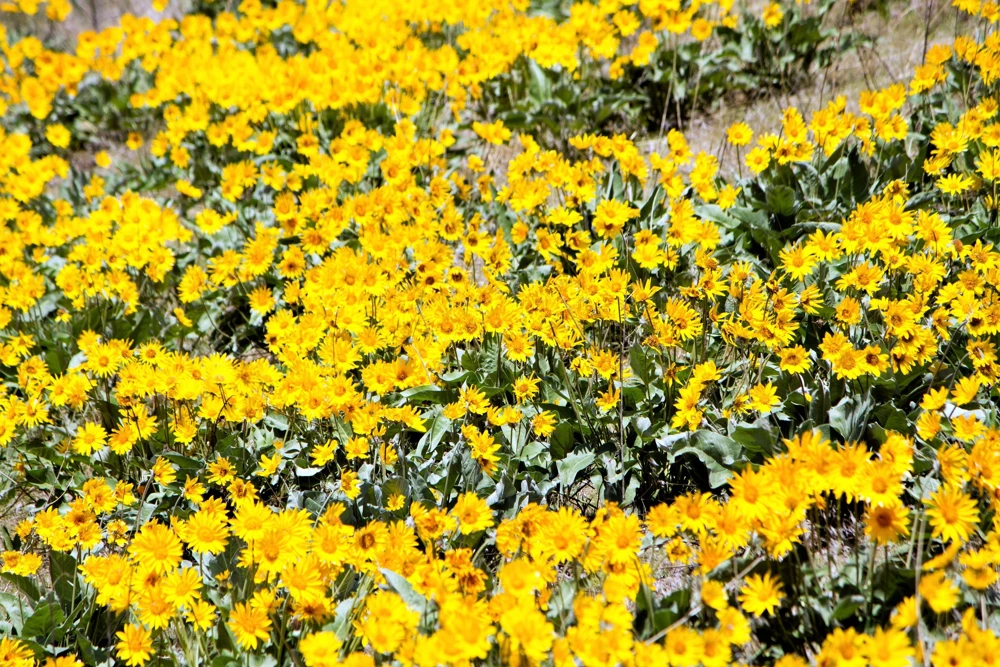
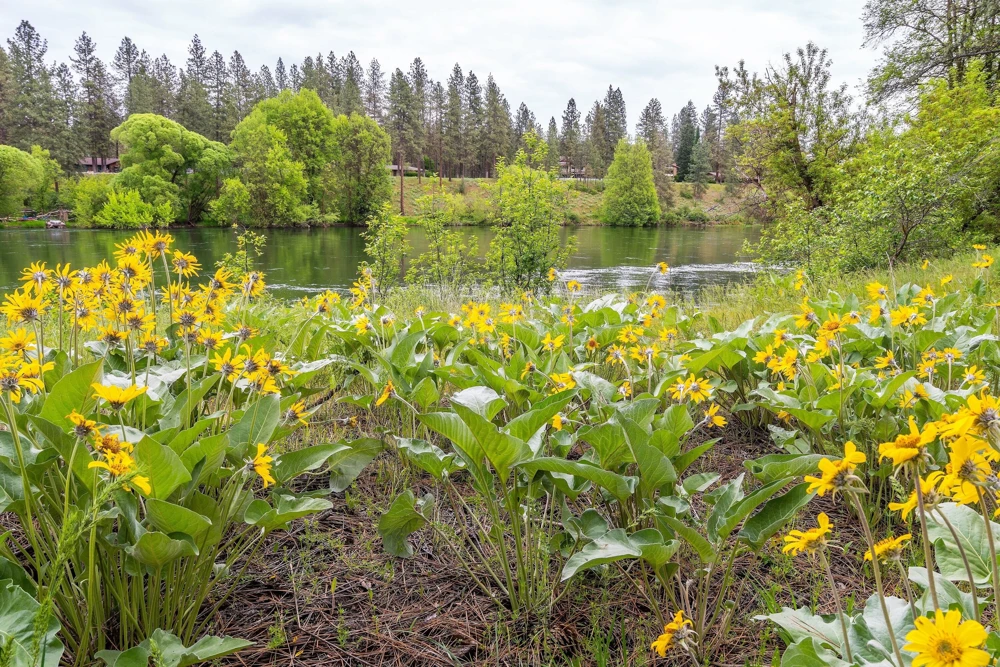
Introduce a touch of wild beauty to your garden with Arrowleaf Balsamroot seeds. Also known as Oregon Sunflower seeds, these remarkable native wildflowers (Balsamorhiza Sagittata) are celebrated for their striking appearance and hardiness. Originating from the western United States, this perennial plant is a fantastic choice for xeriscaping, rock gardens, or naturalized areas where it can thrive with minimal intervention. Each packet contains 50 premium seeds, ready to transform your landscape into a vibrant display of yellow blooms. The large, fragrant flowers not only add visual appeal but also attract beneficial pollinators, contributing to a healthier ecosystem. Growing these native wildflower seeds offers a rewarding experience for gardeners looking to support local biodiversity and enjoy a low-maintenance, beautiful plant.
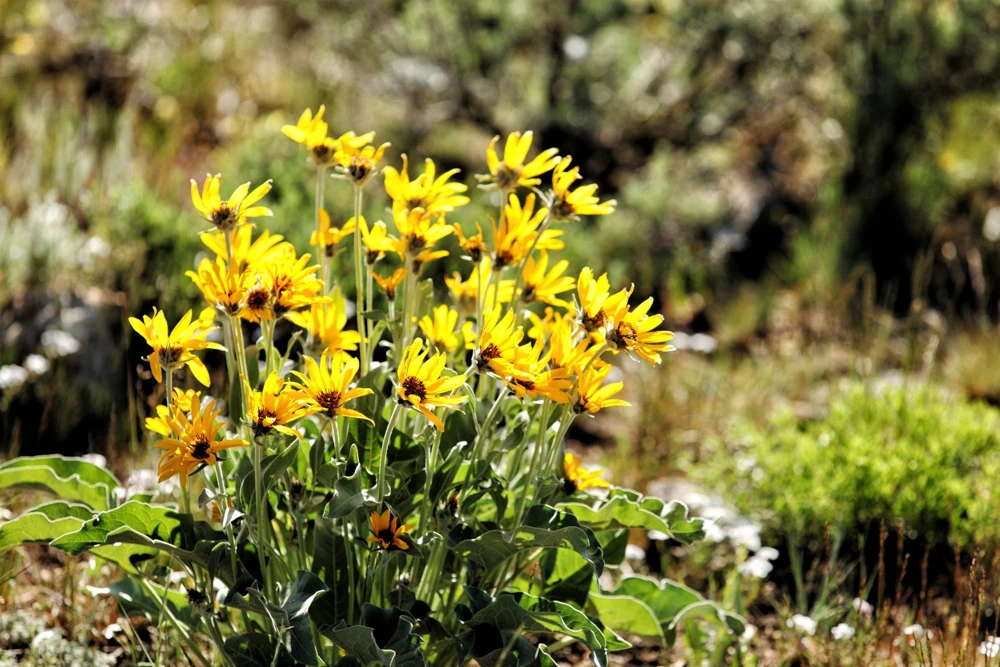
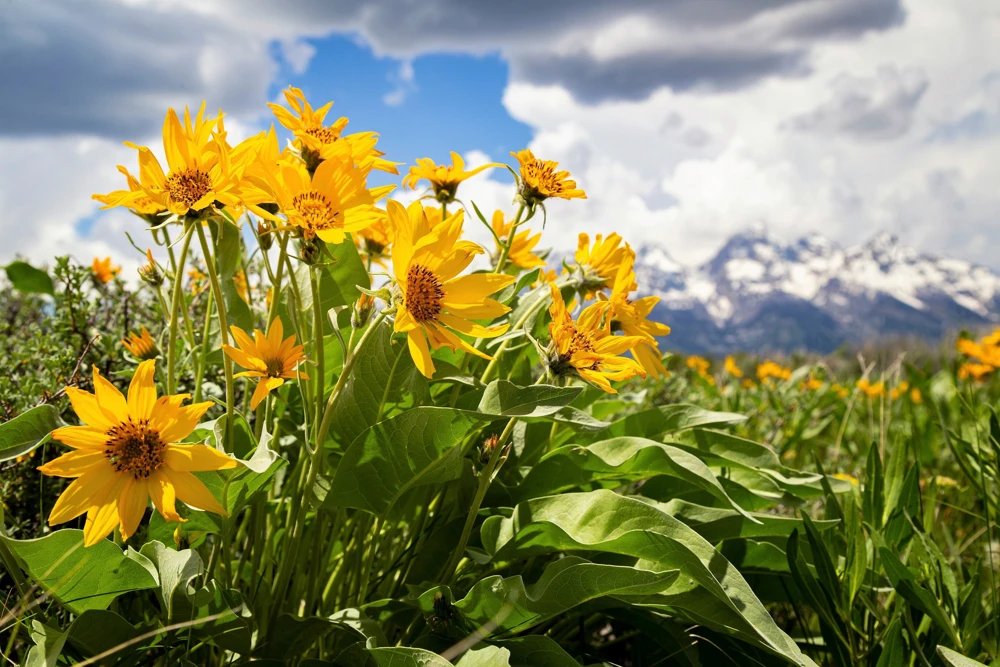
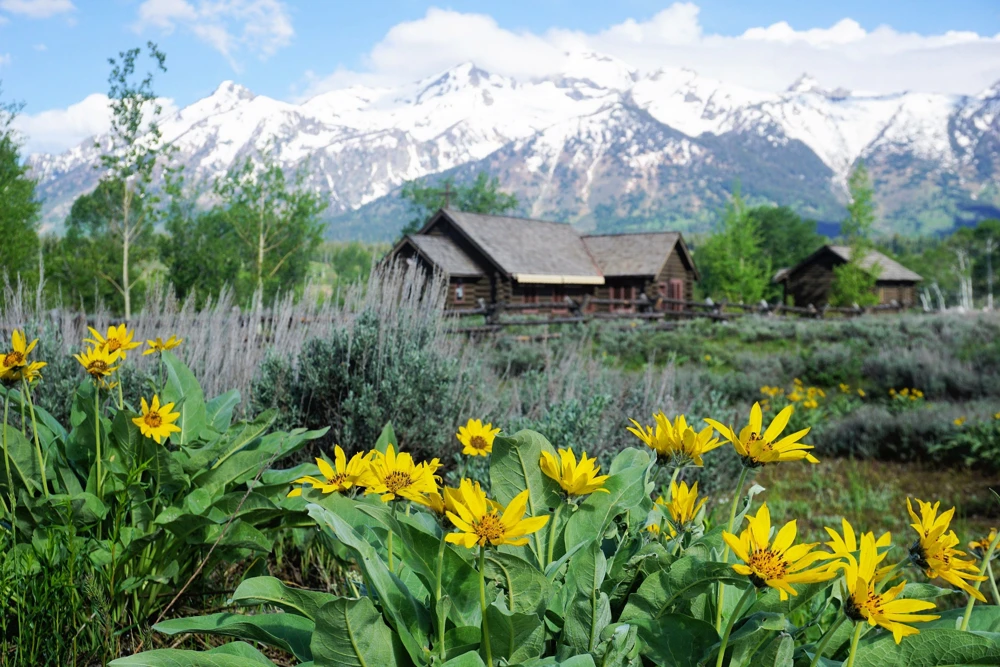
The Arrowleaf Balsamroot stands out with its distinctive arrow-shaped leaves and tall, sturdy stems topped with brilliant yellow, daisy-like flowers. These plants are incredibly resilient, adapting well to a variety of conditions, particularly those found in their native habitats. Their ability to flourish in dry, sunny environments makes them an excellent option for sustainable gardening practices. With these Balsamorhiza Sagittata seeds, you can easily cultivate a piece of the American West in your own backyard, creating a stunning visual impact that will be admired by all. Embrace the charm and ecological benefits of this magnificent wildflower.
Key Benefits
Growing Arrowleaf Balsamroot seeds offers a multitude of advantages for both your garden and the local environment. These native plants are not only beautiful but also contribute significantly to ecological health. Here are some of the key benefits:
- Stunning Visual Impact: Produces huge, vibrant 2.5-4 inch wide fragrant yellow flowers that bring bright color and a natural aesthetic to any garden space, creating a beautiful focal point.
- Attracts Pollinators: The nectar-rich flowers are a magnet for bees, butterflies, and other beneficial pollinators, supporting local ecosystems and encouraging biodiversity in your garden.
- Drought Tolerant: Once established, Arrowleaf Balsamroot is highly resilient to dry conditions, making it an ideal choice for water-wise gardening and xeriscaping, reducing the need for frequent irrigation.
- Low Maintenance: As a native wildflower, it requires minimal care, thriving in its preferred conditions without extensive pruning, fertilizing, or pest control, perfect for busy gardeners.
- Hardy Perennial: These plants return year after year, providing continuous beauty and establishing strong root systems that help prevent soil erosion and improve soil health.
- Adaptable to Various Zones: Thrives across a wide range of USDA Hardiness Zones (3-10), making it suitable for many different climates and regions.
- Supports Native Ecosystems: By planting native wildflower seeds, you contribute to the conservation of local flora and fauna, providing essential resources for wildlife.
Plant Care & Growing Tips
Successfully cultivating Arrowleaf Balsamroot seeds requires understanding their specific needs, though they are generally forgiving plants once established. These plants thrive in conditions that mimic their native environment. For optimal growth, ensure they receive full sun exposure, meaning at least 6-8 hours of direct sunlight per day. This plant is not tolerant of shade and will produce fewer blooms in less sunny locations. The ideal soil type is average to dry, well-draining soil. They are particularly well-suited to sandy or gravelly soils and do not tolerate heavy, waterlogged conditions, which can lead to root rot. Good drainage is paramount for healthy growth.
When it comes to watering, Oregon Sunflower seeds prefer drier conditions. Once established, they are highly drought-tolerant and will only need occasional watering during prolonged dry spells. Overwatering is a common mistake and should be avoided. For planting, cold stratification is often beneficial for these seeds. You can plant them in the fall for natural stratification over winter, or indoors weeks before the last frost after artificial cold stratification. Germination can be slow and uneven, so patience is key. Plant spacing should be about 18-24 inches apart to allow for mature plant size.
Arrowleaf Balsamroot is hardy in USDA Zones 3-10. Fertilization is generally not necessary in average garden soils, as these native plants are adapted to nutrient-poor conditions. If your soil is extremely poor, a light application of a balanced, slow-release fertilizer in early spring can be beneficial, but avoid over-fertilizing. Pests and diseases are rarely an issue for this robust wildflower, though good air circulation helps prevent fungal problems in humid climates. Overall, providing plenty of sun, excellent drainage, and minimal fuss will ensure your Balsamorhiza Sagittata seeds grow into strong, beautiful plants.
Size & Details
This offering includes 50 Arrowleaf Balsamroot seeds, providing ample opportunity to establish a beautiful patch of these native wildflowers. Once mature, the plants typically reach a height of 18-24 inches with a similar spread of 18-24 inches, creating a substantial presence in the landscape. The large, fragrant flowers measure an impressive 2.5-4 inches wide, making a bold statement with their bright yellow petals. Bloom time for these plants generally occurs from late spring to early summer, typically between April and July, providing a burst of color when many other plants are just beginning to emerge.
These native wildflower seeds are suitable for planting in a wide range of USDA Hardiness Zones, from 3 to 10, demonstrating their adaptability to various climates. They prefer full sun exposure and average to dry, well-draining soil conditions. The seeds are shipped in a protective packet, ensuring their viability upon arrival. While germination can take some time, the enduring beauty and ecological benefits of the mature Arrowleaf Balsamroot plants make the effort well worth it. Expect these perennials to establish strong root systems and return year after year, enhancing your garden with their robust growth and cheerful blooms.
Frequently Asked Questions
- Q: How large do Arrowleaf Balsamroot plants get? A: Mature Arrowleaf Balsamroot seeds plants typically reach a height of 18-24 inches and spread about 18-24 inches wide, creating a substantial, bushy appearance in your garden.
- Q: Is this an indoor or outdoor plant? A: Arrowleaf Balsamroot is an outdoor plant, specifically a native wildflower that thrives in sunny, open environments in gardens and naturalized landscapes.
- Q: How much sunlight do these Oregon Sunflower seeds need? A: These plants require full sun exposure, meaning at least 6-8 hours of direct sunlight per day, to produce the most vigorous growth and abundant blooms.
- Q: Are Balsamorhiza Sagittata seeds difficult to grow for beginners? A: While germination can be slow and may require cold stratification, once established, Arrowleaf Balsamroot is a very low-maintenance and hardy plant, making it suitable for gardeners of all experience levels.
- Q: What condition will the seeds arrive in? A: The Arrowleaf Balsamroot seeds will arrive in a sealed packet, ensuring they are protected and ready for planting upon delivery.
- Q: When is the best time to plant these seeds? A: The best time to plant is in the fall for natural cold stratification over winter, or indoors weeks before the last frost after manually stratifying the seeds.
- Q: What USDA Hardiness Zones are suitable for Arrowleaf Balsamroot? A: This plant is hardy in USDA Zones 3 through 10, making it adaptable to a wide range of climates across the United States.
- Q: Do these flowers have a fragrance? A: Yes, the large yellow flowers of the Arrowleaf Balsamroot are noted for their pleasant fragrance, adding another delightful dimension to your garden experience.
- Q: How often should I water Arrowleaf Balsamroot? A: Once established, these plants are highly drought-tolerant and require minimal watering. Water only during prolonged dry periods, as they prefer dry soil conditions.
- Q: Will planting these native wildflower seeds attract pollinators? A: Absolutely! The vibrant, nectar-rich flowers are excellent attractors for bees, butterflies, and other beneficial pollinators, enhancing the biodiversity of your garden space.
Be the first to review “Arrowleaf Balsamroot Seeds – Oregon Sunflower Wildflower – 50 Seeds”
People Also Viewed
Houseplants
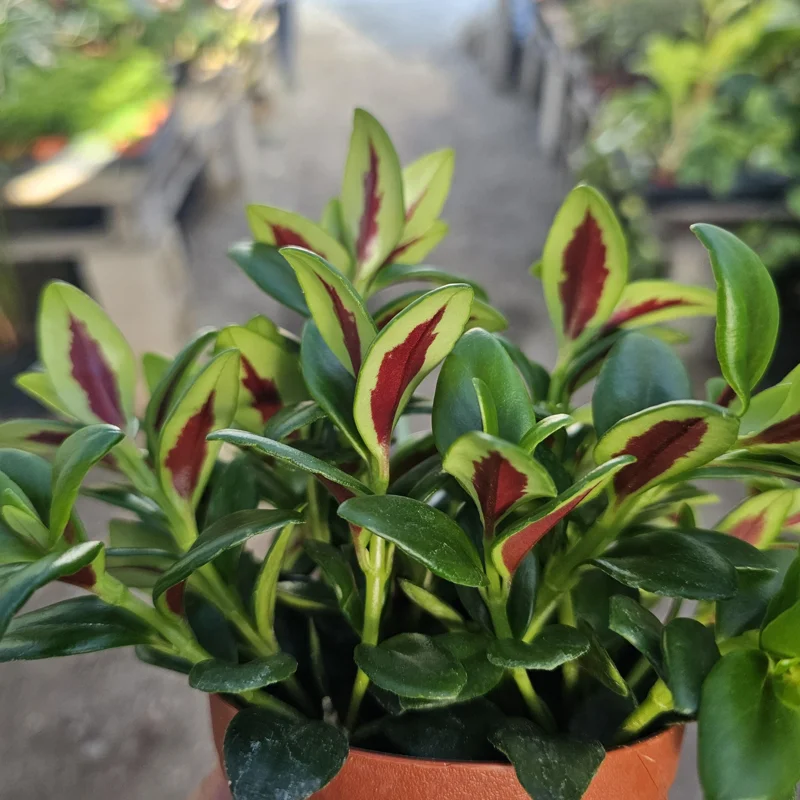
Goldfish Plant Shady Lady Marlene Live Plant – Nematanthus gregarius – 2in or 4in Pot – Indoor
Flower Plants
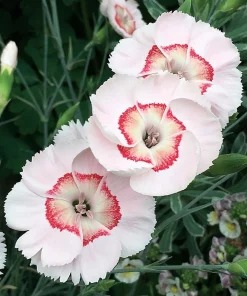
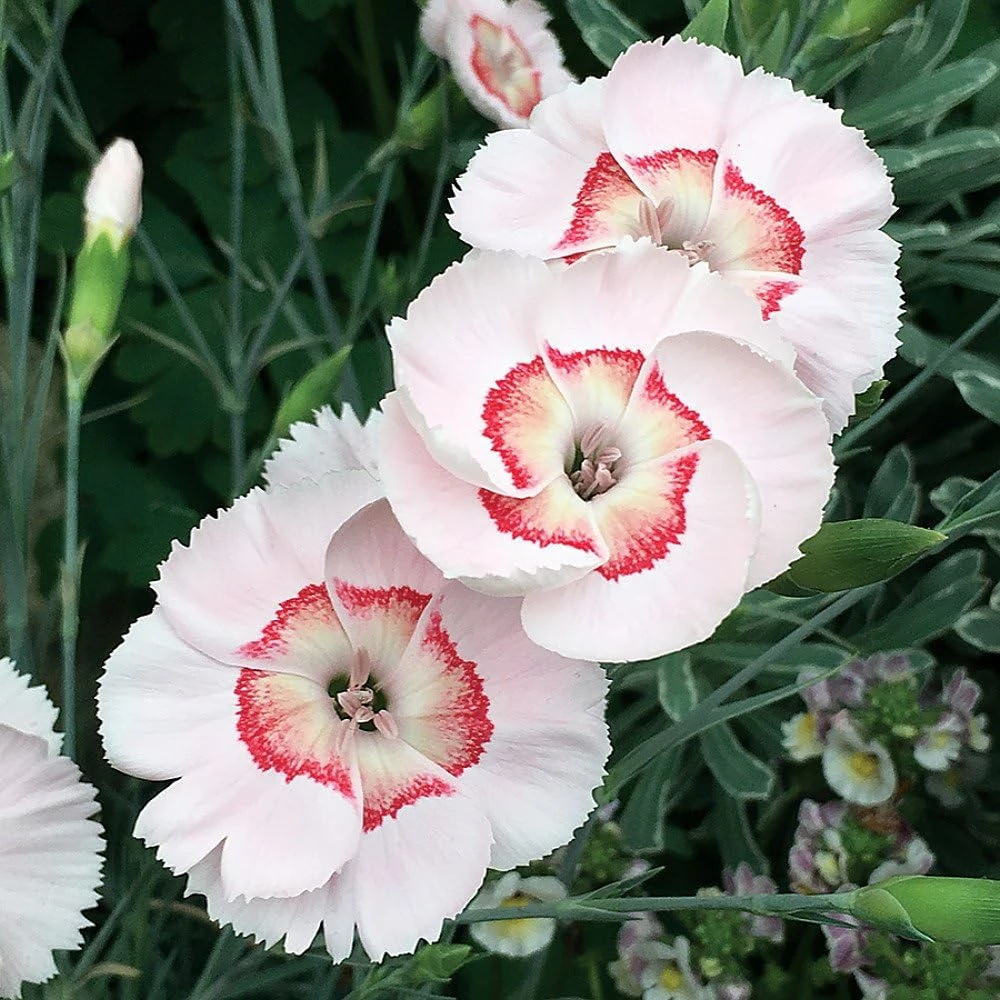
Georgia Peach Pie Dianthus Live Plant – Fragrant Garden Pinks – Quart Pot – Outdoor Perennial
Flower Seeds
Sensation Flowering Tobacco Seeds Mix – Nicotiana Alata – 500 Seeds – Fragrant, Vibrant Colors
Reviews
There are no reviews yet.