
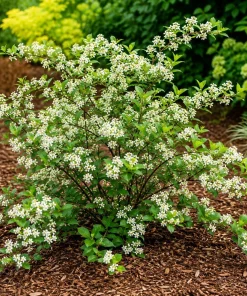
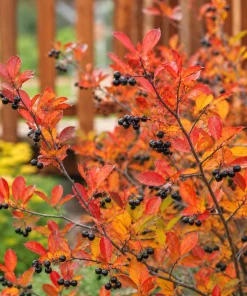
Black Chokeberry Live Shrub – 6-12″ Tall Aronia melanocarpa – Edible Berries
Original price was: $29.98.$16.99Current price is: $16.99.
Bring four seasons of beauty to your garden with this black chokeberry live plant. Approximately 6-12 inches tall, this native shrub offers delicate spring blossoms, glossy summer foliage, vibrant fall color, and nutritious edible berries. Attracts pollinators and wildlife.
Estimated arrival
Oct 14
Oct 19 - Oct 21
Oct 24 - Oct 28
Shop With Confidence
30-Day Plant Health Guarantee
Arrives damaged? We’ll replace it free — see our return policy.
Responsive Support
Email us anytime, we reply within 1 business day.
Expert Packaging
Temperature-controlled shipping to protect your plants in transit.
Secure Checkout
Pay safely with Visa, Mastercard, PayPal.
Plant Specifications
-
USDA Hardiness Zone
USDA Zones 3-8 -
Soil Type
Well-draining soil, adaptable to various types including wet areas -
Sunlight Exposure
Full sun to partial shade -
Expected Planting Period
Spring to Fall
Overview
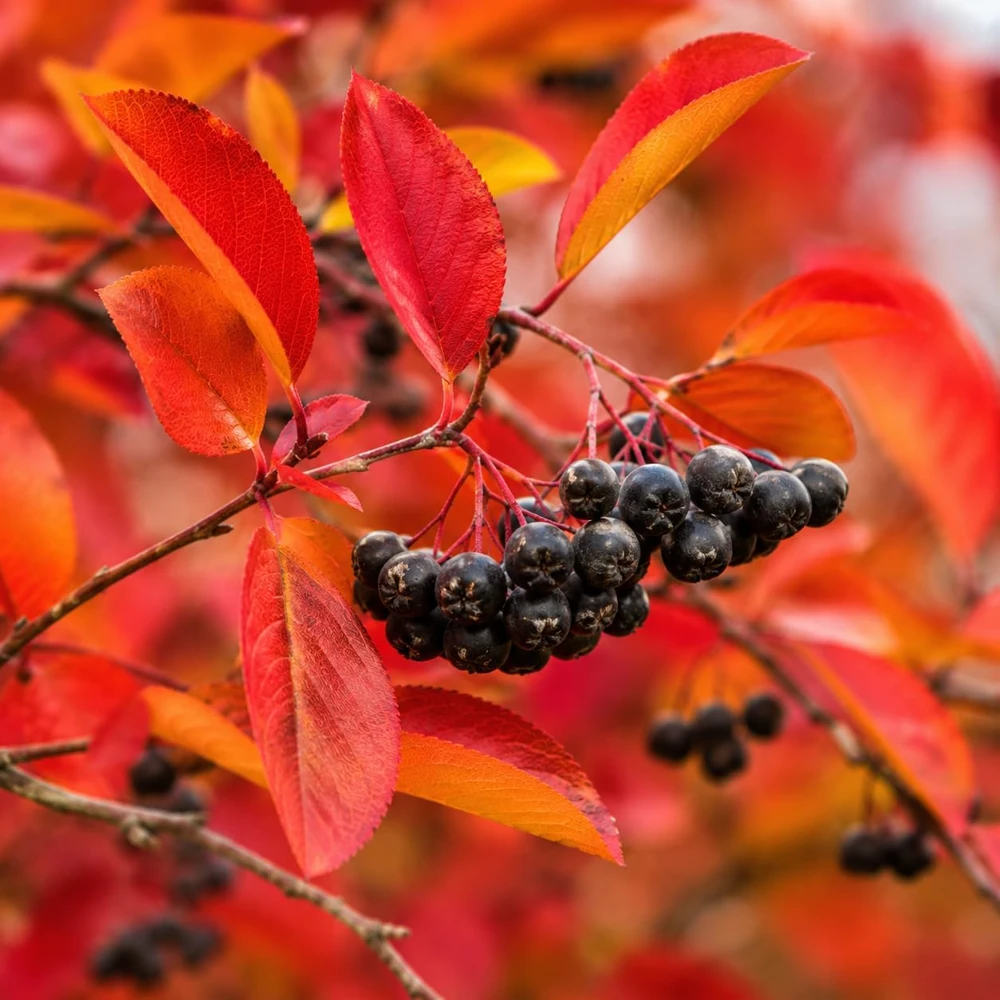
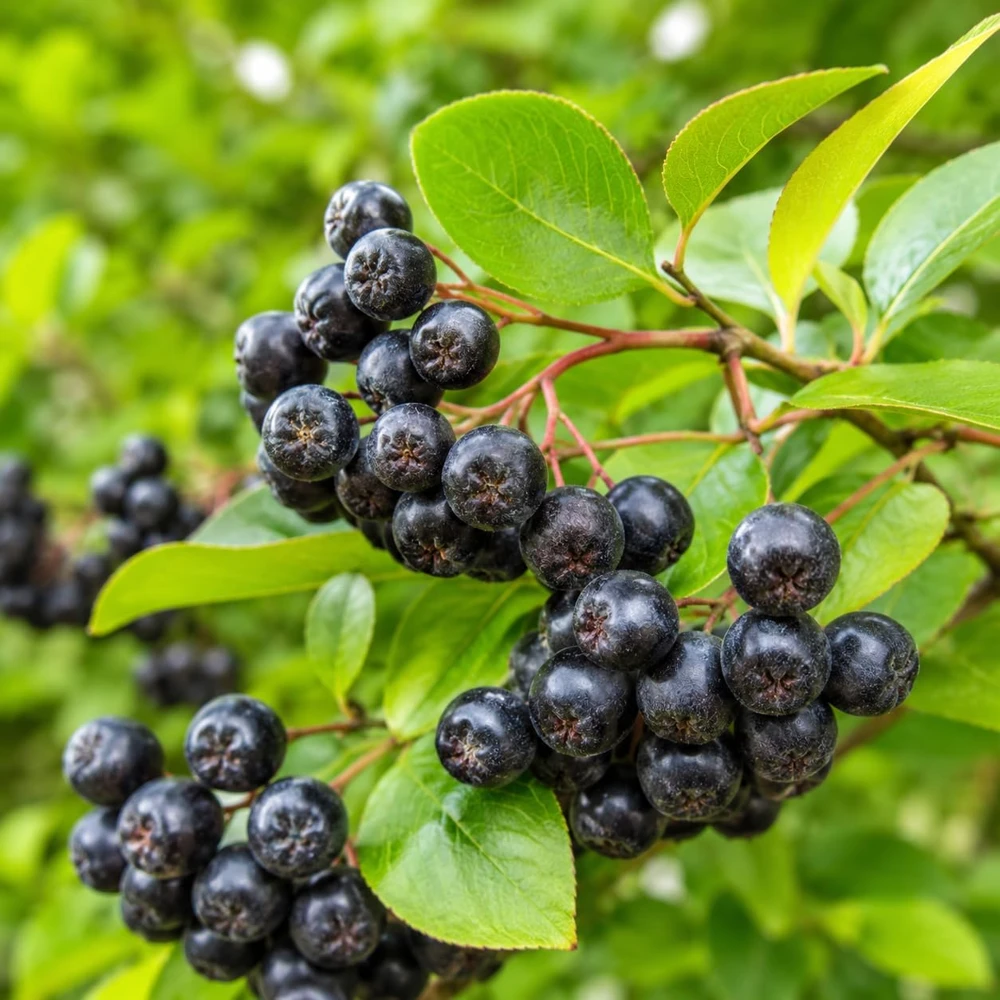
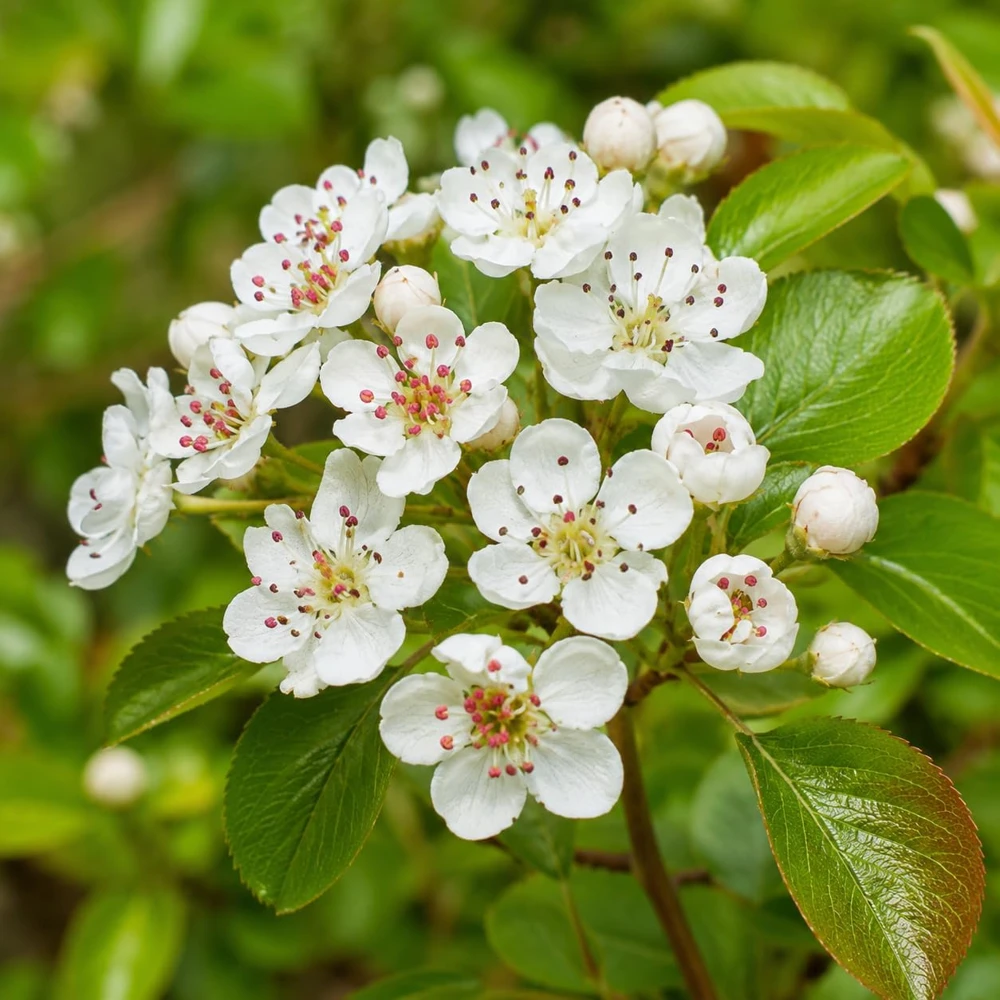
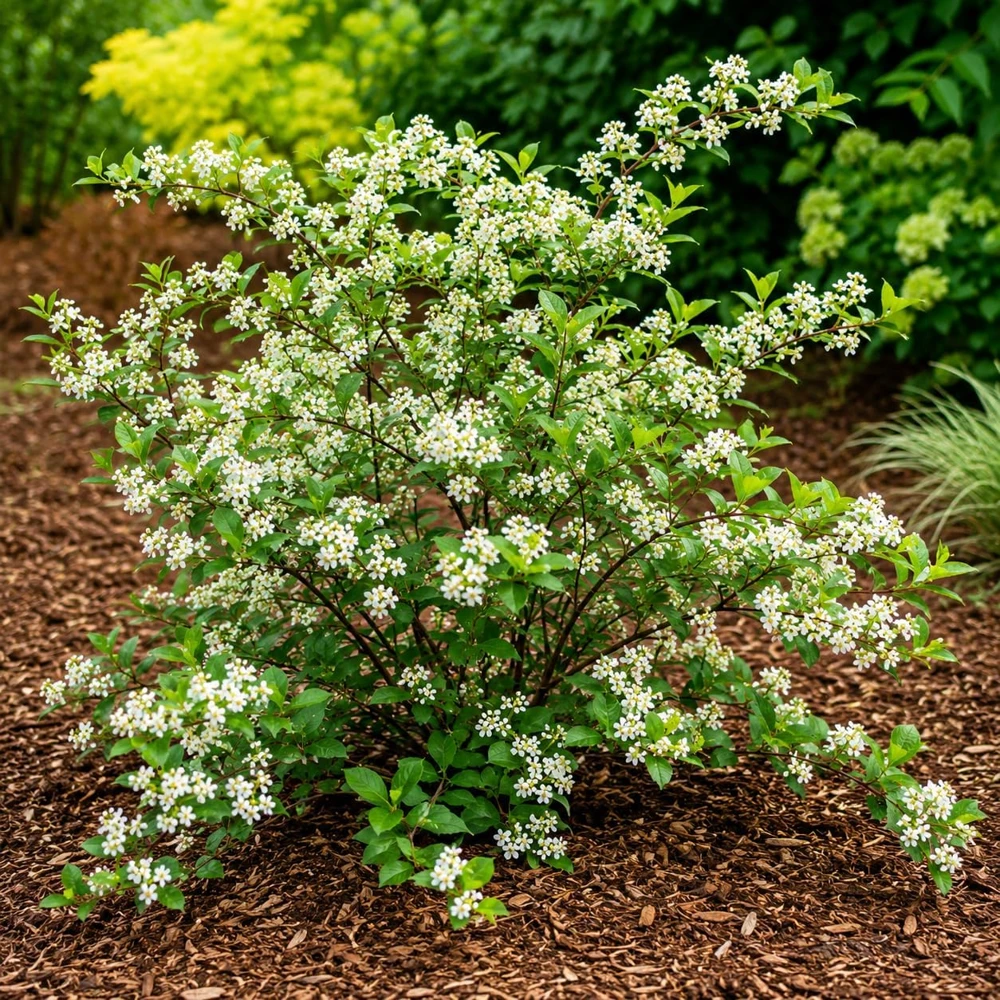
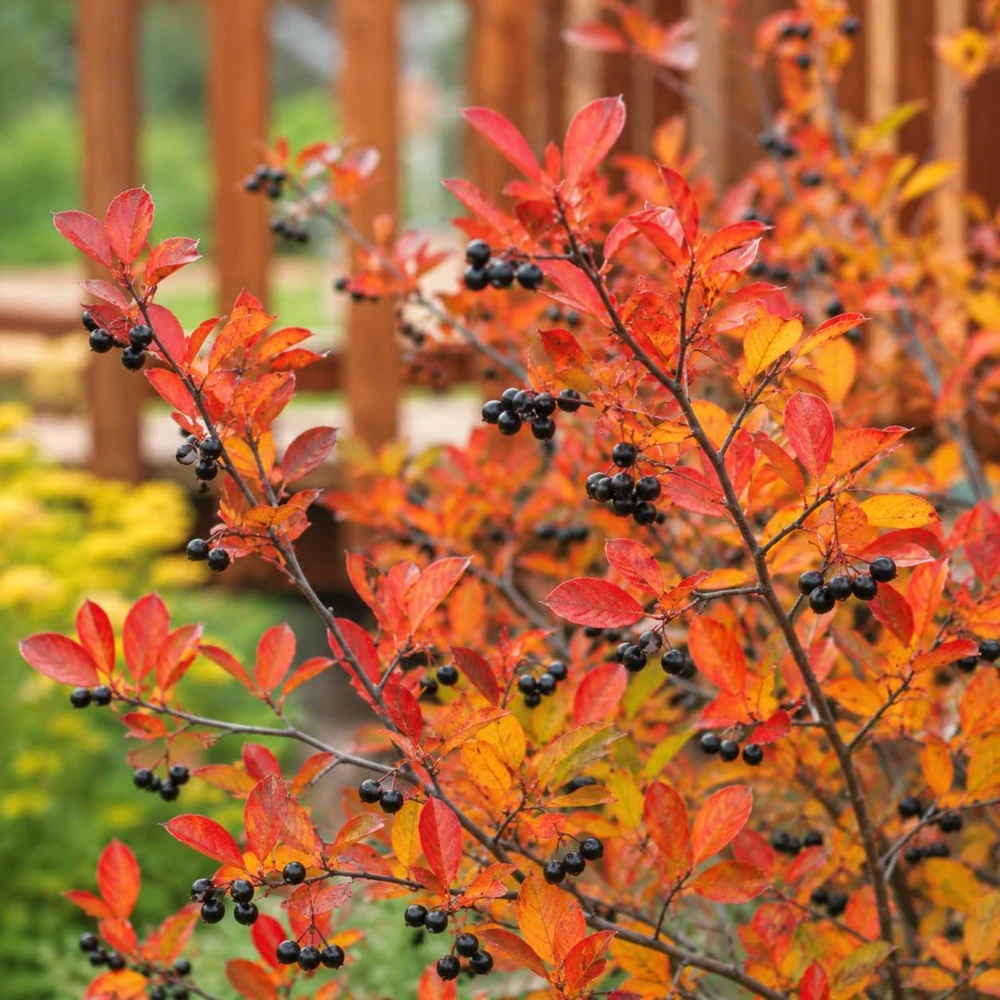
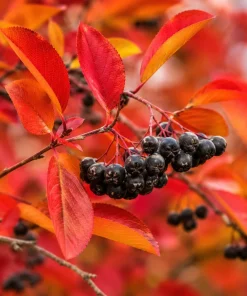
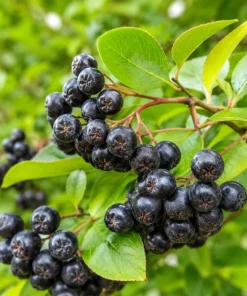
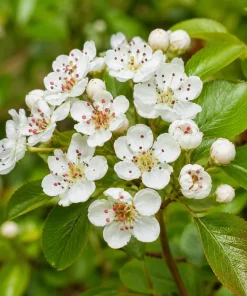
Introduce a touch of native beauty and ecological benefit to your landscape with the black chokeberry live plant (Aronia melanocarpa). This versatile shrub is celebrated for its stunning four-season appeal and practical uses, making it an excellent choice for any garden. In spring, it graces your yard with a profusion of delicate white blossoms, creating a visual feast and drawing in essential pollinators. As summer progresses, these flowers give way to clusters of glossy, deep black berries, which are not only visually appealing but also packed with nutrients, offering a late-season harvest for jams, jellies, and juices. Come autumn, the foliage transforms into a breathtaking display of crimson and burgundy, providing unparalleled fall color that rivals many ornamental trees. The aronia melanocarpa shrub is a hardy and adaptable plant, thriving in a wide range of conditions, from full sun to partial shade, and tolerating various soil types, including those that are consistently moist. This makes it a perfect foundation plant for wildlife gardens, naturalized borders, or as a low-maintenance, high-impact addition to your existing landscape. Our black chokeberry live plant is approximately 6-12 inches tall, ready to establish quickly and begin its journey of growth and beauty in your home garden.
Key Benefits
The black chokeberry live plant offers a multitude of advantages for both gardeners and the environment, making it a truly exceptional choice. Its robust nature and aesthetic versatility ensure it will be a cherished part of your outdoor space for years to come.
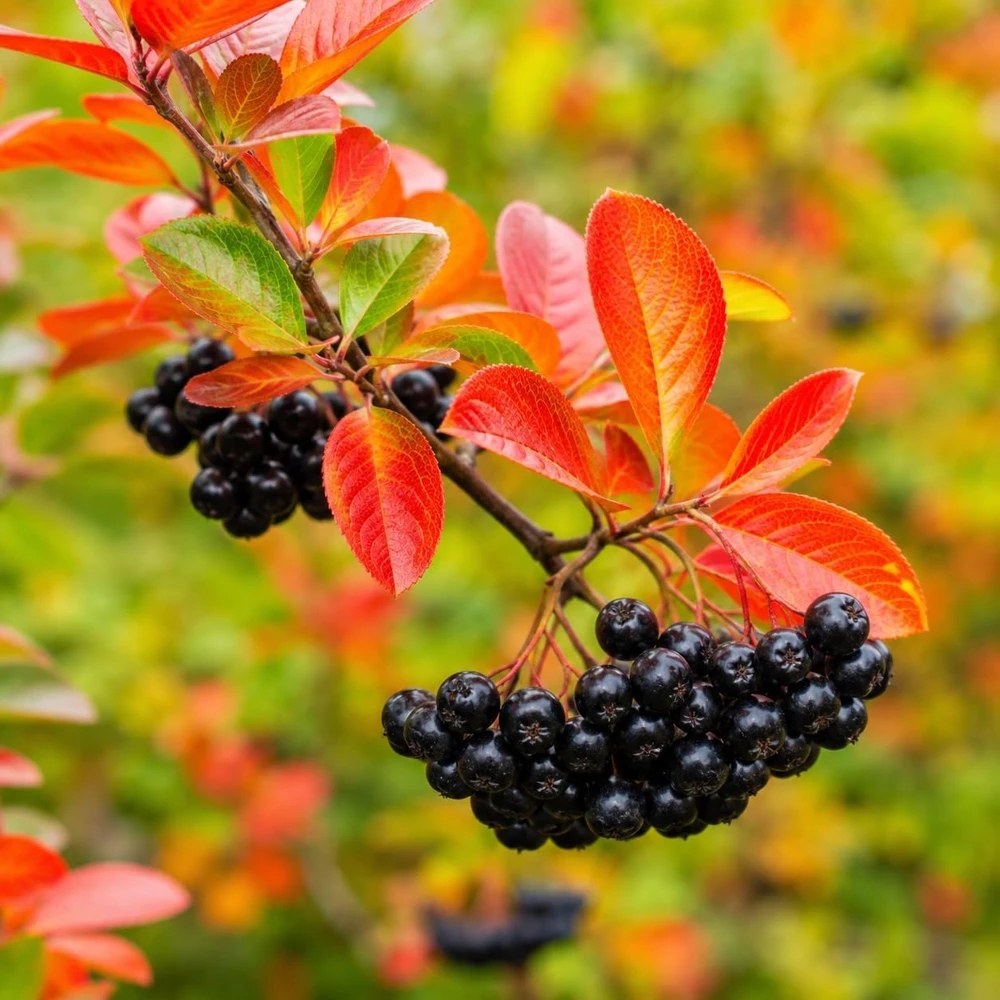
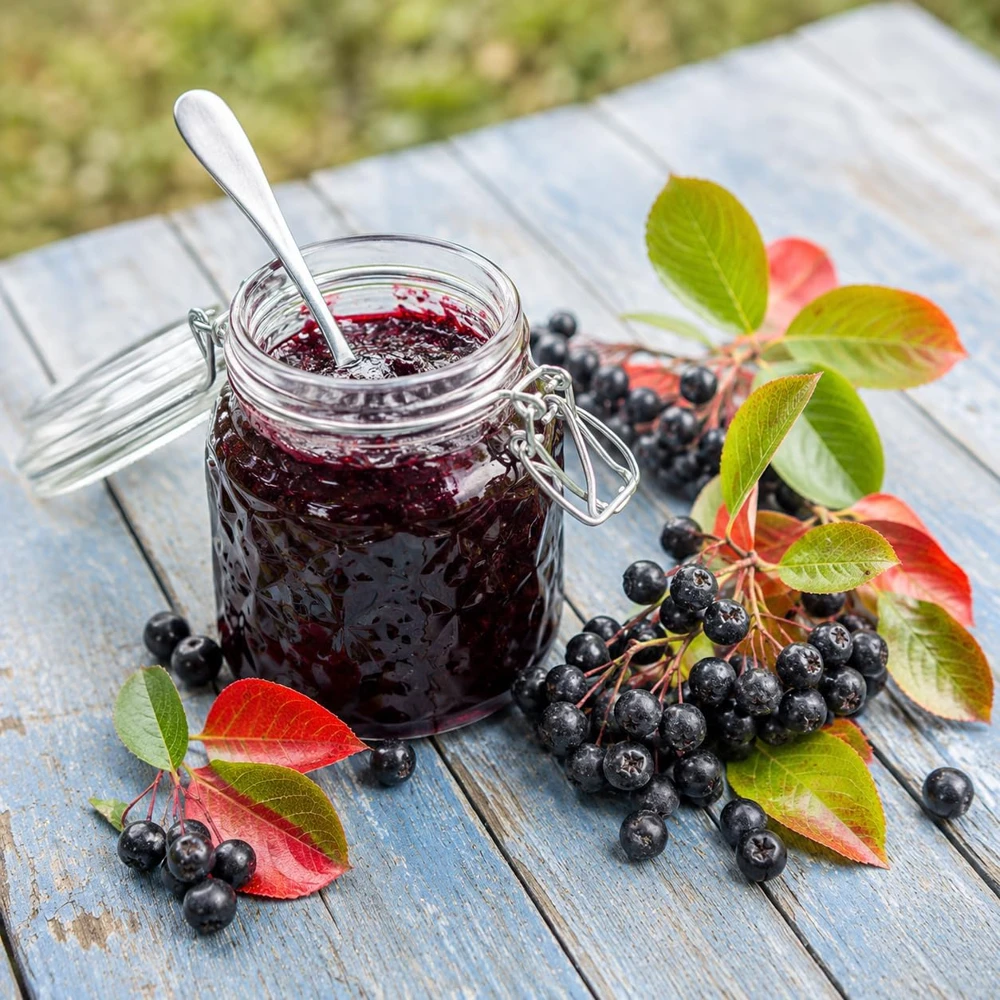
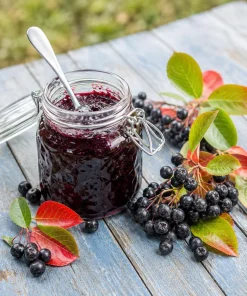
- Abundant Superfood Berries: Enjoy a heavy late summer harvest of glossy, deep purple-black berries. These fruits are packed with bold, tangy flavor and are perfect for making homemade jams, jellies, juices, syrups, wine, and nutrient-rich superfood smoothies. The berries from your edible chokeberry bush are a healthy addition to any diet.
- Stunning Four-Season Beauty: This shrub provides continuous visual interest throughout the year. It delivers delicate white spring blossoms that herald the arrival of warmer weather, transitions to glossy green summer foliage, ignites with brilliant red and orange fall color, and retains its dark berries into winter, offering year-round visual appeal.
- Tough and Adaptable Native: As a native species, Aronia melanocarpa is incredibly resilient. It thrives in a wide range of soil conditions, from wet bottomlands to drier upland sites, and grows equally well in full sun or partial shade. This makes it one of the most versatile native shrubs you can plant, requiring minimal fuss.
- Pollinator and Wildlife Magnet: The fragrant white spring flowers of this native pollinator plant are a strong draw for butterflies, bees, and other beneficial insects, supporting local ecosystems. Later, the dark berries become a favorite food source for songbirds and backyard wildlife, enhancing biodiversity in your garden.
- Low Maintenance & Easy Care: Known for its hardiness and adaptability, the black chokeberry live plant requires minimal care once established. It’s largely pest and disease resistant, making it an ideal choice for busy gardeners or those looking for a beautiful yet undemanding shrub.
- Erosion Control: Its fibrous root system makes it an excellent choice for stabilizing soil on slopes or in areas prone to erosion, adding another layer of practical benefit to its ornamental value.
- Versatile Landscape Use: Whether you’re creating a wildlife habitat, a naturalized border, or simply adding a specimen plant, this four season shrub fits seamlessly into various garden designs.
Plant Care & Growing Tips
Caring for your black chokeberry live plant is straightforward, thanks to its native hardiness and adaptability. To ensure your Aronia melanocarpa thrives and provides years of beauty and bounty, follow these simple guidelines. For optimal growth and berry production, plant your chokeberry in a location that receives at least 6 hours of full sun per day. While it can tolerate partial shade, too little sun may reduce flowering and fruiting. This resilient shrub is adaptable to a wide range of soil conditions, including heavy clays and sandy soils. However, it prefers well-draining soil with a pH between 5.0 and 7.0. It is notably tolerant of wet feet, making it a good choice for rain gardens or areas with poor drainage. Ensure the soil remains consistently moist, especially during its establishment period in the first year after planting. Once established, it becomes quite drought-tolerant but will benefit from regular watering during prolonged dry spells.
The black chokeberry live plant is highly adaptable to various climates and is generally hardy in USDA Zones 3-8. It can withstand cold winters and hot summers, making it a reliable choice across much of the United States. Fertilization is typically not essential for this robust shrub, especially if planted in fertile soil. However, if your soil is poor, you can apply a balanced, slow-release fertilizer in early spring. Pruning is best done in late winter or early spring while the plant is dormant. Remove any dead, damaged, or crossing branches to maintain good air circulation and plant health. You can also thin out older stems to encourage new growth and better fruit production. This aronia melanocarpa shrub is generally pest and disease resistant, minimizing the need for chemical treatments. Keep an eye out for common garden pests, but severe infestations are rare. With proper care, your edible chokeberry bush will flourish, providing a beautiful and productive addition to your landscape.
Size & Details
Our black chokeberry live plant is supplied as a healthy, actively growing specimen, ready for planting upon arrival. Each plant measures approximately 6 to 12 inches tall from the base of the root ball to the tip of the foliage. This size ensures a vigorous start and relatively quick establishment in your garden. The plant is typically shipped in a nursery pot, with its root system intact and protected, allowing for a smooth transition to its permanent location. Aronia melanocarpa is a moderate grower, typically reaching a mature height of 5-8 feet and a similar spread, forming a dense, rounded shrub. Its growth rate allows it to fill out a space within a few seasons, providing an excellent backdrop or specimen plant. Expect to see its first blossoms and berries within 1-2 years of planting, with increasing yields as the plant matures. This native pollinator plant is a long-lived shrub, offering decades of beauty and ecological benefits to your landscape. Its robust root system and adaptable nature ensure it will thrive in various garden settings, becoming a cherished component of your outdoor space. The berries typically develop in late summer and persist into early winter, providing extended interest.
Frequently Asked Questions
- Q: How big does this black chokeberry live plant get? A: A: This Black Chokeberry shrub typically reaches a mature height and spread of 5-8 feet. It forms a dense, rounded bush, making it suitable for various landscape applications from hedges to specimen plantings.
- Q: Is this an indoor or outdoor plant, and how much sunlight does it need? A: The black chokeberry live plant is an outdoor shrub. It thrives best in full sun, meaning at least 6 hours of direct sunlight daily, but it can also tolerate partial shade. While it will grow in shade, berry production may be reduced.
- Q: Is this plant easy to care for, and is it good for beginners? A: Yes, the aronia melanocarpa shrub is considered very easy to care for and is an excellent choice for beginners. It’s highly adaptable to various soil conditions and light exposures, and it’s generally pest and disease resistant.
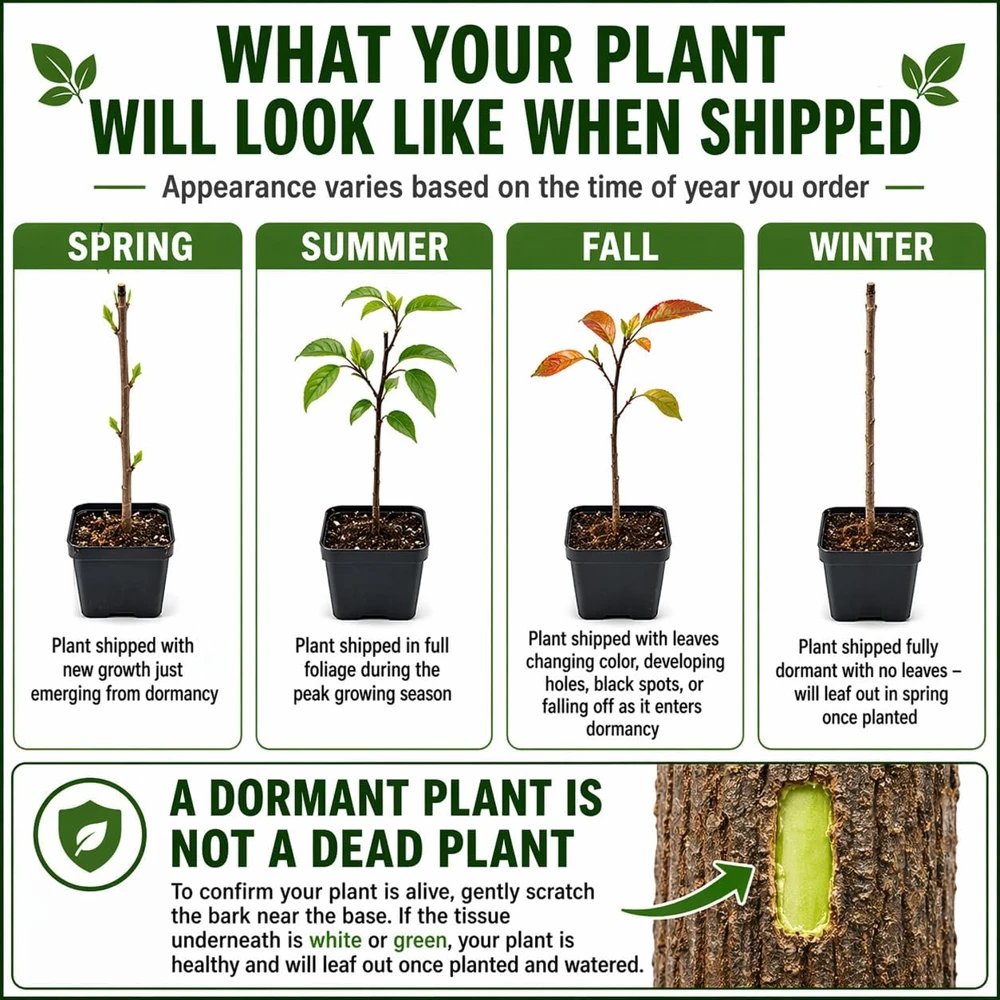
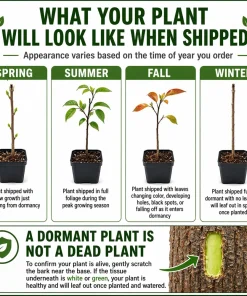
- Q: What condition will the edible chokeberry bush arrive in? A: Your chokeberry bush will arrive as a healthy, actively growing live plant, approximately 6-12 inches tall, typically in a nursery pot with its root system protected. We take great care in packaging to ensure it arrives in optimal condition for planting.
- Q: Can I eat the berries from this plant, and what are they used for? A: Yes, the berries from the black chokeberry live plant are perfectly edible and highly nutritious, often called a superfood. They have a tart flavor and are best used in jams, jellies, juices, smoothies, and baked goods rather than eaten raw.
- Q: When is the best time to plant the four season shrub? A: The best time to plant your chokeberry shrub is in spring or fall, when temperatures are moderate. This allows the plant to establish its root system before the stress of extreme summer heat or winter cold.
- Q: Will this native pollinator plant survive winter in my zone? A: The Black Chokeberry (Aronia melanocarpa) is extremely hardy and is suitable for USDA Hardiness Zones 3 through 8. It is very tolerant of cold winters and can withstand freezing temperatures, making it a reliable choice for many regions.
Be the first to review “Black Chokeberry Live Shrub – 6-12″ Tall Aronia melanocarpa – Edible Berries”
People Also Viewed
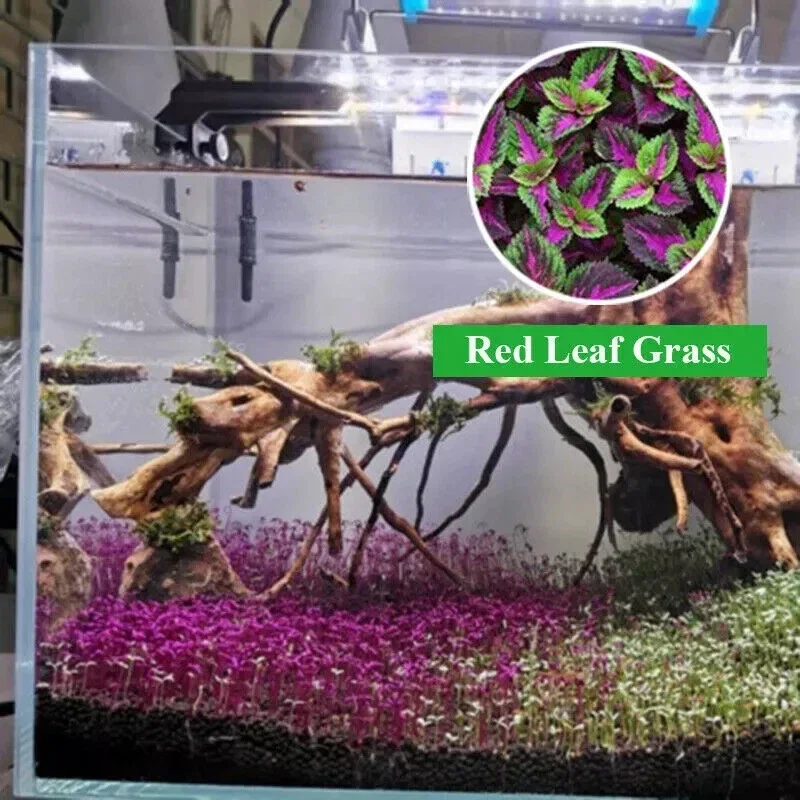
Aquatic Plant Seeds
1000+ Red Leaf Aquarium Ground Cover Plant Seeds – Fast Growing Aquatic
Reviews
There are no reviews yet.