

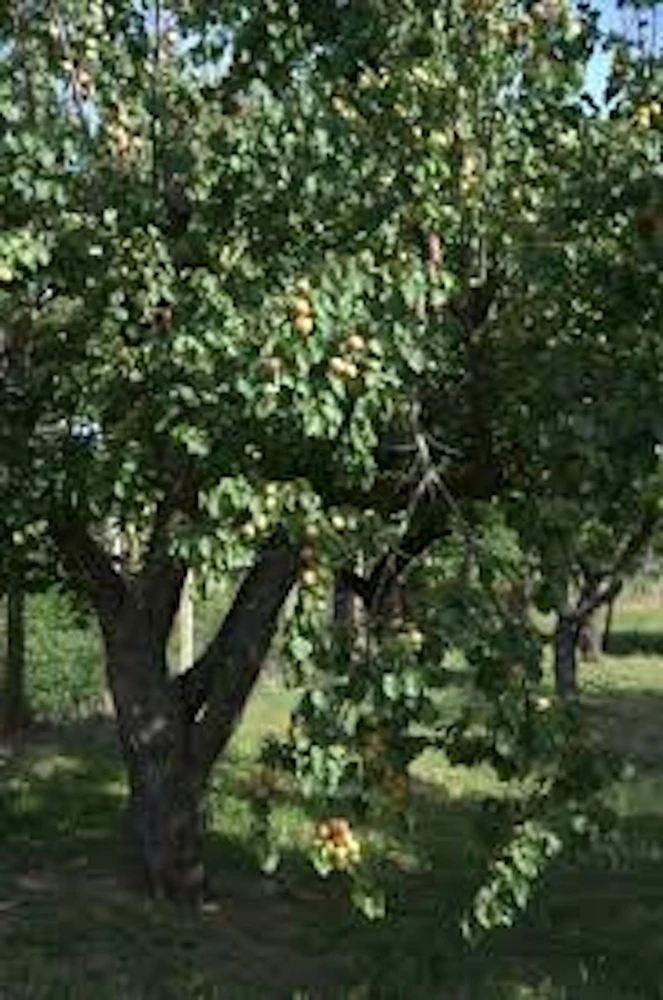
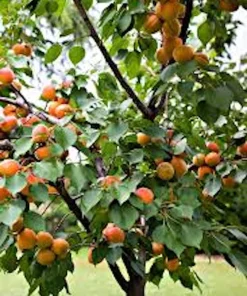
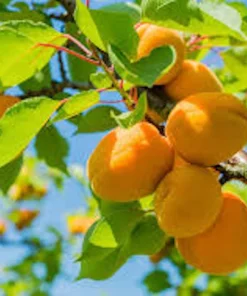
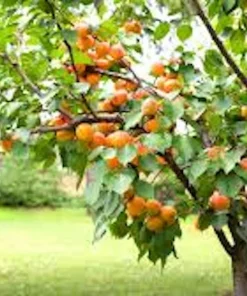
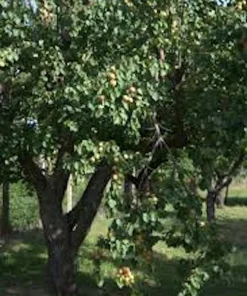
Apricot Tree Live Plant Prunus armeniaca Fruit Starter 12-24in Tall
Original price was: $138.99.$113.99Current price is: $113.99.
Cultivate your own orchard with this apricot tree live plant. This Prunus armeniaca tree starter is 12-24 inches tall, ready to thrive and produce beautiful spring flowers and delicious yellow-orange fruit. Ideal for home gardens.
Estimated arrival
Sep 29
Oct 04 - Oct 06
Oct 09 - Oct 13
Shop With Confidence
30-Day Plant Health Guarantee
Arrives damaged? We’ll replace it free — see our return policy.
Responsive Support
Email us anytime, we reply within 1 business day.
Expert Packaging
Temperature-controlled shipping to protect your plants in transit.
Secure Checkout
Pay safely with Visa, Mastercard, PayPal.
Plant Specifications
-
USDA Hardiness Zone
USDA Zones 4-8 -
Soil Type
Well-draining, loamy soil -
Sunlight Exposure
Full sun (6-8+ hours daily) -
Expected Planting Period
Late winter to early spring
Overview
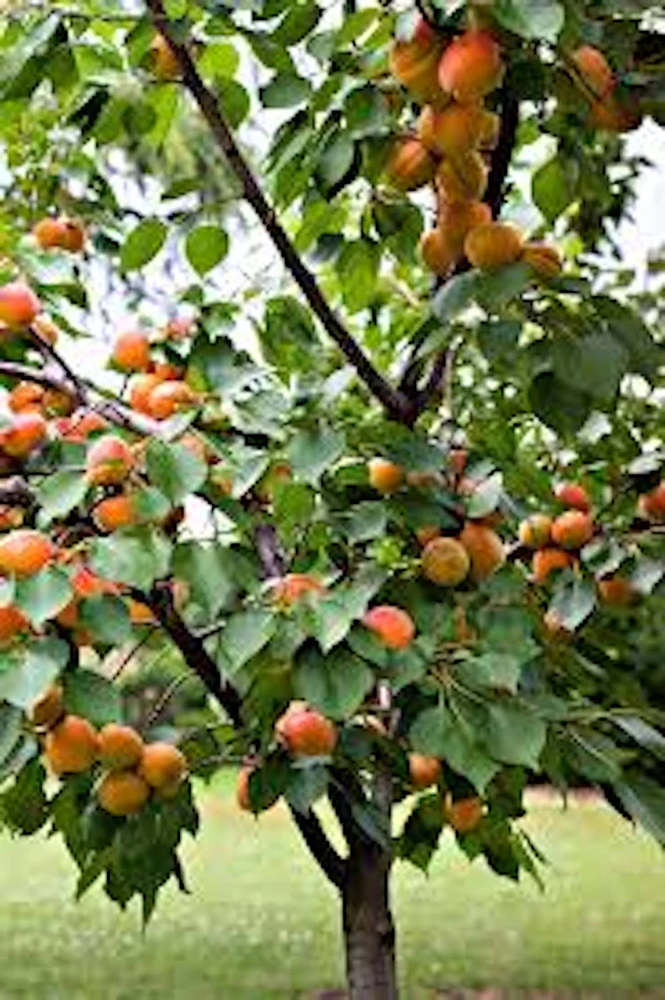
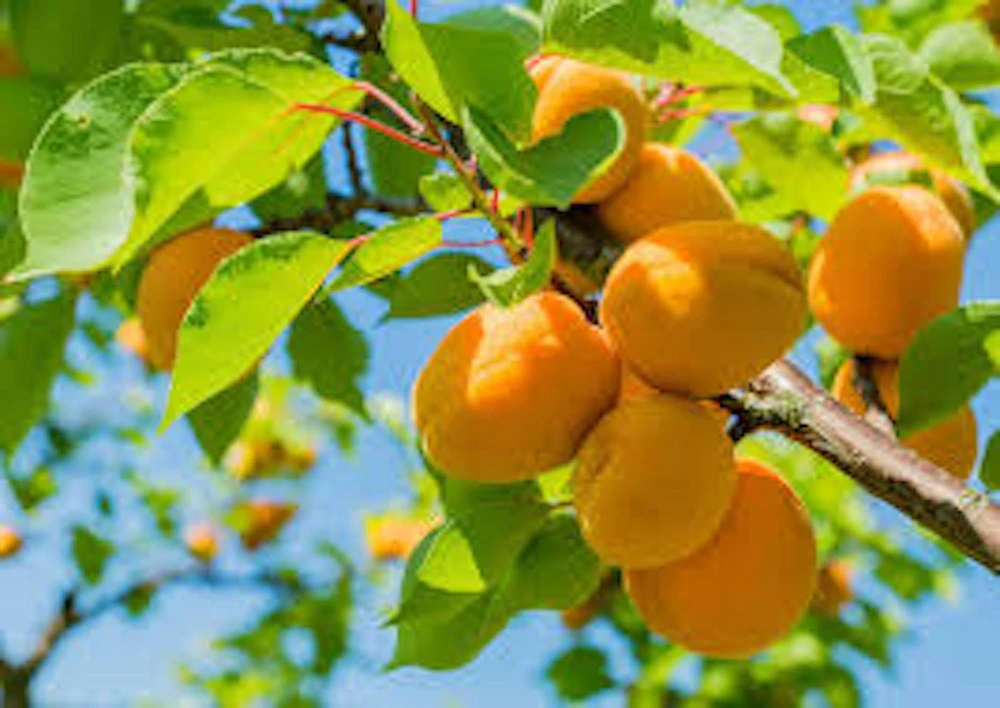
Bring the joy of homegrown fruit to your garden with this apricot tree live plant. Scientifically known as Prunus armeniaca tree, this deciduous tree is celebrated for its stunning white or pink blossoms that herald the arrival of spring, followed by an abundance of sweet, succulent yellow-orange fruit. This starter plant, typically 12-24 inches tall, offers an excellent opportunity to establish a productive and beautiful fruit tree in your landscape. Apricot trees are cherished not only for their delicious produce but also for their ornamental value, providing shade and visual interest throughout the growing season. Whether you’re an experienced gardener or looking to grow apricot tree for the first time, this specimen is a fantastic choice.
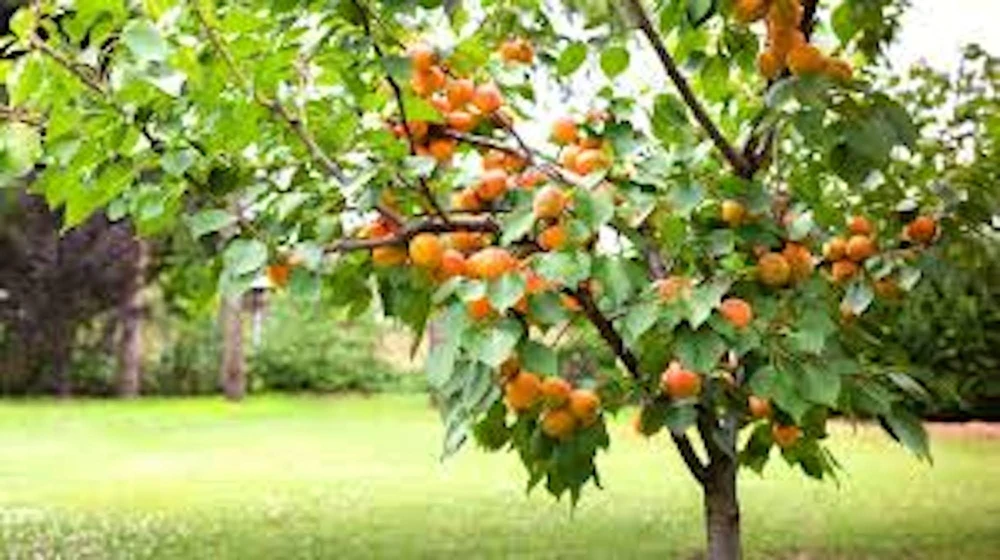
The apricot tree is a relatively small tree, usually reaching heights of 15-40 feet, making it suitable for various garden sizes. Its spreading canopy provides ample shade, and its oval-shaped, pointed leaves with serrated edges and reddish stems add to its aesthetic appeal. This particular offering is a robust starter plant, shipped as a bare root specimen, ensuring it’s ready for immediate planting and establishment in your chosen location. Investing in an apricot tree live plant allows you to enjoy the entire lifecycle of this magnificent fruit producer, from its initial delicate blooms to the eventual harvest of ripe, juicy apricots.
Key Benefits
Choosing to plant an apricot tree offers numerous advantages, enhancing both your garden’s beauty and your culinary options. This apricot tree live plant provides a rewarding gardening experience with tangible results.
- Delicious Homegrown Fruit: Enjoy the unparalleled taste of fresh, ripe apricots straight from your own garden. Homegrown apricots are often sweeter and more flavorful than store-bought varieties, perfect for eating fresh, baking, or preserving.
- Beautiful Spring Blossoms: The tree produces a spectacular display of white or pink flowers in early spring, adding significant ornamental value to your landscape before the foliage fully emerges. These blossoms also attract beneficial pollinators.
- Shade and Aesthetic Appeal: With its spreading canopy and attractive foliage, the apricot tree provides pleasant shade during warmer months and contributes to the overall beauty of your garden. It’s a lovely addition as a focal point or part of a larger edible landscape.
- Long-Term Investment: A well-cared-for apricot tree can produce fruit for many years, offering a sustainable source of delicious produce and increasing the value of your property. Learning to grow apricot tree is a fulfilling endeavor.
- Relatively Compact Size: As a smaller fruit tree, typically reaching 15-40 feet, it’s manageable for many home gardens and doesn’t require as much space as some larger fruit tree varieties. This makes it an ideal choice if you want an apricot fruit tree without an overwhelming footprint.
- Supports Local Ecosystem: The blossoms provide nectar for bees and other pollinators, contributing to the health of your local ecosystem and supporting biodiversity.
- Educational Opportunity: Growing a fruit tree from a starter plant provides a wonderful educational experience for families, teaching about plant life cycles, fruit production, and sustainable living.
Plant Care & Growing Tips
Caring for your apricot tree live plant is crucial for its healthy growth and bountiful fruit production. Apricot trees generally thrive with proper attention to their specific needs regarding sunlight, soil, and watering. Understanding these requirements will help your Prunus armeniaca tree flourish in your garden.
Sunlight Requirements: Apricot trees require full sun to produce the best fruit. This means at least 6-8 hours of direct sunlight per day. Choose a planting location that receives unobstructed sunlight throughout the majority of the day. Good sun exposure is vital for fruit ripening and overall tree health. Without adequate light, fruit production will be sparse and the quality may be poor. Ensure there are no taller trees or structures that will cast significant shade on your young apricot fruit tree as it grows.
Watering Schedule and Soil Moisture Preferences: Consistent watering is important, especially for young trees and during dry spells. Water deeply and regularly, ensuring the soil remains consistently moist but not waterlogged. Deep watering encourages the development of a strong root system. Once established, apricot trees are moderately drought-tolerant but will benefit from supplemental watering during prolonged dry periods. Reduce watering frequency in cooler, dormant months. Proper drainage is key to prevent root rot.
Soil Type and Drainage Requirements: Apricot trees prefer well-draining, loamy soil with a pH between 6.0 and 7.0. Heavy clay soils that retain too much water should be amended with organic matter like compost to improve drainage. Sandy soils may need amendments to improve water retention. Good drainage is paramount to prevent waterlogging, which can be detrimental to the roots of your deciduous fruit tree. Before planting, consider a soil test to understand your soil’s composition and make necessary adjustments.
Temperature Range and USDA Hardiness Zone: Apricot trees are generally hardy in USDA Zones 4-8, though specific varieties may have slightly different tolerances. They require a certain number of chill hours (hours below 45°F/7°C) during winter to produce fruit. Protect young trees from extreme winter cold and late spring frosts, which can damage new blossoms. In very cold regions, consider planting against a south-facing wall to provide some protection. For best results on how to grow apricot tree, select a variety suited to your local climate.
Fertilization Schedule and Type: Fertilize your apricot tree annually in early spring before new growth begins. Use a balanced slow-release fertilizer or one formulated for fruit trees. Follow the product instructions for application rates based on the tree’s size and age. Avoid over-fertilizing, which can promote excessive vegetative growth at the expense of fruit production. Young trees may benefit from a lighter application. Organic options like compost and well-rotted manure can also enrich the soil.
Common Problems and Solutions: Apricot trees can be susceptible to various pests and diseases, including brown rot, powdery mildew, and peach leaf curl. Regular inspection of your apricot tree live plant for signs of trouble is essential. Good air circulation, proper pruning, and sanitation can help prevent many issues. For fungal diseases, preventative fungicide sprays may be necessary. Common pests like aphids and borers can often be managed with organic pest control methods or appropriate insecticides if infestations are severe. Prompt action can save your tree and your harvest.
Size & Details
This offering is for one apricot tree live plant, a vigorous starter specimen of Prunus armeniaca tree. The plant typically stands between 12-24 inches tall at the time of shipping, providing a significant head start for establishment in your garden. These young trees are shipped bare root, meaning they are carefully packaged without soil around their roots to minimize shipping stress and allow for easier planting upon arrival. The bare root format is an efficient and effective way to transplant dormant trees, encouraging rapid root development once planted in their new home.
Apricot trees are known for their moderate growth rate, and with proper care, your starter plant will quickly establish itself and begin to put on new growth. While fruit production can begin within 2-5 years, the exact timeline depends on growing conditions and specific variety. The mature height of an apricot fruit tree ranges from 15 to 40 feet, with a spreading canopy that can provide ample shade and a significant harvest. Planting this deciduous fruit tree allows you to witness its transformation from a young starter into a mature, fruit-bearing specimen over time.
Frequently Asked Questions
- Q: How big will this apricot tree get? A: This apricot tree live plant is a starter specimen, typically 12-24 inches tall upon arrival. When mature, an apricot tree (Prunus armeniaca tree) can reach heights of 15-40 feet with a spreading canopy, depending on the variety and growing conditions.
- Q: Is this an indoor or outdoor plant? A: Apricot trees are primarily outdoor plants. They require full sun and specific chill hours during winter to produce fruit. While they can be started indoors in pots in specific climates, they are ultimately meant to be planted in the ground outdoors.
- Q: How much sunlight does this apricot tree need? A: Your apricot tree live plant needs full sun, which means at least 6-8 hours of direct sunlight per day. Adequate sunlight is crucial for healthy growth and optimal fruit production.
- Q: Is this plant easy to care for? A: Apricot trees are moderately easy to care for, especially with proper attention to their sunlight, watering, and soil needs. They are a great choice for gardeners looking to grow apricot tree with some basic horticultural knowledge.
- Q: How will the plant arrive? A: This apricot tree live plant is shipped bare root, meaning it will arrive without soil around its roots. The roots will be carefully packaged to retain moisture, ensuring the plant is healthy and ready for planting upon arrival.
- Q: When is the best time to plant an apricot tree? A: The best time to plant bare root apricot trees is typically in late winter or early spring, before new growth begins. This allows the tree to establish its root system before the stress of summer heat.
- Q: What USDA Hardiness Zones is this apricot tree suitable for? A: Most apricot varieties, including this deciduous fruit tree, are suitable for USDA Hardiness Zones 4-8. It’s important to ensure your specific zone falls within this range for successful growth and fruit production.
- Q: How long until this apricot tree produces fruit? A: A young apricot fruit tree can begin producing fruit within 2-5 years after planting, though this can vary based on growing conditions, care, and the specific variety. Patience and consistent care will lead to a rewarding harvest.
- Q: What kind of soil is best for an apricot tree? A: Apricot trees thrive in well-draining, loamy soil with a neutral pH (6.0-7.0). Good drainage is essential to prevent root rot. Amending heavy clay soils with organic matter can improve their suitability.
- Q: Can I grow an apricot tree in a large pot? A: While it is possible to grow dwarf apricot varieties in large containers, standard apricot trees, like this apricot tree live plant, are best grown in the ground where their root systems can fully develop. If container growing, choose a very large pot and be prepared for more frequent watering and feeding.
Be the first to review “Apricot Tree Live Plant Prunus armeniaca Fruit Starter 12-24in Tall”
People Also Viewed




Flower Seeds
Reviews
There are no reviews yet.