
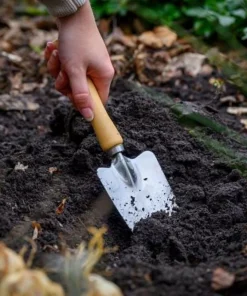

Doronicum Little Leo Live Plant – Leopard’s Bane – Quart Pot
Original price was: $46.99.$36.99Current price is: $36.99.
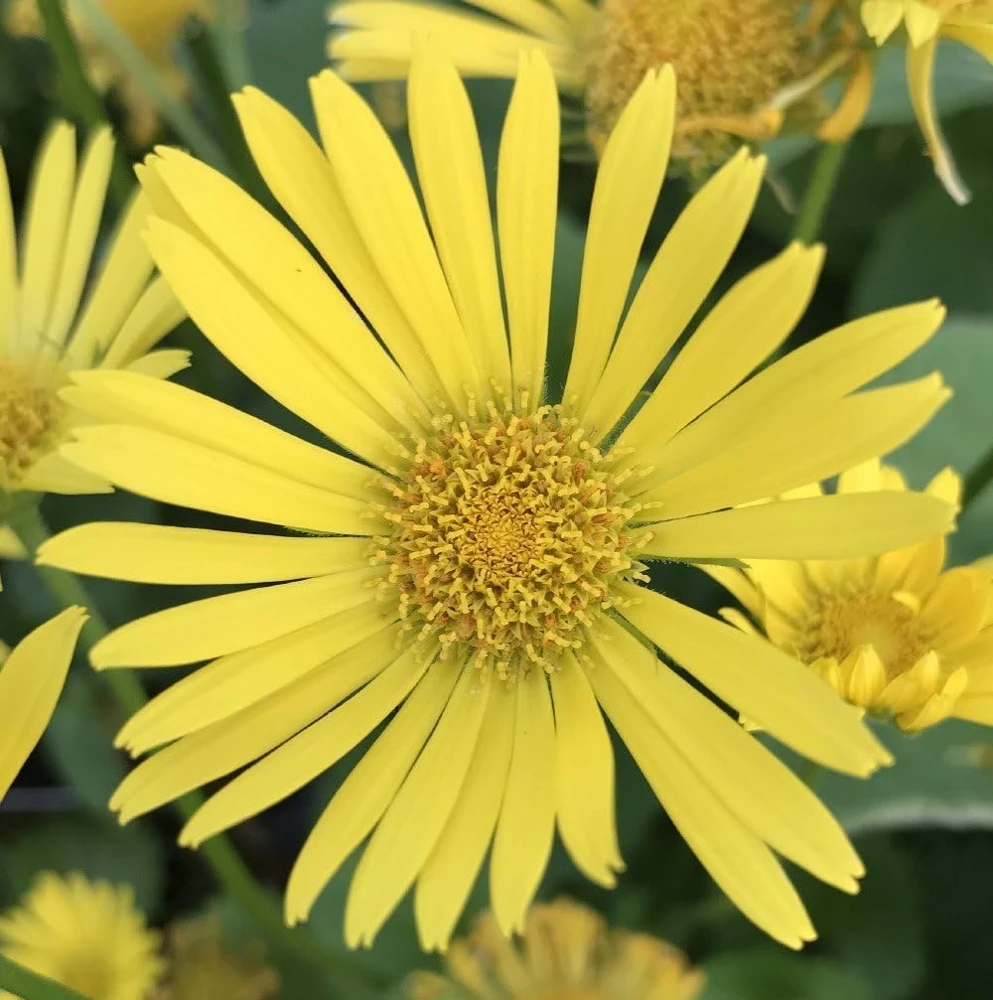
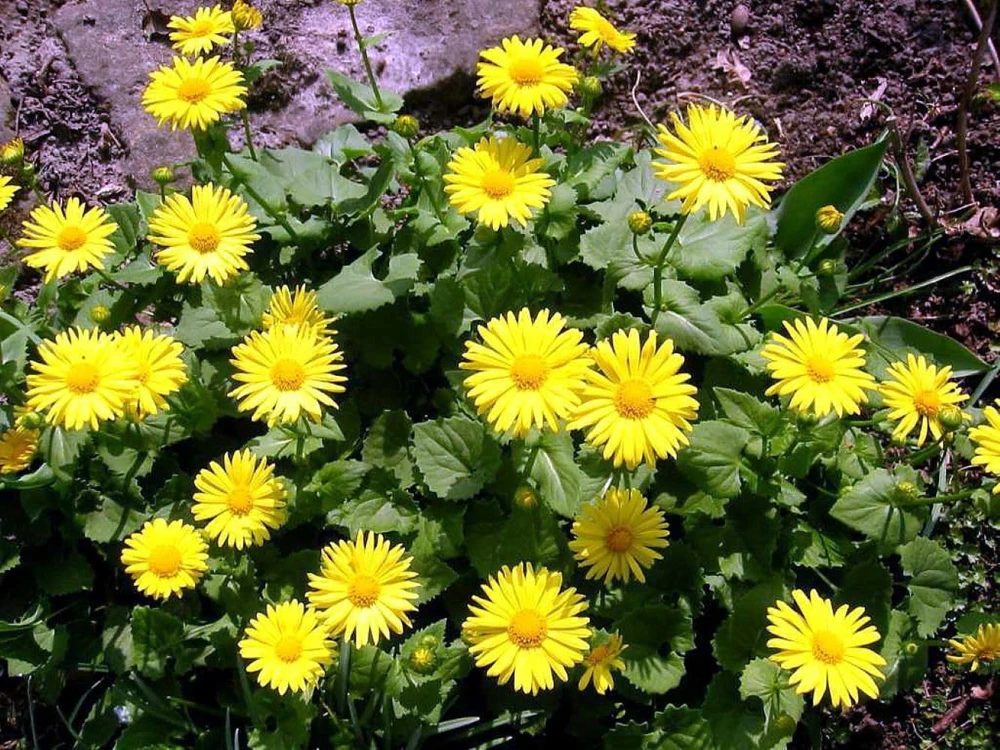
Add a splash of vibrant yellow to your garden with the Doronicum Little Leo live plant. This cheerful perennial, also known as Leopard’s Bane plant care, blooms in early spring, offering delightful daisy-like flowers. Ideal for garden beds and borders.
Estimated arrival
Sep 29
Oct 04 - Oct 06
Oct 09 - Oct 13
Shop With Confidence
30-Day Plant Health Guarantee
Arrives damaged? We’ll replace it free — see our return policy.
Responsive Support
Email us anytime, we reply within 1 business day.
Expert Packaging
Temperature-controlled shipping to protect your plants in transit.
Secure Checkout
Pay safely with Visa, Mastercard, PayPal.
Plant Specifications
-
USDA Hardiness Zone
2-8 -
Soil Type
Well-draining garden soil -
Sunlight Exposure
Full sun to part shade -
Expected Planting Period
Spring or autumn
Overview
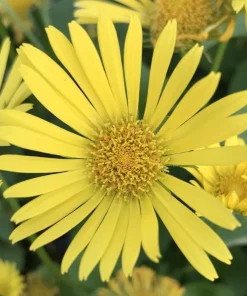
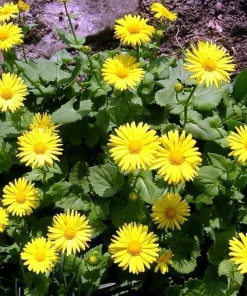
Introduce a burst of sunshine to your garden with the captivating Doronicum Little Leo live plant. This delightful perennial, commonly known as Leopard’s Bane, is celebrated for its brilliant, daisy-like yellow flowers that herald the arrival of spring. The ‘Little Leo’ variety is particularly cherished for its compact growth habit and prolific blooming, making it an excellent choice for adding early season color to borders, rock gardens, or woodland edges. Each Doronicum Little Leo live plant arrives ready to thrive, providing an instant uplift to your outdoor space. Its cheerful disposition and relatively easy care make it a favorite among both novice and experienced gardeners looking for dependable spring bloomers.
The botanical name, Doronicum, refers to a genus of flowering plants in the sunflower family (Asteraceae). Leopard’s Bane is a common name derived from the belief that the plant’s roots were historically used to poison leopards, though this practice is not recommended. Today, it’s admired purely for its ornamental value. This particular variety, ‘Little Leo’, is a compact cultivar, perfect for smaller gardens or front-of-the-border plantings. Its bright yellow flowers emerge in abundance, creating a stunning visual display when little else is in bloom.
Key Benefits
Cultivating a Doronicum Little Leo live plant in your garden offers numerous advantages, from aesthetic appeal to ease of maintenance. This vibrant perennial is a true garden gem:
- Early Spring Blooms: One of its most significant benefits is its ability to bloom in early spring, often before many other perennials. This provides much-needed color and cheer after the long winter months, making the Doronicum Little Leo live plant a garden standout.
- Vibrant Yellow Flowers: The bright, sunny yellow flowers are incredibly cheerful and can instantly brighten any garden space. They are perfect for creating a focal point or adding contrast to other early spring flowers.
- Attracts Pollinators: The daisy-like flowers are a magnet for early-season pollinators like bees and butterflies, contributing to a healthy garden ecosystem. This makes it an excellent choice for a pollinator-friendly garden.
- Low Maintenance: Once established, this plant requires minimal care, making it ideal for busy gardeners. Its robust nature means less time spent on intensive gardening and more time enjoying its beauty.
- Cut Flower Potential: The cheerful blooms are excellent for cutting and bringing indoors. They make lovely, long-lasting additions to spring floral arrangements, allowing you to enjoy their beauty inside your home.
- Hardy and Resilient: The Leopard’s Bane plant care is straightforward, as it is hardy in a wide range of USDA zones, tolerating various conditions and proving to be quite resilient.
- Compact Growth: The ‘Little Leo’ cultivar offers a compact growth habit, making it suitable for smaller gardens, containers, or the front of borders where space is a consideration.
Plant Care & Growing Tips
Proper Leopard’s Bane plant care ensures a healthy and vibrant display of blooms each spring. The Doronicum Little Leo live plant is relatively easy to care for, but understanding its specific needs will help it thrive. It prefers a location with full sun to part shade. In cooler climates, full sun is ideal for the most abundant flowering, while in warmer regions, some afternoon shade can help protect the plant from intense heat and prevent wilting. Aim for at least 4-6 hours of direct sunlight per day.
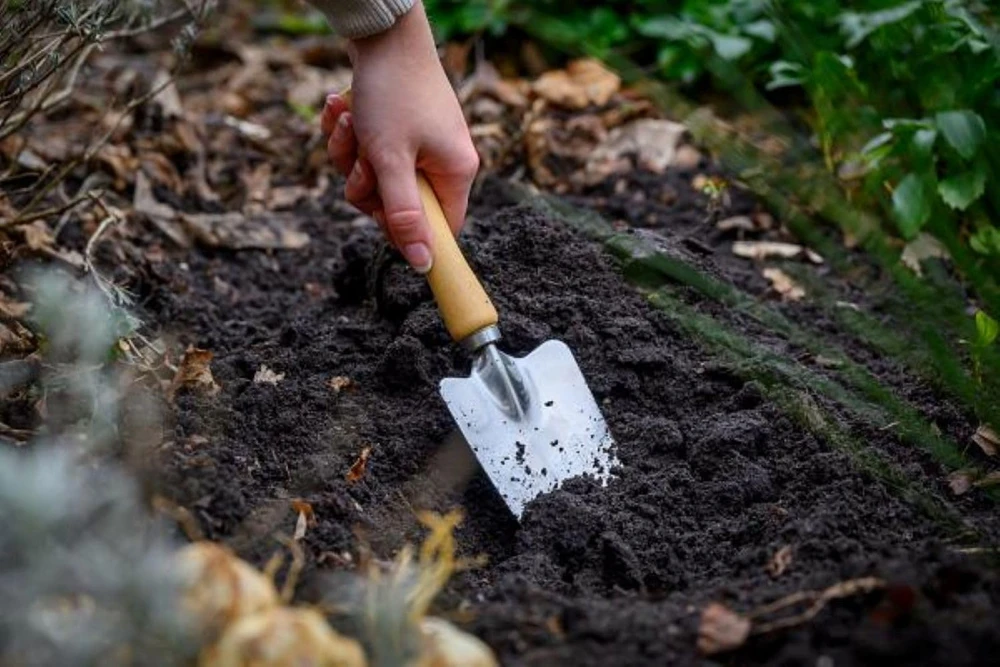
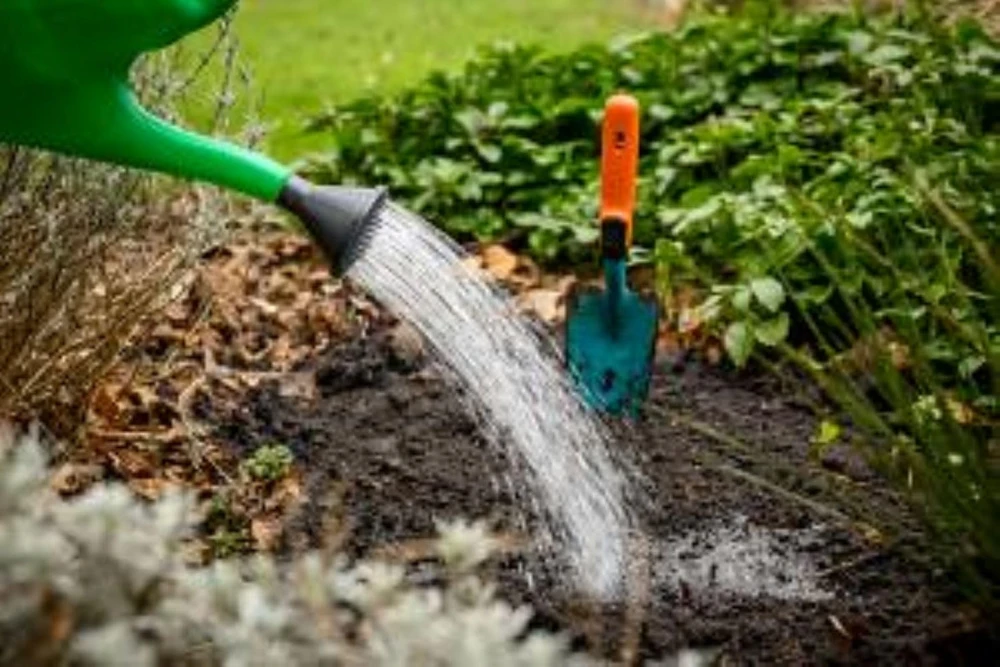
When it comes to soil, Doronicum is not overly particular but performs best in ordinary garden soil that is well-draining and rich in organic matter. While it can tolerate a range of soil types, avoid heavy clay soils that retain too much moisture, as this can lead to root rot. Good drainage is crucial. Water regularly, especially during dry spells and in its first growing season, to establish a strong root system. Keep the soil consistently moist but not waterlogged. Once established, it is moderately drought-tolerant but will benefit from consistent moisture during flowering. Fertilize with a balanced slow-release granular fertilizer in early spring as new growth emerges, or amend the soil with compost to provide nutrients naturally. Deadhead spent flowers to encourage more blooms and maintain a tidy appearance. The Doronicum planting guide suggests planting in spring or autumn.
Propagation can be done by division after flowering in spring or in October. This helps to rejuvenate older clumps and provides new plants. The plant is hardy in USDA zones 2-8, making it suitable for a wide range of climates. It’s generally pest and disease resistant, but watch out for slugs and snails, especially on young foliage. Providing good air circulation can help prevent fungal issues. This yellow perennial flowers with minimal fuss, making it a rewarding addition to any garden.
Size & Details
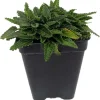
The Doronicum Little Leo live plant is supplied in a quart pot, ready for immediate planting and establishment in your garden. This size ensures a well-rooted plant that will quickly settle into its new environment. Typically, this variety grows to a height of 12-15 inches, with a similar spread of 12-15 inches, forming a neat, mounding habit. The plant is shallow-rooted, making it easy to transplant and divide when necessary. Blooms can be expected in early spring, usually in May, depending on your specific climate and growing conditions. The vibrant yellow flowers are approximately 2-3 inches in diameter, creating a striking display. The compact nature of ‘Little Leo’ makes it an excellent choice for front borders, containers, or mass plantings where a uniform height is desired. This plant offers a relatively fast growth rate, quickly filling out its space and producing abundant flowers.
Frequently Asked Questions
- Q: How big does the Doronicum Little Leo plant get? A: The Doronicum Little Leo live plant typically reaches a height of 12-15 inches and spreads about 12-15 inches wide, creating a compact and bushy form perfect for various garden applications.
- Q: Is this an indoor or outdoor plant? A: This is primarily an outdoor perennial plant, hardy in USDA zones 2-8. It thrives in garden beds, borders, and outdoor containers, providing beautiful early spring blooms.
- Q: How much sunlight does it need? A: The Doronicum Little Leo prefers full sun to part shade. In cooler climates, full sun is ideal, while in hotter regions, it benefits from some afternoon shade to protect its delicate blooms.
- Q: Is this plant easy to care for? A: Yes, the Leopard’s Bane plant care is considered relatively easy. It’s a low-maintenance perennial that, once established, requires minimal attention beyond regular watering during dry periods and occasional deadheading.
- Q: What condition will it arrive in? A: Your Doronicum Little Leo live plant will arrive as a healthy, well-rooted plant in a quart pot, carefully packaged to ensure its safe journey and readiness for planting.
- Q: How long until it blooms? A: This plant is known for its early spring blooming, typically flowering in May. If planted in spring, it may bloom in its first year, or certainly by the following spring.
- Q: What is the best time to plant this Doronicum? A: The Doronicum planting guide recommends planting in either spring or autumn. Both seasons allow the plant sufficient time to establish its root system before extreme weather conditions.
- Q: Will it survive winter in my zone? A: Yes, if you are within USDA hardiness zones 2-8, the Doronicum Little Leo is hardy and will survive winter, returning with cheerful blooms each spring.
- Q: Can I use these flowers in arrangements? A: Absolutely! The bright yellow flowers of this yellow perennial flowers are excellent for cutting and make charming, long-lasting additions to spring floral arrangements.
- Q: What kind of soil does it prefer? A: It thrives in ordinary garden soil that is well-draining and rich in organic matter. Good drainage is key to preventing root issues.
Be the first to review “Doronicum Little Leo Live Plant – Leopard’s Bane – Quart Pot”
People Also Viewed

Vegetable Seeds
Reviews
There are no reviews yet.