

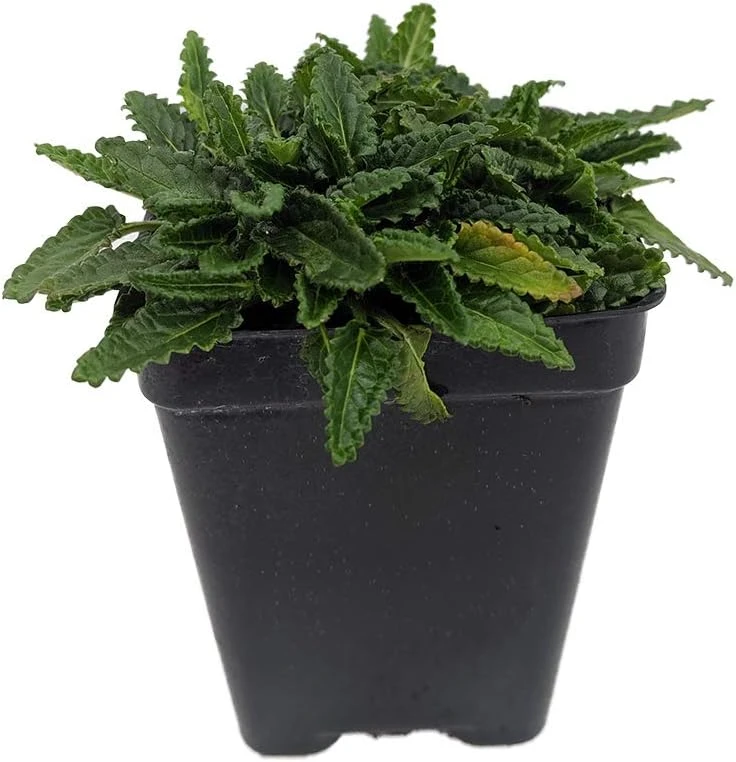
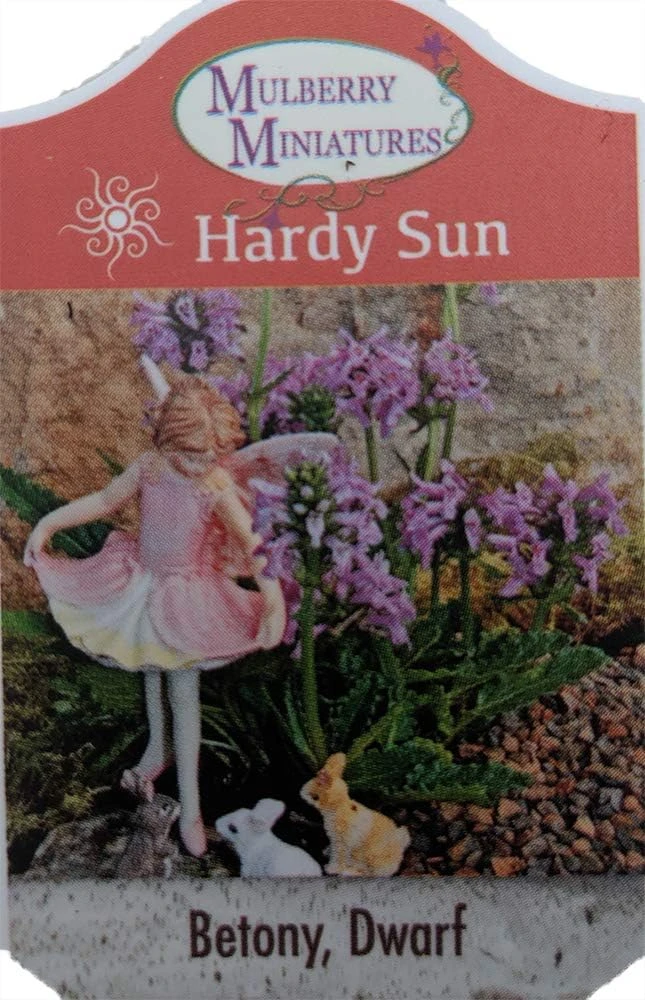
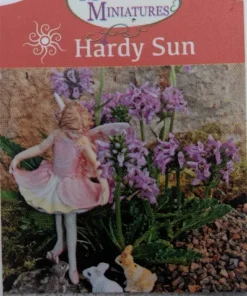
Dwarf Betony Stachys Minima Live Plant – 2.5″ Pot – Pink/Purple Flowers
Original price was: $34.99.$24.99Current price is: $24.99.
Bring charm to your space with this dwarf betony live plant, Stachys minima, in a 2.5″ pot. Ideal for terrariums, fairy gardens, or as a delightful houseplant, it features lovely pink/purple summer blooms and a compact spreading habit.
Estimated arrival
Sep 29
Oct 04 - Oct 06
Oct 09 - Oct 13
Shop With Confidence
30-Day Plant Health Guarantee
Arrives damaged? We’ll replace it free — see our return policy.
Responsive Support
Email us anytime, we reply within 1 business day.
Expert Packaging
Temperature-controlled shipping to protect your plants in transit.
Secure Checkout
Pay safely with Visa, Mastercard, PayPal.
Plant Specifications
-
USDA Hardiness Zone
3 to 8 -
Soil Type
Moist, well-drained soil -
Sunlight Exposure
Full Sun -
Expected Planting Period
Year-round indoors, Spring to Fall outdoors
Overview
Introduce a touch of miniature beauty to your garden or indoor collection with the exquisite dwarf betony live plant, Stachys minima. This charming perennial, also known simply as Dwarf Betony, is a spreading groundcover that forms a dense mat of small, dark green leaves. Perfect for adding texture and color to various settings, this plant is particularly well-suited for terrariums, fairy gardens, rockeries, or as a delightful border plant. Its compact size and attractive foliage make it a versatile choice for both novice and experienced gardeners. During the summer months, it graces your space with delicate spikes of pink-purple flowers, creating a truly enchanting display. Originating from mountainous regions, Stachys minima is surprisingly hardy and adaptable, offering reliable performance with minimal fuss. Whether you’re looking to create a whimsical miniature landscape or simply seeking a unique and easy-to-grow plant, this dwarf betony live plant is an excellent choice.
The Stachys minima is renowned for its low-growing habit, typically reaching a mature height of 3-6 inches and spreading 8-12 inches wide. This makes it an ideal candidate for filling in small spaces or creating a lush, green carpet. Its vibrant pink-purple flowers provide a striking contrast against its deep green foliage, attracting beneficial pollinators to outdoor gardens. As a live plant, it arrives ready to thrive in its new home, providing immediate visual appeal and the satisfaction of nurturing a living botanical specimen. Explore the unique appeal of this compact and floriferous plant for your next gardening project.
Key Benefits
The dwarf betony live plant offers a multitude of benefits that make it a standout choice for various gardening styles:
- Compact & Versatile Growth: With its small stature, this plant is perfect for small spaces, container gardening, terrariums, and fairy gardens. Its spreading habit creates a beautiful groundcover effect.
- Attractive Summer Blooms: Enjoy a charming display of pink-purple flowers throughout July and August, adding a splash of color to your garden or indoor setting. These delicate blooms are a delightful feature.
- Low Maintenance: This hardy perennial requires minimal care once established, making it an excellent option for busy gardeners or those new to plant care. It’s an easy-to-grow specimen.
- Hardy & Resilient: Suitable for USDA Zones 3 to 8, the dwarf betony live plant can withstand a range of temperatures, ensuring it thrives in many climates. Its robust nature contributes to its longevity.
- Unique Foliage: The small, dark green leaves provide a lush backdrop, offering year-round interest even when not in bloom. The foliage has a neat and tidy appearance.
- Pollinator Friendly: When grown outdoors, the pink-purple blooms can attract pollinators like bees and butterflies, contributing to local ecosystem health.
- Terrarium & Fairy Garden Favorite: Its miniature size and charming appearance make it an essential element for creating enchanting miniature landscapes. Many enthusiasts seek this plant for its suitability in such intricate designs.
Plant Care & Growing Tips
Caring for your dwarf betony live plant, Stachys minima, is straightforward, ensuring a rewarding gardening experience. This resilient plant thrives in conditions that mimic its natural habitat. For optimal growth, provide it with full sun exposure, meaning at least six hours of direct sunlight daily. While it can tolerate some partial shade, especially in hotter climates, full sun will encourage the most abundant flowering and dense foliage. When considering watering, the Dwarf Betony prefers consistently moist soil but is intolerant of waterlogging. Ensure the soil is well-drained to prevent root rot. Watering deeply when the top inch of soil feels dry to the touch is generally a good practice, especially during dry spells or if grown in containers.
The ideal soil for Stachys minima is a well-drained mix, rich in organic matter. A sandy loam or a good quality potting mix amended with compost works well. Good drainage is paramount to prevent fungal issues. Fertilization is generally not heavily required; a light application of a balanced, slow-release granular fertilizer in early spring can boost growth and flowering. For indoor plants, a diluted liquid fertilizer every 4-6 weeks during the growing season is sufficient. This plant is hardy in USDA Zones 3 to 8, meaning it can withstand winter temperatures down to -40°F (-40°C) when established. If you’re growing it in a container in colder zones, consider bringing it indoors or providing winter protection. Common problems are rare, but watch for signs of overwatering such as yellowing leaves, and adjust your watering schedule accordingly. Pests are typically not a major concern for this robust stachys minima care is relatively simple.
Size & Details
Your dwarf betony live plant, Stachys minima, will arrive in a 2.5-inch nursery pot, ready for immediate planting or placement in your chosen terrarium or fairy garden. At maturity, this charming groundcover typically reaches a height of 3-6 inches and spreads outwards to a width of 8-12 inches, forming a dense, verdant mat. Its compact growth habit makes it an excellent choice for filling in gaps in garden beds, creating borders, or as a specimen plant in miniature landscapes. The plant exhibits a moderate growth rate, establishing itself well within one growing season and reaching its mature size within a few years. It begins to produce its lovely pink-purple flowers from July through August, providing a beautiful display throughout the summer.
This variety is known for its resilience and adaptability. It is a live plant, ensuring you receive a healthy, established specimen ready to thrive. The 2.5-inch pot size provides a good root system for transplanting while remaining small enough for intricate arrangements. Expect a healthy root ball and vibrant foliage upon arrival, indicative of a well-cared-for plant. This fairy garden plants favorite is a long-lived perennial, offering years of enjoyment with proper care.
Frequently Asked Questions
- Q: How big does this plant get? A: The dwarf betony live plant typically grows to a mature height of 3-6 inches and spreads 8-12 inches wide, forming a dense, low-growing mat. Its compact size makes it perfect for various applications.
- Q: What size pot does it come in? A: This Stachys minima plant is shipped in a 2.5-inch nursery pot, providing a healthy start for your new addition. You can transplant it into a larger container or directly into your garden.
- Q: Is this an indoor or outdoor plant? A: The Dwarf Betony is versatile and can be grown both indoors, especially in terrariums or as a houseplant, and outdoors in suitable climates. It is hardy in USDA Zones 3 to 8 for outdoor cultivation.
- Q: How much sunlight does it need? A: This plant thrives in full sun, requiring at least six hours of direct sunlight per day. It can tolerate partial shade, but flowering may be less prolific.
- Q: Is this plant easy to care for? A: Yes, the stachys minima care is considered relatively easy. It’s a low-maintenance plant, making it suitable for beginners and experienced gardeners alike. Just ensure well-draining soil and consistent moisture.
- Q: What condition will it arrive in? A: Your dwarf betony live plant will arrive as a healthy, established plant in its 2.5-inch nursery pot, ready for planting. We take care to package our plants securely for safe transit.
- Q: How long until it blooms? A: This plant typically blooms during the summer months, specifically from July through August, producing charming pink-purple flowers. Established plants will bloom in their first or second year.
- Q: Will it survive winter in my zone? A: The Dwarf Betony is hardy in USDA Zones 3 to 8. If you are in these zones, it will typically survive winter outdoors. In colder zones, container plants may need winter protection or to be brought indoors.
- Q: Can this be used in a terrarium? A: Absolutely! Its compact size and spreading habit make it an excellent choice for terrarium plants and miniature garden settings. It adds lush greenery and delicate blooms.
- Q: What type of soil does it prefer? A: This plant prefers well-draining soil that is consistently moist but not waterlogged. A good quality potting mix or sandy loam enriched with organic matter is ideal.
Be the first to review “Dwarf Betony Stachys Minima Live Plant – 2.5″ Pot – Pink/Purple Flowers”
People Also Viewed
Vegetable Seeds
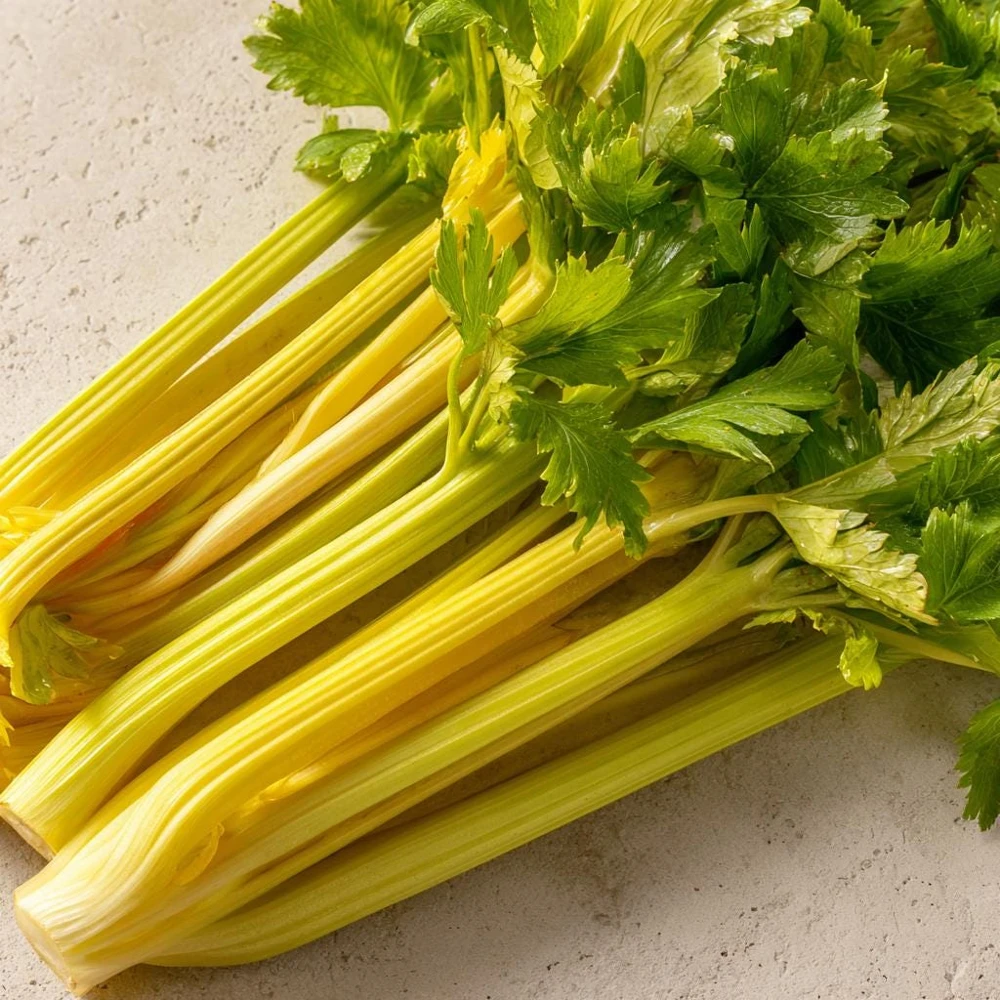
Golden Pascal Celery Seeds – Heirloom Variety – 100 Seed Pack – Easy to Grow Outdoor Vegetable

Uncategorized
Trees
Sweetbay Magnolia Live Tree – Fragrant White Blooms – Quart Pot – 6-12 Inch Tall – Outdoor Plant
Succulents
Kalanchoe Pinnata Live Plants – Leaf of Life Succulent, 2-Pack, 4 Inch Pot, Indoor/Outdoor
Reviews
There are no reviews yet.