
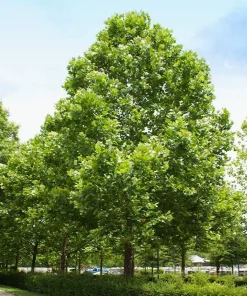
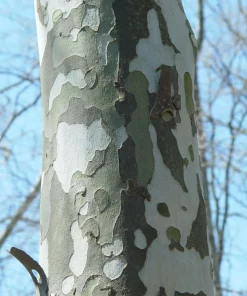
American Sycamore Tree Live Plant – Platanus occidentalis – 12-24″ Tall Bare Root Starter
Original price was: $74.99.$49.99Current price is: $49.99.
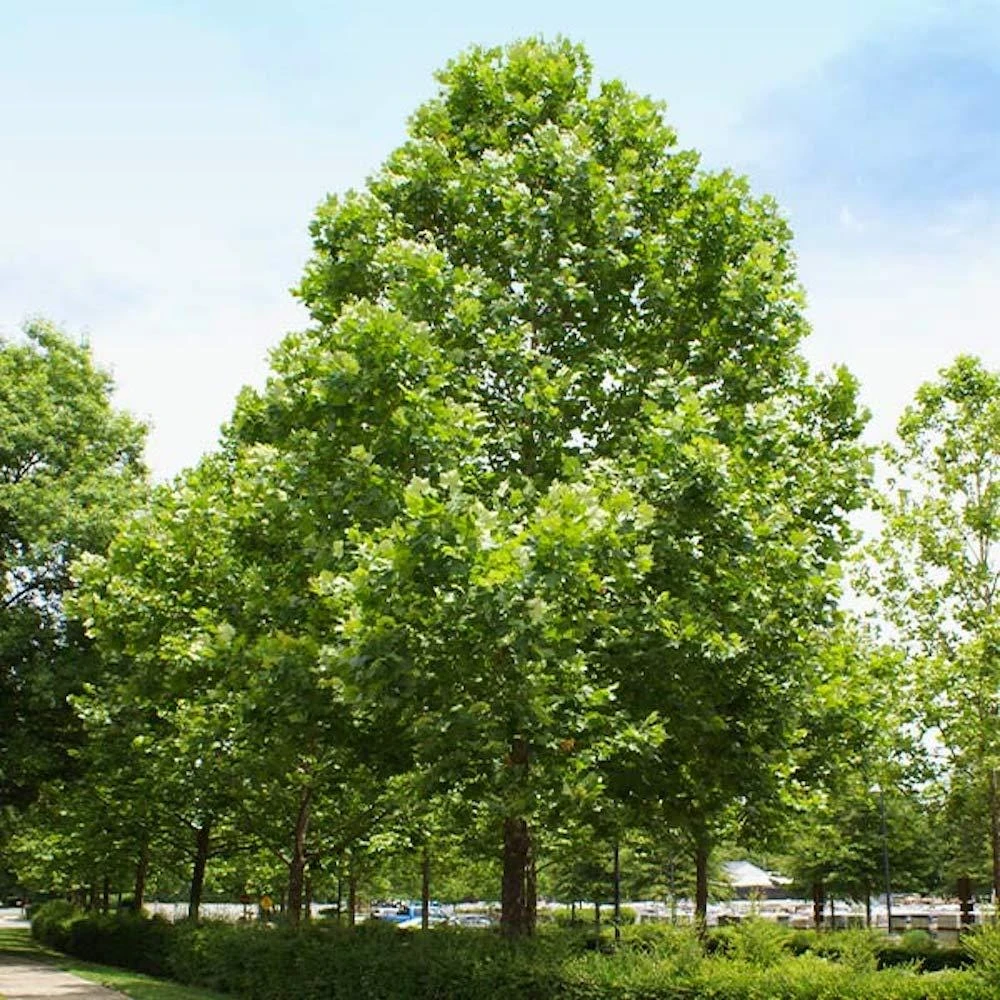
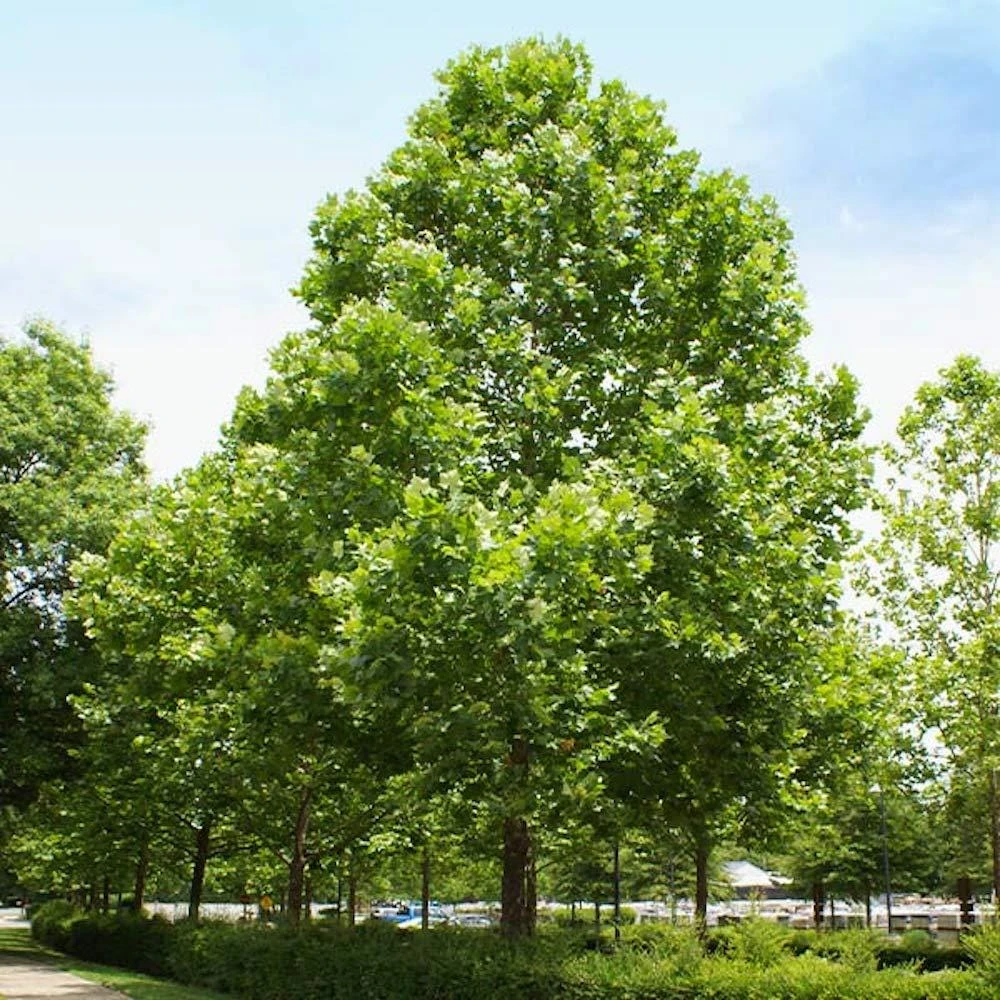
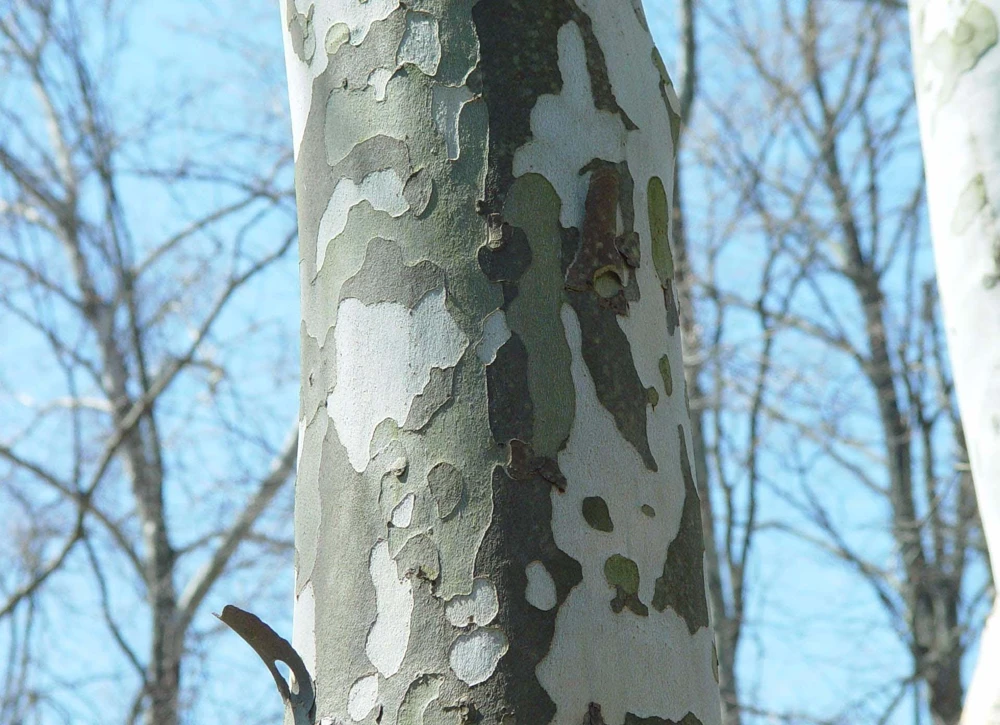
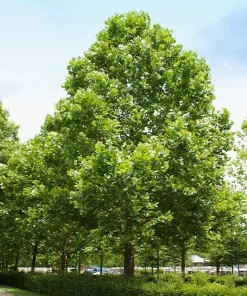
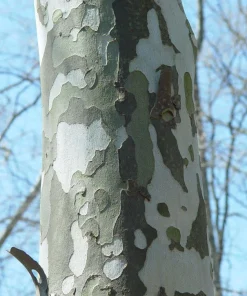
Cultivate a magnificent shade tree with this American Sycamore tree starter. This sycamore bare root plant, scientifically known as Platanus occidentalis, arrives 12-24″ tall, ready to establish. Known for its distinctive exfoliating bark and broad leaves, it’s an excellent choice for a large shade tree in your landscape.
Estimated arrival
Sep 29
Oct 04 - Oct 06
Oct 09 - Oct 13
Shop With Confidence
30-Day Plant Health Guarantee
Arrives damaged? We’ll replace it free — see our return policy.
Responsive Support
Email us anytime, we reply within 1 business day.
Expert Packaging
Temperature-controlled shipping to protect your plants in transit.
Secure Checkout
Pay safely with Visa, Mastercard, PayPal.
Plant Specifications
-
USDA Hardiness Zone
USDA Zones 4-9 -
Soil Type
Well-draining loam, adaptable to various soils including wet -
Sunlight Exposure
Full sun -
Expected Planting Period
Early spring to late fall (dormant season)
Overview
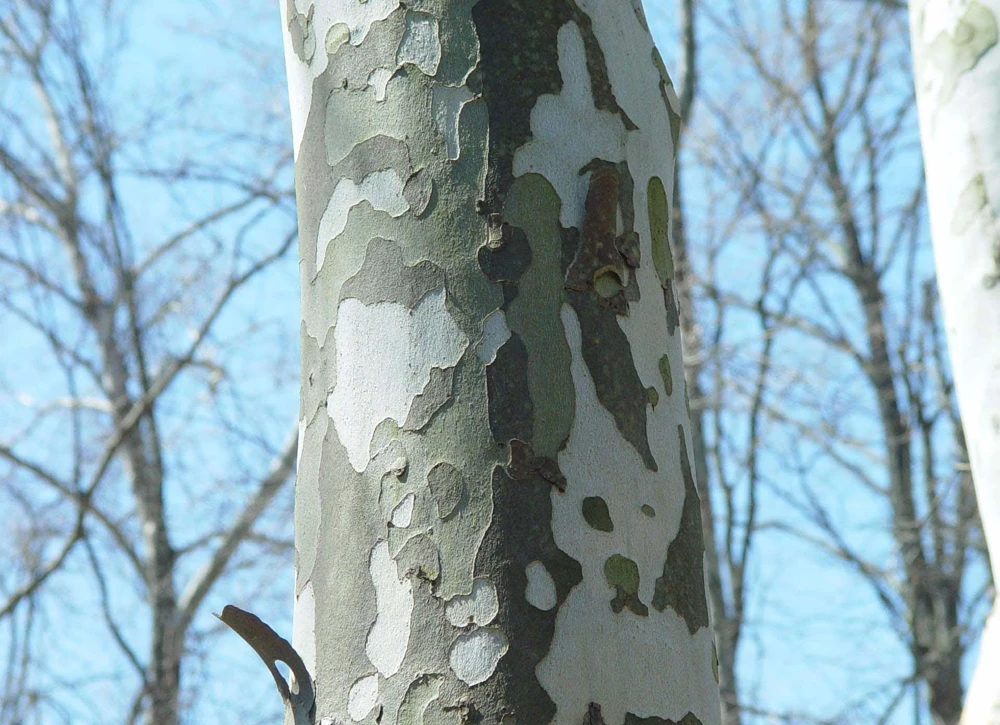
Transform your landscape with a majestic American Sycamore tree (Platanus occidentalis), one of North America’s most iconic native hardwood species. This offering provides a vigorous bare root starter plant, typically measuring 12-24 inches tall, ready for planting and establishment in your garden. The American Sycamore, also known as buttonwood or buttonball tree, is celebrated for its rapid growth, impressive size, and long lifespan, making it a cornerstone for any large property seeking a truly grand natural feature. Its most distinguishing characteristic is its mottled, exfoliating bark, which peels away in irregular patches to reveal shades of green, cream, and brown underneath, creating a visually striking effect throughout the year, especially in winter. Beyond its aesthetic appeal, the American Sycamore tree plays a vital ecological role, often found thriving along riverbanks and in floodplains, contributing to local biodiversity.
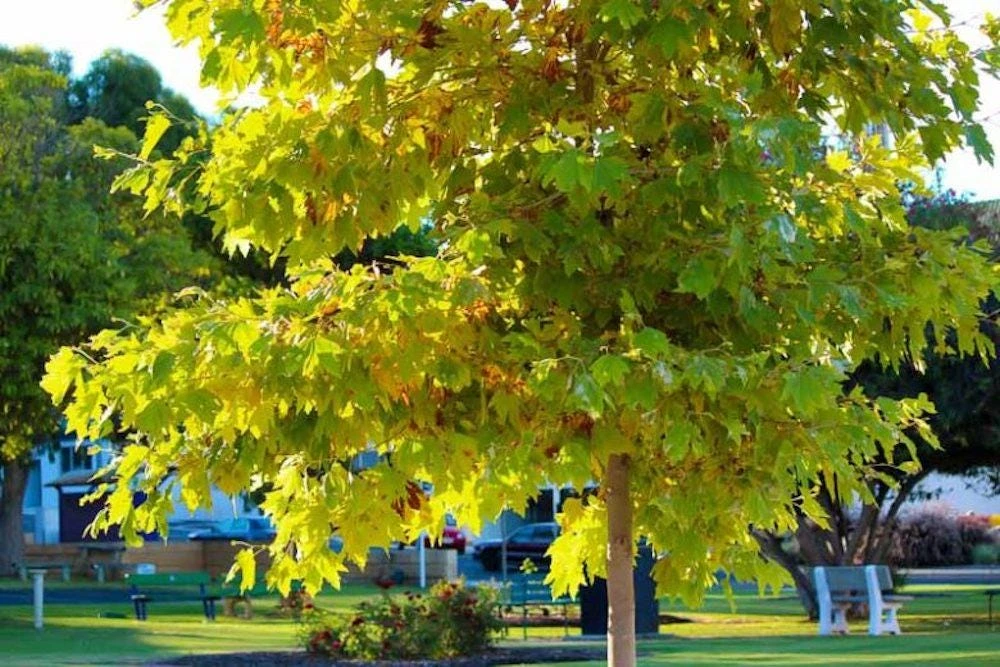
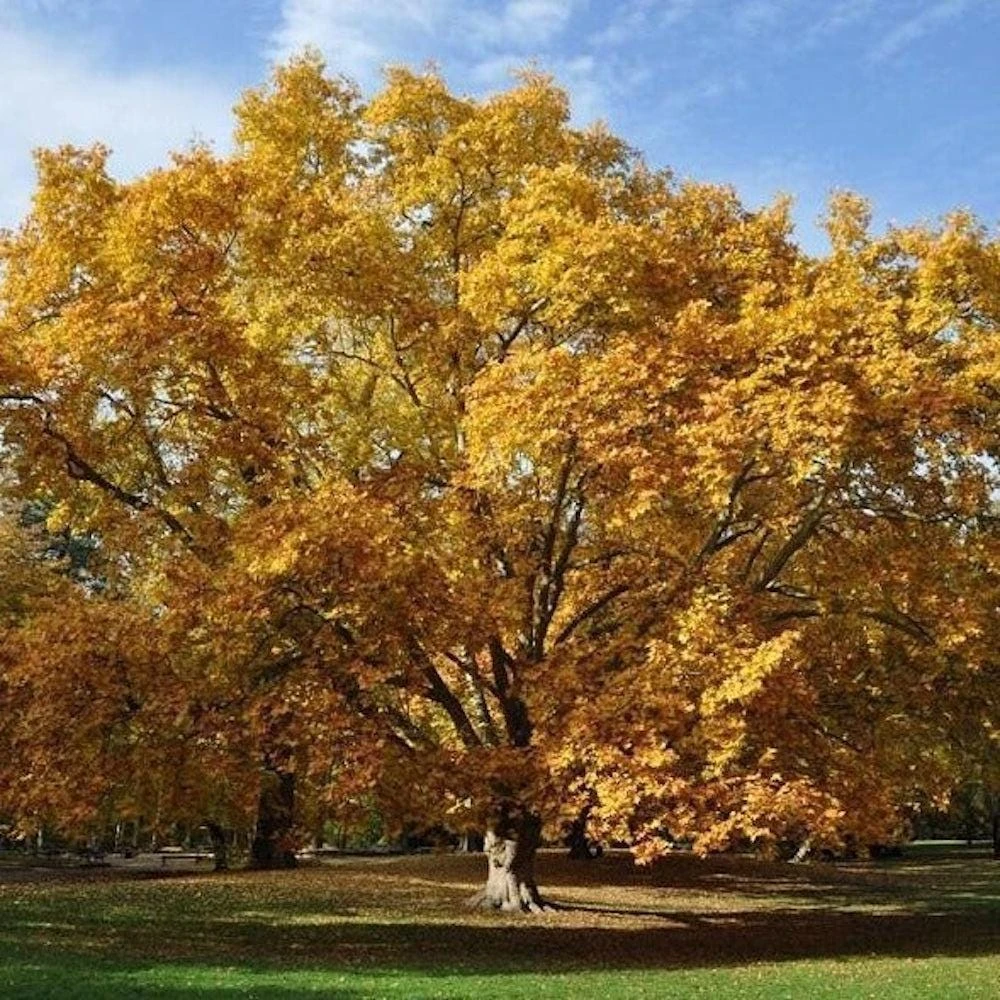
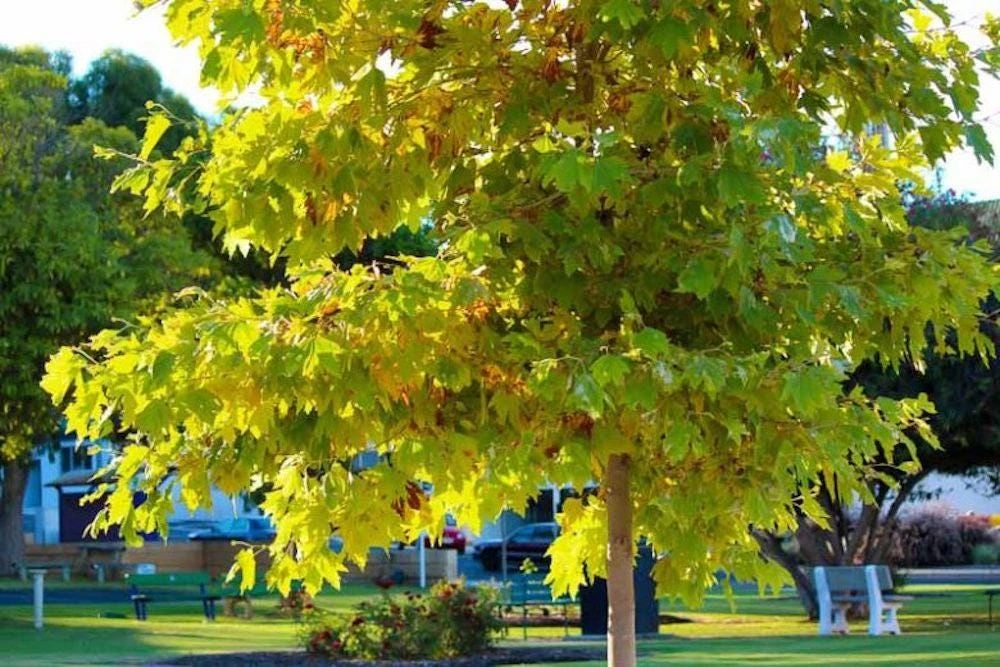
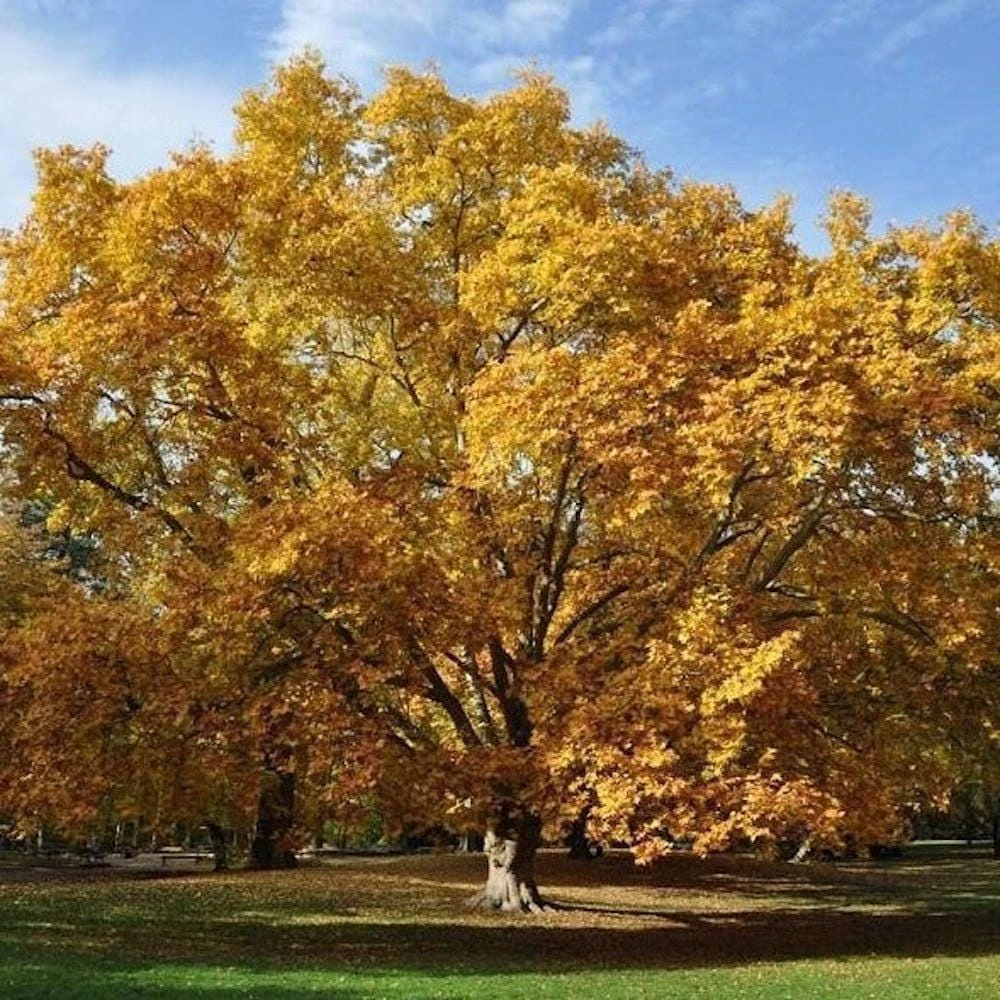
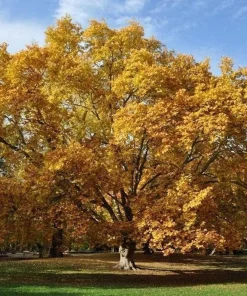
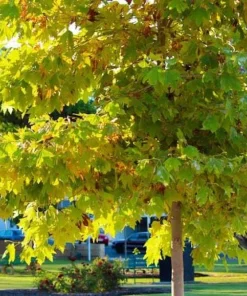
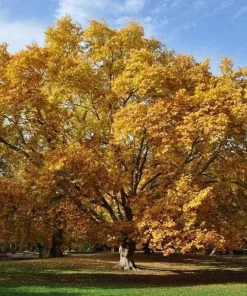
As a Platanus occidentalis specimen, this tree promises to become a significant presence in your outdoor space. Its large, broad leaves provide dense shade during warmer months, and in autumn, they turn a pleasant yellow-brown before falling. The unique fuzzy, spherical seed balls, or “buttonballs,” persist on the branches into winter, adding further visual interest before eventually dispersing their seeds in the spring. Opting for a sycamore bare root starter ensures a strong root system development once planted, setting the stage for a healthy and robust tree. This is an ideal choice for those looking to plant a large shade tree that will offer beauty, habitat, and a natural legacy for generations.
Key Benefits
The American Sycamore tree offers a multitude of benefits, making it an outstanding addition to various landscapes. Its impressive characteristics contribute to both aesthetic appeal and environmental well-being, solidifying its reputation as a valuable and enduring choice for gardeners and landowners alike. Investing in an American Sycamore tree means investing in the future of your property’s beauty and ecological health.
- Exceptional Shade Provider: Known for its expansive canopy and large leaves, the Platanus occidentalis is one of the best choices for creating significant shade, drastically cooling surrounding areas during hot summer months. This can lead to energy savings by reducing cooling costs for nearby structures.
- Distinctive Year-Round Interest: The tree’s most iconic feature is its mottled, exfoliating bark, which peels back to reveal creamy white, green, and brown patches. This unique texture provides visual interest, especially during the winter when other trees are dormant, setting it apart from common landscape trees.
- Rapid Growth Rate: The American Sycamore is a fast growing tree, quickly reaching a substantial size, allowing you to enjoy its benefits sooner. This makes it an excellent option for new constructions or areas where immediate impact is desired.
- Ecological Value: Sycamores are native to North America and support local wildlife. The seed balls provide food for various bird species, and the tree itself offers shelter and nesting sites. It also helps stabilize soil along waterways.
- Adaptability to Various Conditions: This robust tree is highly adaptable, tolerating a wide range of soil types, including wet conditions, and is often found thriving in floodplains. This resilience makes it a low-maintenance option for many environments.
- Long-Lived Specimen: With proper care, an American Sycamore tree can live for centuries, becoming a lasting feature of your property and a legacy for future generations.
- Natural Beauty: From its broad, maple-like leaves to its characteristic seed balls that persist into winter, every aspect of the sycamore contributes to a grand and natural aesthetic, enhancing the overall beauty of any large landscape.
Plant Care & Growing Tips
Caring for your American Sycamore tree begins with proper planting and continues with consistent attention, especially during its establishment phase. This Platanus occidentalis thrives in specific conditions that mimic its natural habitat. When planting your sycamore bare root starter, choose a location with ample space for its mature size, as it will become a truly large shade tree. Dig a hole wide enough to accommodate the root system without bending, and ensure the root flare is at or slightly above ground level. Backfill with the original soil, gently tamping to remove air pockets, and water thoroughly.
Sunlight requirements for the American Sycamore are straightforward: it prefers full sun, meaning at least 6 hours of direct sunlight per day. While it can tolerate some partial shade, optimal growth and health are achieved in sunnier spots. Watering is crucial, especially for young trees. Keep the soil consistently moist but not waterlogged during the first few years. Once established, sycamores are relatively drought-tolerant but will benefit from deep watering during prolonged dry spells. The ideal soil type is a deep, rich, moist, and well-draining loam, but as a hardy species, it can adapt to a variety of soils, including sandy, clay, and occasionally wet conditions. Ensure good drainage to prevent root rot.
The American Sycamore tree is hardy in USDA zones 4-9. It can withstand a wide range of temperatures, from cold winters to hot summers. Fertilization is generally not necessary for established trees in good soil, but young trees can benefit from a balanced, slow-release fertilizer in early spring to encourage vigorous growth. Always follow product instructions. Pruning should focus on removing dead, diseased, or crossing branches to maintain a strong structure. With its potential to be a fast growing tree, occasional structural pruning can be beneficial in its early years to encourage a desirable form. Watch for common pests like sycamore plant bugs or diseases like anthracnose, though healthy trees are generally resilient.
Size & Details
This offering is for one American Sycamore tree bare root starter plant, scientifically known as Platanus occidentalis. Each plant measures approximately 12-24 inches tall upon arrival, providing a robust foundation for growth. The bare root format ensures that the tree’s energy is concentrated on developing a strong root system once planted in its new environment. While provided as a young starter, this species is renowned as a fast growing tree, quickly developing into a substantial specimen. Expect significant height gains annually once established, eventually reaching heights of 75-100 feet or more with a spread of 50-70 feet, making it a truly large shade tree.
The tree will ship without soil or a pot, as a bare root specimen, which is an ideal method for planting deciduous trees during their dormant season. This method allows for less transplant shock and encourages rapid root development. While it starts small, its mature size is impressive, making it suitable for large properties, parks, or areas where its grand stature can be fully appreciated. The distinctive exfoliating bark and large leaves are characteristic features that will become more prominent as the tree matures, providing continuous interest. This American Sycamore tree is a long-term investment in your landscape, promising decades of beauty and shade.
Frequently Asked Questions
- Q: How big does this American Sycamore tree get? A: The American Sycamore tree is a very large species, typically reaching heights of 75-100 feet or more, with a spread of 50-70 feet at maturity. It is considered a large shade tree and requires ample space.
- Q: What size pot does the Platanus occidentalis come in? A: This particular offering is for a bare root starter plant, meaning it will arrive without a pot or soil. It will be 12-24 inches tall and ready for direct planting into the ground.
- Q: Is this an indoor or outdoor plant? A: The American Sycamore tree is an outdoor tree. It is not suitable for indoor cultivation due to its eventual massive size and specific environmental needs.
- Q: How much sunlight does the sycamore bare root need? A: This tree thrives in full sun, requiring at least 6 hours of direct sunlight per day for optimal growth and health. It can tolerate some partial shade but prefers sunny locations.
- Q: Is this tree easy to care for? A: Once established, the American Sycamore tree is relatively low-maintenance. Young trees require consistent watering and protection, but mature trees are quite resilient and adaptable to various conditions.
- Q: What condition will the fast growing tree arrive in? A: Your sycamore bare root plant will arrive dormant, without leaves, which is normal for bare root trees. This ensures a successful transplant and strong root establishment.
- Q: When is the best time to plant an American Sycamore tree? A: The best time to plant bare root trees like the Platanus occidentalis is during its dormant season, typically in early spring or late fall, when the ground is not frozen.
- Q: Will this tree survive winter in my zone? A: The American Sycamore tree is hardy in USDA zones 4-9, making it suitable for a wide range of climates across the United States.
- Q: What’s the minimum temperature this large shade tree can tolerate? A: As a hardy tree in USDA Zone 4, it can tolerate winter temperatures down to approximately -30°F to -20°F (-34°C to -29°C) once established.
- Q: Does the American Sycamore tree produce fruit? A: The American Sycamore tree produces distinctive fuzzy, spherical seed balls, often called “buttonballs,” which hang from the branches. These are not typically considered edible fruit for human consumption.
Be the first to review “American Sycamore Tree Live Plant – Platanus occidentalis – 12-24″ Tall Bare Root Starter”
People Also Viewed
Vegetable Seeds
Flower Seeds
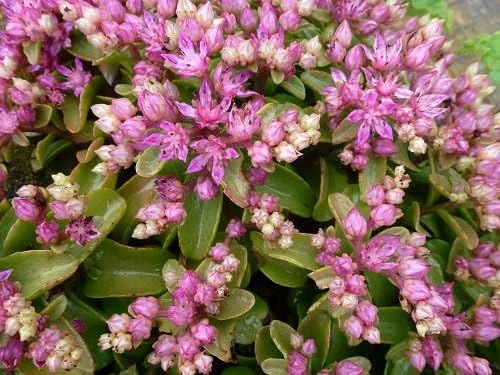
Sedum obtusifolium ‘Listoniae’ Seeds – 50 Seeds, Pink Flowers, Deer Resistant Groundcover
Reviews
There are no reviews yet.