
American Elderberry ‘Aurea’ Live Plant – Golden Foliage Shrub, 2.5×3.5 Inch Pot, Zones 3-9
Original price was: $73.99.$43.99Current price is: $43.99.
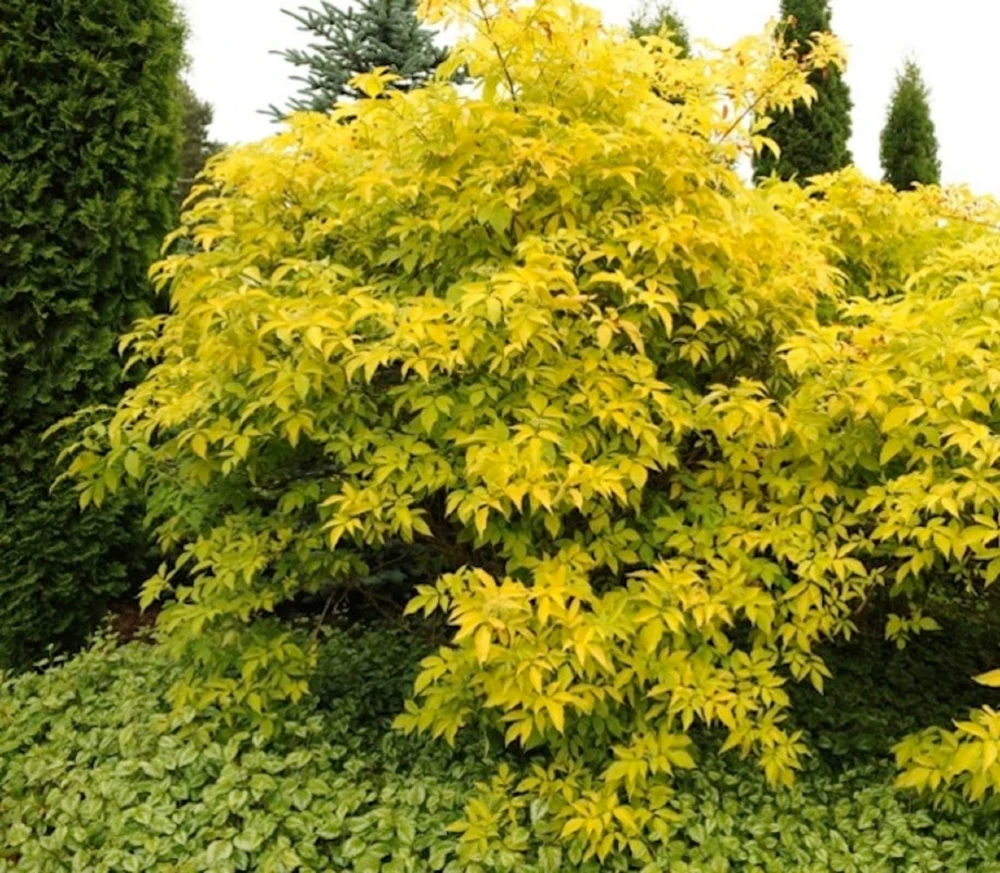
Bring vibrant color to your garden with the American Elderberry ‘Aurea’ live plant. This deciduous shrub features striking golden-yellow leaves, white spring flowers, and edible black berries. Ideal for zones 3-9, it’s a beautiful and productive addition to any landscape.
Estimated arrival
Nov 07
Nov 12 - Nov 14
Nov 17 - Nov 21
Shop With Confidence
30-Day Plant Health Guarantee
Arrives damaged? We’ll replace it free — see our return policy.
Responsive Support
Email us anytime, we reply within 1 business day.
Expert Packaging
Temperature-controlled shipping to protect your plants in transit.
Secure Checkout
Pay safely with Visa, Mastercard, PayPal.
Plant Specifications
-
USDA Hardiness Zone
USDA Zones 3-9 -
Soil Type
Rich, consistently moist, well-draining soil -
Sunlight Exposure
Full sun -
Expected Planting Period
Spring to early summer
Overview
Introduce a burst of golden color and ecological value to your garden with the American Elderberry ‘Aurea’ live plant. This exceptional variety of Sambucus canadensis, known as ‘Aurea’, is celebrated for its brilliant yellow to yellowish-green foliage that maintains its vibrancy throughout the growing season. More than just a pretty face, this robust deciduous shrub also produces clusters of small white flowers in late spring to early summer, which are followed by an abundance of dark, edible berries. These berries are a favorite for making jams, jellies, pies, and elderberry wine, adding a delicious and healthy harvest to your landscape. The golden elderberry shrub is a versatile plant, suitable for a wide range of garden styles, from naturalized areas to more formal shrub borders, and it provides significant visual interest with its distinctive leaf color and seasonal changes. It’s an excellent choice for gardeners looking for both ornamental appeal and practical yield.
The Sambucus canadensis ‘Aurea’ is a North American native, making it a resilient and adaptable choice for many climates. It’s a fantastic option for attracting pollinators like bees and butterflies with its blossoms, and birds will flock to the ripe berries. Whether you’re an experienced gardener or just starting out, this plant offers a rewarding growing experience with its relatively low maintenance requirements and high impact. Its striking foliage can brighten up any corner of the garden, providing a beautiful contrast to green-leaved plants. This American Elderberry ‘Aurea’ live plant arrives as a well-rooted starter plant, ready to establish itself in your garden.
Key Benefits
The American Elderberry ‘Aurea’ live plant offers a multitude of benefits, blending aesthetic appeal with practical uses. Its unique characteristics make it a standout choice for various garden applications and homeowner preferences.
- Stunning Golden Foliage: Enjoy vibrant yellow to yellowish-green leaves that provide continuous color and a cheerful glow in your garden from spring through fall. This striking foliage can create a focal point or brighten shaded areas.
- Edible Berries: Harvest abundant clusters of dark, ripe elderberries in late summer. These nutrient-rich berries are perfect for making delicious jams, jellies, pies, and wines, offering a rewarding culinary experience right from your backyard.
- Attractive White Flowers: In late spring to early summer, the plant produces showy clusters of small, fragrant white flowers. These blooms add a touch of elegance and attract beneficial pollinators like bees and butterflies to your garden.
- Wildlife Attractor: Beyond pollinators, the berries serve as an important food source for various bird species, making your garden a lively habitat and contributing to local biodiversity.
- Hardy and Adaptable: Suitable for USDA Zones 3-9, this golden elderberry shrub is incredibly resilient and can tolerate a wide range of growing conditions, making it a reliable choice for many different climates and soil types.
- Low Maintenance: Once established, the ‘Aurea’ elderberry requires minimal care. It’s a robust plant that can thrive with basic watering and occasional pruning, ideal for busy gardeners.
- Versatile Landscape Use: Its upright, bushy habit and vibrant color make it excellent for hedging, shrub borders, woodland gardens, or as a specimen plant. The distinctive foliage of this Sambucus canadensis ‘Aurea’ adds textural and color interest.
Plant Care & Growing Tips
Caring for your American Elderberry ‘Aurea’ live plant is straightforward, ensuring a healthy and vibrant addition to your landscape. This hardy shrub is quite forgiving, but providing optimal conditions will result in the best growth and berry production. It thrives best in a location that receives full sun, meaning at least 6-8 hours of direct sunlight per day. While it can tolerate partial shade, the golden foliage will be most vivid and the berry yield most generous in full sun. Ensure your planting site has consistently moist soil, as elderberries prefer ample water. They are not drought-tolerant, especially when young, so regular watering is crucial, particularly during dry spells.
When it comes to soil, the Sambucus canadensis ‘Aurea’ prefers rich, well-draining soil with a slightly acidic to neutral pH. Amending heavy clay soils with organic matter like compost before planting will improve drainage and fertility. For best results, consider fertilizing in early spring with a balanced, slow-release granular fertilizer formulated for shrubs. Pruning is beneficial for maintaining shape, promoting bushiness, and encouraging fruit production. In late winter or early spring, remove any dead, damaged, or weak branches. You can also thin out older stems to encourage new growth from the base, which often produces the best flowers and berries. Keep an eye out for common pests like aphids, which can usually be managed with a strong spray of water or insecticidal soap. Providing consistent moisture and adequate sunlight will help prevent most issues and ensure your elderberry plant care is minimal and effective.
Size & Details
This offering is for one American Elderberry ‘Aurea’ live plant, which arrives as a well-rooted starter plant. It is typically grown in a 2 1/2 x 3 1/2 inch pot, ensuring a healthy root system ready for transplanting. This deciduous shrub is known for its vigorous growth and can reach a mature height of 5-12 feet tall with a similar spread, creating a substantial presence in the landscape. The growth rate is considered medium to fast, allowing it to establish itself relatively quickly in your garden. The plant is shipped in a dormant or semi-dormant state during cooler months, meaning it may arrive leafless or with minimal foliage, which is completely normal and healthy, ensuring a strong spring re-leafing.
Upon arrival, the plant will require careful unpacking and immediate planting or temporary potting to help it acclimate to its new environment. With proper care, you can expect to see significant growth within the first season, and flowering and fruiting will commence in subsequent years. The ‘Aurea’ variety is particularly prized for its distinctive golden-yellow leaves which emerge in spring and hold their color well into the fall, adding a vibrant splash to your garden. This edible elderberry plant is a long-lived specimen, providing many years of beauty and harvest. Its robust nature makes it a reliable choice for various outdoor settings.
Frequently Asked Questions
- Q: How big does this plant get? A: The American Elderberry ‘Aurea’ live plant typically grows to a mature height of 5-12 feet tall with a similar spread, forming a substantial and attractive shrub in your landscape. Its size can be managed with annual pruning.
- Q: What size pot does it come in? A: This elderberry plant is a well-rooted starter plant, typically shipped in a 2 1/2 x 3 1/2 inch pot. This size ensures a healthy root ball ready for successful transplanting into your garden or a larger container.
- Q: Is this an indoor or outdoor plant? A: The Sambucus canadensis ‘Aurea’ is an outdoor plant. It is a hardy deciduous shrub suitable for garden landscapes and thrives in a range of outdoor conditions, particularly in USDA Zones 3-9.
- Q: How much sunlight does it need? A: For optimal growth, vibrant foliage color, and abundant berry production, this elderberry requires full sun, meaning at least 6-8 hours of direct sunlight per day. It can tolerate partial shade, but foliage color may be less intense.
- Q: Is this plant easy to care for? A: Yes, the golden elderberry shrub is considered relatively easy to care for. Once established, it is quite hardy and low maintenance, requiring consistent moisture, adequate sunlight, and occasional pruning to thrive.
- Q: What condition will it arrive in? A: Your plant will arrive as a well-rooted starter plant. During the cooler months, it will likely be dormant or semi-dormant, meaning it may be leafless or have minimal foliage. This is normal and indicates the plant is conserving energy for strong spring growth.
- Q: Can I eat the berries from this elderberry plant? A: Yes, the ‘Aurea’ variety of American Elderberry produces edible black berries. They are commonly used in jams, jellies, pies, and beverages. However, it’s important to cook them before consumption, as raw elderberries can cause stomach upset.
- Q: How long until it blooms and produces berries? A: This starter plant will typically begin to bloom and produce berries within 1-2 years after planting, once it has established itself and reached a sufficient size. Berry production will increase as the plant matures.
- Q: Will it survive winter in my zone? A: This American Elderberry ‘Aurea’ live plant is suitable for USDA Hardiness Zones 3-9, indicating strong cold tolerance. It is a deciduous plant, so it will lose its leaves in winter and go dormant, returning with new growth in spring.
- Q: What kind of soil does it prefer? A: It prefers rich, consistently moist, well-draining soil. Elderberries are adaptable but perform best in slightly acidic to neutral soil. Amending with organic matter will greatly benefit its growth.
Be the first to review “American Elderberry ‘Aurea’ Live Plant – Golden Foliage Shrub, 2.5×3.5 Inch Pot, Zones 3-9”
People Also Viewed


Reviews
There are no reviews yet.