
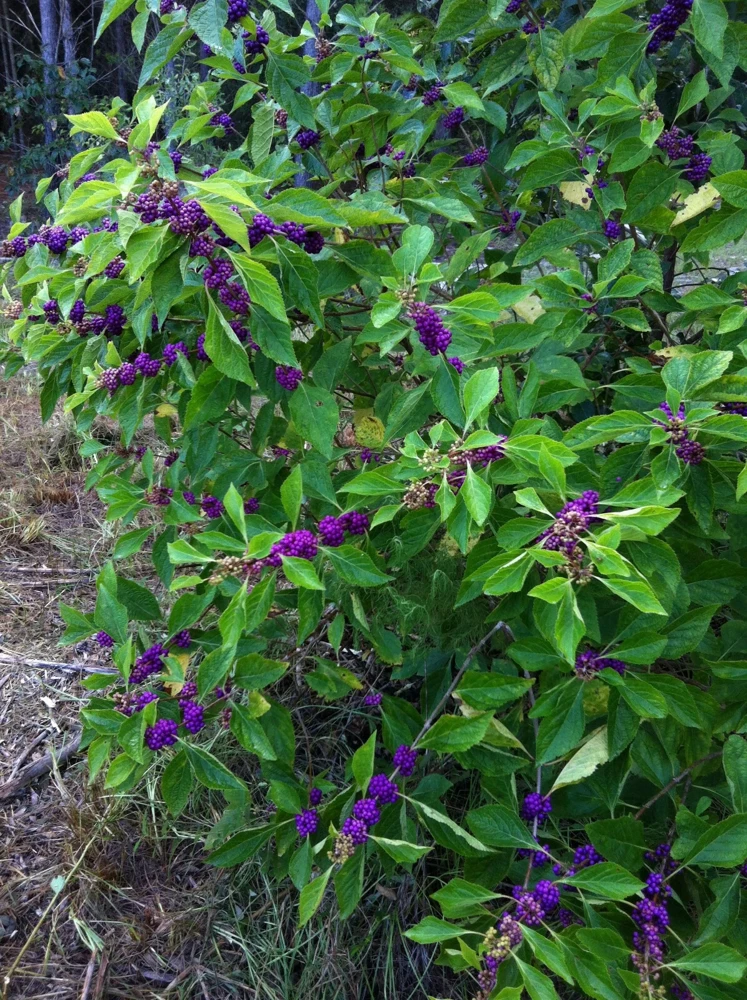
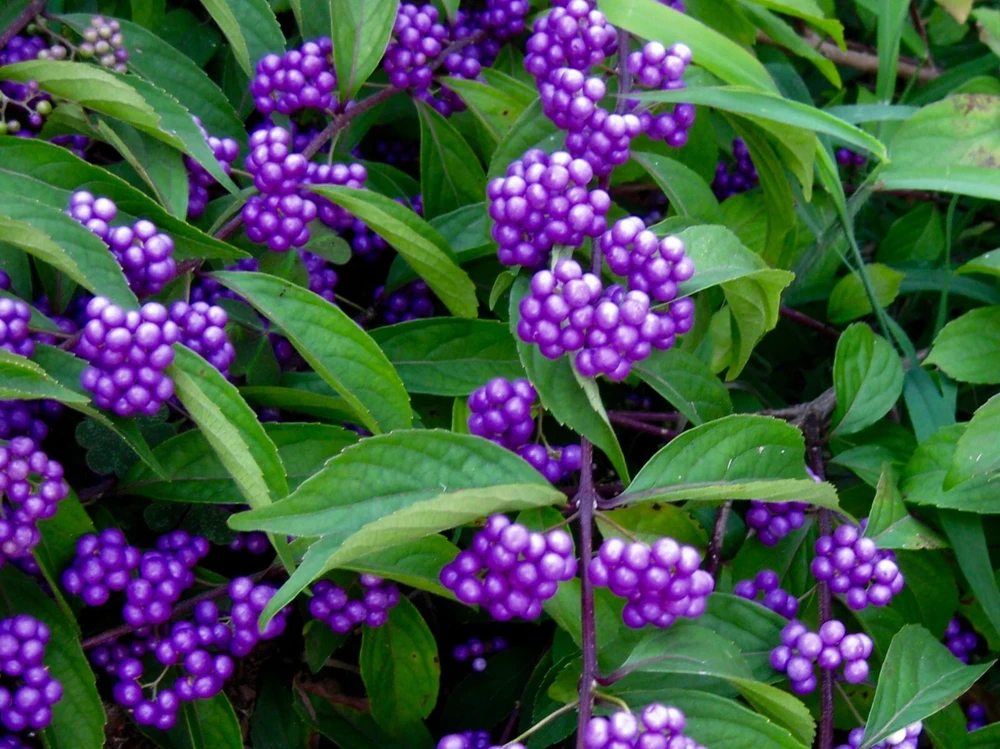
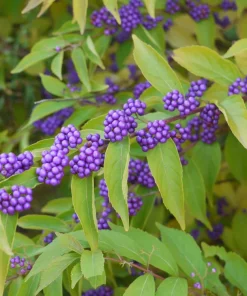
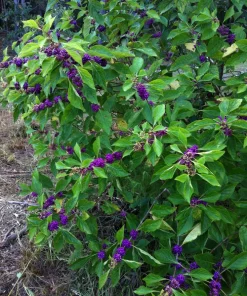
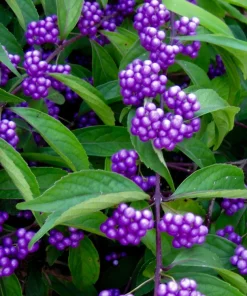
American Beautyberry Live Plant – Callicarpa americana – 16+ Inches Tall, 2-3 Year Old
Original price was: $54.39.$34.39Current price is: $34.39.
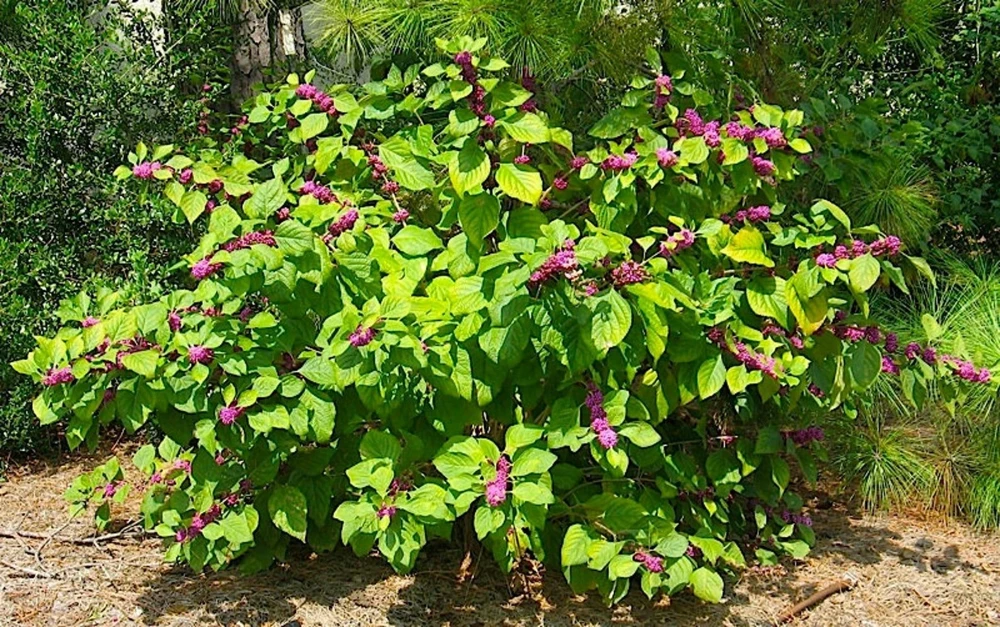
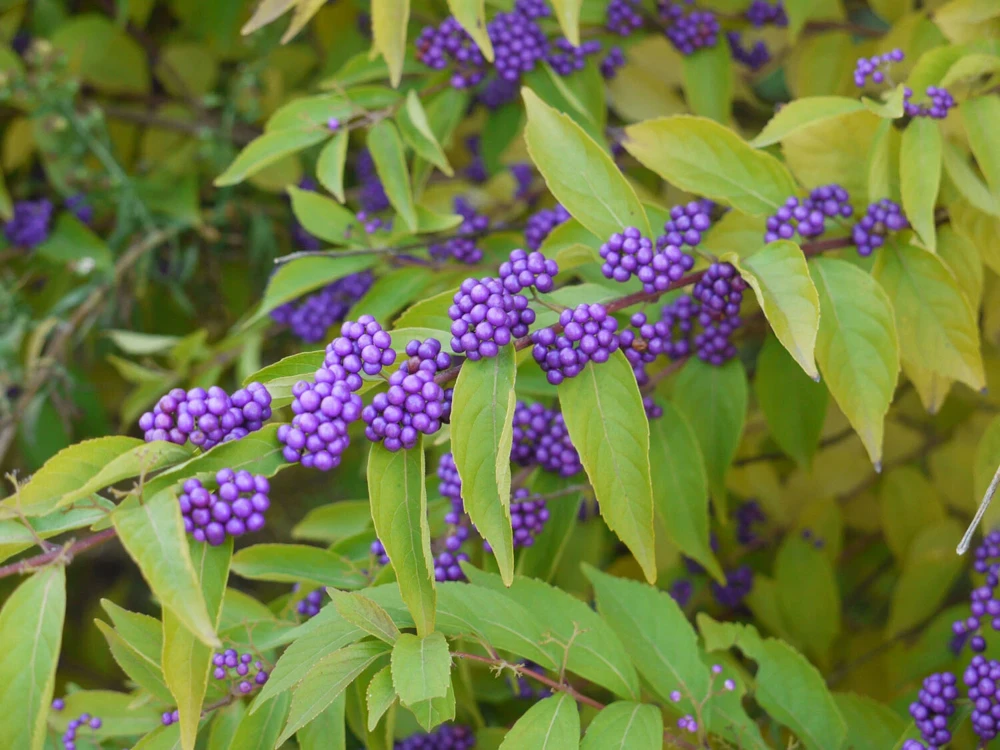
Bring vibrant color to your garden with this American Beautyberry live plant. Known for its striking purple berries in fall, this Callicarpa americana specimen is 16+ inches tall and 2-3 years old, offering established growth for immediate impact and attracting wildlife.
Estimated arrival
Oct 25
Oct 30 - Nov 01
Nov 04 - Nov 08
Shop With Confidence
30-Day Plant Health Guarantee
Arrives damaged? We’ll replace it free — see our return policy.
Responsive Support
Email us anytime, we reply within 1 business day.
Expert Packaging
Temperature-controlled shipping to protect your plants in transit.
Secure Checkout
Pay safely with Visa, Mastercard, PayPal.
Plant Specifications
-
USDA Hardiness Zone
USDA zones 6-10 -
Soil Type
Well-draining soil -
Sunlight Exposure
Full sun to partial shade -
Expected Planting Period
Spring or Fall
Overview
Transform your landscape with the captivating beauty of the American Beautyberry live plant. This exquisite shrub, scientifically known as Callicarpa americana, is a true standout in any garden, particularly in the autumn months. Valued for its spectacular display of iridescent, metallic-purple berries that cling to its branches long after the leaves have fallen, it provides crucial late-season food for birds and other wildlife. Our live plants are 16+ inches tall and 2-3 years old, ensuring a robust and well-established addition to your outdoor space. The American Beautyberry live plant is a native species, making it an excellent choice for sustainable gardening and supporting local ecosystems. Its unique ornamental appeal makes it a conversation starter and a focal point in naturalized areas, woodland gardens, or as an informal hedge.
Key Benefits
The American Beautyberry live plant offers a multitude of benefits, from its stunning visual appeal to its ecological contributions, making it a highly desirable addition to any garden.
-
Vibrant Fall Color: The most striking feature of the American Beautyberry is its clusters of brilliant, glossy purple berries that develop in late summer and persist into winter. These berries create a dramatic visual impact, especially when the leaves begin to drop, offering unparalleled fall and winter interest.
-
Attracts Wildlife: These abundant berries are a vital food source for many bird species, including mockingbirds, robins, and brown thrashers, especially as other food sources dwindle. Planting a native berry plant like this helps support local fauna and biodiversity.
-
Low Maintenance: Once established, the beautyberry is remarkably easy to care for. It tolerates a range of soil conditions and is relatively drought-tolerant, requiring minimal intervention to thrive, making it suitable for busy gardeners.
-
Adaptable Growth: This adaptable shrub can grow in various light conditions, from full sun to partial shade, though berry production is most prolific in sunnier spots. Its versatility allows for placement in diverse garden settings.
-
Deer Resistant: While deer may browse it occasionally, the American Beautyberry is generally considered deer-resistant, a significant advantage for gardeners in areas with high deer populations.
-
Erosion Control: Its extensive root system can help stabilize soil on slopes and prevent erosion, contributing to the health and integrity of your landscape.
-
Year-Round Interest: Beyond its iconic berries, the plant features delicate pinkish-white flowers in summer and an attractive arching growth habit, providing interest across multiple seasons.
Plant Care & Growing Tips
Caring for your American Beautyberry live plant is straightforward, ensuring years of beautiful foliage and vibrant berries. This hardy shrub thrives with minimal fuss, making it an excellent choice for both novice and experienced gardeners. For optimal berry production, plant your Callicarpa americana in a location that receives full sun to partial shade. Full sun (at least 6 hours of direct sunlight daily) will encourage the most abundant berry set, while partial shade (2-4 hours of direct sun) will still yield good results, especially in hotter climates where it can benefit from afternoon shade. The American Beautyberry is not particular about soil type, tolerating clay, sand, and loam, but prefers well-draining soil. Avoid consistently soggy conditions, as this can lead to root rot. Once established, it is quite drought-tolerant, though consistent moisture during prolonged dry spells will benefit the plant.
Water new plants regularly to help them establish strong root systems, typically once or twice a week during the first growing season. After establishment, supplemental watering is usually only needed during extended periods of drought. Fertilization is generally not necessary in average garden soils. If your soil is poor, a light application of a balanced, slow-release fertilizer in early spring can be beneficial. Pruning is best done in late winter or early spring before new growth begins. You can prune it back hard, even to the ground, as it flowers and fruits on new wood. This practice encourages vigorous new growth and more abundant berries. The purple berry shrub is remarkably resilient and generally free from serious pests or diseases. It is hardy in USDA zones 6-10, making it suitable for a wide range of climates. Protecting young plants from extremely cold temperatures in the lower end of its hardiness range may be beneficial during their first winter.
Size & Details
This American Beautyberry live plant arrives as a well-rooted specimen, measuring 16+ inches in height. These plants are typically 2-3 years old, offering an established root system that will quickly settle into its new environment. The growth rate of Callicarpa americana is moderate to fast, often adding 1-2 feet per year once established. Mature plants can reach a height and spread of 5-8 feet, forming an attractive, arching shrub. The plant will be shipped either bare-root or in a small nursery container, depending on the season and grower’s practice, ensuring it arrives healthy and ready for planting. Expect to see significant growth and the first clusters of vibrant purple berries within the first year or two after planting, especially with proper care and siting. This native berry plant is an excellent investment for long-term garden appeal and ecological benefit.
Frequently Asked Questions
-
Q: How big does this American Beautyberry plant get? A: This American Beautyberry live plant is currently 16+ inches tall and 2-3 years old. When mature, it typically reaches a height and spread of 5 to 8 feet, creating a beautiful, arching shrub in your landscape.
-
Q: Is this an indoor or outdoor plant? A: The Callicarpa americana is an outdoor deciduous shrub. It is best suited for garden beds, borders, and naturalized areas where it can thrive and produce its signature purple berries.
-
Q: How much sunlight does it need? A: For the most abundant berry production, the American Beautyberry prefers full sun (at least 6 hours of direct sunlight daily). It can tolerate partial shade, but berry display may be less prolific.
-
Q: Is this plant easy to care for? A: Yes, the American Beautyberry live plant is known for being very easy to care for. It’s adaptable to various soil types, relatively drought-tolerant once established, and generally resistant to pests and diseases, making it a great choice for beginners.
-
Q: What condition will the plant arrive in? A: Your American Beautyberry will arrive as a healthy, well-rooted live plant, carefully packaged to ensure its safe journey. It will be ready for immediate planting upon arrival.
-
Q: When is the best time to plant the American Beautyberry? A: The best time to plant your purple berry shrub is in spring or fall. This allows the plant to establish its root system before the stress of extreme summer heat or winter cold.
-
Q: Will it survive winter in my zone? A: The American Beautyberry is hardy in USDA Zones 6 through 10. If you are within these zones, your plant should survive winter well, though young plants in Zone 6 might benefit from winter protection during their first year.
-
Q: Are the berries on the American Beautyberry plant edible? A: While the berries are a vital food source for birds and some wildlife, they are generally considered to have a low toxicity to humans and are not typically consumed due to their astringent taste. It is primarily grown as an ornamental attracting wildlife plant.
-
Q: Does this plant attract pollinators? A: Yes, the small, delicate pinkish-white flowers that bloom in summer attract bees and other beneficial pollinators, contributing to the garden’s ecosystem before the berries develop.
-
Q: How often should I water my newly planted American Beautyberry? A: For the first growing season, water your new Callicarpa americana regularly, about once or twice a week, especially during dry periods, to help it establish a strong root system. Once established, it requires less frequent watering.
Be the first to review “American Beautyberry Live Plant – Callicarpa americana – 16+ Inches Tall, 2-3 Year Old”
People Also Viewed
Uncategorized
Uncategorized
Rhododendron PJM – Lilac Purple Blooms Rhododendron Flowers Plant – #3 Container Size Plant
Reviews
There are no reviews yet.