

Loganberry Live Plant – Rubus x Loganobaccus Berry Bush, 4+ Inches Tall
Original price was: $83.79.$63.79Current price is: $63.79.
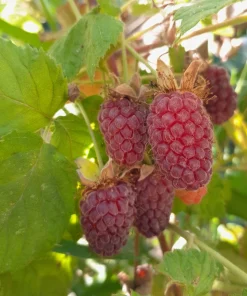
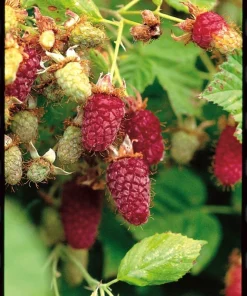
Cultivate your own sweet and tangy berries with this loganberry live plant. This unique hybrid of blackberry and raspberry, Rubus × loganobaccus, offers abundant fruit for fresh eating, jams, and desserts. Perfect for home gardens, this loganberry berry bush is a vigorous grower and easy to maintain.
Estimated arrival
Oct 15
Oct 20 - Oct 22
Oct 25 - Oct 29
Shop With Confidence
30-Day Plant Health Guarantee
Arrives damaged? We’ll replace it free — see our return policy.
Responsive Support
Email us anytime, we reply within 1 business day.
Expert Packaging
Temperature-controlled shipping to protect your plants in transit.
Secure Checkout
Pay safely with Visa, Mastercard, PayPal.
Plant Specifications
-
USDA Hardiness Zone
USDA Zones 5-9 -
Soil Type
Well-draining, slightly acidic soil -
Sunlight Exposure
Full sun -
Expected Planting Period
Early spring to late fall
Overview
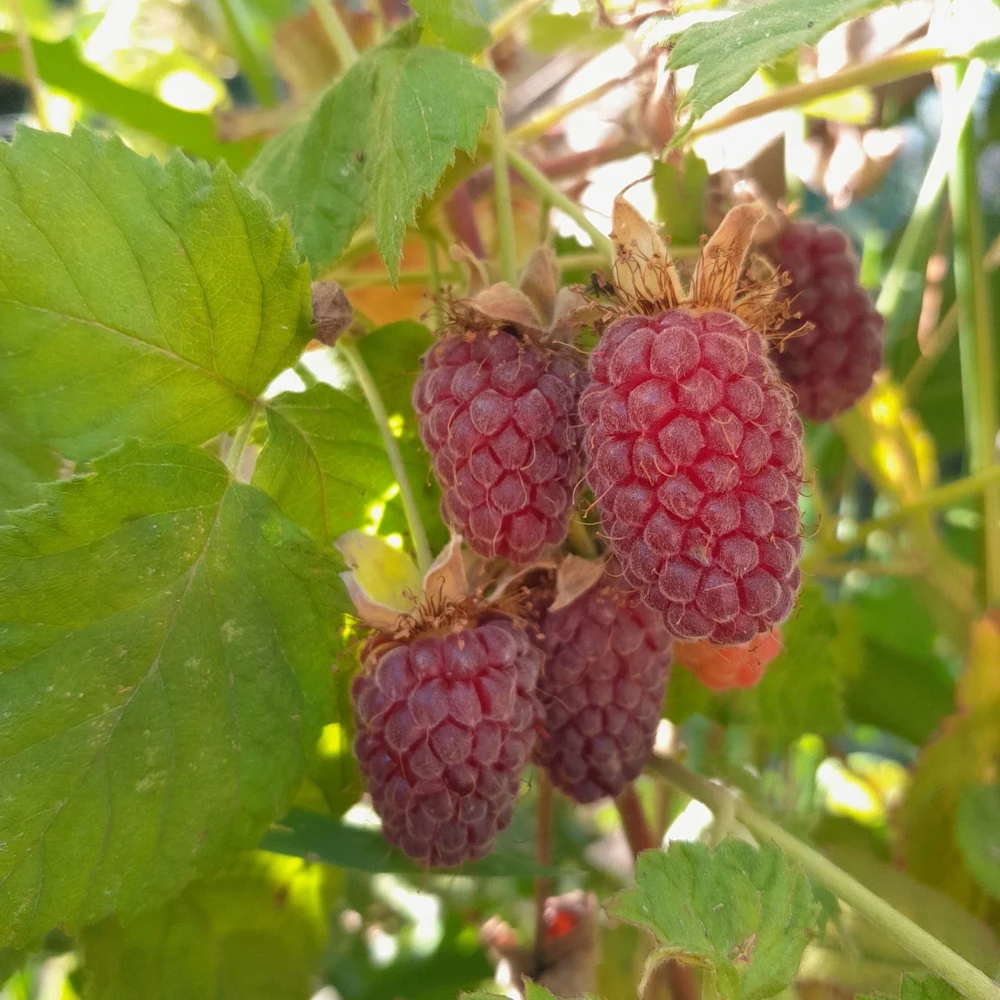
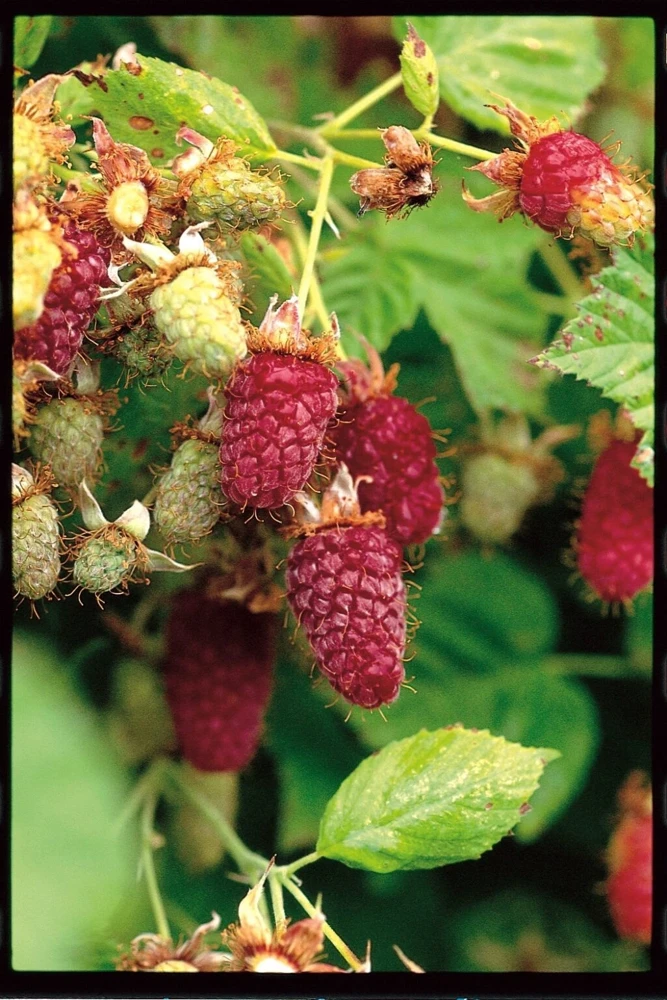
Bring the joy of fresh, homegrown berries to your garden with the loganberry live plant (Rubus × loganobaccus). This remarkable fruit is a natural hybrid cross between a blackberry and a raspberry, offering the best characteristics of both. Known for its large, elongated, dark red berries that boast a uniquely sweet and tart flavor, the loganberry is a versatile and highly sought-after fruit. Our rubus loganobaccus plant arrives healthy and ready to thrive in your garden, providing you with a bountiful harvest for years to come. Whether you’re an experienced gardener looking to expand your berry collection or a novice eager to grow loganberries for the first time, this plant is an excellent choice for its vigor and delicious yield.
The loganberry is a fascinating addition to any edible landscape, combining the robustness of a blackberry with the distinct aroma and slight tartness of a raspberry. This particular loganberry live plant measures 4+ inches, ensuring a strong start in its new environment. It’s an ideal choice for those who appreciate unique fruit varieties and wish to enjoy fresh, organic produce straight from their backyard. Prepare to be delighted by the rich flavor and ease of growing this exceptional berry.
Key Benefits
Growing a loganberry live plant offers numerous advantages, from its delicious fruit to its relatively low maintenance requirements. This hardy berry bush is an excellent investment for any gardener.
- Abundant, Flavorful Fruit: Enjoy a generous harvest of large, succulent loganberries with a distinctive sweet-tart taste, perfect for eating fresh or incorporating into various culinary creations. The fruit from your loganberry berry bush will be far superior to store-bought varieties.
- Hybrid Vigor: As a natural hybrid, the loganberry combines the best traits of its parents, resulting in a vigorous and resilient plant that adapts well to various growing conditions. This makes it easier to grow loganberries successfully.
- Versatile Culinary Use: Loganberries are excellent for making jams, jellies, pies, sauces, and desserts. They can also be frozen for year-round enjoyment, adding a unique flavor to your recipes.
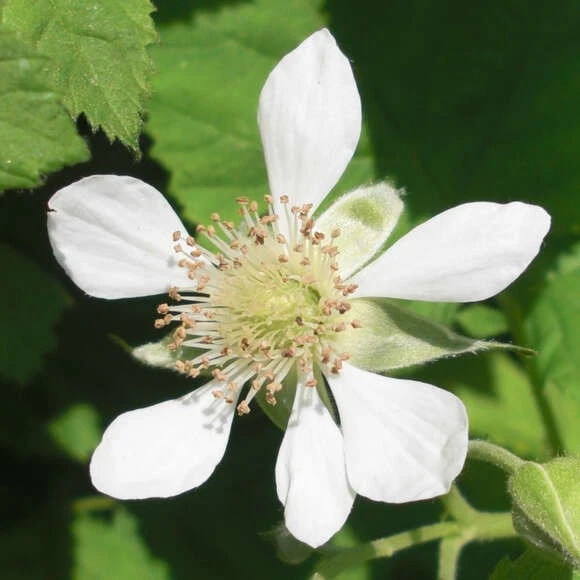
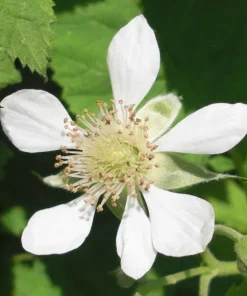
- Attractive Garden Addition: Beyond its fruit, the rubus loganobaccus plant features attractive foliage and delicate flowers, making it a beautiful and productive addition to your garden landscape.
- Relatively Low Maintenance: Once established, loganberries are known for being relatively easy to care for, requiring minimal attention compared to some other fruit-bearing plants.
- Good for Health: Like other berries, loganberries are packed with antioxidants, vitamins, and fiber, contributing to a healthy diet.
- Early Fruiting: Loganberries often begin producing fruit relatively quickly after planting, allowing you to enjoy your harvest sooner.
Plant Care & Growing Tips
Caring for your loganberry live plant is straightforward, ensuring a healthy and productive berry bush. Loganberries thrive in full sun, meaning they need at least 6-8 hours of direct sunlight per day to produce the best fruit. While they tolerate some partial shade, fruit production will be significantly reduced. Ensure your chosen location provides ample light for your loganberry berry bush to flourish.
Soil requirements for loganberries are similar to those for raspberries and blackberries. They prefer well-draining, slightly acidic soil with a pH between 6.0 and 6.5. Amend heavy clay soils with organic matter like compost to improve drainage and aeration. Consistent moisture is crucial, especially during the fruiting period, but avoid waterlogging, which can lead to root rot. Water deeply once or twice a week, or more frequently during hot, dry spells, ensuring the soil remains evenly moist. Fertilize in early spring with a balanced slow-release fertilizer or a granular fertilizer specifically formulated for berries to support vigorous growth and fruit development. Pruning is essential for maintaining plant health and maximizing fruit production. After the harvest, remove old canes that have fruited, as loganberries typically produce fruit on second-year canes. This encourages new growth and better air circulation, helping you to effectively grow loganberries.
Loganberries are generally hardy and resistant to many diseases that affect other brambles. However, keep an eye out for common pests like aphids or spider mites, and treat them with organic insecticidal soap if necessary. Providing good air circulation and avoiding overhead watering can help prevent fungal issues. With proper care, your rubus loganobaccus plant will provide you with delicious berries for many seasons.
Size & Details
This loganberry live plant is supplied at a healthy size of 4+ inches tall, providing a robust start for your garden. Loganberries are vigorous growers and typically reach a mature height of 5-8 feet with a spread of 3-5 feet, often requiring support like a trellis or wires. They are known for their relatively fast growth rate, especially once established, and can start producing fruit within 1-2 years of planting. The plant will arrive with some soil around its roots to help ensure its health during transit, ready for immediate planting upon arrival.
Loganberries are typically grown as trailing plants and benefit greatly from being trained along a support structure. This not only keeps the canes tidy but also improves air circulation and makes harvesting easier. Expect your loganberry live plant to establish quickly and begin its journey towards becoming a productive berry bush, offering you fresh, flavorful berries during the summer months.
Frequently Asked Questions
- Q: How big will my loganberry plant get? A: A mature loganberry live plant typically grows 5-8 feet tall with a spread of 3-5 feet. It is a vigorous grower and often requires support like a trellis or wires to manage its trailing canes.
- Q: Is this an indoor or outdoor plant? A: Loganberries are primarily outdoor plants, best suited for garden cultivation. They require full sun exposure and outdoor conditions to produce fruit effectively.
- Q: How much sunlight does a loganberry plant need? A: To grow loganberries successfully and ensure optimal fruit production, your plant needs at least 6-8 hours of direct sunlight per day. Full sun is essential.
- Q: What condition will the plant arrive in? A: Your loganberry live plant will be shipped with some soil around its roots to maintain its health and hydration during transit, ensuring it arrives ready for planting.
- Q: Is this plant easy to care for? A: Yes, loganberries are considered relatively easy to care for once established. They require consistent watering, annual pruning, and good sun exposure.
- Q: When is the best time to plant a loganberry? A: The best time to plant a rubus loganobaccus plant is typically in early spring after the last frost, or in late fall before the ground freezes, allowing it to establish its root system.
- Q: What USDA hardiness zones are suitable for loganberries? A: Loganberries are generally hardy and thrive in USDA zones 5-9, tolerating a range of climates.
- Q: Can I use loganberries in cooking? A: Absolutely! Loganberries are incredibly versatile and excellent for making jams, jellies, pies, sauces, and fresh desserts. Their unique flavor from your loganberry berry bush enhances many recipes.
- Q: How long until my loganberry plant produces fruit? A: Most loganberry live plant varieties will begin to produce fruit within 1-2 years after planting, with full production typically by the third year.
- Q: What kind of soil does a loganberry prefer? A: Loganberries prefer well-draining, slightly acidic soil with a pH between 6.0 and 6.5. Amending with organic matter is beneficial.
Be the first to review “Loganberry Live Plant – Rubus x Loganobaccus Berry Bush, 4+ Inches Tall”
People Also Viewed


Vegetable Seeds
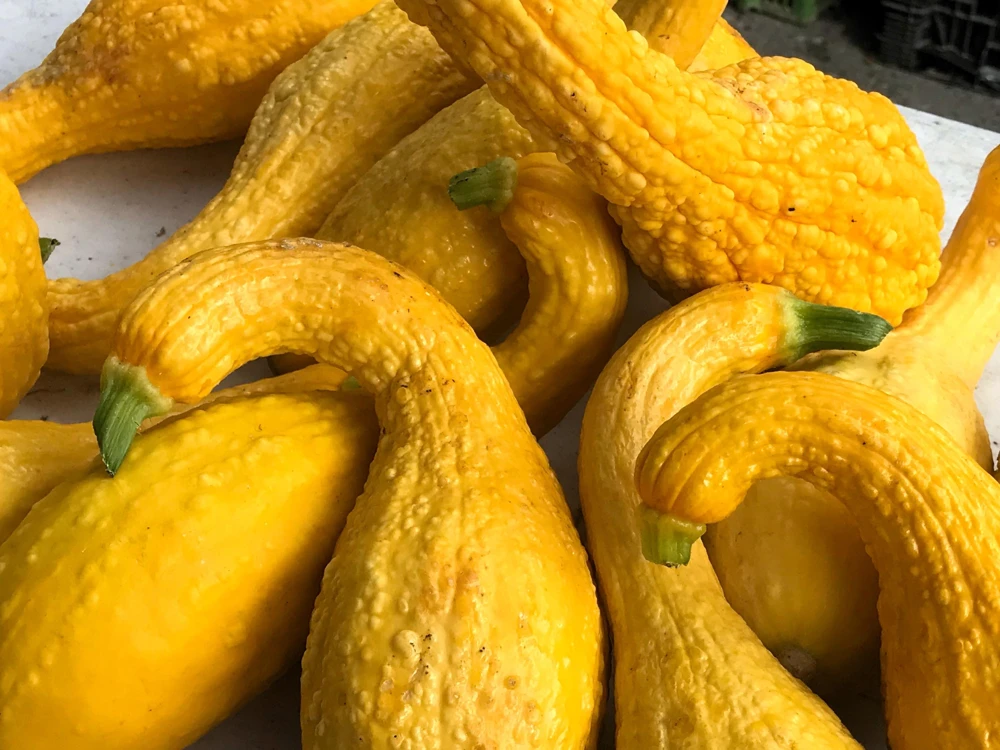
Yellow Crookneck Squash Seeds – 50 Seed Pack – Summer Vegetable
Grasses
20 Variegated Monkey Grass Bare Root – Liriope muscari ‘Variegata’ Live Perennial Groundcover

Reviews
There are no reviews yet.