
Alocasia Polly Live Plant – African Mask Elephant Ear Houseplant
Original price was: $48.99.$39.99Current price is: $39.99.
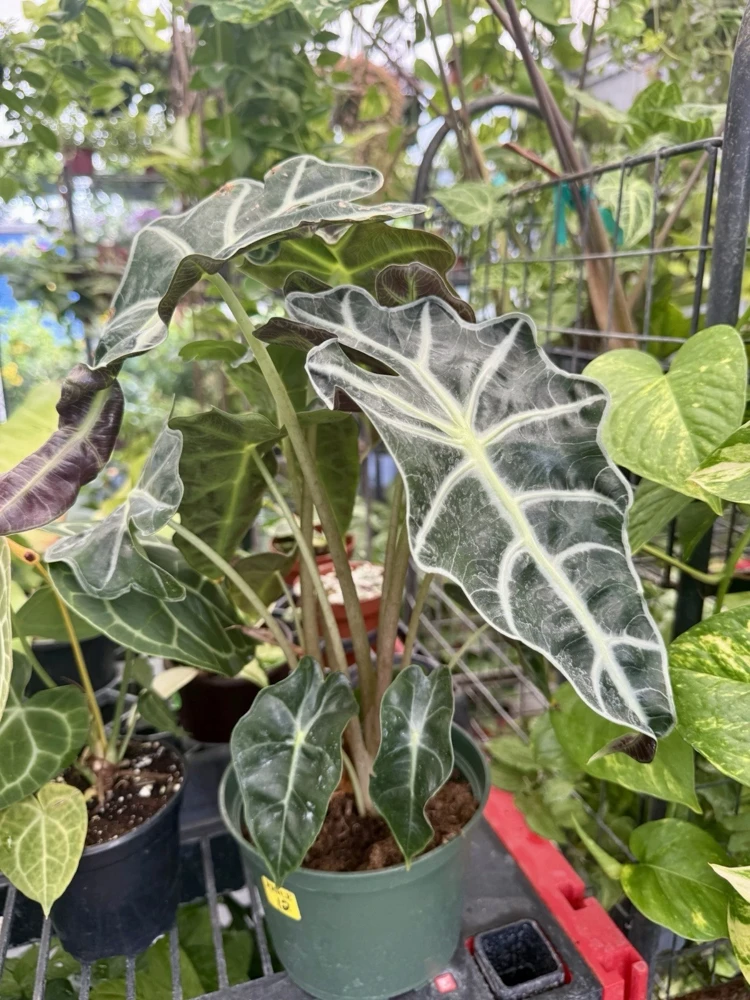
Bring a touch of the tropics indoors with the captivating Alocasia Polly live plant. Also known as the African Mask Elephant Ear, this houseplant features striking dark green leaves with prominent silver veins, making it a dramatic focal point in any room. Its compact size makes it ideal for desks or shelves.
Estimated arrival
Oct 27
Nov 01 - Nov 03
Nov 06 - Nov 10
Shop With Confidence
30-Day Plant Health Guarantee
Arrives damaged? We’ll replace it free — see our return policy.
Responsive Support
Email us anytime, we reply within 1 business day.
Expert Packaging
Temperature-controlled shipping to protect your plants in transit.
Secure Checkout
Pay safely with Visa, Mastercard, PayPal.
Plant Specifications
-
USDA Hardiness Zone
Year-round indoors (USDA Zones 10-11 outdoors) -
Soil Type
Well-draining, aerated potting mix -
Sunlight Exposure
Bright, indirect light -
Expected Planting Period
Year-round indoors
Overview
Introduce exotic elegance to your indoor space with the exquisite Alocasia Polly live plant. This stunning tropical houseplant, often referred to as the African Mask Elephant Ear, is celebrated for its truly unique and dramatic foliage. Each leaf boasts a deep, glossy green hue, sharply contrasted by prominent, silvery-white veins and a distinctive wavy, arrowhead shape. The Alocasia ‘Polly’ is a cultivar of the Alocasia amazonica, known for its compact growth habit, making it an ideal choice for smaller spaces or as a striking addition to a plant collection. This particular Alocasia Polly live plant arrives ready to thrive in your home, bringing a touch of the rainforest’s mystique and vibrant life to your environment. It’s a fantastic choice for those seeking an eye-catching plant with a strong visual presence.
The Alocasia Polly live plant is a showstopper, captivating observers with its architectural form and rich textures. Originating from the tropical and subtropical regions of Asia, these plants thrive in warm, humid conditions, mimicking their natural habitat. Despite its exotic appearance, the Alocasia Polly can be a rewarding plant for both novice and experienced plant enthusiasts who provide the right care. Its distinctive look makes it a popular choice among collectors and interior designers alike, eager to add a bold statement piece to their decor. Embrace the beauty of this African Mask Elephant Ear and transform your living space into a lush, green sanctuary.
Key Benefits
The Alocasia Polly live plant offers a multitude of benefits, making it an excellent choice for enhancing your home or office environment. Its aesthetic appeal is undeniable, but its advantages extend beyond mere beauty.
- Dramatic Visual Appeal: The Alocasia ‘Polly’ stands out with its intensely dark green, glossy leaves and contrasting silver-white veins, creating a dramatic, sculptural look that instantly elevates any interior decor. It’s a true conversation starter.
- Compact Size: Unlike some larger Alocasia varieties, the ‘Polly’ remains relatively compact, making it perfect for tabletops, shelves, or small corners where a bold statement is desired without overwhelming the space.
- Air Purification: Like many houseplants, the African Mask Elephant Ear contributes to a healthier indoor environment by helping to filter out airborne toxins and improve air quality, promoting a fresher atmosphere.
- Tropical Ambiance: Its exotic appearance instantly transports you to a lush, tropical paradise, adding a serene and vibrant energy to your living space. This can be particularly beneficial for creating a calming atmosphere.
- Unique Foliage Texture: The thick, leathery texture of the leaves, combined with their intricate veining, provides a tactile and visual richness that is rare among houseplants, offering a multi-sensory experience.
- Relatively Low Maintenance: While it appreciates consistent care, once its basic needs for light, water, and humidity are met, the Alocasia Polly live plant is not overly demanding, making it manageable for busy individuals.
- Collectible Plant: For plant enthusiasts, the Alocasia ‘Polly’ is a highly sought-after variety, making it a valuable addition to any growing collection of unique and exotic indoor plants.
Plant Care & Growing Tips
Caring for your Alocasia Polly live plant, also known as African Mask Elephant Ear, involves understanding its tropical needs to ensure healthy and vibrant growth. Light is crucial; this plant thrives in bright, indirect light. Avoid direct sunlight, which can scorch its delicate leaves, leading to unsightly brown patches. An east-facing window or a few feet back from a south or west-facing window is often ideal. Consistent watering is also key. Keep the soil consistently moist but never waterlogged. Allow the top inch or two of soil to dry out slightly between waterings, but don’t let it dry out completely. Overwatering can lead to root rot, a common issue for Alocasia.
Humidity is another vital factor for the Alocasia Polly care. Coming from humid environments, it appreciates high moisture levels. Consider placing it near a humidifier, grouping it with other plants to create a microclimate, or placing its pot on a pebble tray filled with water. Regular misting can help, but it’s often not enough on its own. Use a well-draining potting mix that retains some moisture but allows excess water to escape. A mix designed for aroids or a blend of potting soil, perlite, and orchid bark works well. Fertilize every 2-4 weeks during the growing season (spring and summer) with a balanced liquid fertilizer diluted to half strength. Reduce feeding in fall and winter when growth slows. Monitor for pests like spider mites and mealybugs, especially in dry conditions, and treat promptly if found. Providing proper indoor Alocasia varieties care will ensure your plant flourishes.
Temperature is also important for this tropical beauty. The Alocasia Polly prefers temperatures between 65-80°F (18-27°C) and should be protected from cold drafts and sudden temperature fluctuations. It is not cold-hardy and will struggle in temperatures below 60°F (15°C). Repot your Alocasia ‘Polly’ every 1-2 years or when it becomes root-bound, typically in spring. Choose a pot that is only slightly larger than the current one to avoid overwatering issues. Pruning is generally minimal, focusing on removing any yellowing or damaged leaves to encourage new growth and maintain its attractive appearance. With consistent attention to these details, your tropical houseplants will thrive.
Size & Details
The Alocasia Polly live plant is typically sold in a nursery pot, ready for you to enjoy. While specific dimensions can vary based on the grower and maturity, this plant generally reaches a mature height of 1-2 feet (30-60 cm) and a similar spread, maintaining its distinctive compact form. Its growth rate is moderate, allowing you to appreciate its development over time. Each plant is carefully packaged to ensure it arrives in optimal condition, protected during transit. You can expect a healthy specimen with several established leaves, showcasing the characteristic dark green and silver venation that makes the African Mask Elephant Ear so captivating.
This Alocasia Polly live plant is sent in its growing medium, which helps minimize transplant shock and allows it to acclimate to its new environment more easily. While it can be grown outdoors in very specific tropical and subtropical climates (USDA Zones 10-11) as a perennial, it is predominantly cultivated as an indoor houseplant in most regions. The striking foliage provides year-round interest, making it a valuable addition to any indoor plant collection. Plan to give it enough space to allow its unique leaves to fully unfurl and display their beauty.
Frequently Asked Questions
- Q: How big does the Alocasia Polly live plant get? A: The Alocasia Polly live plant typically grows to a compact size, reaching about 1 to 2 feet (30-60 cm) in both height and spread when mature, making it ideal for indoor spaces.
- Q: Is this an indoor or outdoor plant? A: While it can tolerate outdoor conditions in USDA Zones 10-11, the African Mask Elephant Ear is predominantly grown as an indoor houseplant due to its tropical nature and sensitivity to cold.
- Q: How much sunlight does the Alocasia Polly need? A: This plant thrives in bright, indirect light. Direct sunlight can scorch its leaves, so place it in a location where it receives filtered light, such as near an east-facing window.
- Q: Is this plant easy to care for? A: The Alocasia Polly requires consistent care, particularly regarding humidity and watering. It’s considered moderately easy for those who can provide consistent attention to its tropical needs.
- Q: What condition will my Alocasia Polly live plant arrive in? A: Your Alocasia Polly live plant will arrive carefully packaged in its nursery pot, with established roots and healthy foliage, ready to be introduced to your home.
- Q: How often should I water my Alocasia Polly? A: Keep the soil consistently moist but not waterlogged. Allow the top inch or two of soil to dry out slightly before watering again. Adjust frequency based on humidity and temperature.
- Q: Is the Alocasia Polly pet-safe? A: No, Alocasia plants are toxic if ingested due to calcium oxalates. Keep this tropical houseplants variety out of reach of pets and children.
- Q: What kind of soil is best for Alocasia Polly care? A: A well-draining, aerated potting mix is best. A blend of potting soil, perlite, and orchid bark provides the ideal balance of moisture retention and drainage for indoor Alocasia varieties.
- Q: How can I increase humidity for my Alocasia Polly? A: You can increase humidity by using a humidifier, placing the plant on a pebble tray with water, or grouping it with other plants. Regular misting can offer some benefit but is often not sufficient alone.
- Q: Will my Alocasia Polly go dormant? A: In cooler or drier conditions, or if stressed, Alocasia Polly may enter a period of dormancy, shedding leaves. Reduce watering during this time and resume normal care when new growth appears.
Be the first to review “Alocasia Polly Live Plant – African Mask Elephant Ear Houseplant”
People Also Viewed
Reviews
There are no reviews yet.