

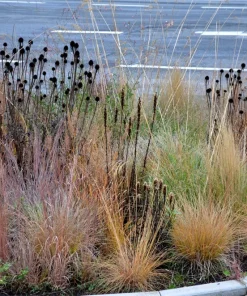
30 Western Coneflower Seeds – Rudbeckia Occidentalis ‘Green Wizard’
Original price was: $36.99.$16.99Current price is: $16.99.
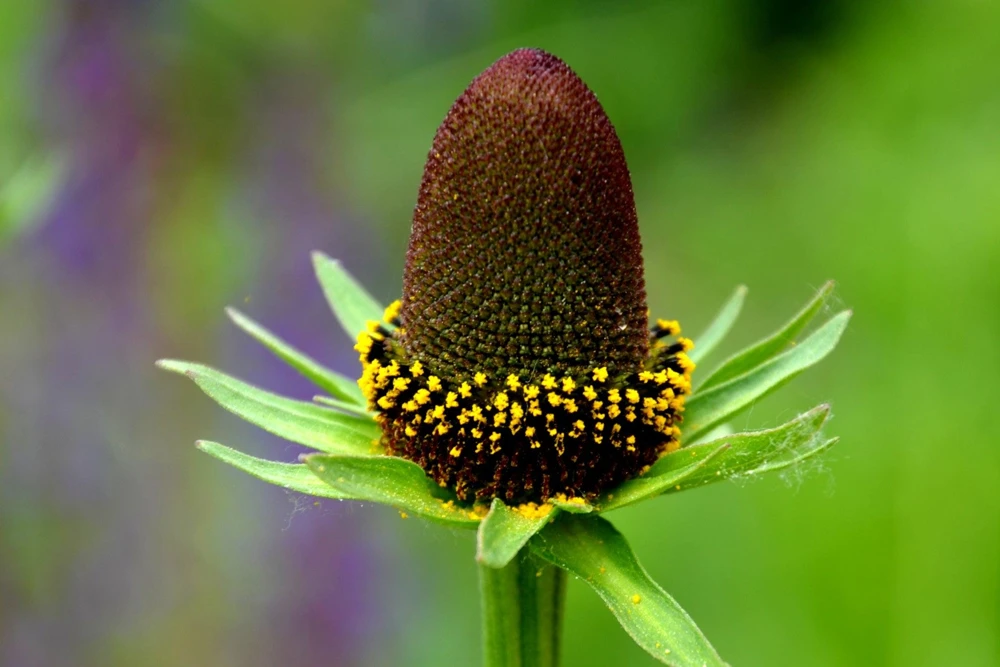
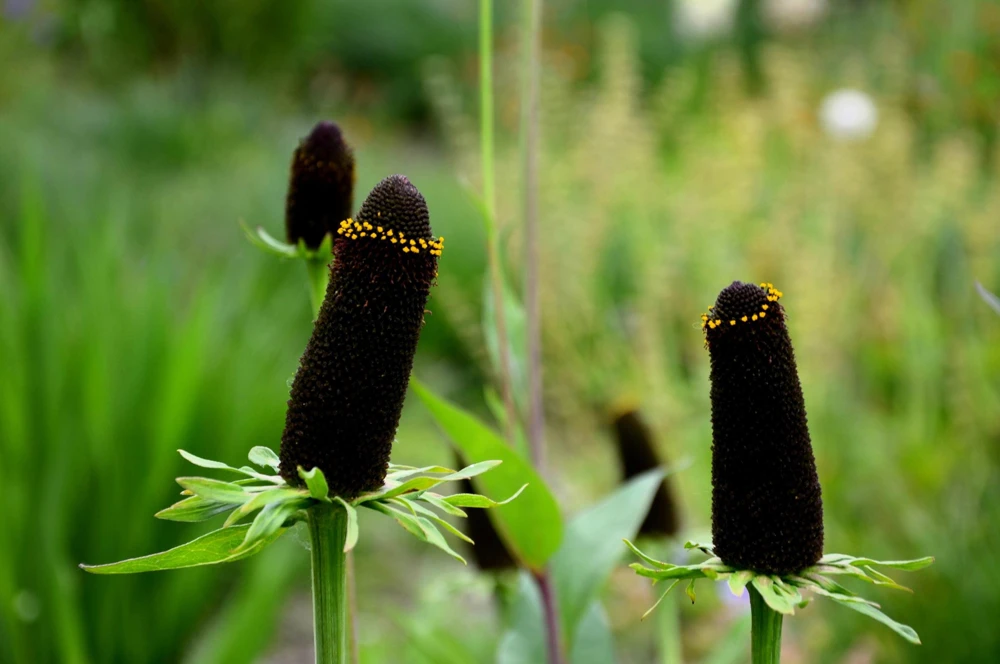
Discover the unique beauty of 30 Western Coneflower seeds (Rudbeckia Occidentalis ‘Green Wizard’). These distinctive seeds grow into plants featuring striking rayless, cone-shaped black flowers that add architectural interest to any garden or floral display. Easy to grow and pollinator-friendly, they are perfect for creating a dramatic statement.
Estimated arrival
Sep 14
Sep 19 - Sep 21
Sep 24 - Sep 28
Shop With Confidence
30-Day Plant Health Guarantee
Arrives damaged? We’ll replace it free — see our return policy.
Responsive Support
Email us anytime, we reply within 1 business day.
Expert Packaging
Temperature-controlled shipping to protect your plants in transit.
Secure Checkout
Pay safely with Visa, Mastercard, PayPal.
Plant Specifications
-
USDA Hardiness Zone
USDA Zones 3-9 -
Soil Type
Well-draining soil (sandy, loamy, or clay) -
Sunlight Exposure
Full sun (at least 6 hours daily) -
Expected Planting Period
Spring to early summer
Overview
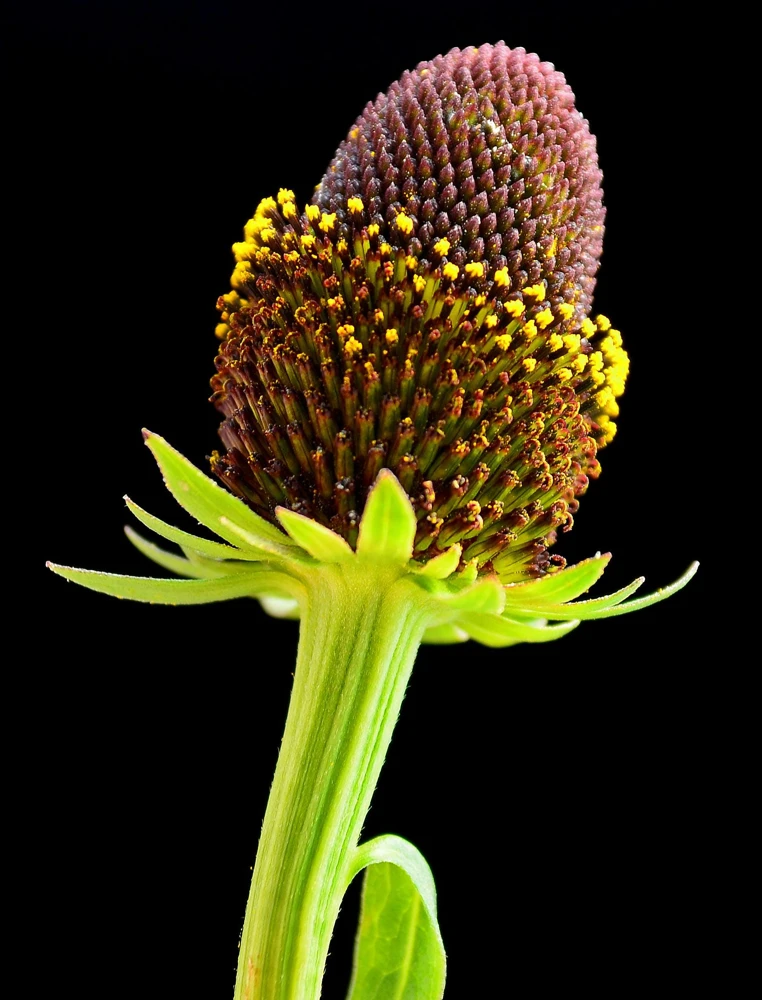
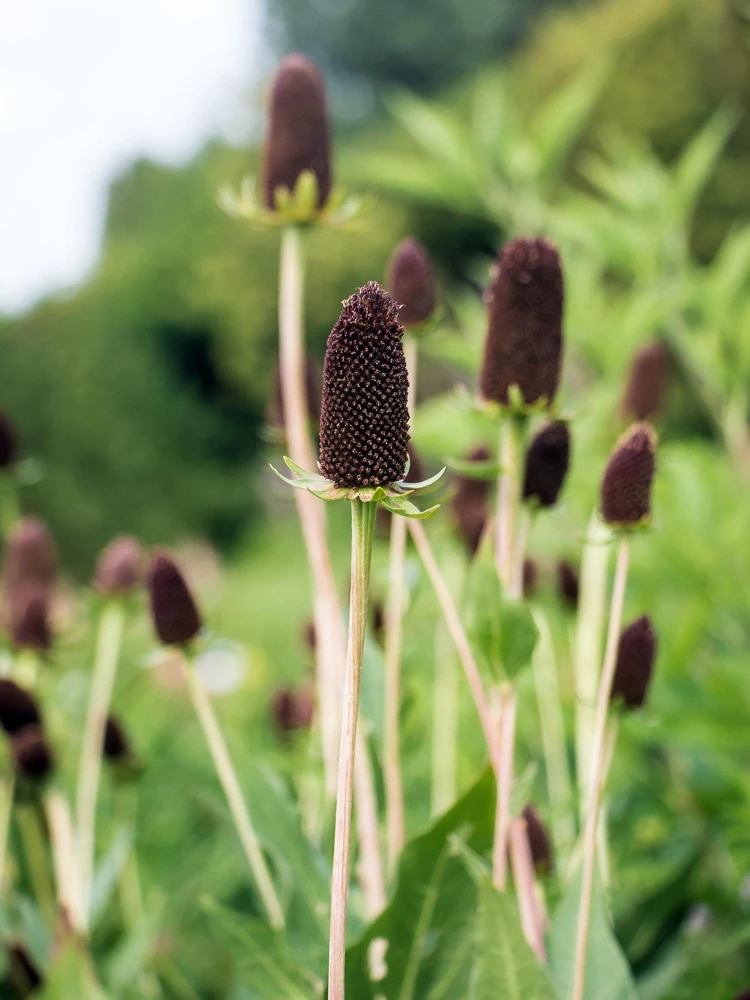
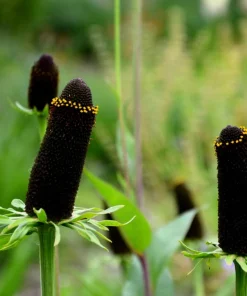
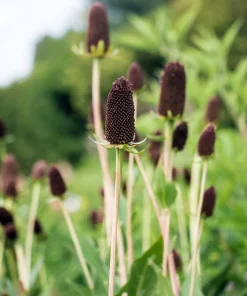
Cultivate a truly unique garden with these Western Coneflower seeds, specifically the captivating Rudbeckia Occidentalis ‘Green Wizard’ variety. Often referred to as ‘Green Wizard’ due to its prominent green sepals and rayless, dark chocolate-to-black central cones, this plant offers an unconventional yet stunning aesthetic. Unlike traditional coneflowers with their prominent petals, ‘Green Wizard’ focuses all its visual impact on the central cone, creating a dramatic and architectural silhouette in the landscape. These seeds will grow into robust plants that are a favorite among gardeners seeking something out of the ordinary. Perfect for adding a touch of drama to borders, cottage gardens, or cutting gardens, these Rudbeckia Occidentalis plants are sure to be a conversation starter.
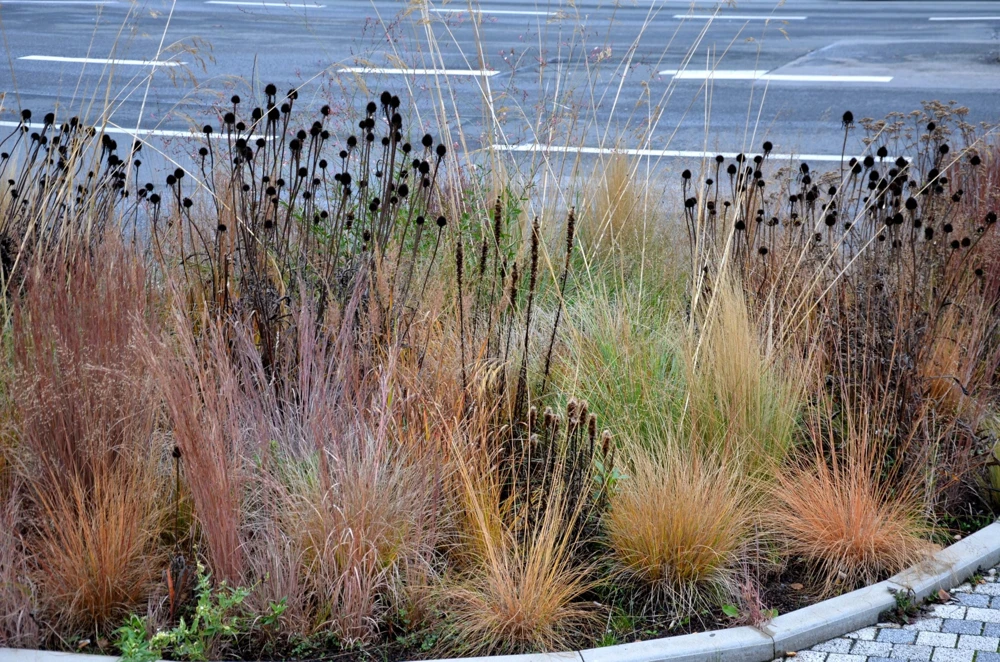
Each packet contains 30 Western Coneflower seeds, providing ample opportunity to establish a beautiful display. These hardy perennials are native to western North America and are well-adapted to a range of conditions, making them a reliable choice for many regions. Their striking appearance also makes them an excellent choice for dried flower arrangements, where their unique form can be enjoyed long after the growing season. Embrace the unusual and introduce the captivating ‘Green Wizard’ into your garden.
Key Benefits
The ‘Green Wizard’ variety of Western Coneflower seeds offers a multitude of benefits for the discerning gardener:
- Unique Aesthetic Appeal: Unlike typical coneflowers, ‘Green Wizard’ boasts rayless, dark central cones surrounded by prominent green sepals, creating a truly distinctive and modern look. This provides an architectural element to the garden that is hard to match.
- Excellent for Cut Flowers: The long-lasting, sturdy stems and unique flower heads make these an exceptional choice for fresh and dried floral arrangements, adding an intriguing texture and form. They stand out in any bouquet.
- Attracts Pollinators: Despite their unusual appearance, the dark central cones are rich in nectar and pollen, drawing bees, butterflies, and other beneficial insects to your garden, supporting local ecosystems.
- Low Maintenance: Once established, these Rudbeckia Occidentalis plants are remarkably low-maintenance, tolerating various soil conditions and requiring minimal care, making them ideal for busy gardeners.
- Drought Tolerant: Known for their resilience, ‘Green Wizard’ plants are relatively drought-tolerant once mature, making them suitable for xeriscaping or areas with water restrictions.
- Deer and Rabbit Resistant: Gardeners often appreciate that these plants are generally not favored by deer and rabbits, helping to protect your garden from common pests.
- Long Blooming Season: Enjoy their striking blooms from mid-summer through fall, providing continuous interest when many other plants are fading. These unique flower seeds offer extended garden beauty.
Plant Care & Growing Tips
Growing Western Coneflower seeds (‘Green Wizard’) is a rewarding experience, as these plants are quite robust. For best results, sow seeds indoors 6-8 weeks before the last frost or directly outdoors after all danger of frost has passed. Lightly cover the seeds with soil, as they need some light to germinate. Maintain consistent moisture until germination, which typically occurs within 14-21 days. Once seedlings are established, thin them to about 12-18 inches apart to allow for proper air circulation and growth.
These plants thrive in full sun, meaning at least 6 hours of direct sunlight per day. While they can tolerate partial shade, too little sun may result in leggy growth and fewer blooms. Rudbeckia Occidentalis prefers well-draining soil and can adapt to a variety of soil types, including sandy, loamy, or clay soils, as long as drainage is adequate. Avoid overly wet conditions, as this can lead to root rot. Water regularly during dry spells, especially in their first year of establishment, but allow the soil to dry out slightly between waterings. Once mature, they are quite drought-tolerant, but occasional deep watering during extended dry periods will promote healthier growth and more prolific flowering.
Fertilization is generally not essential for ‘Green Wizard’ coneflowers, especially if planted in reasonably fertile soil. However, a balanced, slow-release fertilizer can be applied in spring to encourage vigorous growth and blooming. Deadheading spent flowers is not strictly necessary for continuous blooming with this rayless variety, but removing old flower stalks can improve the plant’s appearance and prevent excessive self-seeding if desired. These plants are generally hardy in USDA zones 3-9, tolerating a wide range of temperatures. Watch out for common pests like aphids, which can usually be managed with insecticidal soap, and fungal diseases like powdery mildew, which can be prevented with good air circulation.
Size & Details
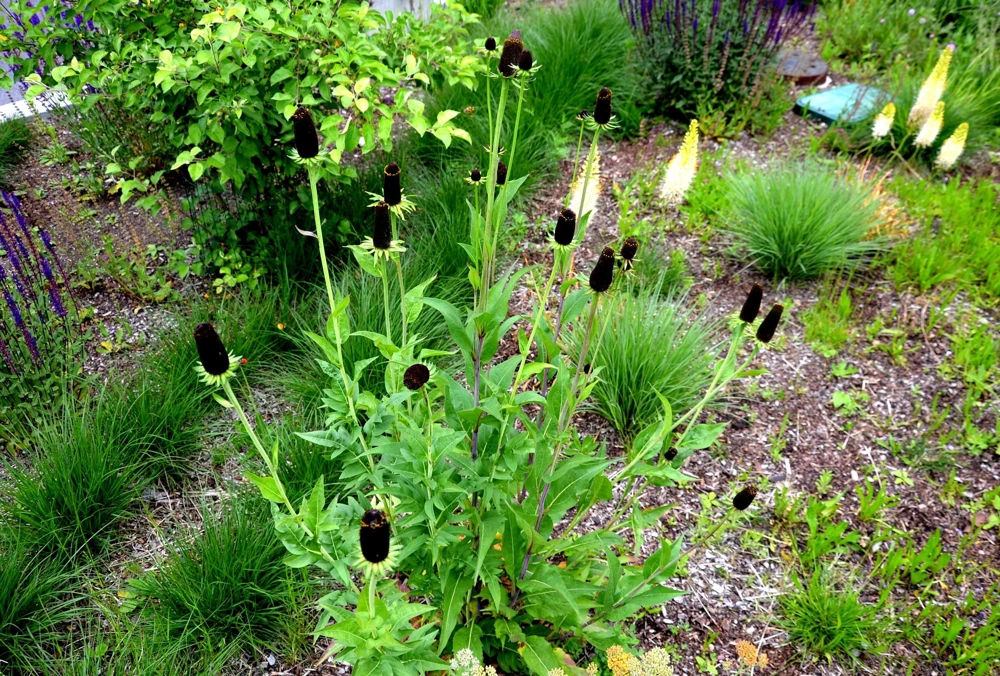
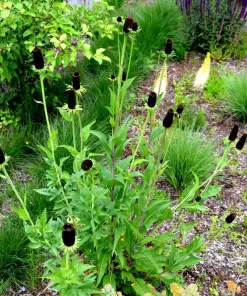
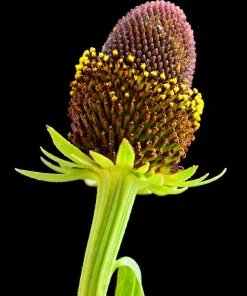
The Western Coneflower seeds of the ‘Green Wizard’ variety develop into substantial plants, typically reaching a height of 24-36 inches (60-90 cm) and spreading about 18-24 inches (45-60 cm) wide. They form a sturdy, upright clump with strong stems that support their distinctive flower heads. The striking ‘flowers’ (which are technically modified inflorescences) feature a prominent dark brown to black central cone, ranging from 1 to 2 inches in diameter, surrounded by bright green, leaf-like sepals that can be 2-3 inches long. These plants have a moderate growth rate and will typically begin blooming in their first year if started early indoors, or in their second year if direct-sown later in the season. The bloom period for these unique flower seeds extends from July through October, providing long-lasting visual interest in the garden. Each packet contains 30 high-quality seeds, ready for planting.
Frequently Asked Questions
- Q: How big does this plant get? A: Western Coneflower seeds (‘Green Wizard’) typically grow to be 24-36 inches tall with a spread of 18-24 inches. They develop into a sturdy, upright plant, making a strong statement in the garden.
- Q: Is this an indoor or outdoor plant? A: Rudbeckia Occidentalis ‘Green Wizard’ is primarily an outdoor plant. It thrives in garden settings, preferring full sun and well-draining soil, and is generally not suitable for long-term indoor cultivation.
- Q: How much sunlight does it need? A: For optimal growth and flowering, these Rudbeckia Occidentalis plants require full sun, meaning at least 6 hours of direct sunlight per day. They can tolerate some partial shade but may produce fewer blooms.
- Q: Is this plant easy to care for? A: Yes, ‘Green Wizard’ coneflowers are considered low-maintenance once established. They are tolerant of various soil conditions and are relatively drought-resistant, making them a good choice for both experienced and novice gardeners.
- Q: What condition will the seeds arrive in? A: Your 30 Western Coneflower seeds will arrive as a packet of dormant, viable seeds, ready for planting. They are carefully packaged to ensure their quality and readiness for germination.
- Q: How long until it blooms? A: If started indoors early, these coneflowers can bloom in their first year. If direct-sown outdoors, they will typically establish robust foliage in the first year and produce their unique blooms in the second year.
- Q: Will it survive winter in my zone? A: Rudbeckia Occidentalis ‘Green Wizard’ is a perennial hardy in USDA Zones 3-9. In these zones, it will typically die back to the ground in winter and re-emerge in spring.
- Q: Are these black flower seeds truly black? A: The ‘flowers’ of ‘Green Wizard’ are indeed rayless, with a central cone that is a very dark chocolate brown to nearly black, giving the impression of a striking black flower against its green sepals.
- Q: Can I use these for cut flowers? A: Absolutely! The unique, long-lasting flower heads of Green Wizard seeds are highly prized for both fresh and dried floral arrangements, adding an architectural and dramatic touch.
- Q: Do these attract pollinators? A: Yes, despite their unusual appearance, the prominent central cones are a good source of pollen and nectar, making them attractive to bees, butterflies, and other beneficial insects.
Be the first to review “30 Western Coneflower Seeds – Rudbeckia Occidentalis ‘Green Wizard’”
People Also Viewed
Reviews
There are no reviews yet.