
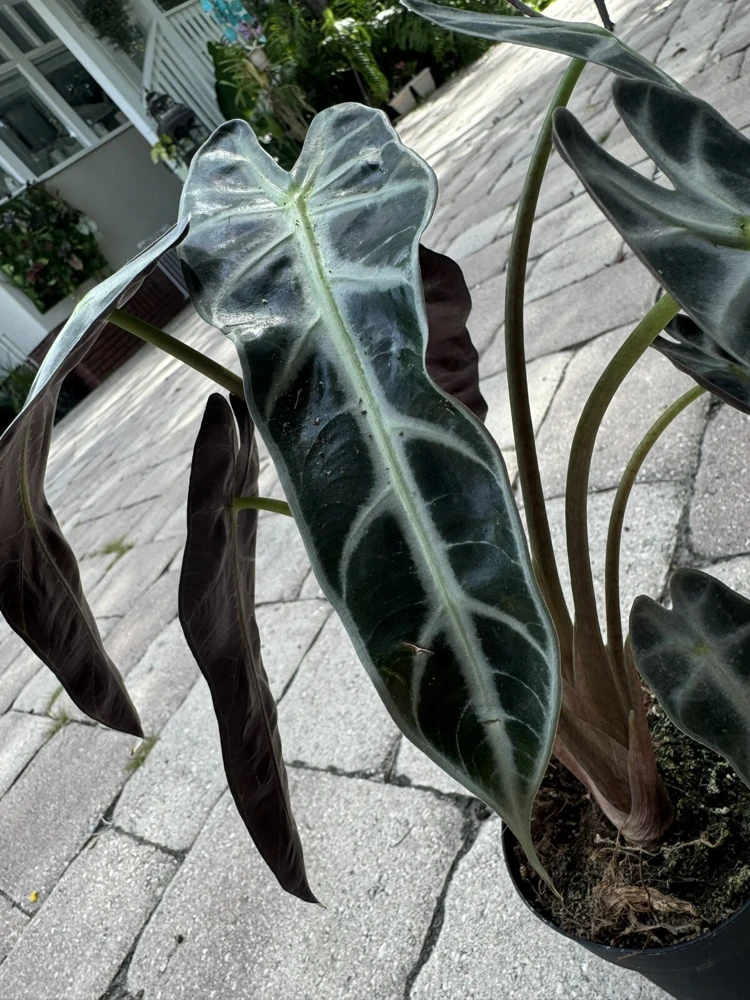
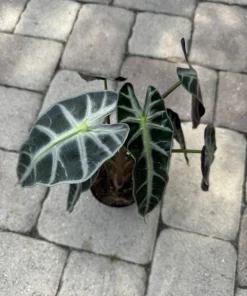
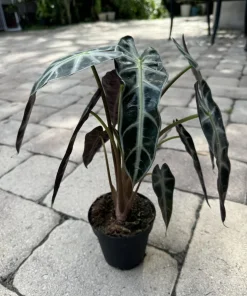
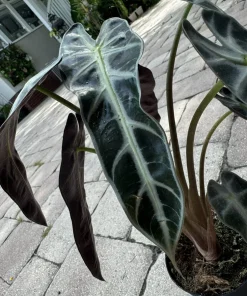
Alocasia Bambino Live Plant – Dwarf Elephant Ear – Potted Houseplant
Original price was: $53.99.$43.99Current price is: $43.99.
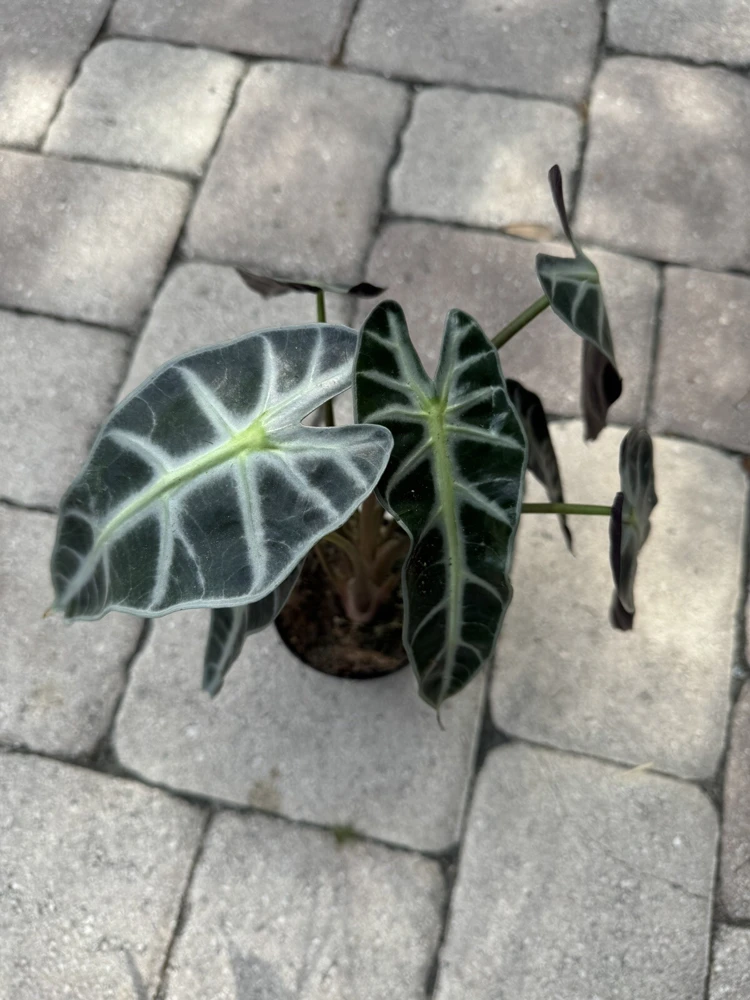
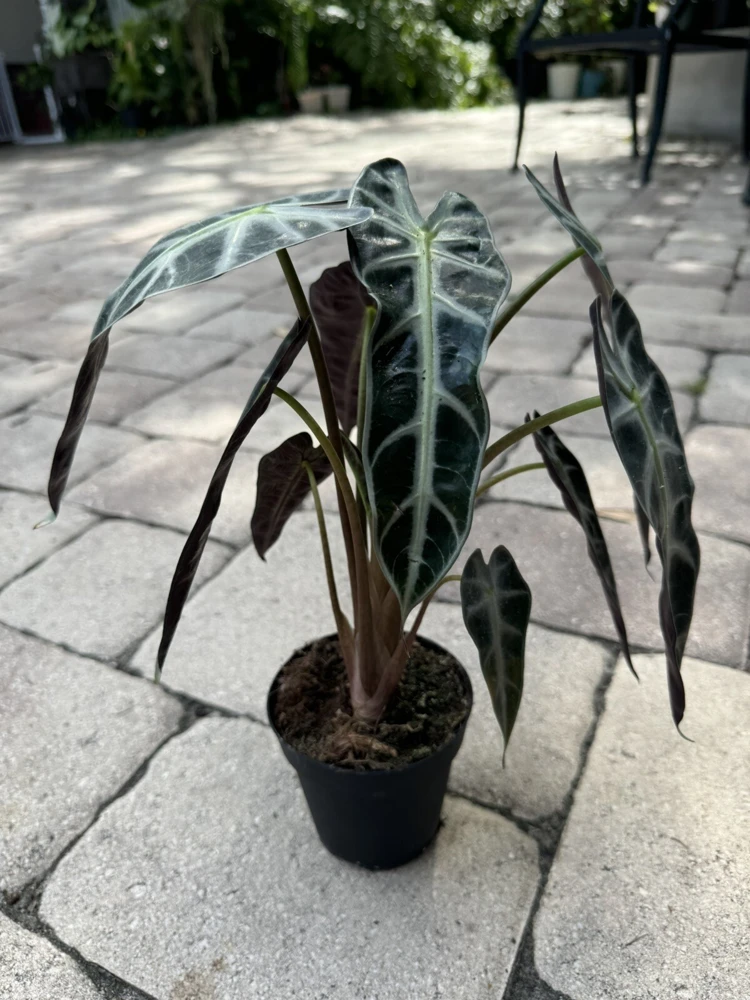
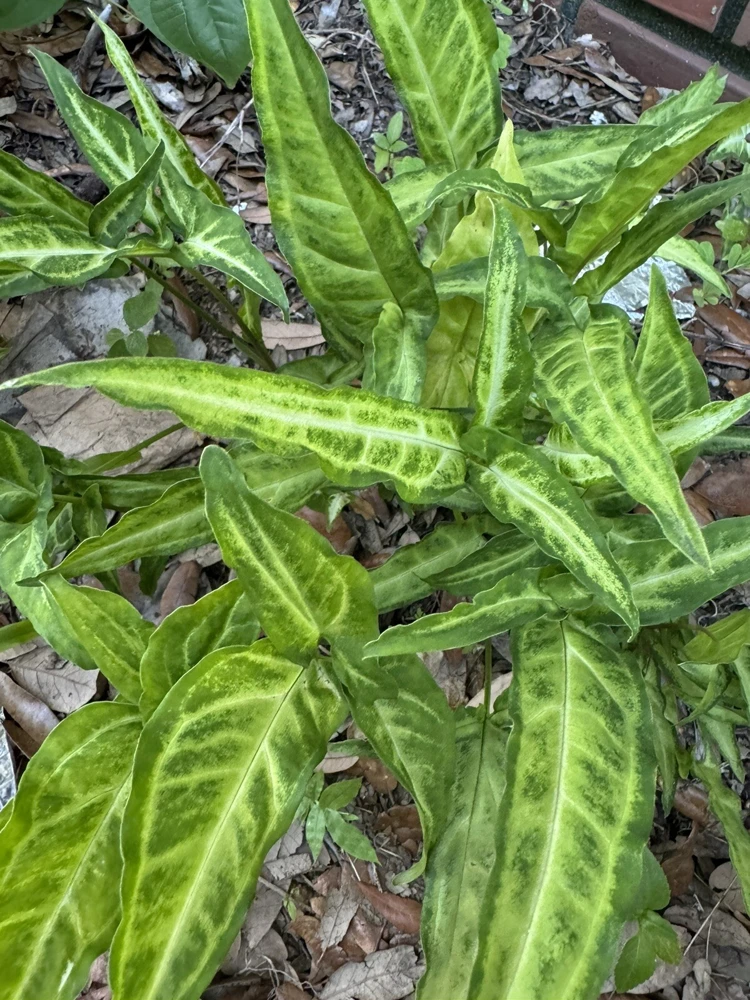
Bring exotic beauty indoors with the Alocasia Bambino live plant. This stunning dwarf elephant ear plant features striking dark green leaves with prominent veins, making it a captivating addition to any home. Ideal for tabletops or shelves, it thrives in bright, indirect light.
Estimated arrival
Oct 27
Nov 01 - Nov 03
Nov 06 - Nov 10
Shop With Confidence
30-Day Plant Health Guarantee
Arrives damaged? We’ll replace it free — see our return policy.
Responsive Support
Email us anytime, we reply within 1 business day.
Expert Packaging
Temperature-controlled shipping to protect your plants in transit.
Secure Checkout
Pay safely with Visa, Mastercard, PayPal.
Plant Specifications
-
USDA Hardiness Zone
USDA zones 10-11 (outdoors), suitable for all zones indoors -
Soil Type
Well-draining potting mix, rich in organic matter -
Sunlight Exposure
Bright indirect light -
Expected Planting Period
Year-round indoors
Overview
The Alocasia Bambino live plant, often referred to as the Dwarf Elephant Ear, is a captivating tropical houseplant renowned for its distinctive foliage. This compact Alocasia variety features narrow, arrow-shaped leaves that are a deep, glossy green, contrasting beautifully with pale, silvery-green undersides and prominent veins. Its elegant appearance makes it a popular choice for adding a touch of exotic sophistication to indoor spaces. Unlike its larger Alocasia relatives, the Bambino remains relatively small, making it perfect for desks, shelves, or as part of a plant collection. Originating from tropical rainforests, this plant thrives in conditions that mimic its natural humid environment, making proper Alocasia houseplant care essential for its vibrant growth. It’s a true statement piece that combines unique aesthetics with manageable size for the modern plant enthusiast.
As a dwarf elephant ear plant, it offers all the dramatic appeal of Alocasias without requiring extensive space. Each leaf is a miniature work of art, showcasing intricate textures and rich coloration. This particular variety is cherished for its ease of care compared to some other Alocasias, making it a rewarding choice for both novice and experienced plant parents looking to expand their collection with a stunning yet compact tropical specimen. When you bring home an Alocasia Bambino live plant, you’re not just getting a plant; you’re acquiring a living sculpture that will continuously enchant with its unique form.
Key Benefits
The Alocasia Bambino live plant offers numerous benefits, making it an excellent choice for enhancing your indoor environment. Its striking appearance and manageable size contribute significantly to its appeal.
- Exotic Aesthetic Appeal: The unique arrow-shaped, dark green leaves with contrasting veins provide a dramatic and tropical look, instantly elevating the decor of any room. It acts as a natural focal point.
- Compact Size: As a dwarf elephant ear plant, it remains relatively small, making it ideal for apartments, offices, or smaller living spaces where larger plants might be impractical. It fits perfectly on shelves, side tables, or windowsills.
- Air Purification: Like many houseplants, the Alocasia Bambino contributes to improved indoor air quality by absorbing certain airborne toxins, creating a healthier living environment.
- Unique Foliage: The distinct texture and coloration of its leaves, especially the prominent veining and reddish-purple undersides, make it a conversation starter and a favorite among plant collectors.
- Indoor Adaptability: This tropical plant is well-suited for indoor conditions, provided its specific light and humidity needs are met, allowing you to enjoy a piece of the rainforest in your home.
- Relatively Low Maintenance: With consistent care regarding humidity and watering, the Alocasia Bambino live plant can be a surprisingly forgiving and rewarding houseplant to grow.
Plant Care & Growing Tips
Proper Alocasia houseplant care is crucial for the thriving health of your Alocasia Bambino live plant. These tropical beauties prefer conditions that mimic their native rainforest environment. For lighting, provide bright, indirect light. Direct sunlight can scorch their delicate leaves, so place them near an east or north-facing window, or a few feet away from a south or west-facing window. Insufficient light can lead to leggy growth and dull foliage. Consistent watering is also key; keep the soil consistently moist but never waterlogged. Allow the top inch or two of soil to dry out before watering again. Overwatering can lead to root rot, while underwatering can cause leaves to droop and turn yellow.
The ideal soil for your dwarf elephant ear plant should be well-draining and rich in organic matter. A good quality potting mix designed for aroids or tropical plants, often containing perlite, coco coir, and compost, works best. Humidity is paramount for Alocasias; aim for 60% or higher. You can achieve this by using a humidifier, placing the pot on a pebble tray with water, or grouping it with other plants. Temperatures between 65-80°F (18-27°C) are ideal, and it’s sensitive to cold drafts. Fertilize every 2-4 weeks during the growing season (spring and summer) with a balanced liquid fertilizer diluted to half strength. Reduce feeding in fall and winter. Watch out for common pests like spider mites and mealybugs, especially in dry conditions. Regular inspection and prompt treatment are part of good Alocasia Bambino growing tips to keep your plant healthy.
Size & Details
The Alocasia Bambino live plant is celebrated for its compact growth habit, typically reaching a mature height of 1-2 feet (30-60 cm) and a similar spread indoors. This makes it an ideal choice for tabletops, shelves, or terrariums, fitting comfortably into smaller spaces. The plant is usually shipped as a young, established plant in a nursery pot, ready for you to acclimate it to its new environment. Its distinctive leaves, which are narrow and elongated, can grow up to 6-8 inches (15-20 cm) long. With optimal care, including consistent humidity and appropriate lighting, the Alocasia Bambino exhibits a moderate growth rate, unfurling new leaves regularly during the warmer months. Expect a vibrant and healthy specimen that will quickly become a highlight of your indoor plant collection.
Frequently Asked Questions
- Q: How big does this plant get? A: The Alocasia Bambino live plant typically grows to a compact size of 1 to 2 feet (30-60 cm) in both height and spread when grown indoors, making it suitable for smaller spaces.
- Q: Is this an indoor or outdoor plant? A: This is primarily an indoor tropical plant, especially in temperate climates. It can be grown outdoors in USDA zones 10-11 during warm months but must be brought inside before cold weather.
- Q: How much sunlight does it need? A: The dwarf elephant ear plant thrives in bright, indirect light. Avoid direct sunlight, which can burn its leaves, and too little light, which can cause stunted growth.
- Q: Is this plant easy to care for? A: While not the easiest houseplant, with consistent humidity and proper watering, the Alocasia Bambino is manageable for those with some plant experience. Following specific Alocasia houseplant care guidelines is important.
- Q: What condition will it arrive in? A: Your plant will arrive carefully packaged, typically in a nursery pot, and may show some signs of travel stress. Give it time to acclimate to its new home.
- Q: How long until it blooms? A: Alocasia Bambino primarily grown for its foliage and rarely blooms indoors. If it does bloom, the flowers are typically insignificant spathes.
- Q: What’s the minimum temperature it can tolerate? A: This tropical plant prefers temperatures above 60°F (15°C). It is sensitive to cold and will suffer damage if exposed to temperatures below this for extended periods.
- Q: What are some good Alocasia Bambino growing tips for new owners? A: Focus on providing high humidity (60%+) through humidifiers or pebble trays, consistent watering (moist but not soggy soil), and bright, indirect light. Avoid sudden temperature changes.
Be the first to review “Alocasia Bambino Live Plant – Dwarf Elephant Ear – Potted Houseplant”
People Also Viewed
Reviews
There are no reviews yet.