
5 Goji Berry Live Plants – Lycium barbarum Fruit Starter Plants, Outdoor Edible
Original price was: $113.99.$88.99Current price is: $88.99.
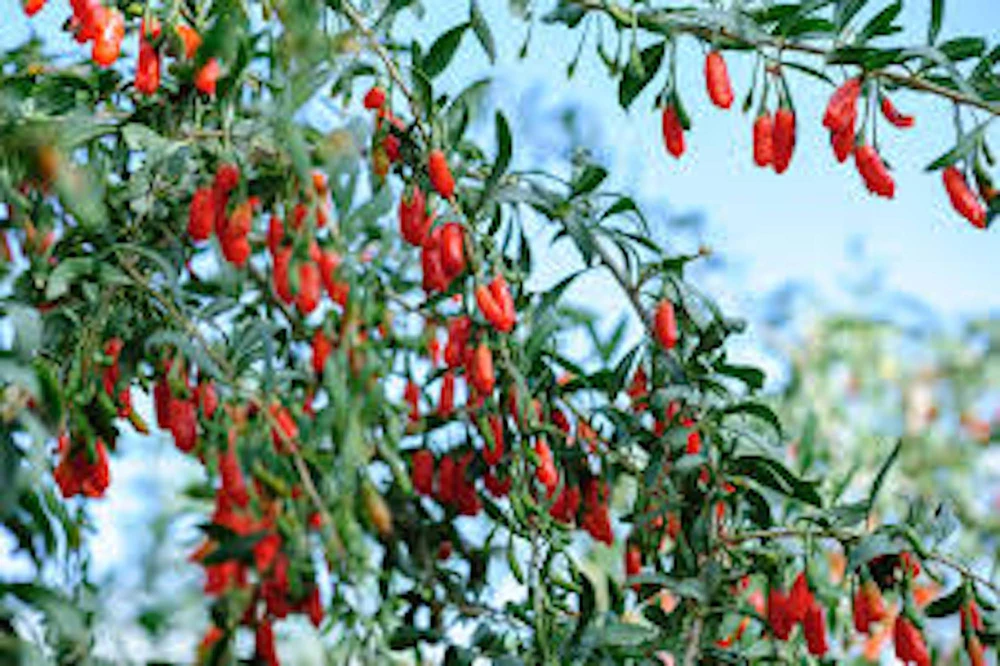
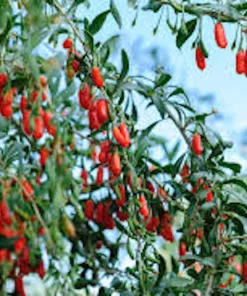
Cultivate your own superfood with this pack of 5 Goji Berry live plant starters. These robust Lycium barbarum shrubs are known for their delicious, nutrient-dense fruit and hardiness. Perfect for outdoor gardens, they thrive in full sun and well-drained soil, offering beautiful purple flowers followed by vibrant red berries.
Estimated arrival
Sep 29
Oct 04 - Oct 06
Oct 09 - Oct 13
Shop With Confidence
30-Day Plant Health Guarantee
Arrives damaged? We’ll replace it free — see our return policy.
Responsive Support
Email us anytime, we reply within 1 business day.
Expert Packaging
Temperature-controlled shipping to protect your plants in transit.
Secure Checkout
Pay safely with Visa, Mastercard, PayPal.
Plant Specifications
-
USDA Hardiness Zone
USDA zones 3-10 -
Soil Type
Well-draining soil -
Sunlight Exposure
Full sun -
Expected Planting Period
Early spring
Overview
Embark on a rewarding gardening journey with this offering of goji berry live plant starters. The Goji berry, scientifically known as Lycium barbarum, is a remarkable deciduous shrub celebrated for its vibrant red, nutrient-packed fruits. These particular plants are supplied as starter plants, perfect for establishing a thriving patch of these beneficial berries in your garden. Known for their resilience and adaptability, Goji berry plants are a fantastic addition for both seasoned gardeners and those new to growing edible plants. They are not only a source of delicious fruit but also add ornamental value with their attractive foliage and flowers before the berries ripen.
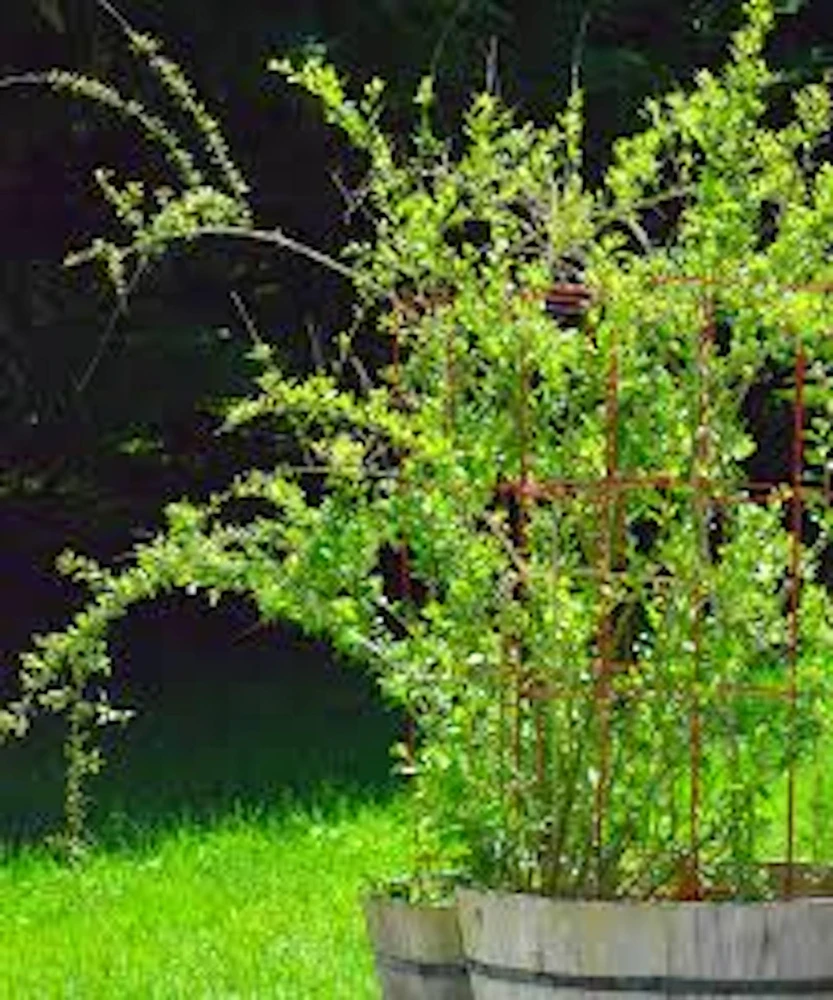
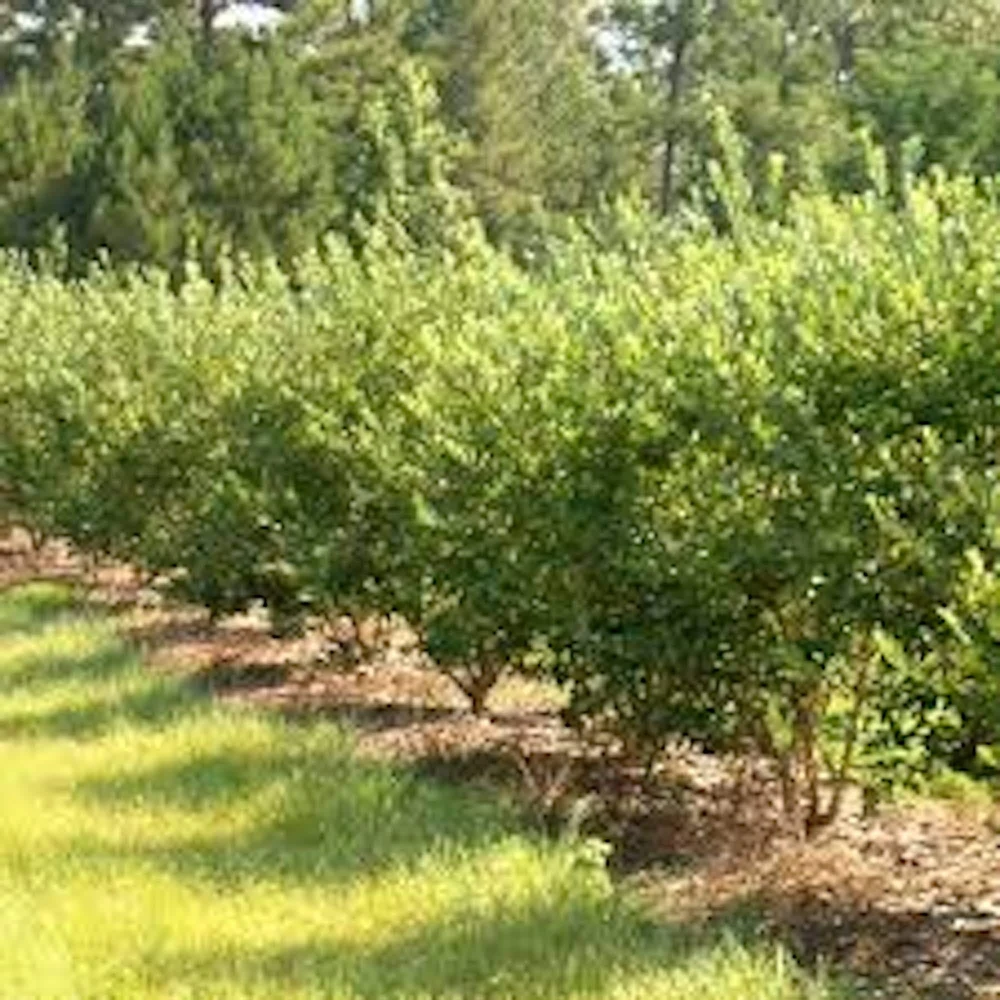
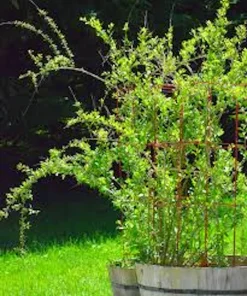
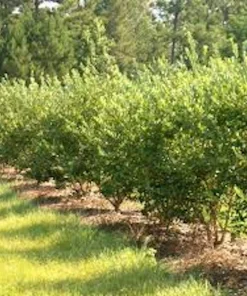
Originating from Asia, the goji berry live plant has been cultivated for centuries for its medicinal and culinary uses. This deciduous, sprawling shrub can reach significant sizes in its natural state, though it is typically pruned to a more manageable 3-6 feet tall in cultivation, making it suitable for various garden sizes. These plants feature long, flexible, and often thorny stems adorned with distinctive grey-green, somewhat succulent leaves, adding a unique texture to your landscape. Establishing these starter plants is a straightforward process, paving the way for years of abundant harvests of fresh, homegrown Goji berries.
Key Benefits
Adding a goji berry live plant to your garden offers a multitude of advantages, from their nutritional value to their ease of cultivation. These plants are a truly versatile and rewarding choice for any gardener interested in edible landscaping.
- Nutrient-Rich Fruit Production: Enjoy a continuous supply of fresh, antioxidant-rich Goji berries directly from your garden. These berries are famed for their health benefits, offering vitamins and minerals.
- Hardy and Drought-Tolerant: Once established, Goji berry plants are incredibly resilient. They can withstand various environmental conditions, including periods of drought, making them a low-maintenance option.
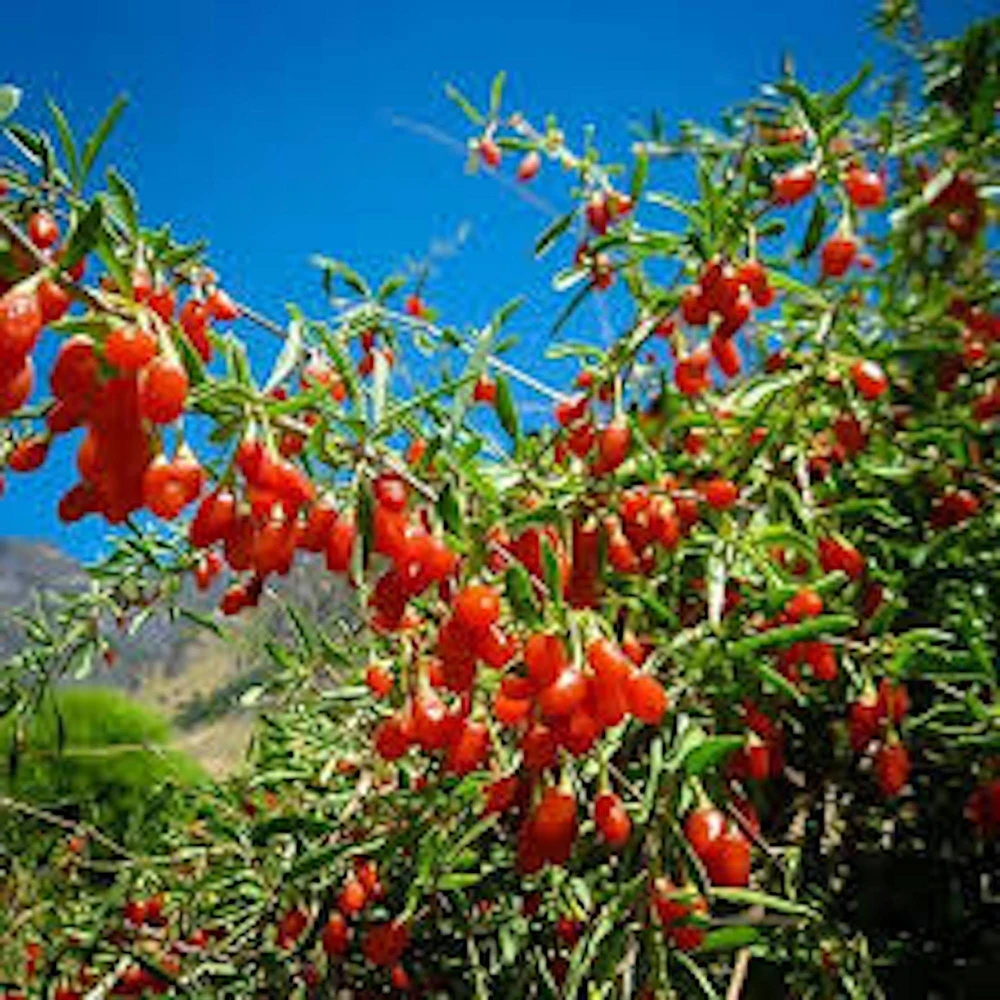
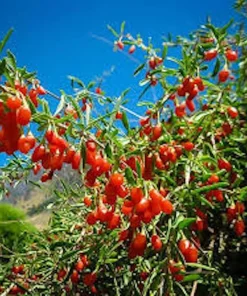
- Attractive Garden Addition: Beyond their fruit, these plants provide aesthetic appeal with their purple, bell-shaped flowers in late spring/early summer, followed by bright red, oval-shaped berries that stand out against their grey-green foliage.
- Versatile Culinary Use: The berries can be eaten fresh, dried, or incorporated into smoothies, cereals, and baked goods. Growing your own ensures the freshest possible harvest for all your culinary adventures.
- Easy to Grow: The goji berry live plant is relatively unfussy, thriving in full sun and well-drained soil. This makes them an excellent choice for gardeners of all skill levels, including those looking to grow goji berries for the first time.
- Supports Local Ecosystem: The flowers can attract pollinators, contributing to the biodiversity of your garden and supporting local insect populations.
- Long-Lived Perennial: With proper care, these plants will produce berries for many years, offering a sustainable source of fruit. Understanding goji berry plant care is key to their longevity.
Plant Care & Growing Tips
Caring for your goji berry live plant is relatively simple, as these plants are known for their hardiness. To ensure optimal growth and fruit production, provide them with the right conditions. Goji berries thrive in full sun, meaning they need at least 6-8 hours of direct sunlight per day. Choose a location in your garden that receives ample sun exposure throughout the day. While they are adaptable, a sunny spot will encourage more prolific flowering and fruiting. These plants are quite tolerant of various soil types but prefer well-drained soil. Avoid heavy clay soils that retain too much water, as this can lead to root rot. Amending your soil with organic matter can improve drainage and fertility.
Watering requirements for lycium barbarum plants are moderate. While establishing, ensure consistent moisture, especially during dry spells. Once mature, Goji berry plants are remarkably drought-tolerant, requiring less frequent watering. Allow the soil to dry out slightly between waterings. Fertilization is generally not heavily required, but a balanced, all-purpose fertilizer applied in early spring can boost growth and fruit yield. Pruning is important to maintain plant shape, control size, and encourage better fruit production. Prune in late winter or early spring before new growth begins, removing any dead, damaged, or weak branches, and shaping the plant to your desired size, typically 3-6 feet tall. Goji berry plants are hardy and can withstand temperatures down to USDA Zone 3, making them suitable for many climates. Protecting young plants from severe frost in their first year is advisable.
Size & Details
This offering includes 5 Goji Berry live plant starter plants, ready for transplanting into your garden. These plants are typically shipped bare root, meaning they arrive without soil or a pot, allowing for easier and more efficient shipping and planting. Upon arrival, it is recommended to plant them as soon as possible. In their natural state, Lycium barbarum can grow up to 12 feet tall and 4 feet wide, but they are commonly pruned to a more manageable size of 3-6 feet in cultivation. This allows for easier harvesting and garden integration. The plants will typically begin producing fruit in their second or third year, with increasing yields as they mature.
Each starter plant represents a young, healthy specimen, providing a strong foundation for a productive Goji berry patch. The growth rate is moderate, allowing you to observe their development over seasons. Expect purple, bell-shaped flowers to appear in late spring to early summer, followed by the characteristic bright red, oval-shaped berries in late summer and early fall. These plants are known for their longevity, providing years of delicious fruit with proper care. The hardiness of these plants makes them an excellent long-term investment for an edible landscape.
Frequently Asked Questions
- Q: How big do these Goji berry plants get? A: While they can reach up to 12 feet tall and 4 feet wide in their natural state, most gardeners prune their goji berry live plant to a more manageable 3-6 feet tall for easier harvesting and garden maintenance.
- Q: What size pot does it come in? A: These lycium barbarum plants are typically shipped bare root, meaning they do not come in a pot or with soil. This method ensures they are fresh and ready for immediate planting in your garden.
- Q: Is this an indoor or outdoor plant? A: Goji berry plants are outdoor plants, ideally suited for garden beds or large containers where they can receive full sun exposure. They are not typically grown indoors.
- Q: How much sunlight does a Goji berry plant need? A: Goji berry plants thrive in full sun, requiring at least 6-8 hours of direct sunlight per day to ensure robust growth and abundant fruit production.
- Q: Is this plant easy to care for? A: Yes, goji berry live plant are known for their hardiness and drought tolerance, making them relatively easy to care for once established. They are a great choice for beginners looking to grow goji berries.
- Q: What condition will the plants arrive in? A: The plants will arrive as bare root starter plants, carefully packaged to ensure they are healthy and ready for planting upon arrival.
- Q: How long until it blooms and produces fruit? A: Goji berry plants typically begin to flower and produce fruit in their second or third year after planting, with yields increasing as the plant matures.
- Q: Will it survive winter in my zone? A: Goji berry plants are very hardy and can tolerate cold temperatures down to USDA Zone 3. They are deciduous, meaning they will lose their leaves in winter and go dormant, returning in spring.
- Q: What’s the best time to plant these Goji berry starters? A: The best time to plant bare root Goji berry starters is in early spring, after the last frost, allowing them ample time to establish before the summer heat.
- Q: Can I use the berries in cooking? A: Absolutely! The berries from your goji berry live plant are perfect for eating fresh, drying, or adding to a variety of dishes like smoothies, oatmeal, and baked goods.
Be the first to review “5 Goji Berry Live Plants – Lycium barbarum Fruit Starter Plants, Outdoor Edible”
People Also Viewed


Flower Plants
7th Heaven Fuchsia Live Plant – 6 inch Pot – Shade-Loving Ornamental Flower for Baskets
Reviews
There are no reviews yet.