
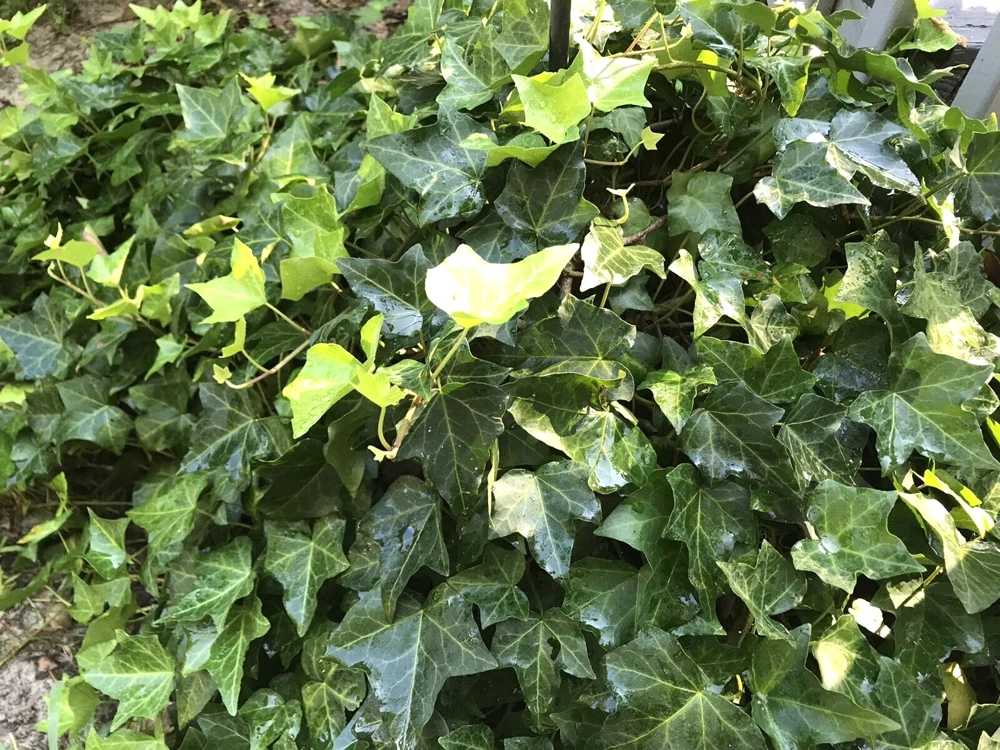
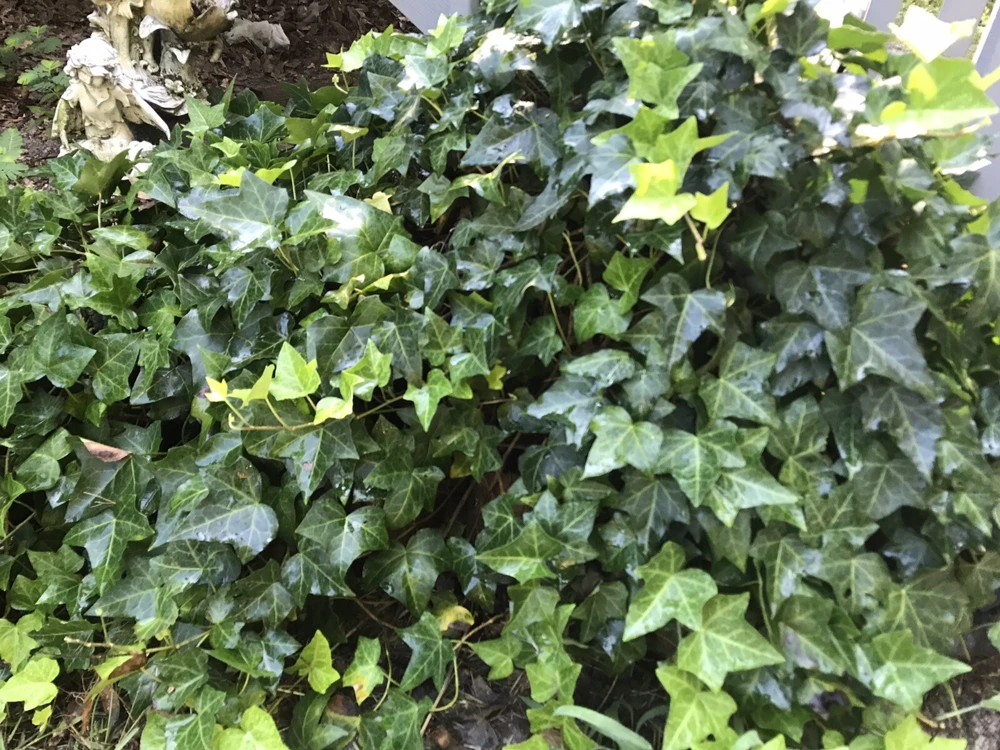
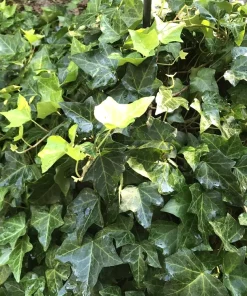
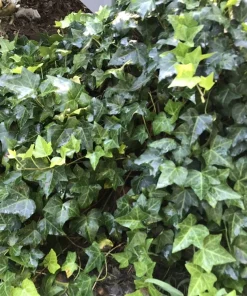
10 English Ivy Live Plants, Hedera helix Ground Cover Vine, 4-8 Inch Bare Root
Original price was: $43.99.$34.99Current price is: $34.99.
Cultivate a lush, green landscape with this bundle of 10 English Ivy live plants. These Hedera helix ground cover vines are perfect for creating an evergreen carpet or climbing feature, thriving in shaded areas. Each bare root starter plant measures 4-8 inches.
Estimated arrival
Oct 25
Oct 30 - Nov 01
Nov 04 - Nov 08
Shop With Confidence
30-Day Plant Health Guarantee
Arrives damaged? We’ll replace it free — see our return policy.
Responsive Support
Email us anytime, we reply within 1 business day.
Expert Packaging
Temperature-controlled shipping to protect your plants in transit.
Secure Checkout
Pay safely with Visa, Mastercard, PayPal.
Plant Specifications
-
USDA Hardiness Zone
USDA zones 5-9 -
Soil Type
Chalk, Clay, Loam (well-draining) -
Sunlight Exposure
Partial Shade, Full Shade -
Expected Planting Period
Spring to Fall
Overview
Transform your garden with our premium selection of English Ivy live plants. This offering includes 10 vigorous Hedera helix ground cover bare root starter plants, each measuring approximately 4-8 inches. Renowned for its classic appeal and versatility, English Ivy is a fantastic choice for gardeners looking to establish a resilient and beautiful evergreen presence. Whether you’re aiming for a verdant ground cover that suppresses weeds, a climbing vine to adorn walls and fences, or a cascading element in containers, this plant delivers. Its dense, lobed foliage remains vibrant throughout the year, providing continuous beauty and interest in various landscape designs. Ivy is also known for its adaptability, making it a reliable option for many growing conditions, particularly in areas where other plants might struggle.
These bare root ivy plants are carefully prepared for shipping, ensuring they arrive ready for planting and establishment in your garden. The bare root format allows for easy handling and quick acclimation to their new environment, promoting healthy growth from the start. With its robust nature and minimal demands, Hedera helix is an excellent choice for both experienced gardeners and those new to cultivating vining plants. Create stunning visual effects and enjoy the enduring charm of this timeless botanical classic.
Key Benefits
Investing in English Ivy live plants brings a multitude of advantages to your home and garden. These benefits extend beyond simple aesthetics, offering practical solutions for landscape challenges and enhancing the overall environment.
- Evergreen Foliage: Enjoy year-round green coverage with the dense, attractive leaves of Hedera helix. Unlike deciduous plants, English Ivy maintains its vibrant foliage through all seasons, providing continuous visual appeal and structure to your garden. This consistent greenery is particularly valuable during colder months when many other plants lose their leaves.
- Effective Ground Cover: These plants excel at forming a thick, mat-like ground cover that naturally suppresses weeds. The dense canopy of shade loving vine leaves helps to block sunlight from reaching weed seeds, significantly reducing the need for manual weeding and chemical herbicides. It’s an eco-friendly solution for maintaining tidy garden beds.
- Versatile Landscaping: English Ivy is incredibly adaptable, suitable for various landscaping applications. Use it to cover unsightly areas, stabilize slopes, create living walls, or as an elegant spiller in hanging baskets and containers. Its ability to climb or spread makes it a flexible choice for diverse design intentions.
- Shade Tolerance: Thriving in partial to full shade, English Ivy is an ideal plant for those challenging, dimly lit spots in your garden where other plants struggle. It can illuminate dark corners and bring life to shaded undergrowths, making the most of every part of your landscape.
- Low Maintenance: Once established, evergreen plants like English Ivy require minimal care. They are generally drought-tolerant and pest-resistant, reducing the time and effort needed for watering, treating, and pruning. This makes them a perfect choice for busy gardeners seeking beauty without constant upkeep.
- Erosion Control: On sloped areas, the extensive root system of English Ivy helps to bind the soil, effectively preventing erosion. This natural solution is particularly beneficial in areas prone to runoff, protecting your landscape from soil degradation and nutrient loss.
- Air Purification: Studies have shown that English Ivy can help purify indoor air by absorbing toxins. While primarily an outdoor plant, its air-cleaning properties are an added bonus if brought indoors temporarily or grown in pots near entryways.
Plant Care & Growing Tips
Caring for your English Ivy live plants is relatively straightforward, making them a rewarding addition to almost any garden. Understanding their basic needs will ensure vigorous growth and a healthy, lush appearance. These shade loving vine plants are quite resilient, but optimal conditions will help them thrive and reach their full potential as an effective ground cover or climbing feature.
Sunlight Requirements: English Ivy prefers partial to full shade. While it can tolerate some morning sun, intense afternoon sun can scorch its leaves, especially in hotter climates. For optimal growth and vibrant foliage, choose a location that receives filtered light throughout the day or is completely shaded. If growing indoors, place it in a spot with bright, indirect light, away from direct windows that get harsh sun.
Watering Schedule & Soil Moisture: Water thoroughly when the top inch of soil feels dry to the touch. Once established, English Ivy is moderately drought-tolerant, but consistent moisture during dry spells will promote healthier growth. Avoid overwatering, as this can lead to root rot. Ensure the soil is well-draining to prevent waterlogging. During winter, reduce watering frequency, allowing the soil to dry out a bit more between waterings.
Soil Type & Drainage: These plants are adaptable to a range of soil types, including chalk, clay, and loam, but they absolutely require good drainage. Heavy, waterlogged soils are detrimental. Amend heavy clay soils with organic matter like compost or sand to improve drainage. A slightly acidic to neutral pH (6.0-7.0) is ideal. For potted ivy, use a high-quality potting mix that drains well.
Temperature Range & USDA Hardiness Zone: English Ivy is quite hardy and can tolerate a wide range of temperatures. It is generally hardy in USDA Zones 5-9. In colder zones, it may experience some dieback but often recovers in spring. In very hot climates, extra shade and consistent moisture are crucial. As evergreen plants, they provide winter interest in suitable zones.
Fertilization: Fertilize sparingly. A balanced, slow-release granular fertilizer applied in spring, or a liquid feed at half strength during the growing season (spring and summer), is usually sufficient. Avoid over-fertilizing, which can lead to leggy growth and reduced vigor. If the plant shows signs of nutrient deficiency (e.g., yellowing leaves), a light feeding can be beneficial.
Common Problems & Solutions: English Ivy is generally robust, but can occasionally face issues. Pests like spider mites or aphids can be managed with insecticidal soap. Fungal diseases, often caused by poor air circulation or excessive moisture, can be prevented by ensuring good drainage and appropriate spacing. Pruning regularly not only controls growth but also helps improve air circulation and plant health.
Size & Details
This offering includes 10 English Ivy live plants, specifically Hedera helix ground cover, provided as bare root starter plants. Each plant typically measures between 4-8 inches in length, making them an ideal size for establishing new ground cover areas or for planting along trellises and walls. These bare root plants are in their vegetative growth stage, ensuring they are ready to put down roots and begin vigorous growth once planted. English Ivy exhibits a medium growth rate, allowing it to establish itself relatively quickly without becoming overwhelmingly fast.
These versatile vines are suitable for both indoor and outdoor cultivation, offering flexibility for your gardening projects. Outdoors, they can spread to cover significant areas, while indoors they can be trained to climb or cascade from shelves. The plants are evergreen, providing year-round foliage. They thrive in a range of seasons, showing interest in fall, spring, summer, and winter. They prefer light watering and grow best in partial to full shade with well-draining soil types such as chalk, clay, or loam. This bundle of 10 plants ensures you have enough coverage to start a substantial new planting area.
Frequently Asked Questions
- Q: How big do these English Ivy live plants get? A: These English Ivy live plants are bare root starters, measuring 4-8 inches upon arrival. Once established, Hedera helix can spread extensively as a ground cover, potentially several feet wide, or climb many feet high if given support. Its ultimate size depends on growing conditions and pruning.
- Q: Are these plants suitable for both indoor and outdoor use? A: Yes, these Hedera helix ground cover plants are highly versatile and can thrive both indoors and outdoors. Outdoors, they make excellent ground cover or climbing vines. Indoors, they can be grown in pots and trained as elegant houseplants, especially in hanging baskets.
- Q: How much sunlight do these English Ivy plants need? A: English Ivy prefers partial to full shade. While it can tolerate some morning sun, it performs best and maintains its vibrant foliage in shadier locations. Avoid direct, intense afternoon sun, which can scorch its leaves.
- Q: What condition will the bare root ivy plants arrive in? A: Your bare root ivy plants will arrive freshly dug from the soil just before shipping. They will not have soil around their roots, but will be carefully packaged to ensure they remain viable and ready for planting upon arrival. Plant them as soon as possible after receiving them.
- Q: Is English Ivy considered pet-safe? A: No, English Ivy (Hedera helix) is generally considered toxic to pets if ingested. It’s best to keep it out of reach of curious cats, dogs, and other animals. If growing outdoors, ensure your pets do not have access to the plants.
- Q: When is the best time to plant these bare root starter plants? A: Bare root plants are typically best planted in early spring or fall when the weather is cool and moist, allowing them to establish their root systems before extreme heat or cold. However, with proper care and consistent watering, they can often be planted successfully throughout the growing season.
- Q: Will these evergreen plants survive winter in my climate? A: English Ivy is quite hardy and can survive winters in USDA Zones 5-9. In colder zones, it may experience some leaf damage or dieback but often recovers in spring. Its evergreen nature means it will provide year-round interest in suitable climates.
- Q: What kind of soil is best for English Ivy? A: English Ivy is adaptable to various soil types, including chalk, clay, and loam, but it absolutely requires well-draining soil. Poor drainage can lead to root rot. Amending heavy soils with organic matter will improve their structure and drainage.
- Q: How often should I water my English Ivy? A: Water your evergreen plants thoroughly when the top inch of soil feels dry to the touch. During hot, dry periods, they may need more frequent watering. During cooler months or indoors, reduce watering to prevent over-saturation. Always ensure the soil dries out slightly between waterings.
- Q: Are these plants good for beginners? A: Yes, English Ivy is generally considered an easy-to-care-for plant, making it a good choice for beginner gardeners. It is quite forgiving and resilient, especially once established, requiring minimal maintenance compared to many other vining or ground cover plants.
Be the first to review “10 English Ivy Live Plants, Hedera helix Ground Cover Vine, 4-8 Inch Bare Root”
People Also Viewed


Reviews
There are no reviews yet.