





300 Purple Tansy Lacy Fiddleneck Flower Seeds – Phacelia Tanacetifolia
Original price was: $37.99.$17.99Current price is: $17.99.
Cultivate a vibrant garden with 300 Purple Tansy Lacy Fiddleneck Phacelia Tanacetifolia Flower Seeds. These easy-to-grow annuals produce beautiful purple blooms that are highly attractive to bees and other pollinators, making them ideal for beneficial insect gardens and natural pest control. Perfect for adding unique texture and color to borders or meadows.
Estimated arrival
Sep 17
Sep 22 - Sep 24
Sep 27 - Oct 01
Shop With Confidence
30-Day Plant Health Guarantee
Arrives damaged? We’ll replace it free — see our return policy.
Responsive Support
Email us anytime, we reply within 1 business day.
Expert Packaging
Temperature-controlled shipping to protect your plants in transit.
Secure Checkout
Pay safely with Visa, Mastercard, PayPal.
Plant Specifications
-
USDA Hardiness Zone
USDA zones 3-10 -
Soil Type
Well-draining soil -
Sunlight Exposure
Full sun -
Expected Planting Period
Spring to early summer
Overview
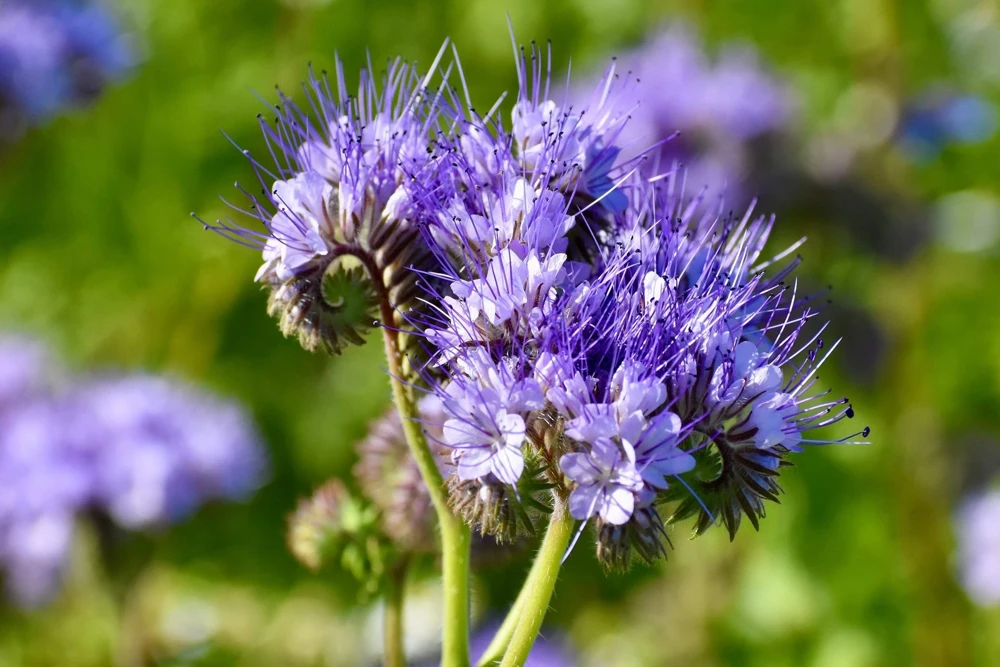
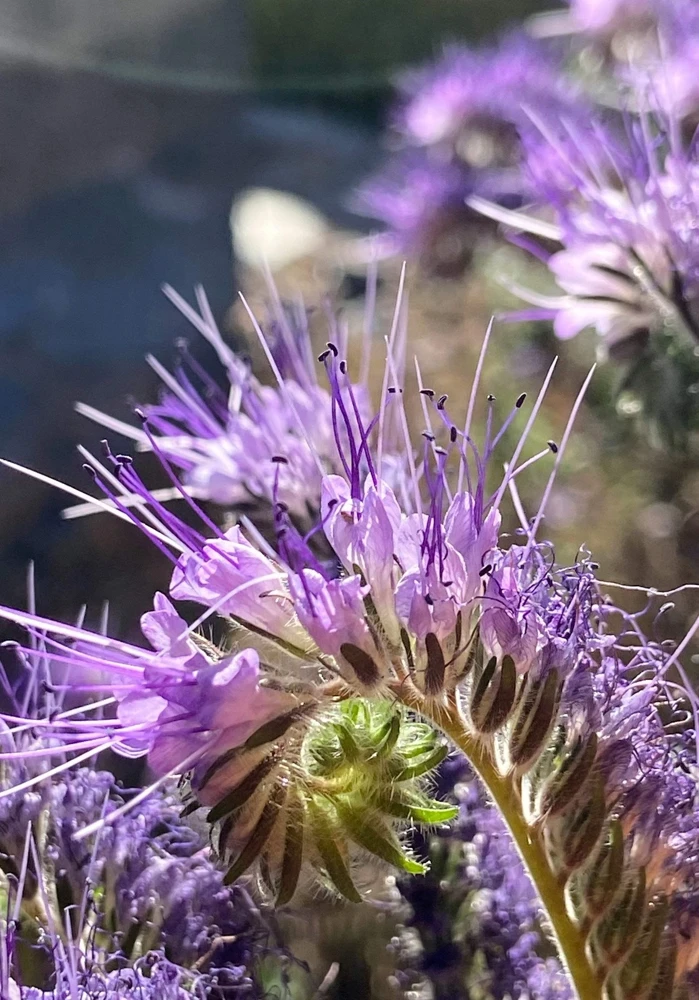
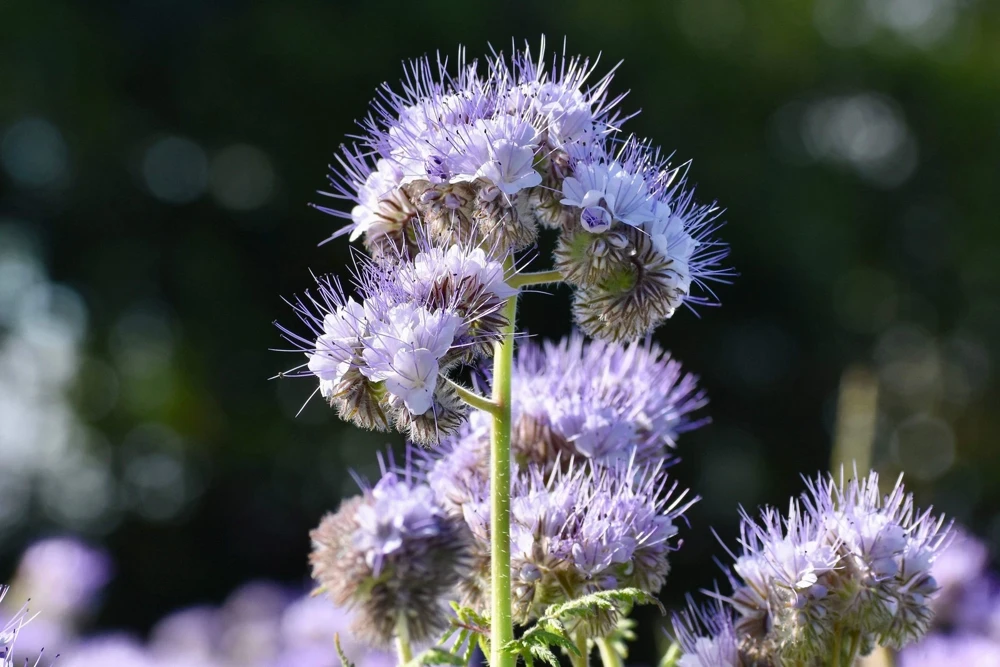
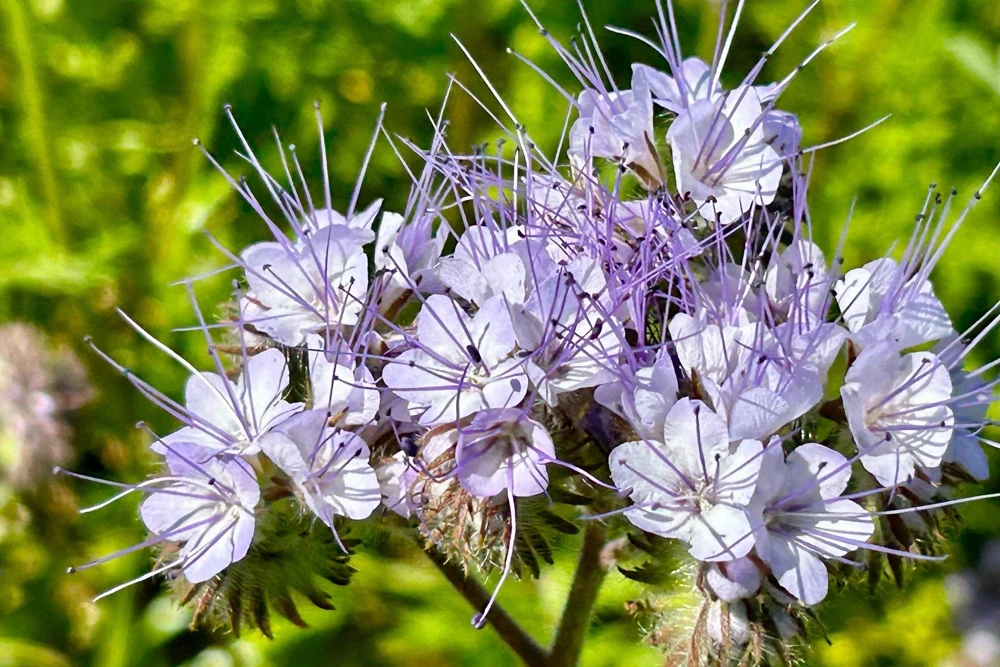
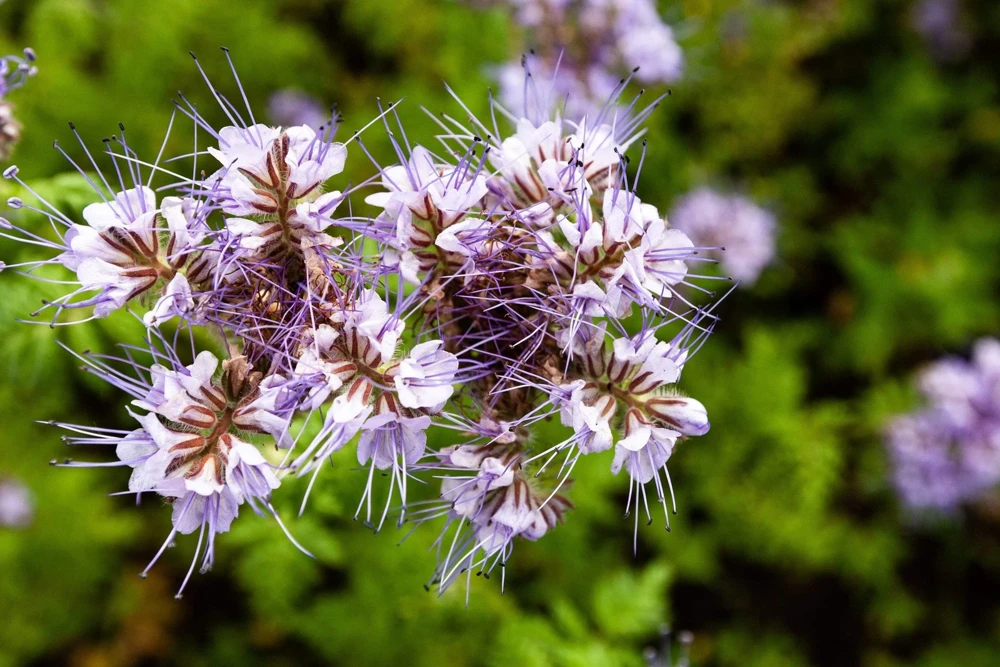
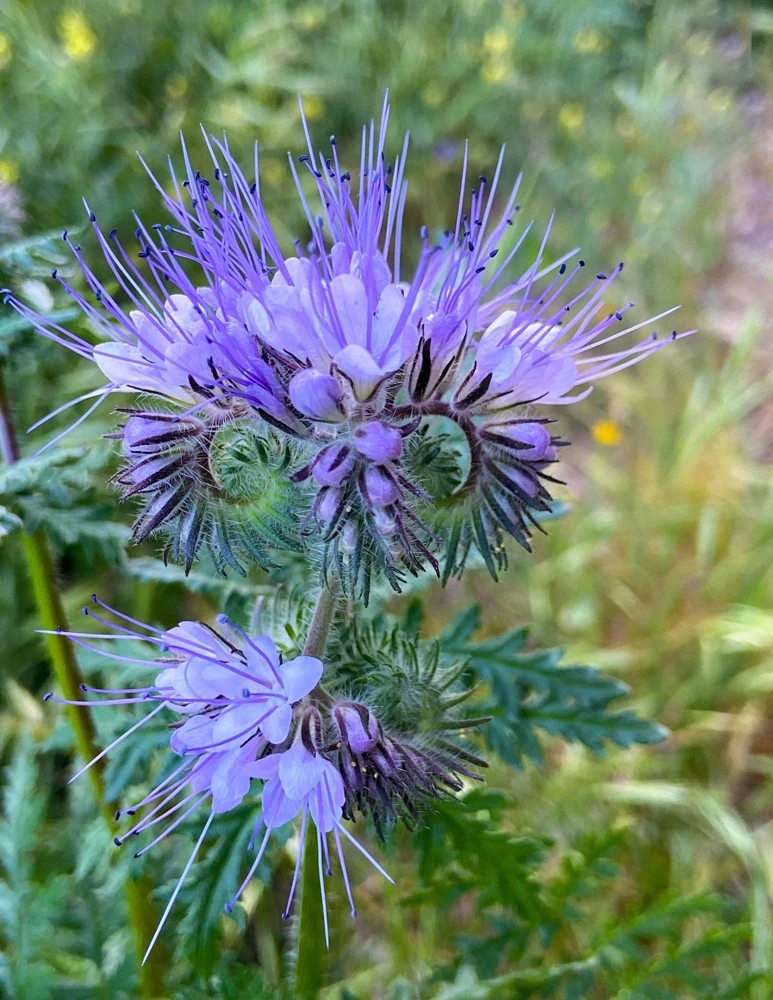
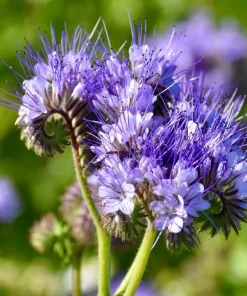
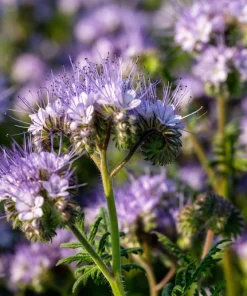
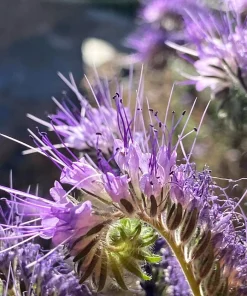
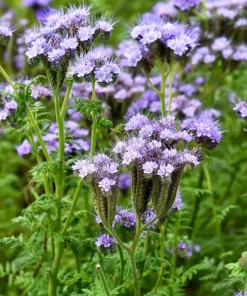
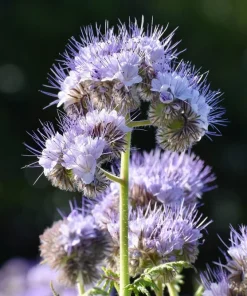
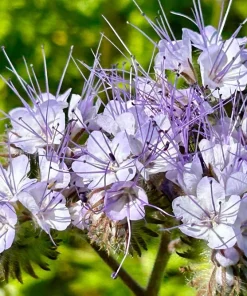
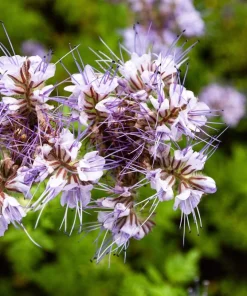
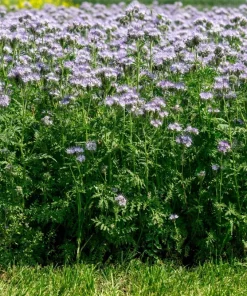
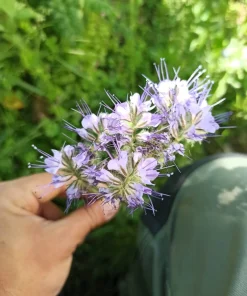
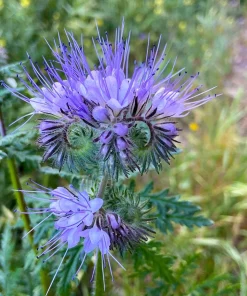
Introduce a touch of natural elegance and ecological benefit to your garden with our purple tansy seeds. This offering includes 300 Purple Tansy Lacy Fiddleneck Phacelia Tanacetifolia Flower Seeds, providing an abundant supply for creating stunning displays or supporting local ecosystems. Known scientifically as Phacelia tanacetifolia, Purple Tansy is a remarkable annual flower celebrated for its distinctive lacy foliage and captivating lavender-blue to purple, coiled flower spikes. It’s often referred to as Lacy Fiddleneck due to the unique shape of its developing flower heads. Beyond its aesthetic appeal, this plant is a powerhouse for attracting a wide array of beneficial insects, including honeybees, native bees, and hoverflies, making it an excellent choice for pollinator gardens, cover cropping, or simply enhancing biodiversity in your outdoor space. These seeds promise a vigorous growth habit and a generous bloom period, transforming any sunny spot into a lively haven.
Growing lacy fiddleneck seeds is a rewarding experience, suitable for gardeners of all skill levels. The plants establish quickly and require minimal fuss once mature, making them a low-maintenance yet high-impact addition to any landscape. Whether you’re aiming to create a vibrant wildflower meadow, a dedicated bee garden, or simply wish to enjoy the unique beauty of its blooms, these phacelia tanacetifolia seeds are an ideal starting point. Their charming appearance and significant ecological contributions make them a favorite among environmentally conscious gardeners and those seeking to add unusual and attractive flora to their plant palette.
Key Benefits
Our purple tansy seeds offer a multitude of advantages for both the gardener and the environment. Planting these seeds will not only beautify your space but also contribute to a healthier ecosystem:
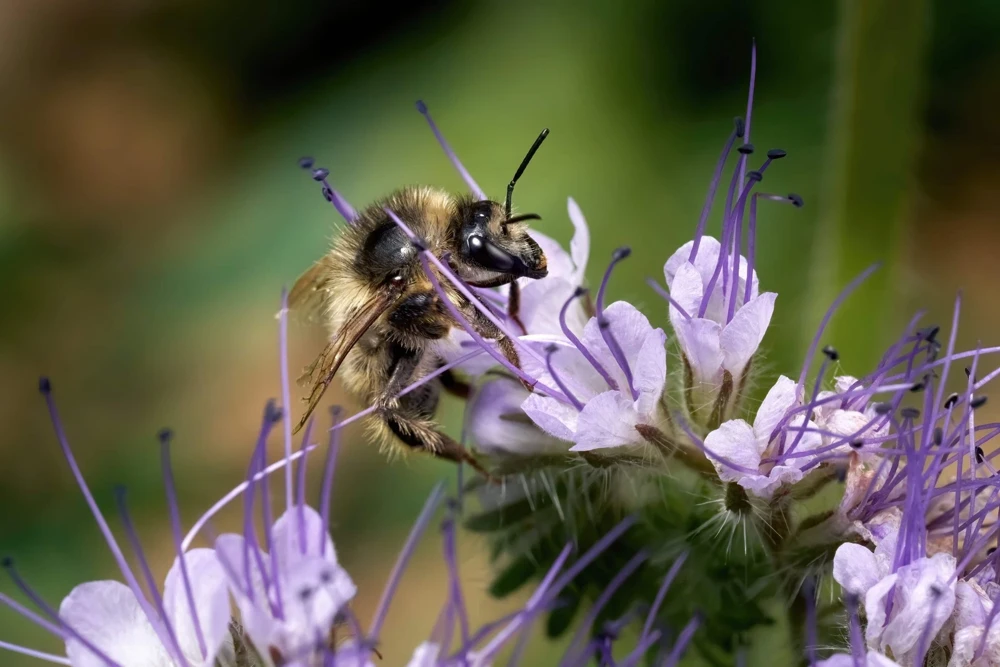
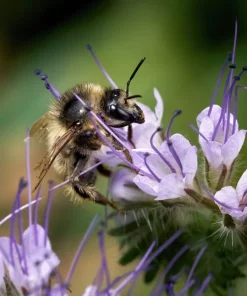
- Attracts Pollinators:Purple Tansy Lacy Fiddleneck Phacelia Tanacetifolia Flower Seeds are renowned for their exceptional ability to attract a diverse range of pollinators, especially honeybees and native bees. This makes them invaluable for supporting local bee populations and improving pollination rates in nearby fruit and vegetable gardens.
- Beneficial Insect Habitat: Beyond bees, these flowers provide nectar and pollen for hoverflies, lacewings, and other beneficial insects that prey on garden pests, naturally reducing the need for chemical interventions.
- Soil Improvement: As a green manure or cover crop, Purple Tansy helps to improve soil structure, add organic matter, and suppress weeds. Its deep root system can also help break up compacted soil.
- Drought Tolerant: Once established, lacy fiddleneck seeds grow into plants that are quite resilient to dry conditions, making them a smart choice for water-wise gardening.
- Long Bloom Period: Enjoy continuous blooms from late spring through summer, providing a consistent food source for pollinators and ongoing visual interest in your garden.
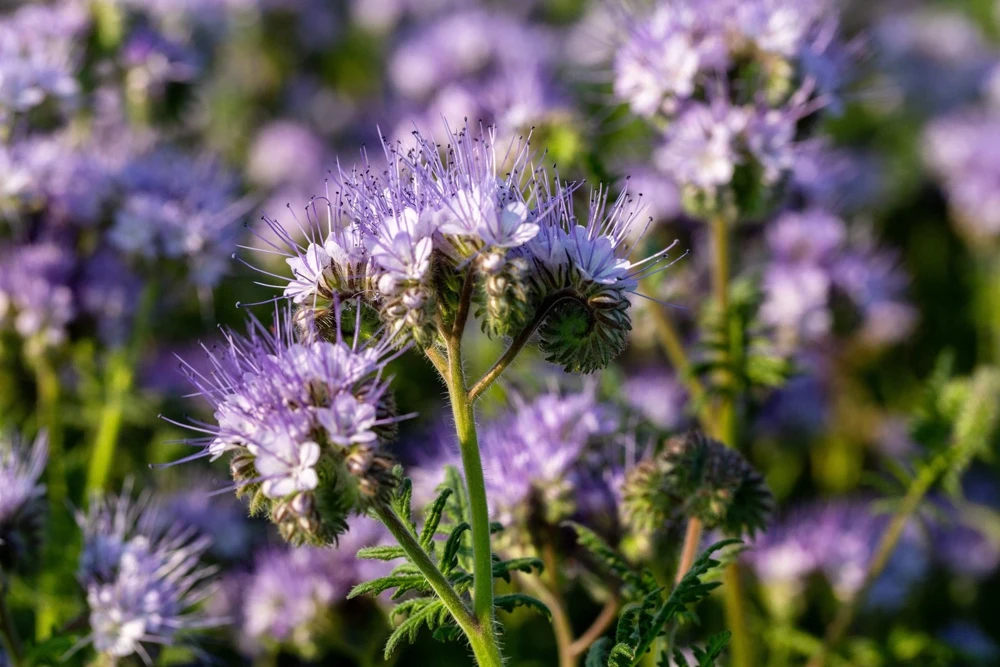
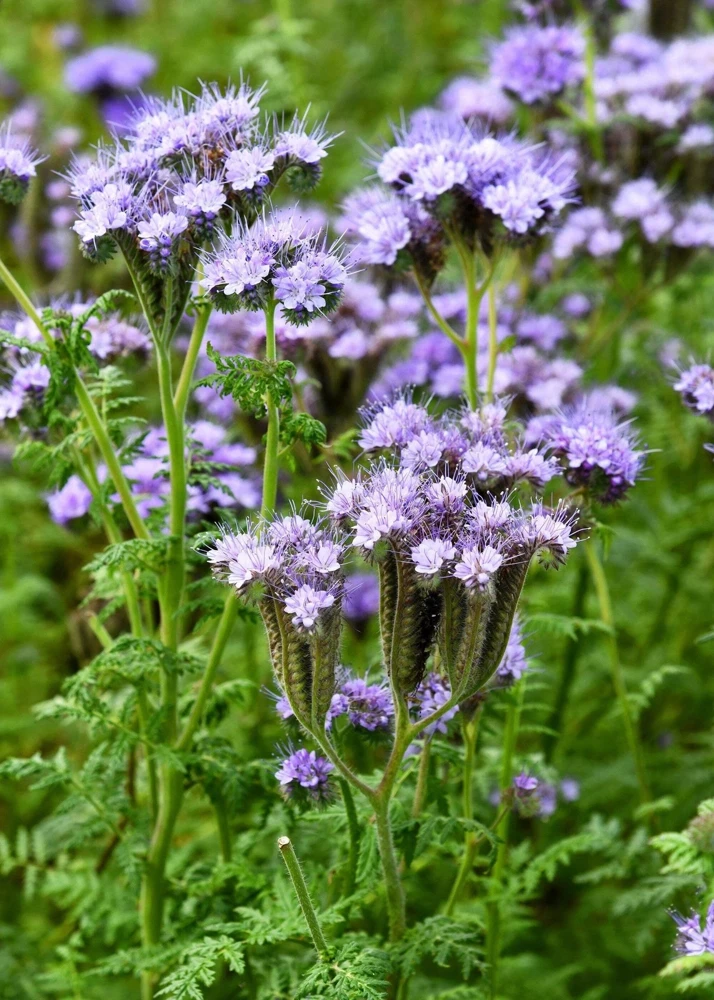
- Unique Ornamental Appeal: The distinctive coiled flower spikes and finely cut, fern-like foliage add an unusual and attractive texture to garden beds, borders, and wildflower mixes.
- Easy to Grow: These seeds germinate readily and grow vigorously with minimal care, perfect for beginners or those seeking low-effort, high-reward plants.
Plant Care & Growing Tips
Cultivating purple tansy seeds is straightforward, ensuring a beautiful and beneficial addition to your garden. For best results, sow seeds directly into the garden after the last frost date, typically in spring. Choose a location that receives full sun, meaning at least 6-8 hours of direct sunlight per day, as ample light encourages robust growth and abundant flowering. While Purple Tansy can tolerate a variety of soil types, it thrives in well-draining soil. If your soil is heavy clay, consider amending it with organic matter to improve drainage and aeration. Prepare the seedbed by loosening the soil to a depth of about 6 inches and removing any weeds or debris.
Sow the phacelia tanacetifolia seeds thinly, about 1/4 inch deep, and lightly cover with soil. Keep the soil consistently moist until germination occurs, which usually takes 7-14 days. Once seedlings are established, thin them to a spacing of 6-12 inches apart to allow for proper air circulation and growth. While generally drought-tolerant, regular watering during prolonged dry spells will promote healthier plants and more prolific blooms. Fertilization is typically not necessary, especially if grown in fertile soil or as a cover crop, as it’s known for its ability to improve soil health. These plants are relatively pest and disease free, adding to their low-maintenance appeal. The plants typically grow well in USDA zones 3-10, tolerating a wide range of climates. For a continuous bloom, consider succession planting every few weeks throughout the spring and early summer.
Size & Details
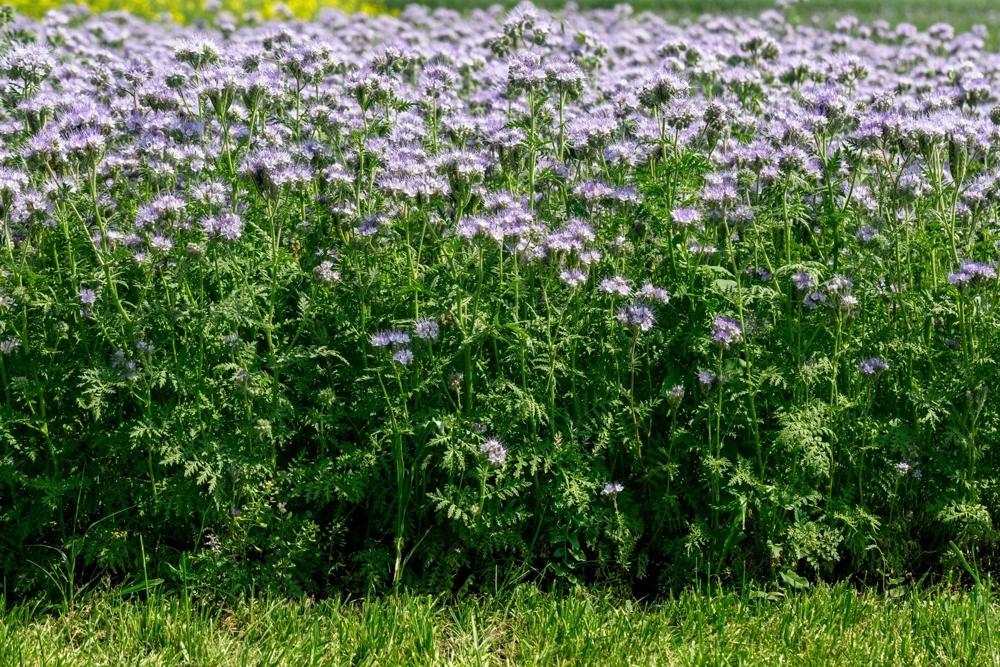
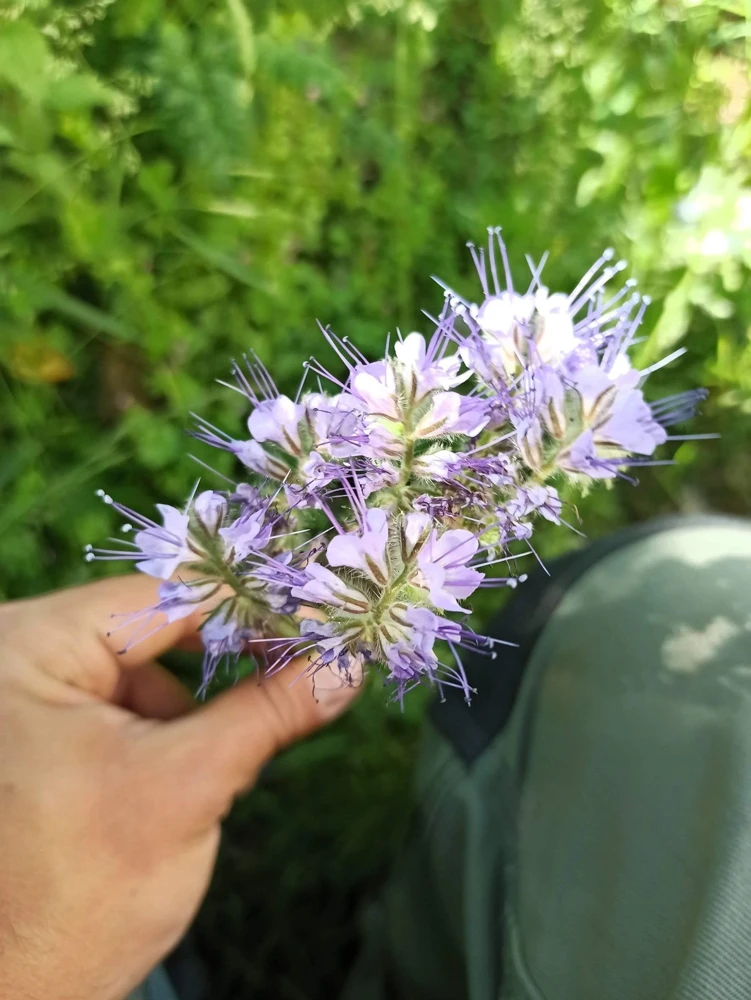
This product includes 300 Purple Tansy Lacy Fiddleneck Phacelia Tanacetifolia Flower Seeds, providing a generous quantity for planting. Once mature, Purple Tansy plants typically reach a height of 1 to 3 feet (30-90 cm) and spread about 6 to 12 inches (15-30 cm) wide, forming attractive, bushy clumps. The finely dissected, fern-like leaves are an appealing green, providing a lovely backdrop for the vibrant purple flowers. The distinctive coiled flower spikes, resembling a fiddleneck, unfurl to reveal numerous small, bell-shaped lavender-blue to purple flowers. These annuals have a relatively fast growth rate and usually begin blooming about 6-8 weeks after planting from purple tansy seeds, continuing to flower for several months. The seeds are shipped in a protective packet, ensuring their viability upon arrival. Expect a profusion of blooms throughout the summer, providing a constant source of nectar for beneficial insects and a beautiful display for your garden. The plant’s open, airy structure makes it an excellent choice for interplanting with other garden favorites.
Frequently Asked Questions
- Q: How big does this plant get? A: Purple Tansy Lacy Fiddleneck Phacelia Tanacetifolia Flower Seeds grow into plants that typically reach a height of 1 to 3 feet (30-90 cm) and spread 6 to 12 inches (15-30 cm) wide. Its upright, bushy habit makes it suitable for various garden settings.
- Q: Is this an indoor or outdoor plant? A: Purple Tansy is primarily grown as an outdoor plant. It thrives in full sun conditions in garden beds, meadows, or as a cover crop. While it can be started indoors, it performs best when planted directly outside.
- Q: How much sunlight does it need? A: For optimal growth and flowering, lacy fiddleneck seeds require full sun, meaning at least 6-8 hours of direct sunlight per day. Adequate sunlight ensures strong stems and abundant blooms.
- Q: Is this plant easy to care for? A: Yes, Purple Tansy is considered very easy to care for. It’s a low-maintenance annual that tolerates various soil conditions and is relatively drought-tolerant once established, making it great for beginner gardeners.
- Q: What condition will the seeds arrive in? A: The purple tansy seeds will arrive in a sealed packet, ensuring their freshness and viability. We take care to package them securely for safe transit.
- Q: How long until it blooms? A: You can typically expect Phacelia tanacetifolia seeds to germinate within 7-14 days and begin flowering approximately 6-8 weeks after planting. The bloom period is quite long, lasting through much of the summer.
- Q: When is the best time to plant? A: The best time to plant purple tansy seeds is in the spring, after all danger of frost has passed. For a prolonged blooming period, succession planting every few weeks can be beneficial.
- Q: Will it survive winter in my zone? A: Purple Tansy is an annual plant, meaning it completes its life cycle in one growing season. It will not survive winter in most zones but often readily self-seeds for new plants the following spring.
- Q: Can I use purple tansy seeds for cover cropping? A: Absolutely! Purple Tansy is an excellent choice for a cover crop. It improves soil health, suppresses weeds, and attracts beneficial insects, making it a valuable addition to agricultural practices or home gardens.
- Q: Is it good for attracting bees? A: Yes, purple tansy seeds are exceptionally good for attracting bees, including honeybees and native bees. Its nectar-rich flowers are a favorite food source for many pollinator species.
Be the first to review “300 Purple Tansy Lacy Fiddleneck Flower Seeds – Phacelia Tanacetifolia”
People Also Viewed



Reviews
There are no reviews yet.