


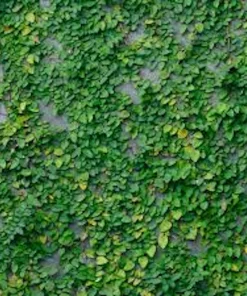
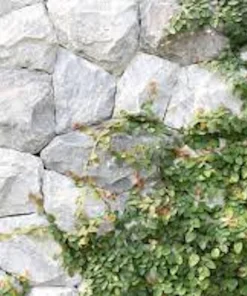

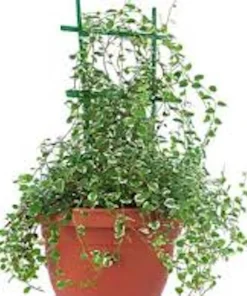
3 Creeping Fig Starter Plants Ficus pumila – Bare Root Live Vine
Original price was: $73.99.$48.99Current price is: $48.99.
Transform your garden with this set of 3 Creeping Fig live plant starters. Ficus pumila is a versatile, fast-growing evergreen vine known for its ability to cling and cover various surfaces, making it an excellent choice for landscaping walls, fences, and trellises. These bare root fig plant specimens are ready to establish quickly in your outdoor space.
Estimated arrival
Sep 29
Oct 04 - Oct 06
Oct 09 - Oct 13
Shop With Confidence
30-Day Plant Health Guarantee
Arrives damaged? We’ll replace it free — see our return policy.
Responsive Support
Email us anytime, we reply within 1 business day.
Expert Packaging
Temperature-controlled shipping to protect your plants in transit.
Secure Checkout
Pay safely with Visa, Mastercard, PayPal.
Plant Specifications
-
USDA Hardiness Zone
USDA zones 8-11 -
Soil Type
Moist, well-draining soil, rich in organic matter -
Sunlight Exposure
Full sun to partial shade (prefers partial shade) -
Expected Planting Period
Spring to early summer
Overview
Introduce lush greenery and architectural interest to your outdoor spaces with this offering of 3 Creeping Fig live plant starters. Scientifically known as Ficus pumila, the Creeping Fig is a remarkable, fast-growing evergreen vine renowned for its tenacious climbing ability and dense foliage. Perfect for creating living walls, softening hardscapes, or adding texture to trellises, these bare root fig plant specimens provide an immediate solution for covering unsightly areas or enhancing garden aesthetics. The juvenile foliage is delicate and heart-shaped, maturing into larger, more leathery leaves, offering a dynamic visual appeal throughout the seasons. This resilient ficus pumila vine is an excellent choice for gardeners seeking an easy-to-maintain and effective groundcover or climbing plant.
Key Benefits
The creeping fig live plant offers a multitude of benefits for various landscaping needs, making it a highly desirable addition to any garden:
-
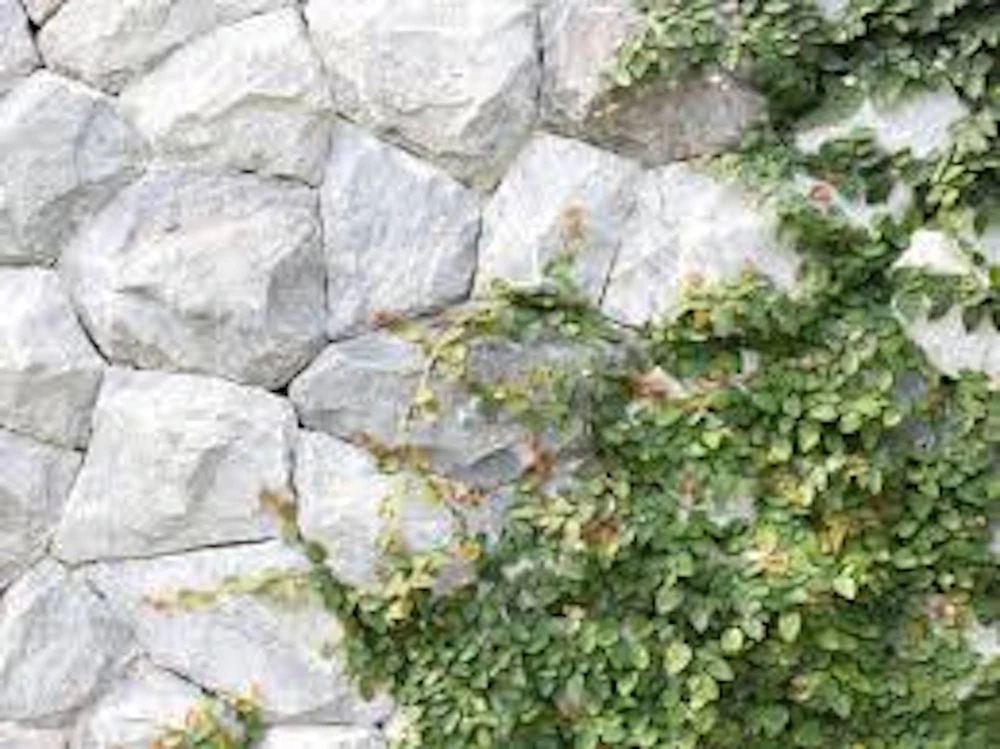
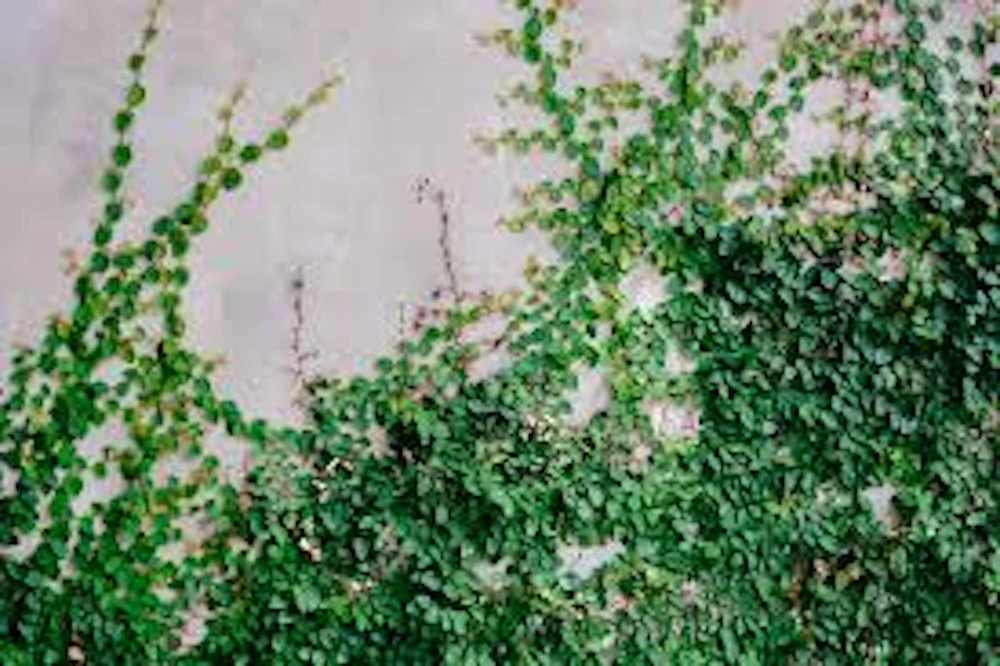
Exceptional Climbing Ability:Ficus pumila is famous for its self-clinging nature, using aerial rootlets to adhere to almost any surface, including brick, concrete, and wood. This makes it ideal for covering walls, fences, and structures without extensive support systems.
-
Rapid Growth and Coverage: Known as a fast growing vine, the Creeping Fig quickly establishes itself and spreads, providing dense, evergreen coverage in a relatively short period, perfect for instant landscaping impact.
-
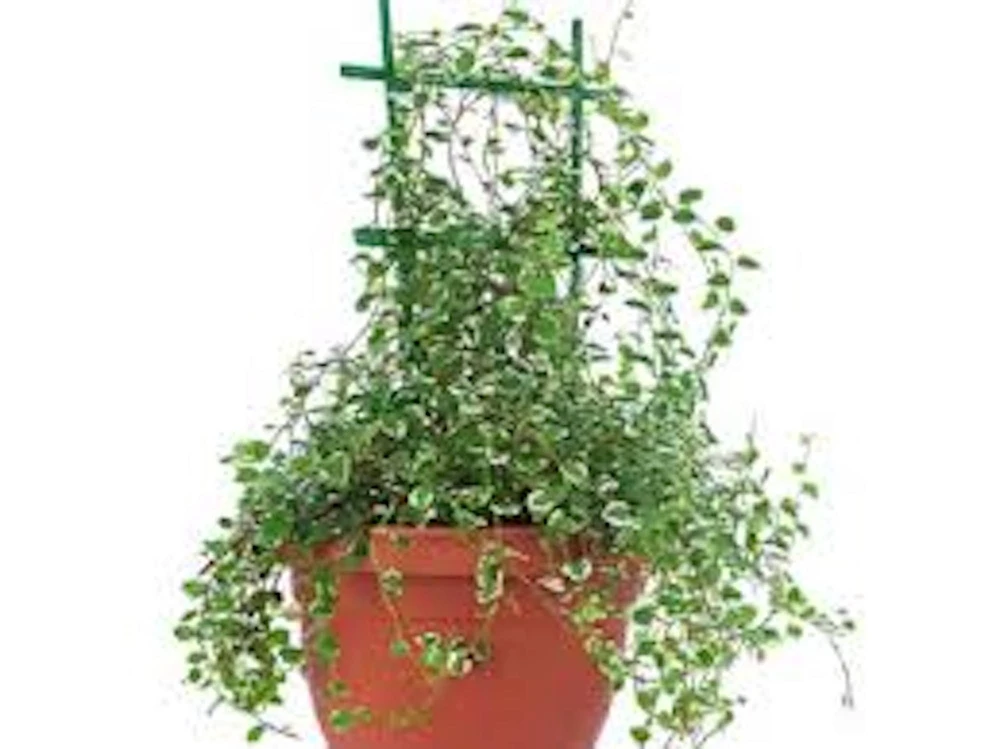
Versatile Landscaping Solution: Whether you need a lush groundcover, a wall climber, or an accent for trellises and arbors, this plant adapts beautifully to various roles in your garden design, offering flexible aesthetic options.
-
Low Maintenance: Once established, the creeping fig live plant is relatively easy to care for, requiring minimal attention beyond occasional watering and pruning to maintain its desired shape and size.
-
Evergreen Foliage: Enjoy year-round greenery with its persistent leaves, providing continuous visual interest and a vibrant backdrop even during colder months.
-
Drought Tolerance: After its initial establishment period, the ficus pumila vine demonstrates improved resistance to drought, making it a water-wise choice for many climates.
-
Adaptable to Light Conditions: It tolerates a range of light exposures from full sun to partial shade, though it thrives best in partial shade or filtered light, allowing for placement in diverse garden settings.
Plant Care & Growing Tips
Caring for your creeping fig live plant is straightforward, especially once it has established a strong root system. These plants are shipped as bare root fig plant specimens, meaning they should be planted as soon as possible upon arrival. For optimal growth, choose a location that receives partial shade to filtered light; while it can tolerate full sun, it generally performs better with some protection from intense afternoon sun. Ensure the soil is consistently moist but well-drained, and rich in organic matter. The Creeping Fig is not particular about soil type or pH, making it adaptable to most garden soils.
During the first year after planting, regular and thorough watering is crucial to help the vine establish its roots. Keep the soil consistently moist but avoid waterlogging. Once mature, the ficus pumila vine becomes more drought-tolerant, but continued regular watering during dry spells will promote healthier growth. Fertilization is generally not heavily required, but a balanced, slow-release fertilizer in spring can encourage vigorous growth. Regular pruning is essential to manage its rapid growth and prevent it from encroaching on unwanted areas or damaging structures. Trim dense, mature shoots to encourage the development of the more delicate, juvenile foliage that is often desired for its aesthetic.
The fast growing vine thrives in USDA Zones 8-11, preferring warmer climates. Protect young plants from frost if you are in a borderline zone. Monitor for common pests like scale or mealybugs, though these are generally not severe issues. Good air circulation and proper watering practices will help prevent fungal diseases.
Size & Details
This offering includes 3 Creeping Fig starter plants, provided as bare root specimens. These live plants are ready for immediate planting and will quickly establish themselves in your landscape. While their initial size will be modest, the Ficus pumila is known for its vigorous and fast growing vine habit, capable of reaching significant lengths, often covering large areas. The mature foliage can reach 1-2 inches in length, while the juvenile leaves are smaller and more delicate. Expect rapid spread once established, with vines extending many feet per year under ideal conditions. The plants are shipped without pots to facilitate easier transplanting and establishment directly into your garden or chosen container.
Frequently Asked Questions
-
Q: How big does this Creeping Fig get? A: The creeping fig live plant is a vigorous grower. While individual leaves are small, the vine itself can grow quite long, covering extensive areas like walls and fences, potentially reaching heights of 20-30 feet or more if left unpruned. Its spread is also significant.
-
Q: Is this an indoor or outdoor plant? A: This ficus pumila vine is primarily an outdoor plant, ideal for landscaping. It can be grown indoors in very specific conditions with ample light and humidity, but it typically thrives best in outdoor environments within its hardiness zones.
-
Q: How much sunlight does it need? A: The Creeping Fig tolerates full sun to partial shade. However, it generally performs best and maintains healthier foliage in partial shade or areas with filtered sunlight, especially in hotter climates.
-
Q: Is this plant easy to care for? A: Yes, once established, the creeping fig live plant is considered relatively easy to care for. It requires consistent watering during its first year, but then becomes more drought-tolerant. Regular pruning is the main ongoing maintenance to control its rapid growth.
-
Q: What condition will the bare root fig plant arrive in? A: Your bare root fig plant starters will arrive without soil or a pot, with their roots carefully packed to retain moisture. Plant them as soon as possible upon receipt to ensure successful establishment.
-
Q: When is the best time to plant Creeping Fig? A: The best time to plant Creeping Fig is in the spring or early summer, allowing the plant ample time to establish its root system before the colder months. This gives the fast growing vine a good head start.
-
Q: Will it survive winter in my zone? A: Creeping Fig is hardy in USDA Zones 8-11. If you are in a colder zone, it may not survive winter outdoors without significant protection or may need to be grown as an annual or in containers that can be brought indoors.
-
Q: Can the Creeping Fig damage structures? A: Due to its strong clinging ability, the ficus pumila vine can potentially damage painted surfaces, wood, or mortar over time if not regularly pruned and managed. It’s best to allow it to grow on robust, well-maintained structures.
-
Q: What kind of soil does it prefer? A: The Creeping Fig prefers moist, well-draining soil that is rich in organic matter. It is not overly particular about soil type or pH, making it adaptable to many garden conditions.
-
Q: Does this plant have flowers or fruit? A: While Ficus pumila does produce small, inconspicuous flowers and fig-like fruits, they are generally not the primary ornamental feature. The plant is primarily grown for its dense, evergreen foliage and climbing habit.
Be the first to review “3 Creeping Fig Starter Plants Ficus pumila – Bare Root Live Vine”
People Also Viewed

Trees
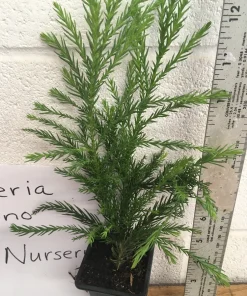
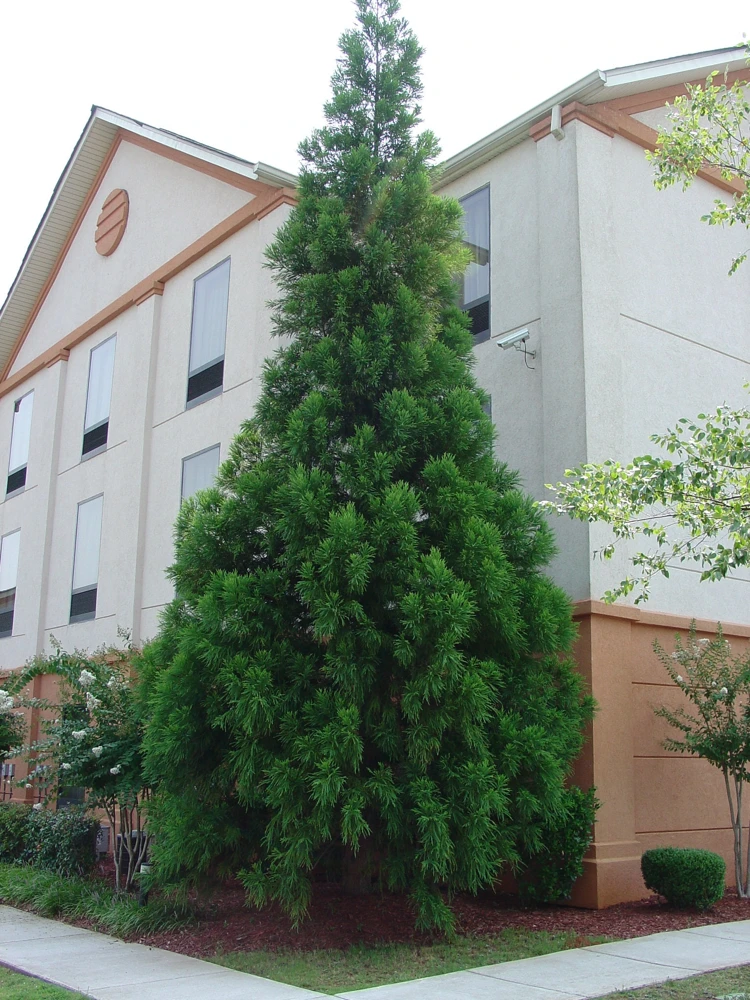
Cryptomeria Yoshino Japanese Cedar Live Plant – 6-10 inches Tall in Quart Pot – Evergreen Tree

Reviews
There are no reviews yet.