
25 Cardoon Seeds – Cynara Cardunculus Artichoke Thistle Perennial Vegetable
Original price was: $37.99.$17.99Current price is: $17.99.
Cultivate a unique and delicious perennial vegetable with these 25 Cardoon seeds. Also known as Cynara cardunculus or Artichoke Thistle, this plant offers both culinary delight and striking ornamental appeal. Perfect for gardeners looking to grow cardoon for its edible stalks and beautiful thistle-like flowers.
Estimated arrival
Sep 17
Sep 22 - Sep 24
Sep 27 - Oct 01
Shop With Confidence
30-Day Plant Health Guarantee
Arrives damaged? We’ll replace it free — see our return policy.
Responsive Support
Email us anytime, we reply within 1 business day.
Expert Packaging
Temperature-controlled shipping to protect your plants in transit.
Secure Checkout
Pay safely with Visa, Mastercard, PayPal.
Plant Specifications
-
USDA Hardiness Zone
USDA zones 7-10 (perennial), zones 6 and below (annual) -
Soil Type
Fertile, well-draining soil rich in organic matter -
Sunlight Exposure
Full sun (6-8+ hours daily) -
Expected Planting Period
Spring (indoors 6-8 weeks before last frost, or direct sow after last frost)
Overview
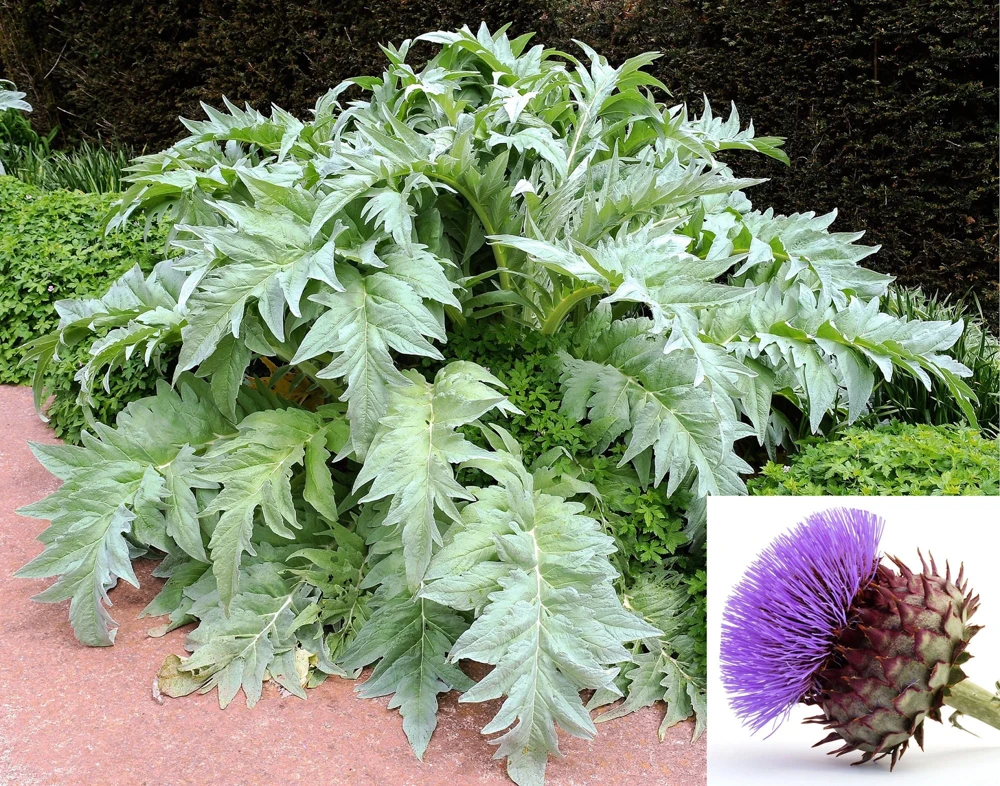
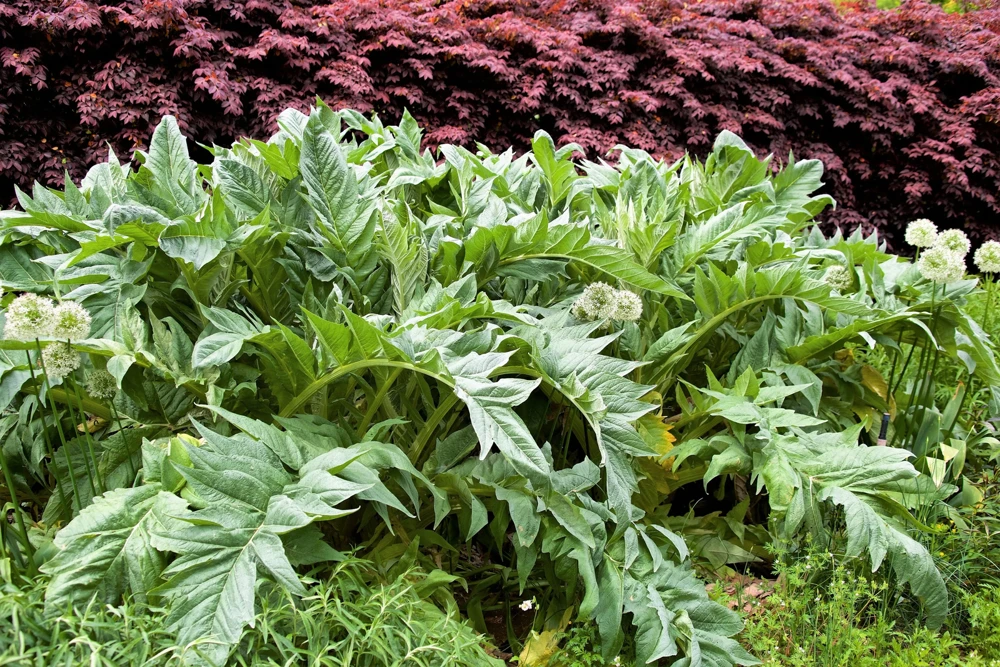
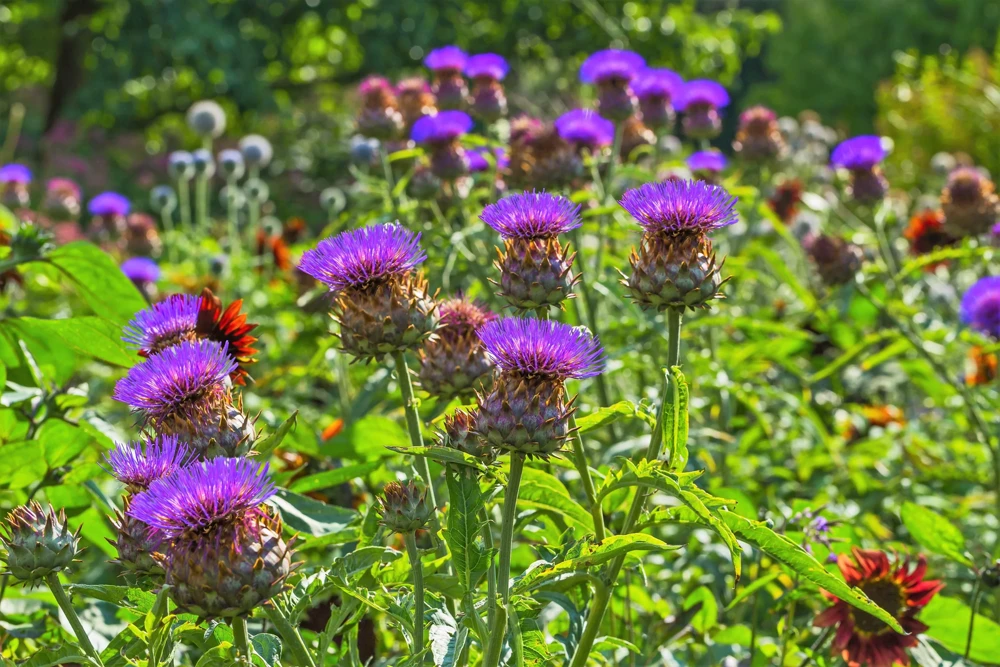
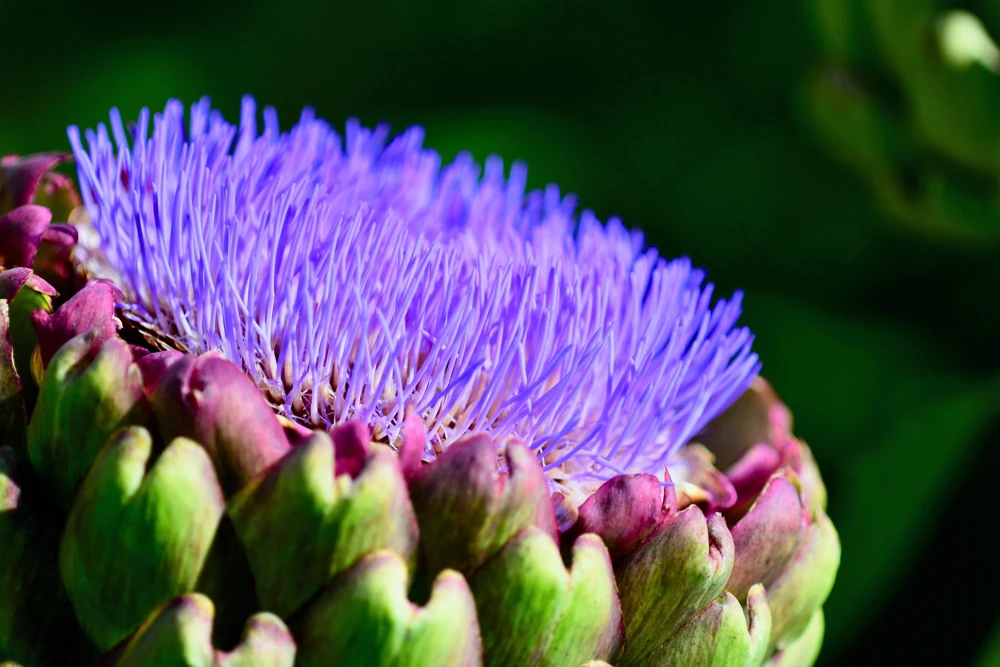
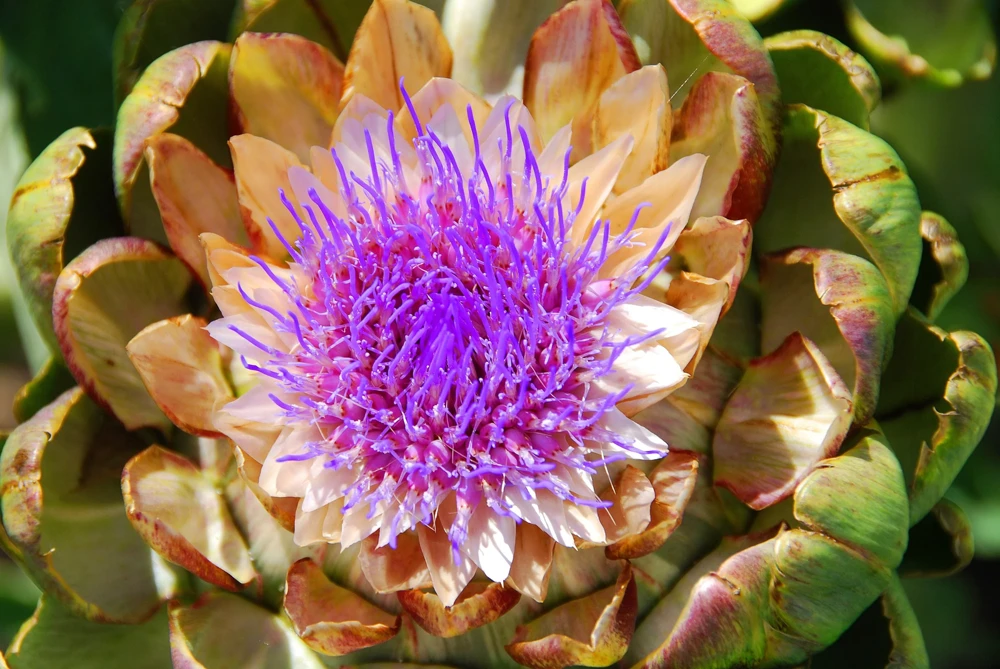
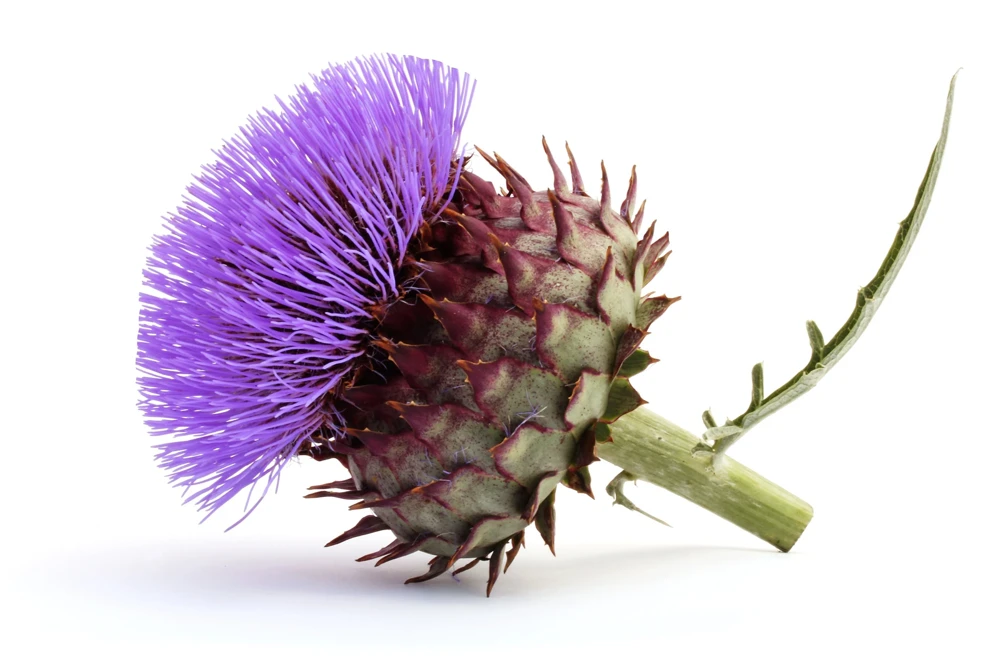
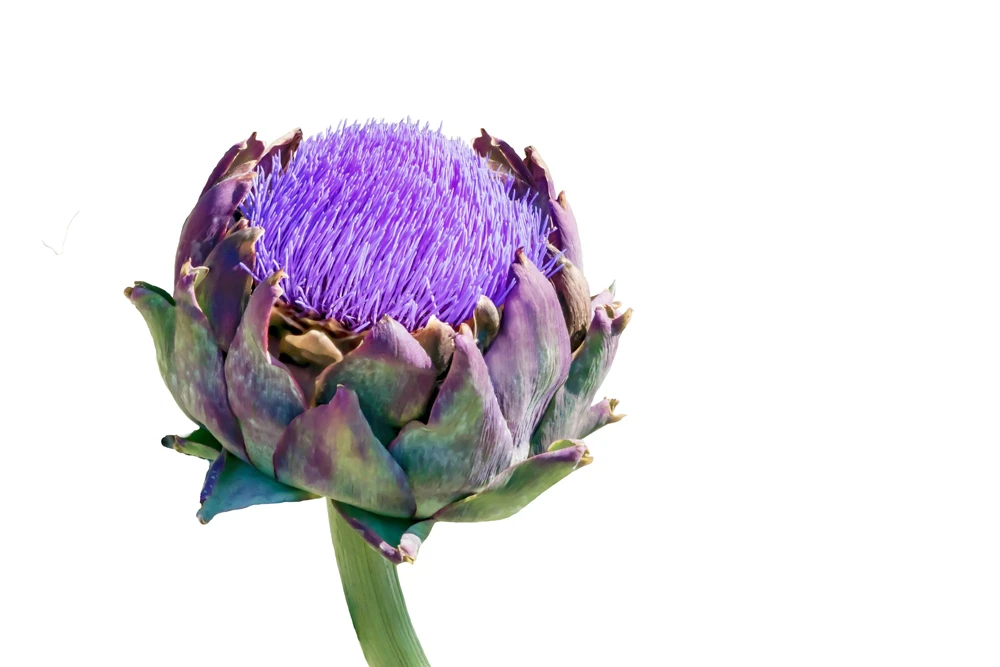
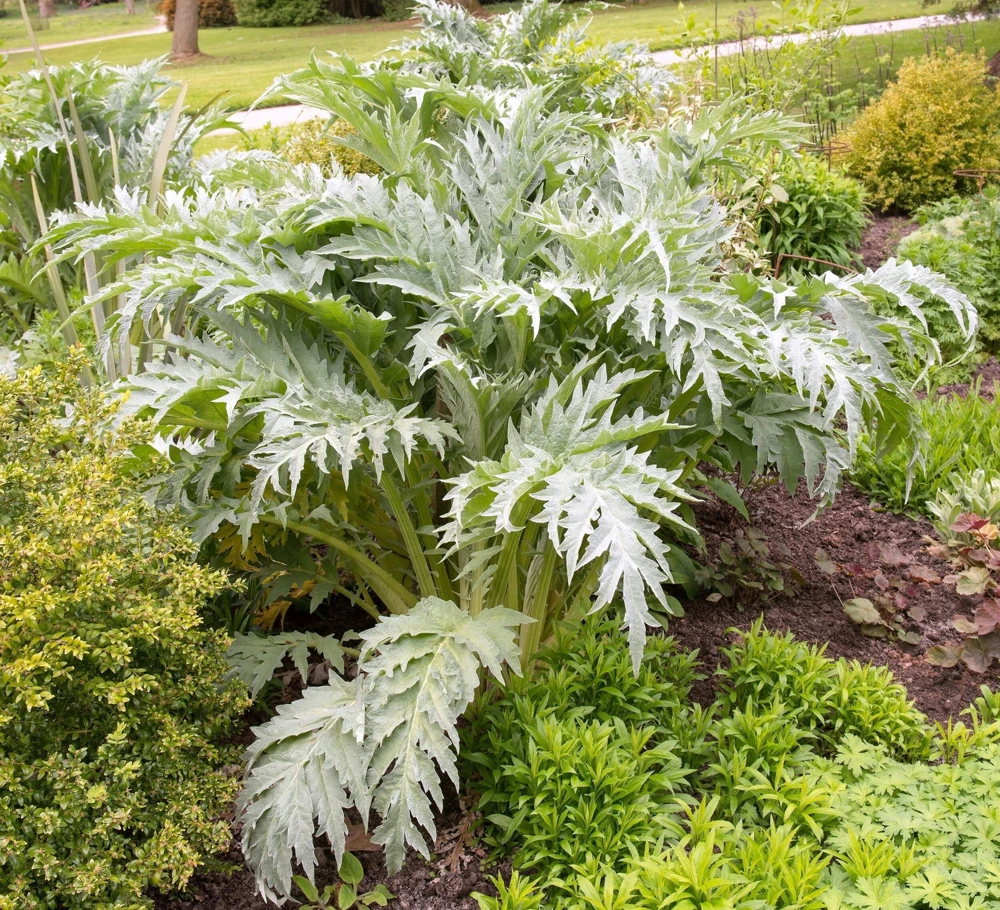
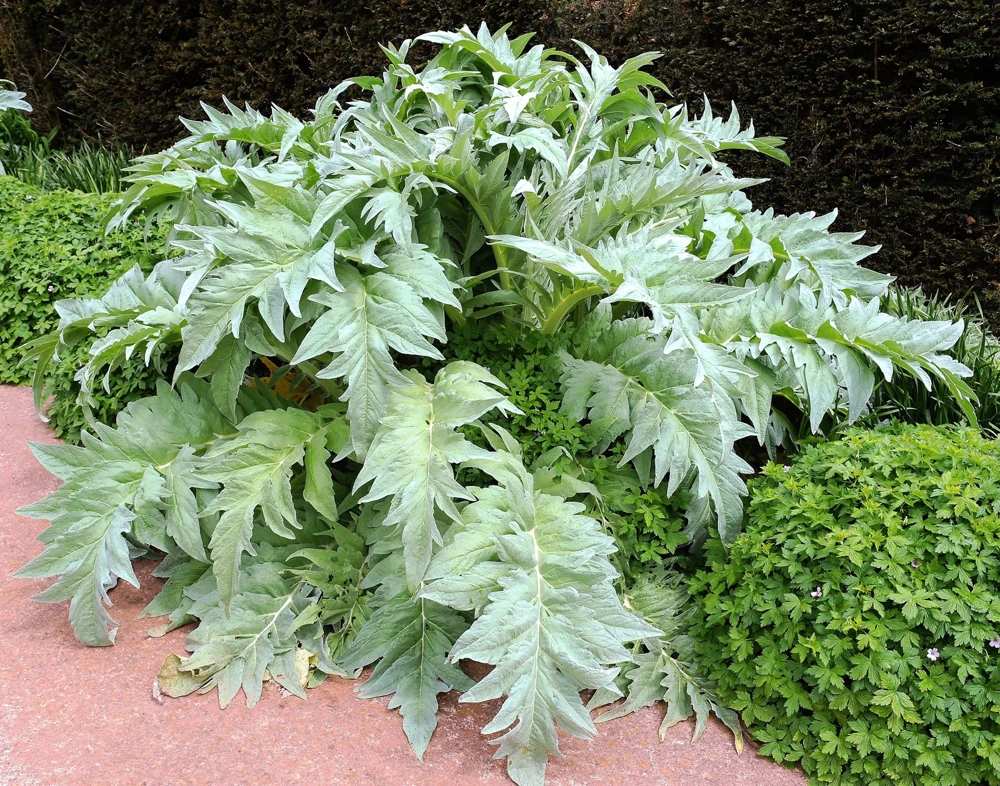
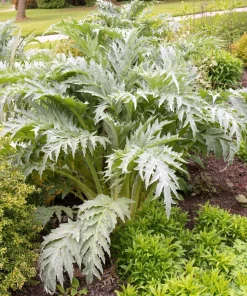
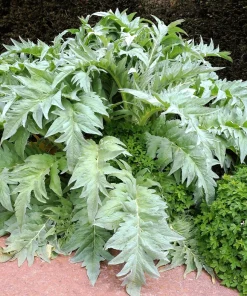
Discover the joy of growing your own gourmet vegetables with our premium pack of cardoon seeds. Each packet contains 25 Cardoon Cynara Cardunculus Artichoke Thistle Perennial Edible Vegetable Seeds, ready to transform your garden into a culinary and ornamental haven. Cardoon, scientifically known as Cynara cardunculus, is a close relative of the artichoke, prized for its edible leaf stalks that offer a distinctive, slightly bitter, and earthy flavor. Beyond its culinary applications, this majestic plant boasts striking silvery-green foliage and beautiful, thistle-like purple flowers, making it an excellent choice for adding architectural interest to your garden landscape. Whether you’re an experienced gardener or just starting out, growing cardoon from seed is a rewarding experience that yields both delicious produce and a visually stunning plant.
Our cardoon seeds are carefully selected to ensure high germination rates, providing you with the best possible start for a successful harvest. This perennial vegetable is known for its robust growth and ability to thrive in various conditions, making it a resilient addition to your edible garden. Embrace the opportunity to cultivate a unique ingredient that will impress your family and friends, all while enjoying the beauty of this remarkable plant.
Key Benefits
Growing cardoon offers a multitude of benefits, from its unique culinary uses to its ornamental value. Here are some compelling reasons to add these cardoon seeds to your garden:
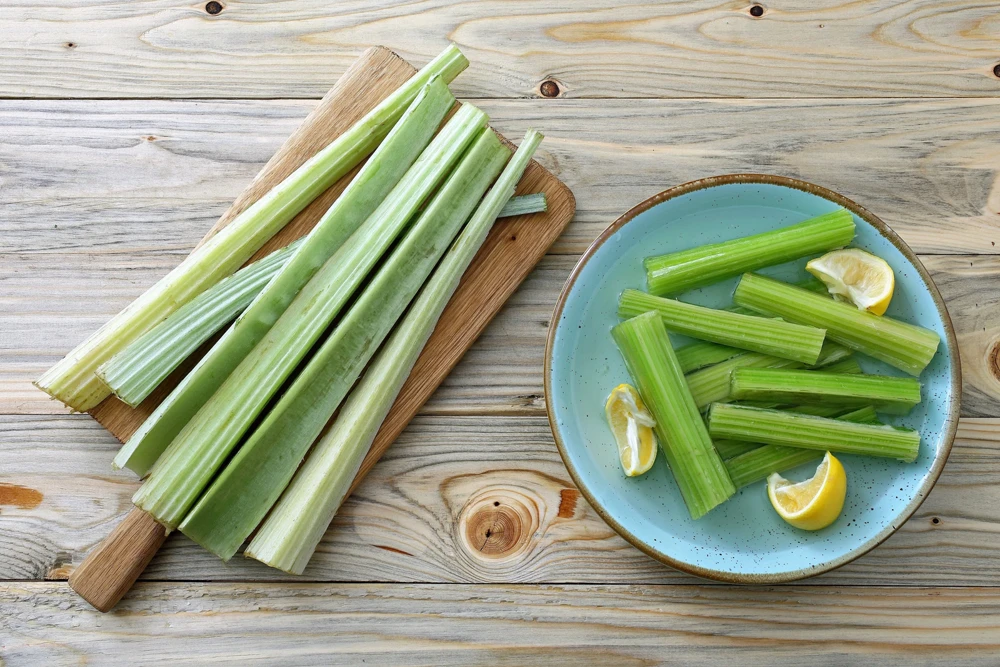
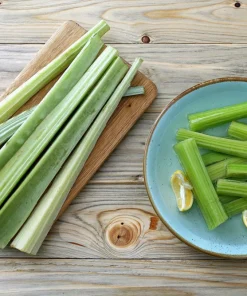
- Culinary Delicacy: The blanched leaf stalks of cardoon are a gourmet delight, often compared to artichoke hearts. They can be boiled, braised, fried, or used in stews, adding a unique flavor to Mediterranean and European cuisines. Learning to grow cardoon allows you to enjoy this specialty vegetable fresh from your garden.
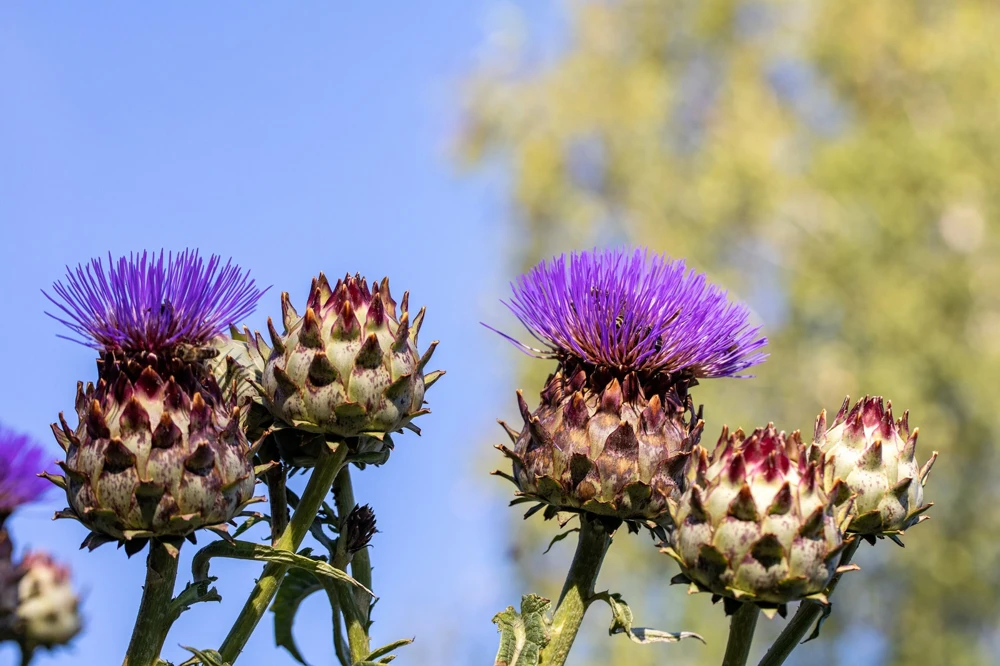
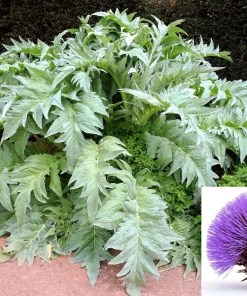
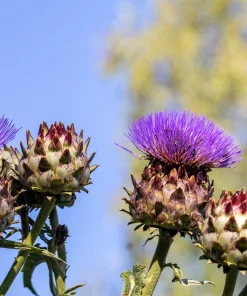
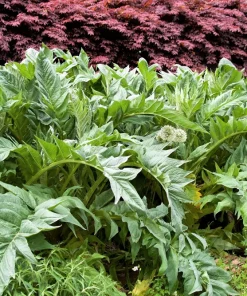
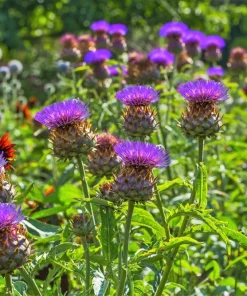
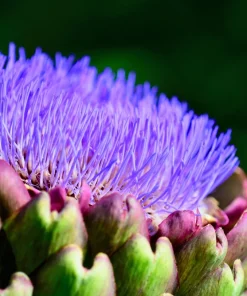
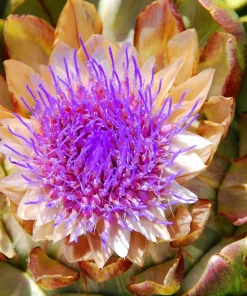
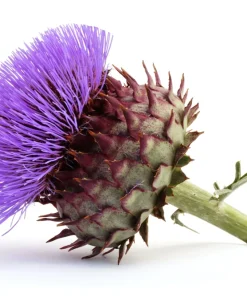
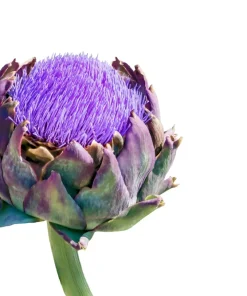
- Stunning Ornamental Plant: Even if not grown for food, the large, silvery, deeply lobed leaves and tall, thistle-like purple flowers of Cynara cardunculus make it a magnificent specimen plant. It adds dramatic height and texture to borders, cottage gardens, or as a focal point.
- Perennial Growth: As a perennial, cardoon returns year after year in suitable climates, providing continuous harvests and beauty without the need for annual replanting. This makes it a sustainable and low-effort choice for long-term garden enjoyment.
- Attracts Pollinators: The beautiful purple flowers are a magnet for bees and other beneficial pollinators, contributing to the health and biodiversity of your garden ecosystem.
- Drought Tolerant: Once established, cardoon is relatively drought-tolerant, making it a good option for water-wise gardening. This resilience makes it easier to maintain than many other vegetable crops.
- Nutrient-Rich: Like its artichoke cousin, cardoon is a good source of fiber, vitamins, and minerals, making it a healthy addition to your diet.
Plant Care & Growing Tips
Successful cultivation of Cynara cardunculus begins with proper planting and consistent care. To grow cardoon effectively, choose a site with full sun, meaning at least 6-8 hours of direct sunlight per day. Good air circulation is also important to prevent fungal diseases. The ideal soil for cardoon is fertile, well-draining, and rich in organic matter. Amend heavy clay soils with compost or sand to improve drainage, and sandy soils with compost to enhance water retention and nutrient availability. A slightly acidic to neutral pH (6.0-7.0) is generally preferred.
Sow your cardoon seeds indoors 6-8 weeks before the last frost date in your area, or directly outdoors after all danger of frost has passed. Plant seeds about ½ inch deep and 6 inches apart, thinning seedlings to 2-3 feet apart once they are established. Cardoon plants grow quite large, so ample spacing is crucial. Water regularly, especially during dry spells, to keep the soil consistently moist but not waterlogged. Deep watering encourages a strong root system. Fertilize with a balanced organic fertilizer every 4-6 weeks during the growing season to support its vigorous growth. Blanching the stalks before harvest, by wrapping them in burlap or paper for 3-4 weeks, helps tenderize them and reduce bitterness, enhancing their palatability for culinary use as an edible thistle.
In colder climates, cardoon can be grown as an annual or overwintered with heavy mulching. Protect young plants from pests like aphids and slugs with organic deterrents. Keep an eye out for common garden diseases, ensuring good air circulation and avoiding overhead watering when possible. Proper care will ensure a bountiful harvest of this unique artichoke thistle seeds plant.
Size & Details
This offering includes 25 Cardoon seeds, providing a generous quantity to start your garden. Each seed has the potential to grow into a large, impressive plant, typically reaching heights of 3-5 feet (90-150 cm) and spreading 2-3 feet (60-90 cm) wide. The plants exhibit a moderate to fast growth rate, quickly developing their distinctive silvery foliage. Cardoon is a perennial vegetable, meaning it will return year after year in USDA hardiness zones 7-10. In colder zones, it can be grown as an annual or protected over winter. The seeds are shipped in a protective packet, ensuring their viability upon arrival. Expect germination within 7-14 days under optimal conditions, with mature plants ready for harvest of their blanched stalks in late summer to fall, usually 120-150 days from seeding. The dramatic purple flowers typically appear in the second year of growth if grown as a perennial.
Frequently Asked Questions
- Q: How big does this plant get? A: Cynara cardunculus can grow quite large, typically reaching 3-5 feet tall and 2-3 feet wide. Ensure you provide ample space for its mature size in your garden.
- Q: Is this an indoor or outdoor plant? A: Cardoon is primarily an outdoor plant, thriving in full sun. While seeds can be started indoors, the mature plant needs an outdoor garden setting to flourish.
- Q: How much sunlight does it need? A: Cardoon requires full sun, meaning at least 6-8 hours of direct sunlight daily, to ensure robust growth and good stalk development.
- Q: Is this plant easy to care for? A: Once established, cardoon is relatively low-maintenance. It requires consistent watering and good soil, but its perennial nature makes it a rewarding choice for gardeners looking to grow cardoon.
- Q: What condition will the seeds arrive in? A: Your cardoon seeds will arrive in a well-protected packet, ensuring their quality and viability for planting. We prioritize careful packaging to prevent damage during transit.
- Q: Can I use cardoon in cooking? A: Absolutely! The blanched leaf stalks are a culinary delicacy. They can be prepared in various ways, similar to artichokes, offering a unique bitter and earthy flavor.
- Q: Is cardoon an edible thistle? A: Yes, cardoon is often referred to as an edible thistle. While its appearance is thistle-like, the blanched stems are tender and delicious, making it a prized vegetable.
- Q: How long until it’s ready to harvest? A: Cardoon stalks are typically ready for harvest 120-150 days after planting the artichoke thistle seeds. Blanching for 3-4 weeks before harvest is recommended for best flavor and tenderness.
- Q: When is the best time to plant cardoon seeds? A: For best results, sow cardoon seeds indoors 6-8 weeks before your last frost date, or directly outdoors after all danger of frost has passed in spring.
- Q: Will it survive winter in my zone? A: Cardoon is perennial in USDA zones 7-10. In colder zones (6 and below), it can be grown as an annual or protected over winter with heavy mulching.
Be the first to review “25 Cardoon Seeds – Cynara Cardunculus Artichoke Thistle Perennial Vegetable”
People Also Viewed
Reviews
There are no reviews yet.