
20 Dwarf Munstead Lavender Seeds – English Lavandula Angustifolia, Fragrant Purple Flowers, Zones 5-9
Original price was: $36.99.$16.99Current price is: $16.99.
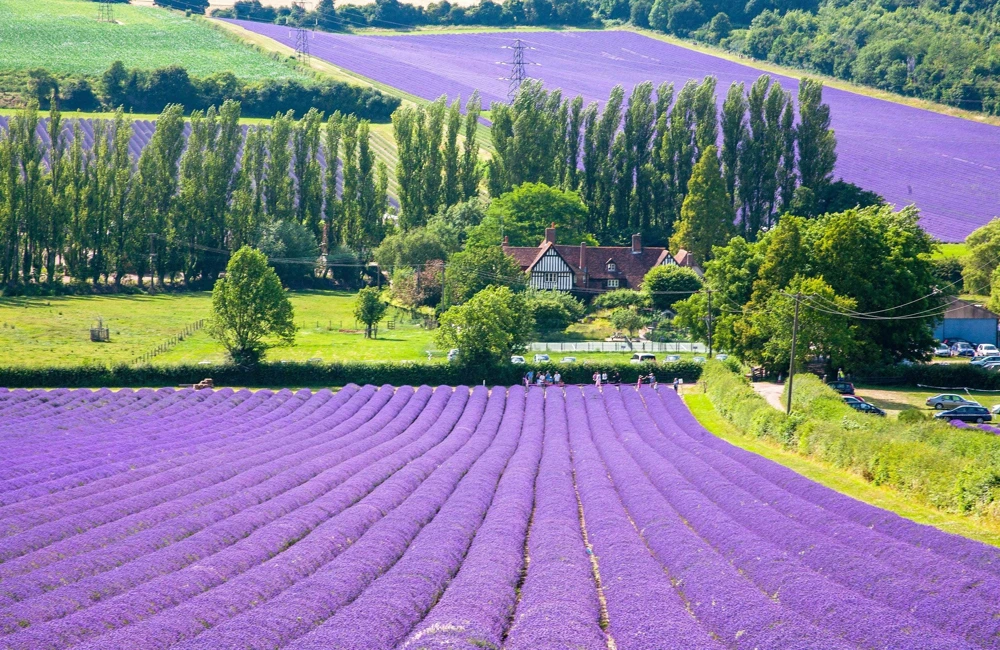
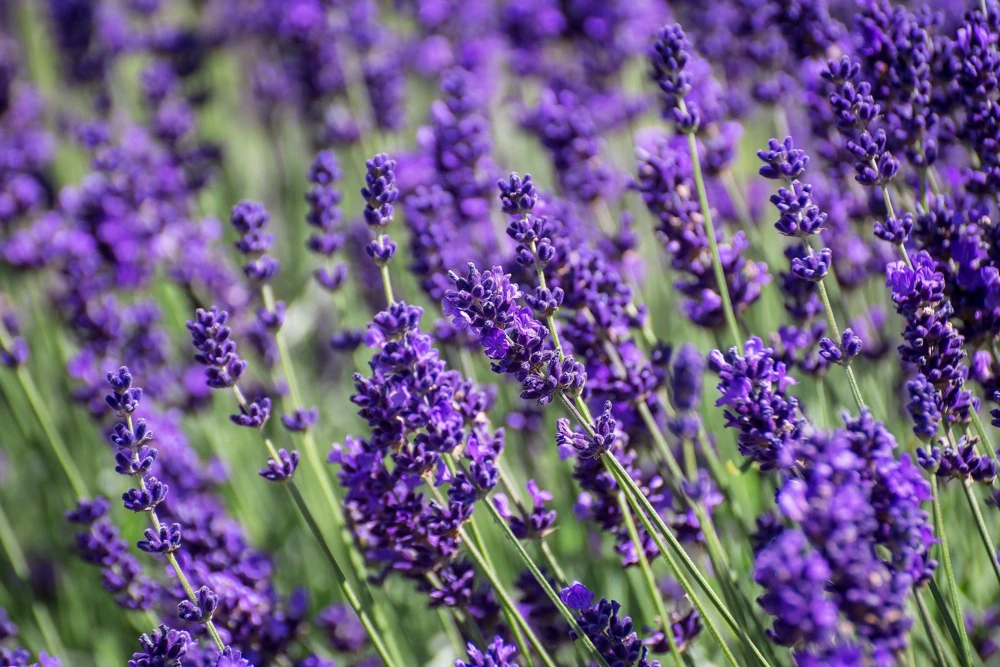
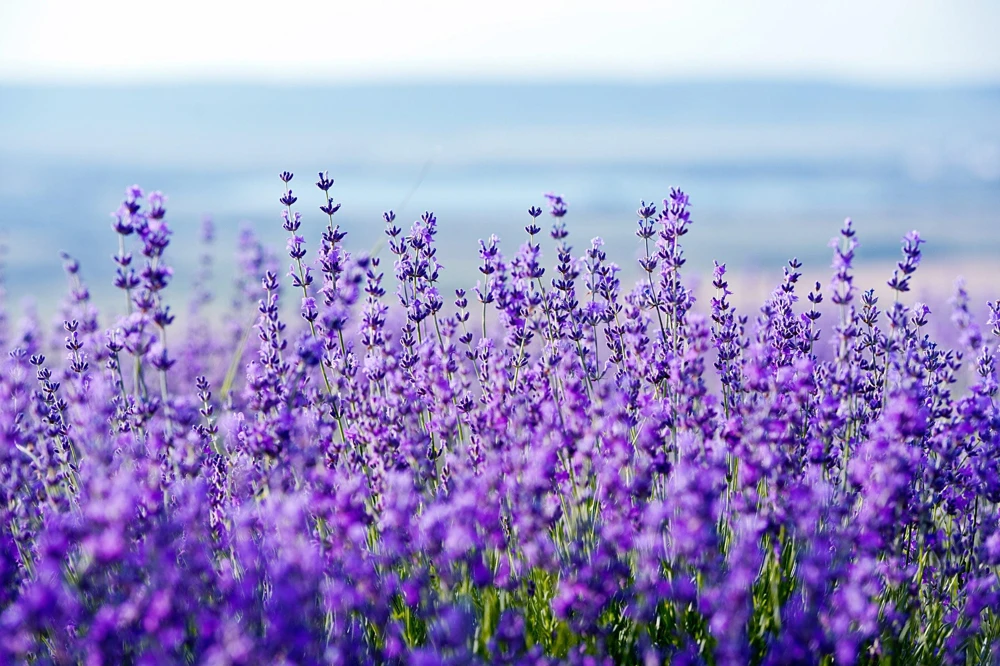
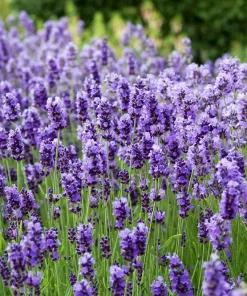
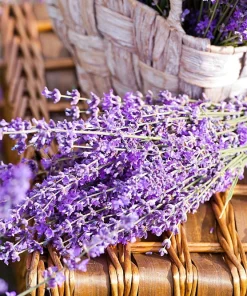
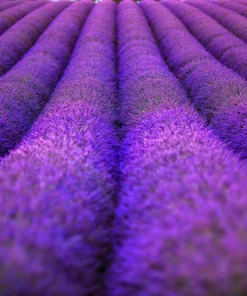
Cultivate fragrant dwarf munstead lavender seeds for a beautiful and aromatic garden. These english lavender seeds produce compact plants with stunning bluish-purple flowers, ideal for borders, rock gardens, and container planting. Enjoy the classic calming scent and versatility of this beloved herb.
Estimated arrival
Sep 14
Sep 19 - Sep 21
Sep 24 - Sep 28
Shop With Confidence
30-Day Plant Health Guarantee
Arrives damaged? We’ll replace it free — see our return policy.
Responsive Support
Email us anytime, we reply within 1 business day.
Expert Packaging
Temperature-controlled shipping to protect your plants in transit.
Secure Checkout
Pay safely with Visa, Mastercard, PayPal.
Plant Specifications
-
USDA Hardiness Zone
5-9 -
Soil Type
Well-draining, sandy or gravelly loam -
Sunlight Exposure
Full sun -
Expected Planting Period
Spring, after cold stratification
Overview
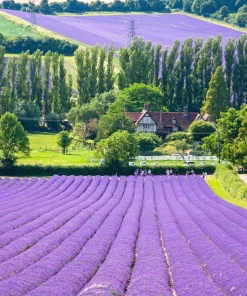
Discover the joy of growing your own aromatic herbs with our premium dwarf munstead lavender seeds. This beloved variety of English Lavender, scientifically known as Lavandula Angustifolia, is renowned for its compact growth habit and intensely fragrant, bluish-purple flowers. Perfect for gardeners seeking a classic, low-maintenance plant, these seeds will help you establish a beautiful, pollinator-friendly haven. The ‘Munstead’ cultivar is particularly cherished for its early and prolific blooming, offering a continuous display of color and scent throughout the summer. Whether you’re an experienced horticulturist or just starting your gardening journey, growing dwarf munstead lavender seeds offers a rewarding experience, transforming your outdoor space into a sensory delight.
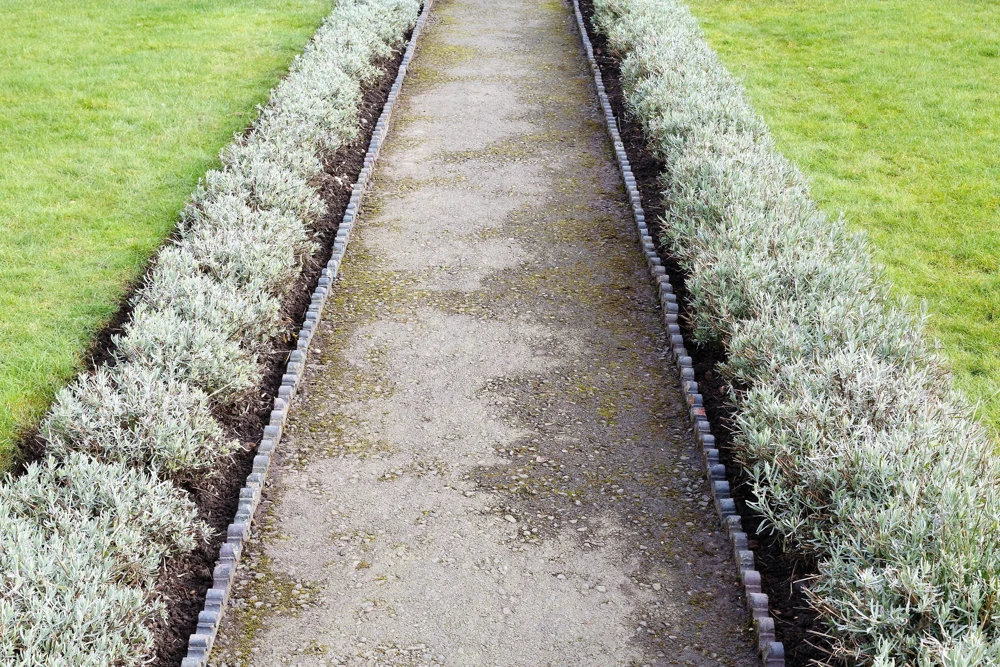
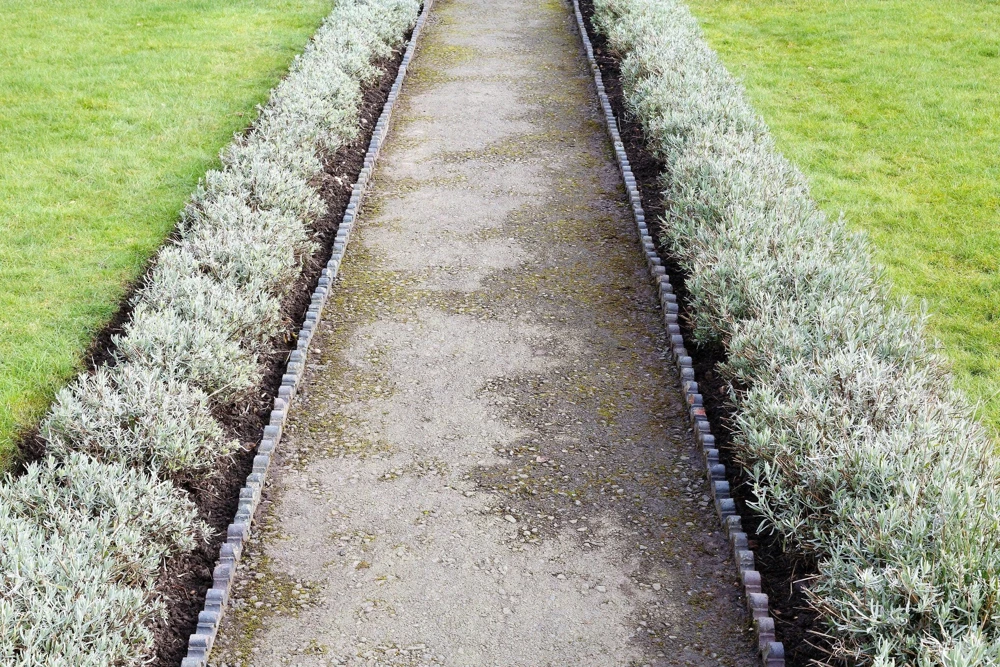
Also known as munstead blue lavender or True English Lavender Munstead, this plant is a versatile addition to any garden. Its silvery-blue-green foliage provides year-round interest, complementing the vibrant purple blooms. The strong, sweet fragrance is not only pleasant but also known to deter pests, making it a natural choice for companion planting. These lavandula angustifolia seeds are an excellent choice for creating fragrant hedges, filling containers, or adding a touch of elegance to herb gardens. Each seed holds the potential for a robust, beautiful plant that will grace your garden for years to come.
Key Benefits
Growing dwarf munstead lavender seeds offers a multitude of benefits, enhancing both the aesthetic and functional aspects of your garden. This resilient plant is celebrated for its ease of care and enduring beauty.
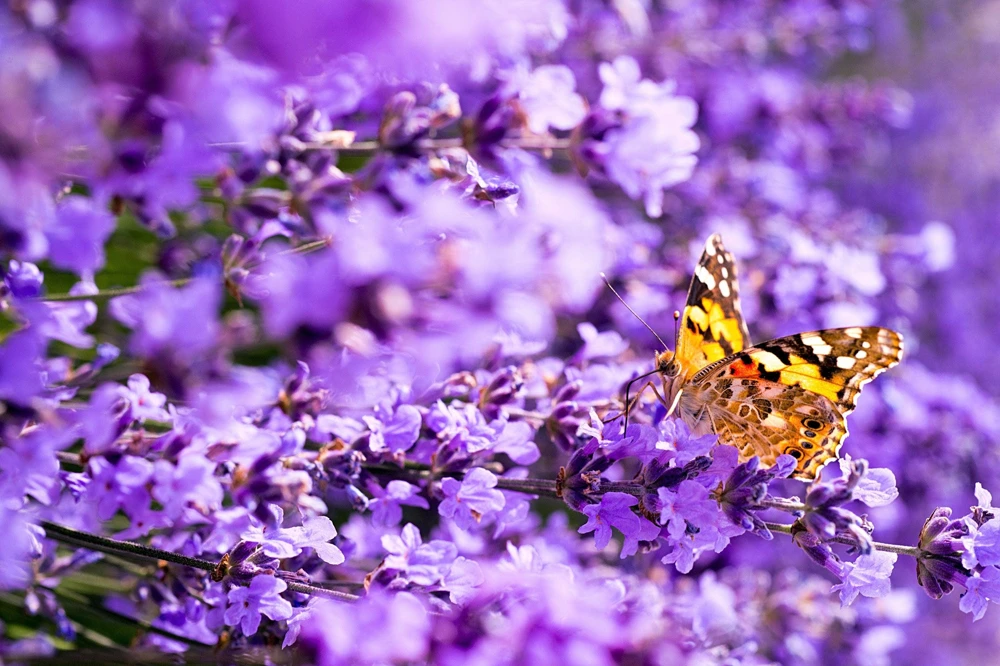
- Aromatic Fragrance: Enjoy the classic, calming scent of English Lavender. The highly fragrant flowers and foliage release a soothing aroma, perfect for relaxation and attracting beneficial pollinators like bees and butterflies to your garden. This makes them ideal for planting near patios or windows.
- Compact Growth Habit: The ‘Munstead’ variety is known for its dwarf and uniform growth, reaching only about 12 inches in height. This makes it an excellent choice for garden edges, rockeries, containers, or mass plantings where a neat and tidy appearance is desired.
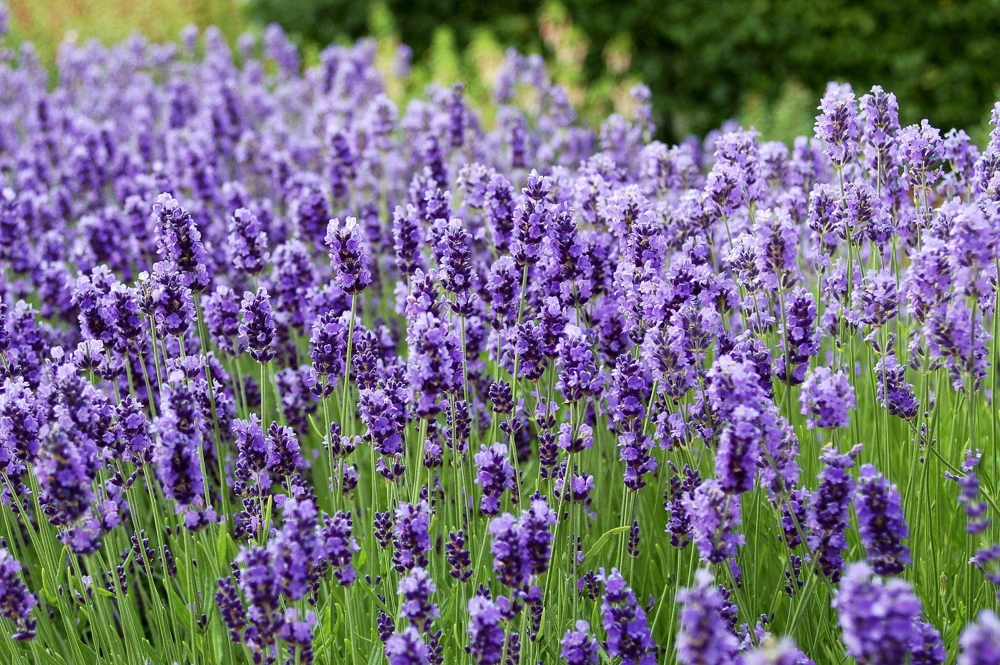
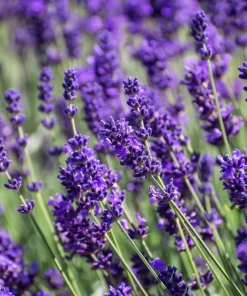
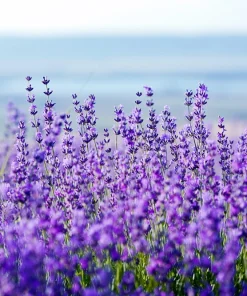
- Beautiful Bluish-Purple Blooms: Adorn your garden with stunning, vibrant bluish-purple flowers that bloom profusely from early summer and can rebloom in late summer. These beautiful spikes add a pop of color and texture to any landscape design.
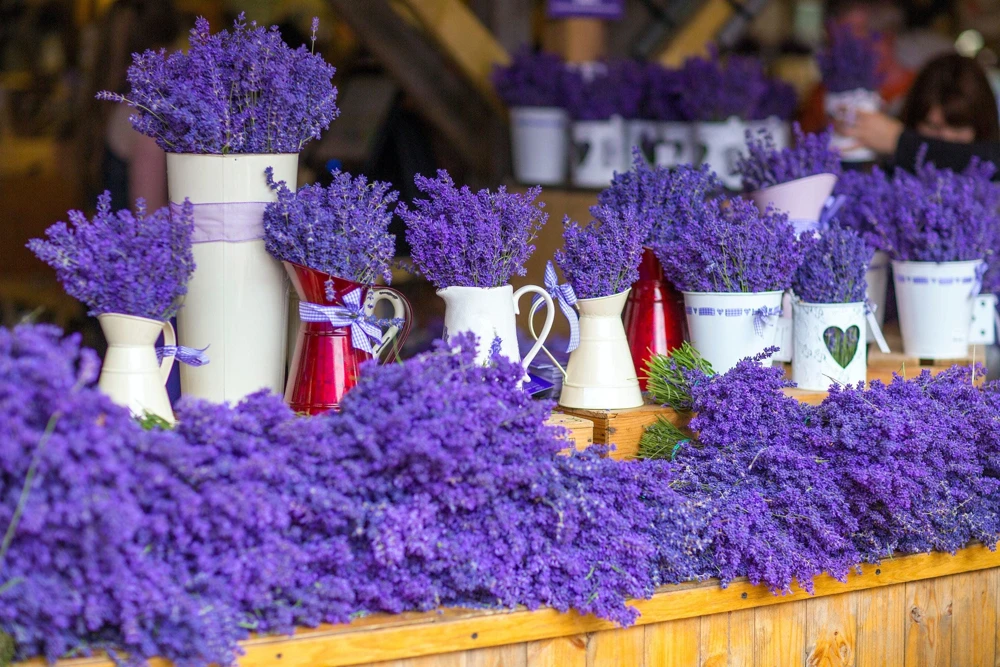
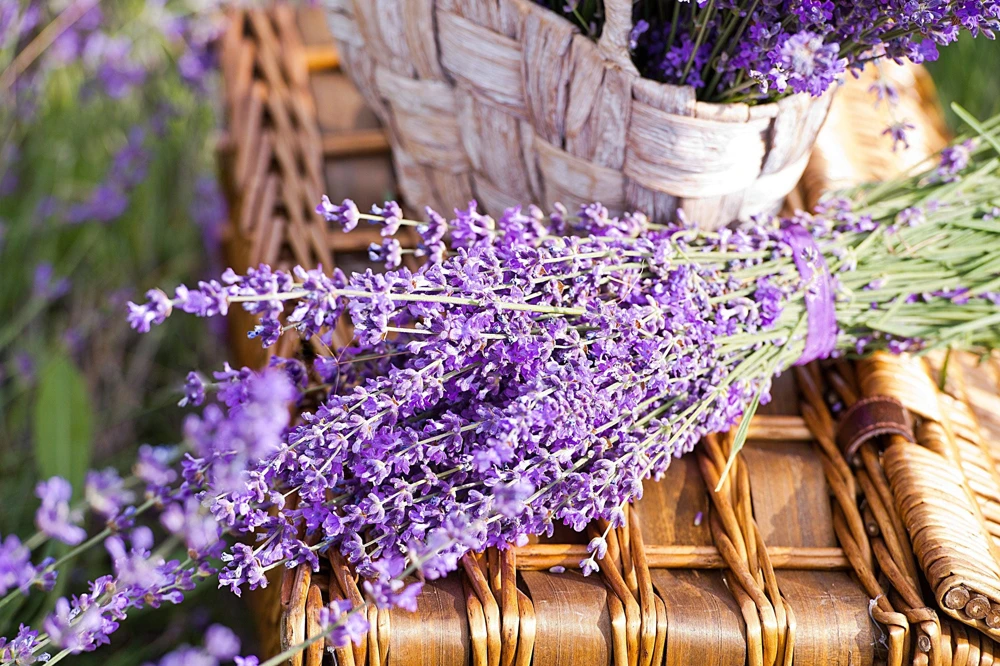
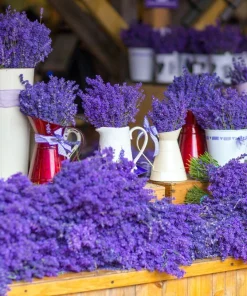
- Culinary & Medicinal Uses: Beyond its beauty, english lavender seeds can produce plants whose flowers and leaves are excellent for culinary applications, such as flavoring desserts, teas, or making herbal sachets. It’s also traditionally used for its calming properties in aromatherapy.
- Drought Tolerant & Low Maintenance: Once established, munstead blue lavender is remarkably drought-tolerant and requires minimal care. It thrives in sunny conditions and well-draining soil, making it a perfect choice for busy gardeners or those in drier climates.
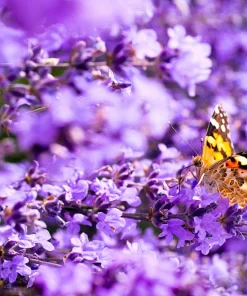
- Pollinator Magnet: These flowers are a favorite of bees, butterflies, and other beneficial insects, contributing to a healthy garden ecosystem and supporting local biodiversity.
- Deer & Rabbit Resistant: The strong scent and taste of lavender tend to deter deer and rabbits, protecting your garden from common pests without the need for chemical repellents.
Plant Care & Growing Tips
Cultivating dwarf munstead lavender seeds requires a few specific steps to ensure successful germination and robust plant growth. Start by cold stratifying the seeds for approximately 3 weeks. This can be done by mixing the seeds with a small amount of damp sand or peat moss in a sealed plastic bag and refrigerating them. After stratification, sow the seeds indoors 8-10 weeks before the last expected frost, or directly outdoors after all danger of frost has passed. Plant the seeds shallowly, as they require light to germinate, and ideally maintain a soil temperature between 65-70°F (18-21°C). Germination typically occurs within 14-28 days.
Once seedlings emerge, provide them with plenty of sunlight. Lavandula angustifolia seeds grow into plants that thrive in full sun, requiring at least 6-8 hours of direct sunlight per day to produce the most vibrant blooms and strongest fragrance. Ensure the soil is well-draining, as lavender is susceptible to root rot in waterlogged conditions. A sandy or gravelly loam with a neutral to slightly alkaline pH is ideal. Water newly planted seedlings regularly to keep the soil consistently moist but not soggy. Once established, lavender is quite drought-tolerant and prefers drier conditions; allow the soil to dry out completely between waterings. Avoid over-fertilizing, as this can lead to lush foliage but fewer flowers. A light application of compost in spring is usually sufficient.
Munstead blue lavender is hardy in USDA Zones 5-9. In colder zones, consider providing winter protection or growing in containers that can be moved indoors. Pruning is essential for maintaining a compact shape and encouraging continuous blooming. After the first flush of flowers, trim back about one-third of the plant, avoiding cutting into old wood. This will promote a second bloom later in the season. Proper spacing of 12-15 inches between plants ensures good air circulation, which helps prevent fungal diseases. Keep an eye out for common pests like spittlebugs, though lavender is generally quite pest-resistant.
Size & Details
This offering includes a packet of 20 dwarf munstead lavender seeds, providing ample opportunity to establish a beautiful patch of this classic English herb. The plants typically reach a mature height of approximately 12 inches with a spread of 12-15 inches, creating a neat, mounded form. ‘Munstead’ lavender is known for its relatively fast growth rate, with plants often blooming in their first year if started early indoors. The first flush of fragrant bluish-purple flowers appears in early summer, and with proper deadheading, a second bloom can occur in late summer, extending the season of enjoyment. These fragrant flower seeds are packaged to ensure viability and are ready for planting after the recommended cold stratification period.
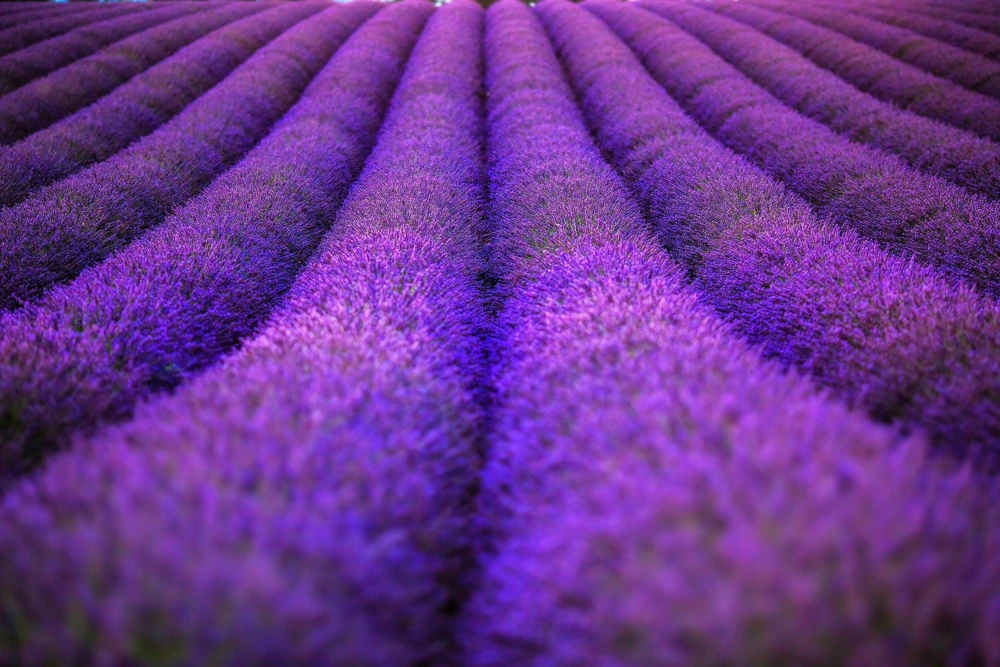
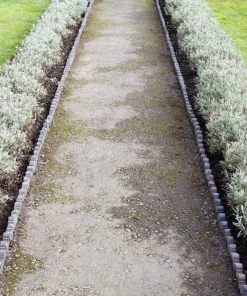
The resulting plants are perfect for various garden applications, from formal hedges and informal borders to fragrant container displays. Their compact size makes them suitable for smaller gardens or for growing in pots on patios and balconies. Each seed holds the potential to grow into a robust and beautiful specimen of lavandula angustifolia seeds, providing years of aromatic pleasure and visual appeal.
Frequently Asked Questions
- Q: How many Dwarf Munstead Lavender seeds are included? A: This package contains 20 dwarf munstead lavender seeds, offering a good quantity to start a new garden bed or several potted plants.
- Q: Is this an indoor or outdoor plant? A: While typically grown outdoors, especially in its hardiness zones, english lavender seeds can be started indoors and then transplanted. Mature plants thrive outdoors in full sun.
- Q: How much sunlight does Dwarf Munstead Lavender need? A: This lavender variety requires full sun exposure, meaning at least 6-8 hours of direct sunlight daily, to produce the best blooms and strongest fragrance.
- Q: What is the best time to plant these seeds? A: After a 3-week cold stratification period, sow the seeds indoors 8-10 weeks before the last frost, or directly outdoors once all danger of frost has passed in spring.
- Q: Is this plant easy to care for? A: Yes, munstead blue lavender is considered low-maintenance once established, being drought-tolerant and relatively pest-free. It’s a great choice for beginners and experienced gardeners alike.
- Q: How tall do Dwarf Munstead Lavender plants get? A: These plants typically grow to a compact height of about 12 inches, making them ideal for borders and containers.
- Q: Can I use the flowers for culinary purposes? A: Absolutely! The flowers from lavandula angustifolia seeds are perfect for culinary uses like flavoring teas, baked goods, or making herbal infusions.
- Q: What USDA Hardiness Zones are suitable for this lavender? A: Dwarf Munstead Lavender is hardy in USDA Zones 5-9, meaning it can tolerate winter temperatures down to -20°F (-28°C) in these regions.
- Q: How long does it take for the seeds to germinate? A: After cold stratification, germination usually occurs within 14-28 days, depending on conditions.
- Q: Do these plants attract pollinators? A: Yes, these fragrant flower seeds produce plants that are highly attractive to bees, butterflies, and other beneficial pollinators, enhancing your garden’s ecosystem.
Be the first to review “20 Dwarf Munstead Lavender Seeds – English Lavandula Angustifolia, Fragrant Purple Flowers, Zones 5-9”
People Also Viewed
Reviews
There are no reviews yet.