
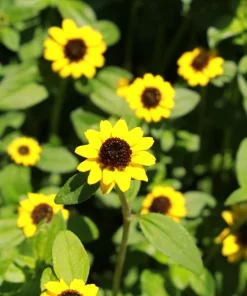
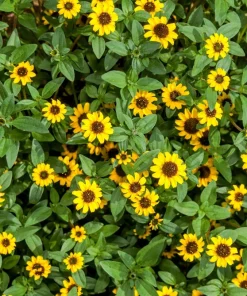
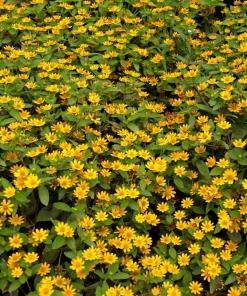
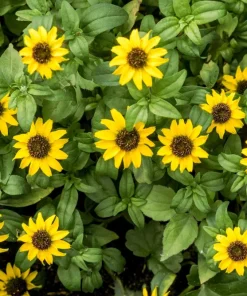
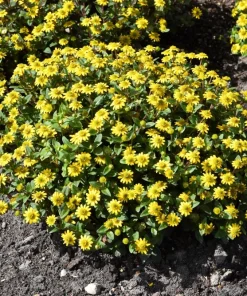
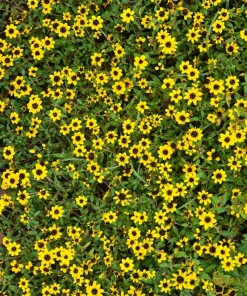
150 Yellow Creeping Zinnia Seeds – Sanvitalia Procumbens – Low Growing Flower
Original price was: $36.99.$16.99Current price is: $16.99.
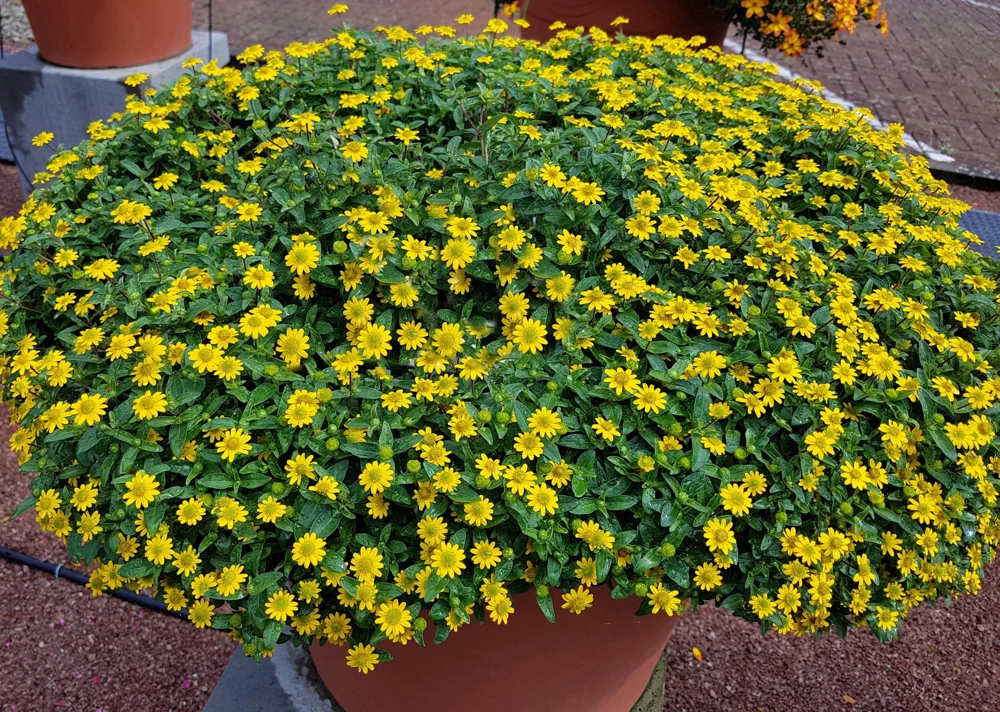
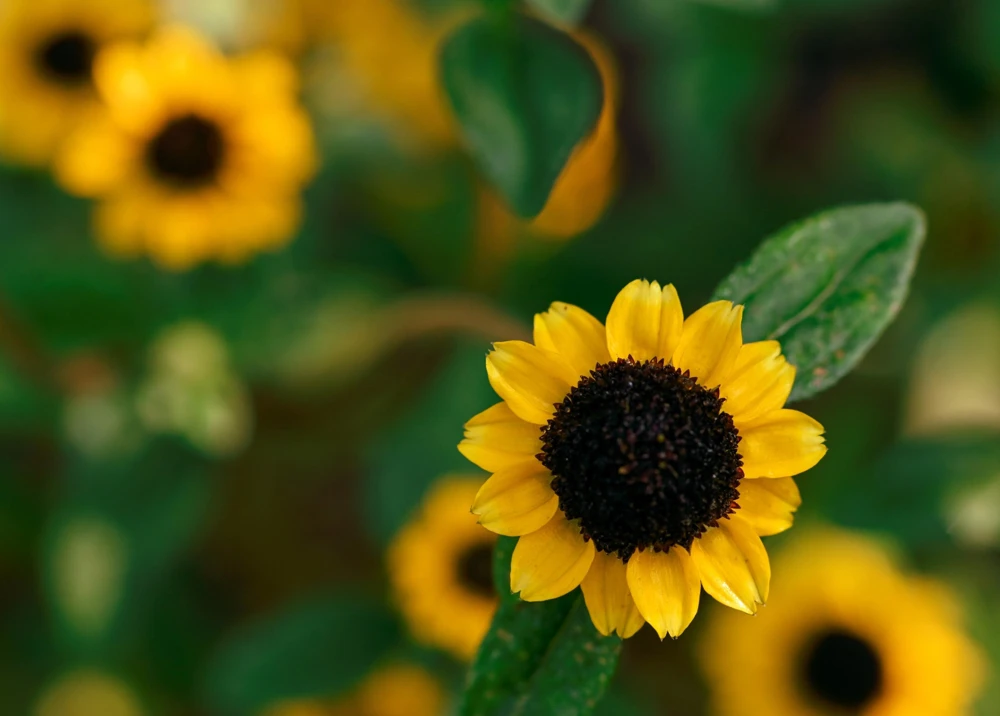
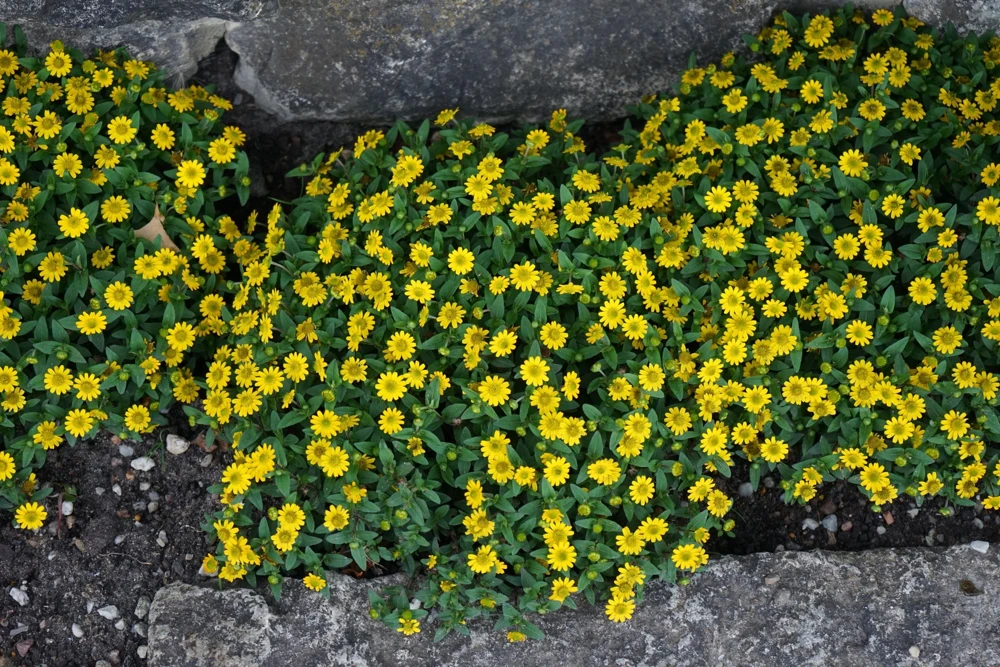
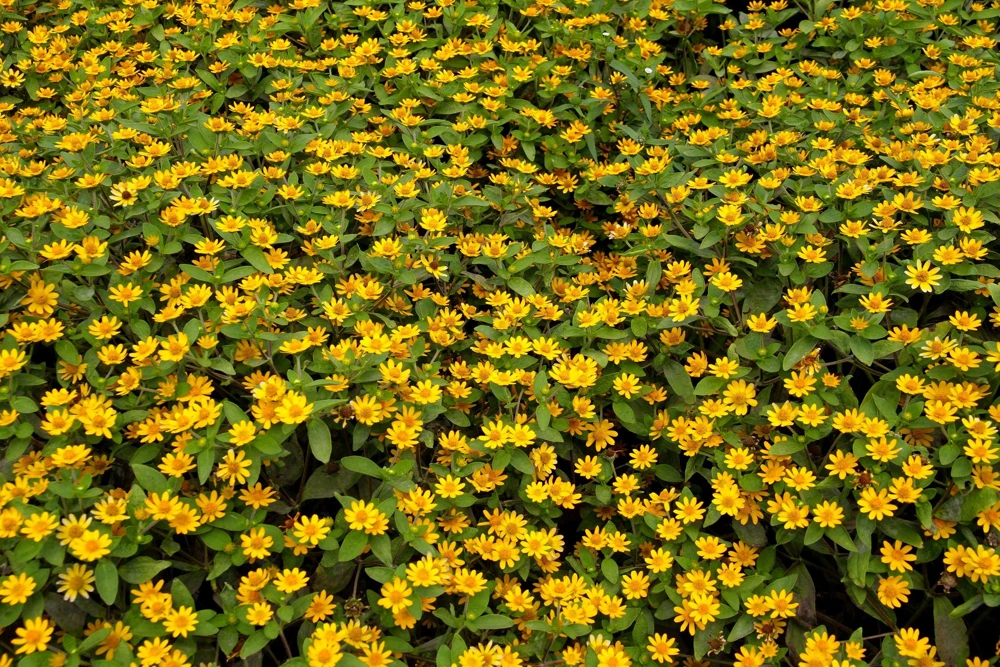
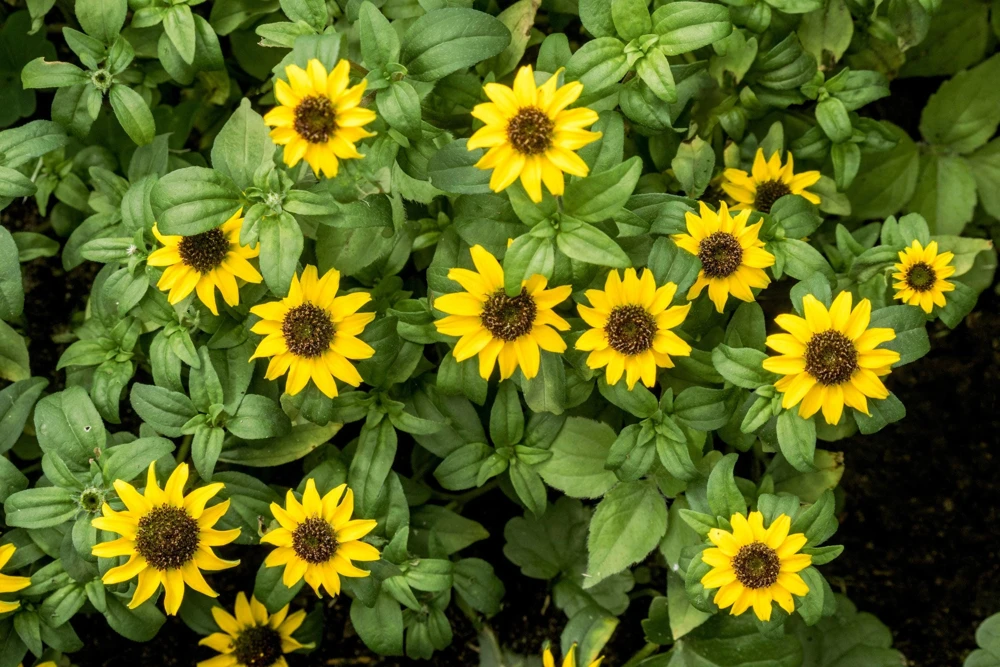
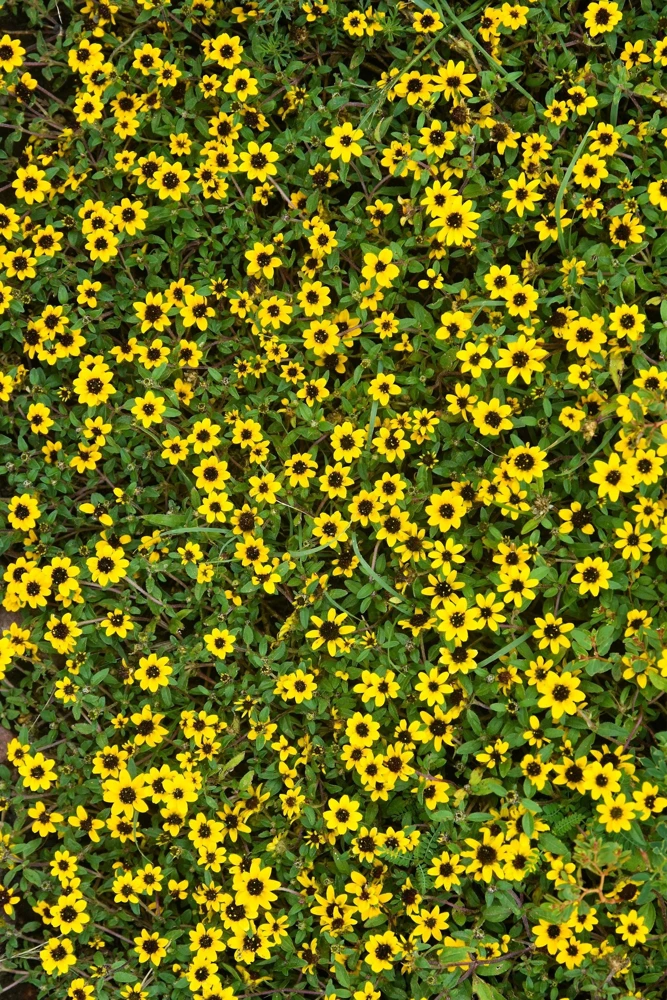
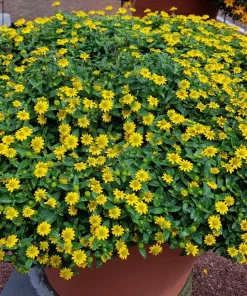
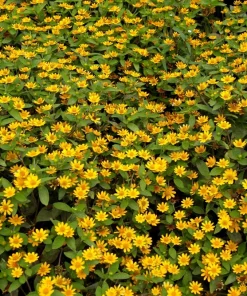
Cultivate a vibrant display with these yellow creeping zinnia seeds. Each packet contains 150 Sanvitalia Procumbens seeds, perfect for creating a stunning groundcover or adding a splash of color to your garden. These low-growing flowers are known for their cheerful yellow blooms and ability to attract beneficial pollinators.
Estimated arrival
Sep 17
Sep 22 - Sep 24
Sep 27 - Oct 01
Shop With Confidence
30-Day Plant Health Guarantee
Arrives damaged? We’ll replace it free — see our return policy.
Responsive Support
Email us anytime, we reply within 1 business day.
Expert Packaging
Temperature-controlled shipping to protect your plants in transit.
Secure Checkout
Pay safely with Visa, Mastercard, PayPal.
Plant Specifications
-
USDA Hardiness Zone
3 - 9 (as an annual; perennial in 9-11) -
Soil Type
Average - Dry, well-draining soil -
Sunlight Exposure
Full Sun -
Expected Planting Period
Outdoors after last frost / Indoors weeks before last frost
Overview
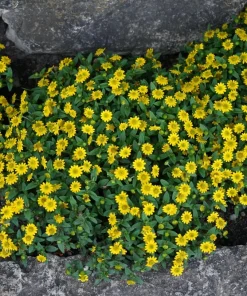
Transform your garden space with these high-quality yellow creeping zinnia seeds. Sanvitalia Procumbens, commonly known as Creeping Zinnia, is a delightful annual plant that brings a burst of sunshine to any landscape. Unlike traditional upright zinnias, this variety grows low and spreads, making it an ideal choice for vibrant groundcover, rock gardens, or spilling over the edges of containers. Each packet contains 150 Sanvitalia Procumbens seeds, providing ample opportunity to establish a beautiful and resilient floral display. These easy-to-grow flowers are perfect for gardeners looking for a cheerful, long-blooming addition that requires minimal fuss.
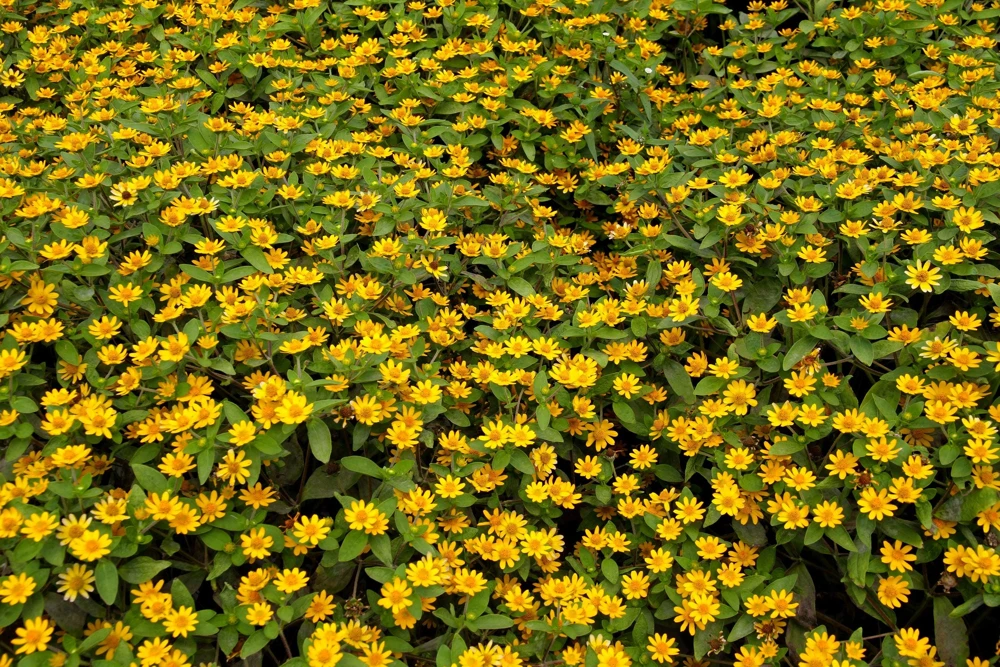
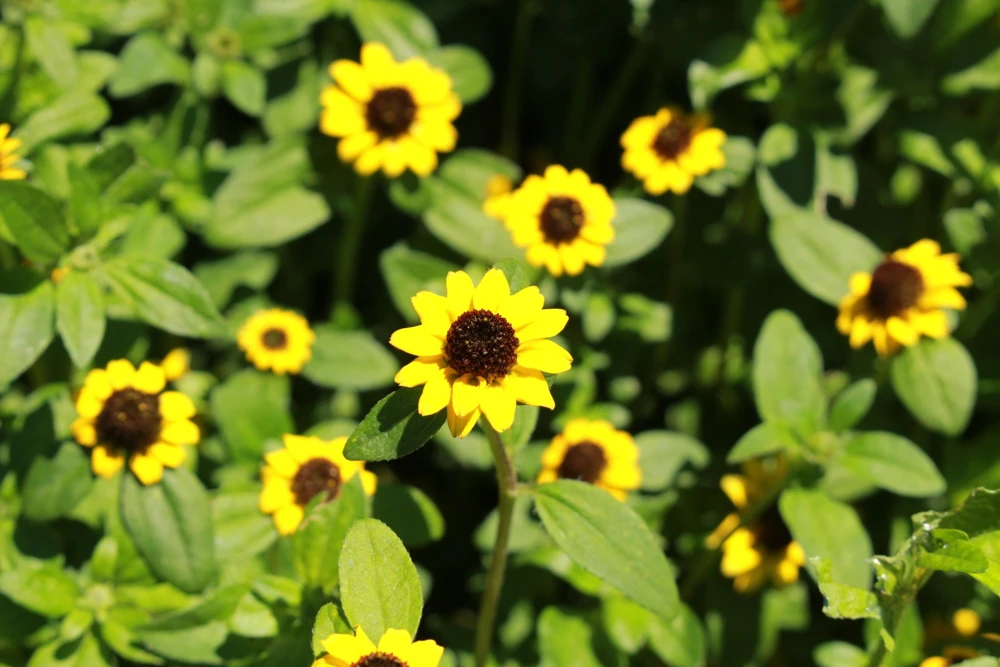
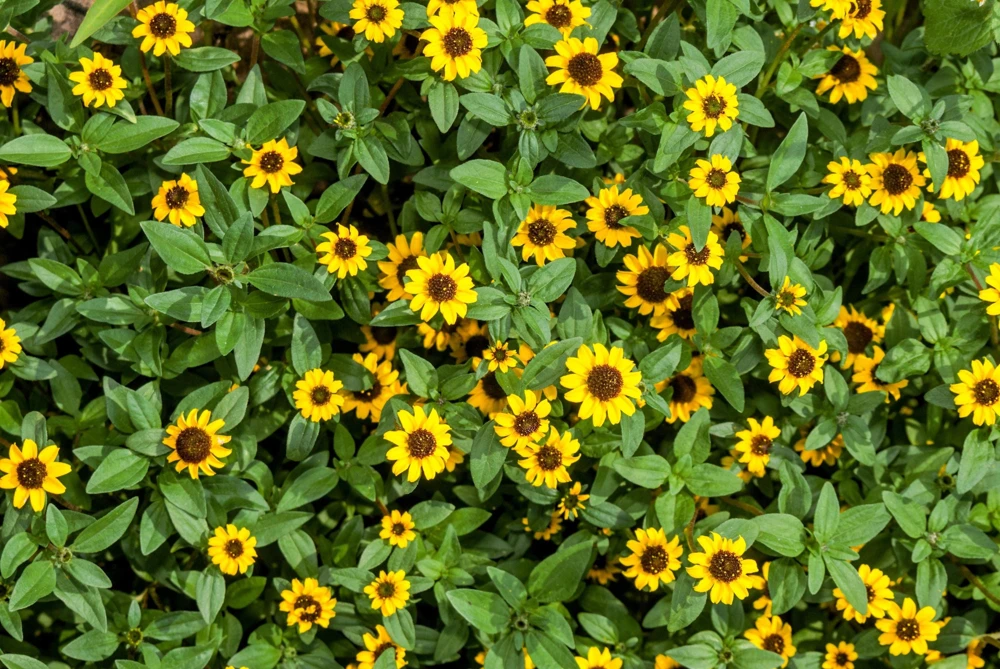
The Creeping Zinnia is celebrated for its abundant, small, daisy-like yellow flowers that bloom profusely from late summer until the first frost. Its compact growth habit and continuous flowering make it a favorite for adding consistent color and texture to garden beds. Whether you’re an experienced gardener or just starting, growing creeping zinnia groundcover from seed is a rewarding experience that yields spectacular results.
Key Benefits
Planting yellow creeping zinnia seeds offers numerous advantages for both your garden and the local ecosystem. These charming flowers are not only aesthetically pleasing but also contribute to a healthier, more vibrant outdoor space.
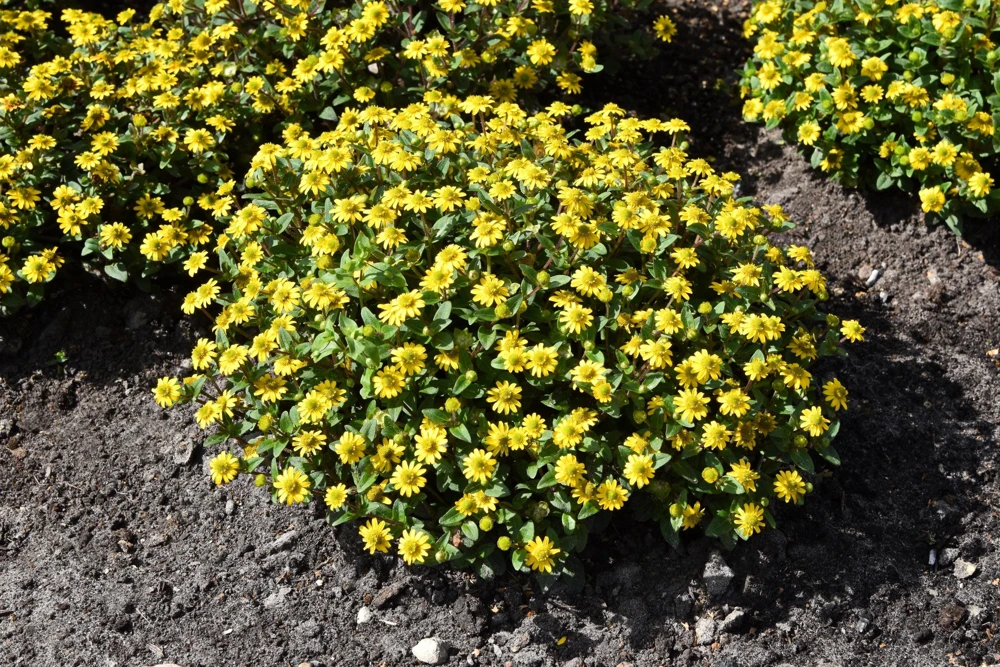
- Vibrant Groundcover: The low-growing, spreading habit of Creeping Zinnia creates a dense carpet of bright yellow blooms, effectively suppressing weeds and adding continuous color to your garden beds, pathways, or slopes.
- Attracts Pollinators: The cheerful yellow flowers are a magnet for beneficial insects, including bees, butterflies, and hummingbirds. By planting these Sanvitalia Procumbens seeds, you’ll support local biodiversity and enhance the pollination of other plants in your garden.
- Low Maintenance: Once established, Creeping Zinnia is remarkably drought-tolerant and requires minimal care. It thrives in sunny conditions with average to dry soil, making it an excellent choice for busy gardeners or those in arid climates.
- Long Blooming Season: Enjoy a continuous display of bright yellow flowers from late summer well into fall. This extended bloom time ensures your garden remains colorful and lively for many months.
- Versatile Use: Beyond groundcover, these plants are perfect for hanging baskets, window boxes, and containers, where their trailing habit can be fully appreciated. They also make excellent border plants and can be used to fill in gaps in perennial beds.
- Easy to Grow from Seed: These perennial zinnia seeds are straightforward to sow and germinate, making them accessible even for novice gardeners. Following simple instructions, you can successfully cultivate a flourishing patch of Creeping Zinnia.
- Deer Resistant: Creeping Zinnias are generally not favored by deer, offering peace of mind if deer are a common issue in your area.
Plant Care & Growing Tips
To successfully grow creeping zinnia from these yellow creeping zinnia seeds, understanding their basic care requirements is key. Sanvitalia Procumbens is a relatively unfussy plant, but providing optimal conditions will ensure a profuse and long-lasting bloom.
Sunlight Requirements: Creeping Zinnia thrives in full sun, meaning it needs at least 6-8 hours of direct sunlight per day. While it can tolerate partial shade, too little sun will result in fewer blooms and leggy growth. Ensure your planting location receives ample sunlight throughout the day for the best performance.
Watering Schedule and Soil Moisture: Once established, Creeping Zinnia is quite drought-tolerant. Water regularly after planting until the seedlings are well-rooted. After that, water deeply but infrequently, allowing the soil to dry out between waterings. Overwatering can lead to root rot, so ensure good drainage. These plants prefer average to dry soil conditions.
Soil Type and Drainage: These flowers are adaptable to a variety of soil types but prefer well-draining soil. Sandy or loamy soils are ideal. If your soil is heavy clay, amend it with organic matter like compost to improve drainage. A pH between 6.0 and 7.0 is generally suitable. Proper drainage is crucial to prevent waterlogging.
Temperature Range and USDA Hardiness Zone: Creeping Zinnia is typically grown as an annual in most regions, but it can act as a tender perennial in warmer climates (USDA Hardiness Zones 9-11). It prefers warm temperatures and is sensitive to frost. Plant outdoors after all danger of frost has passed. For earlier blooms, you can start seeds indoors weeks before the last frost.
Fertilization: Creeping Zinnia is not a heavy feeder. A balanced, all-purpose fertilizer applied once at planting or early in the growing season is usually sufficient. Avoid excessive nitrogen, which can promote foliage growth at the expense of flowers. For continuous blooming, a light feeding mid-season can be beneficial, but it’s often not necessary in rich soil.
Common Problems and Solutions: These plants are generally pest and disease resistant. Occasionally, they may encounter powdery mildew in humid conditions or spider mites during dry spells. Ensure good air circulation to prevent mildew and use insecticidal soap for mites if necessary. Deadheading spent blooms, while not strictly required for continuous flowering, can keep the plants looking tidy and may encourage even more blossoms.
Size & Details
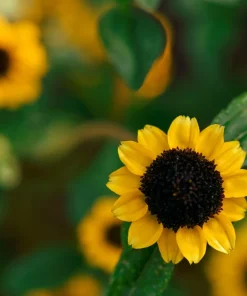
Each packet contains 150 Sanvitalia Procumbens seeds, providing a generous quantity for planting. These yellow creeping zinnia seeds will grow into plants that typically reach a height of 6 to 9 inches (15-23 cm) and spread about 15 to 18 inches (38-46 cm) wide, forming a beautiful, dense mat. The plants have a moderate growth rate, establishing themselves quickly and beginning to bloom in late summer. They are ideal for creating a vibrant groundcover or for use in containers where their trailing habit can be showcased. The small, bright yellow flowers are about 0.5 to 1 inch in diameter, resembling miniature sunflowers. These plants are easy to start directly outdoors after the last frost or can be sown indoors several weeks prior for an earlier start to the blooming season. Expect a dazzling display of color that lasts through the fall.
Frequently Asked Questions
- Q: How big does this plant get? A: Yellow creeping zinnia typically grows 6 to 9 inches tall and spreads 15 to 18 inches wide, creating a low, spreading carpet of blooms. Its compact size makes it ideal for groundcover or containers.
- Q: Is this an indoor or outdoor plant? A: While it can be started indoors, Sanvitalia Procumbens seeds are primarily grown for outdoor cultivation. It thrives in full sun and warm temperatures in garden beds, borders, and containers.
- Q: How much sunlight does it need? A: For the best blooming performance, Creeping Zinnia requires full sun, which means at least 6-8 hours of direct sunlight per day. Ample sunlight is crucial to successfully grow creeping zinnia.
- Q: Is this plant easy to care for? A: Yes, creeping zinnia groundcover is considered very easy to care for. It’s drought-tolerant once established and generally pest and disease resistant, making it suitable for beginner gardeners.
- Q: When is the best time to plant these seeds? A: You can sow yellow creeping zinnia seeds directly outdoors after the last frost in spring. For earlier blooms, start the seeds indoors 6-8 weeks before your last expected frost date.
- Q: How long until it blooms? A: Creeping Zinnia typically begins to bloom in late summer, providing a continuous display of flowers until the first frost. Starting seeds indoors can help achieve earlier blooms.
- Q: Will it survive winter in my zone? A: Creeping Zinnia is generally grown as an annual in most climates. However, in warmer USDA Hardiness Zones (9-11), it may behave as a tender perennial, returning year after year.
- Q: Are these truly perennial zinnia seeds? A: While often treated as an annual, Sanvitalia Procumbens can self-seed readily in favorable conditions, giving the impression of being perennial. In USDA Zones 9-11, it can survive mild winters and return.
- Q: What kind of soil does it prefer? A: Creeping Zinnia prefers well-draining soil, such as sandy or loamy soil. It’s important to avoid heavy, waterlogged conditions to prevent root issues.
- Q: Do these flowers attract pollinators? A: Absolutely! The bright yellow blooms of Creeping Zinnia are very attractive to bees, butterflies, and other beneficial pollinators, making them a great choice for a pollinator-friendly garden.
Be the first to review “150 Yellow Creeping Zinnia Seeds – Sanvitalia Procumbens – Low Growing Flower”
People Also Viewed

Flower Seeds
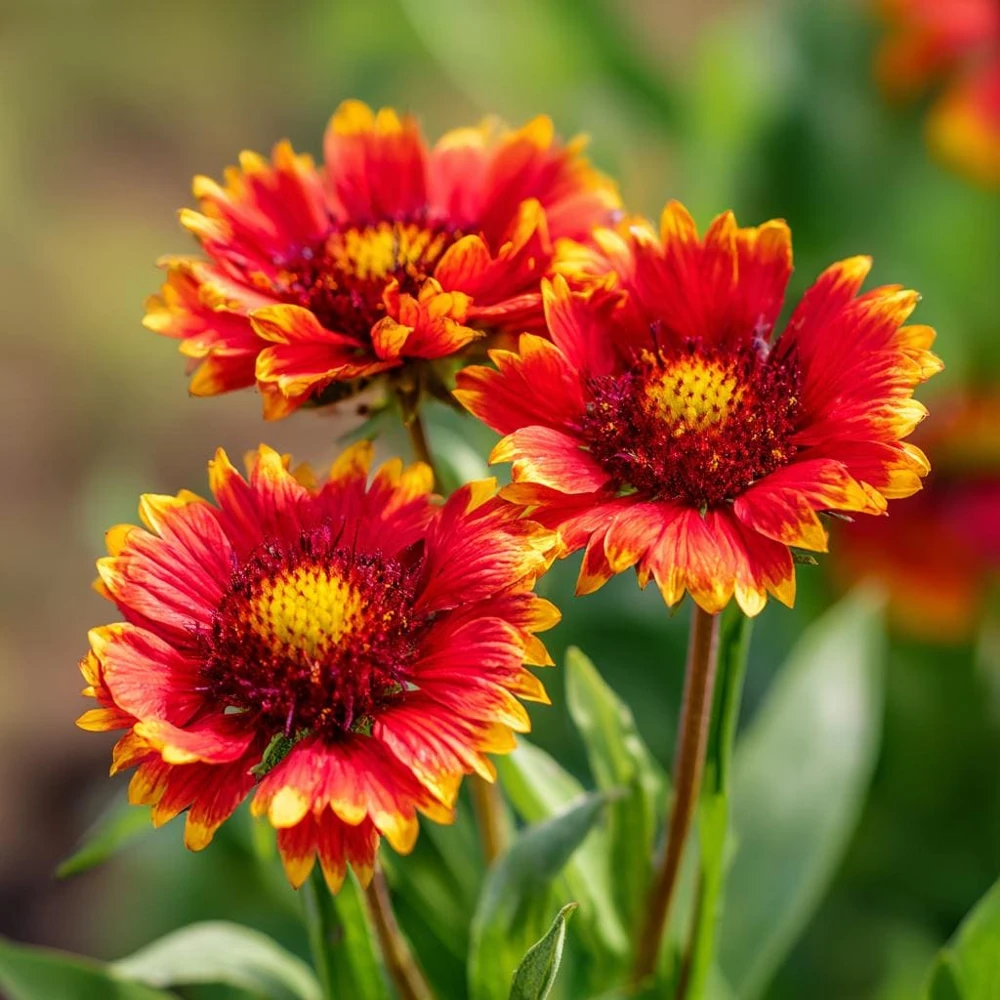
Gaillardia aristata Seeds – Blanket Flower – 200 Seeds – Red & Yellow Blooms – Outdoor Perennial
Flower Plants
Wilhelmara Pinot Princess ‘Nite Naulege’ Orchid Live Plant – Oncidium Type – 2.5 inch Pot
Reviews
There are no reviews yet.