


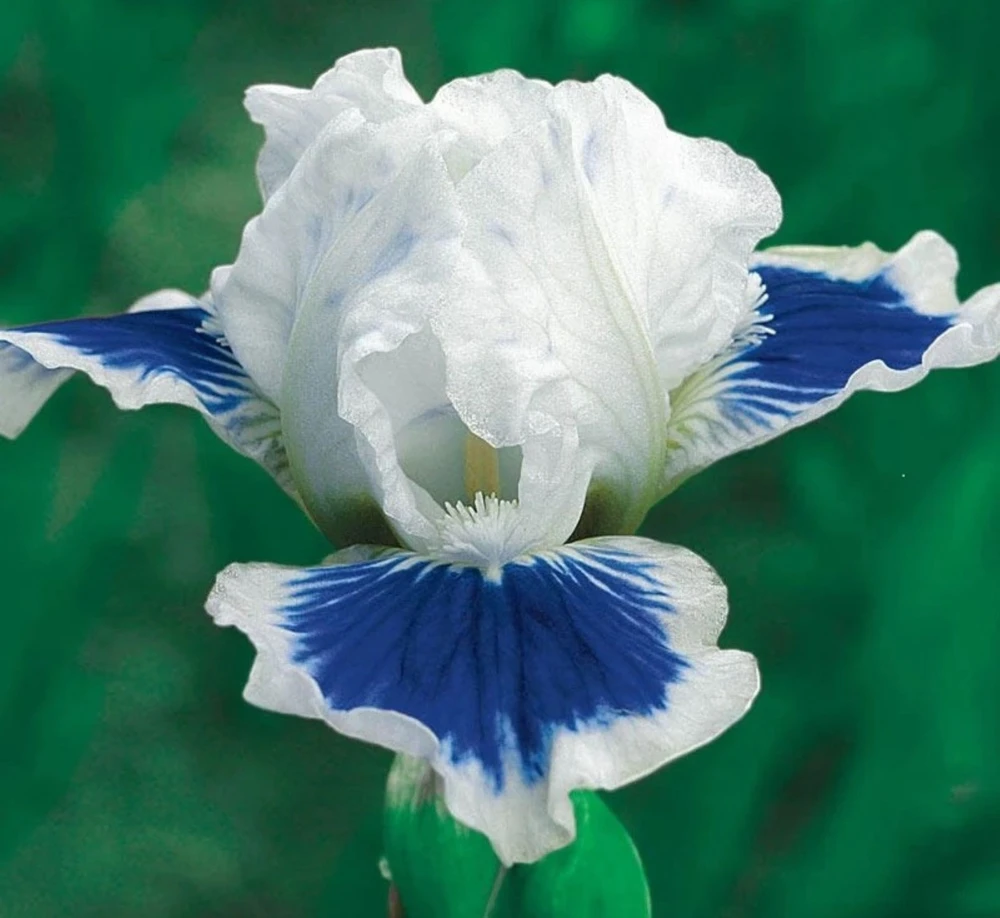
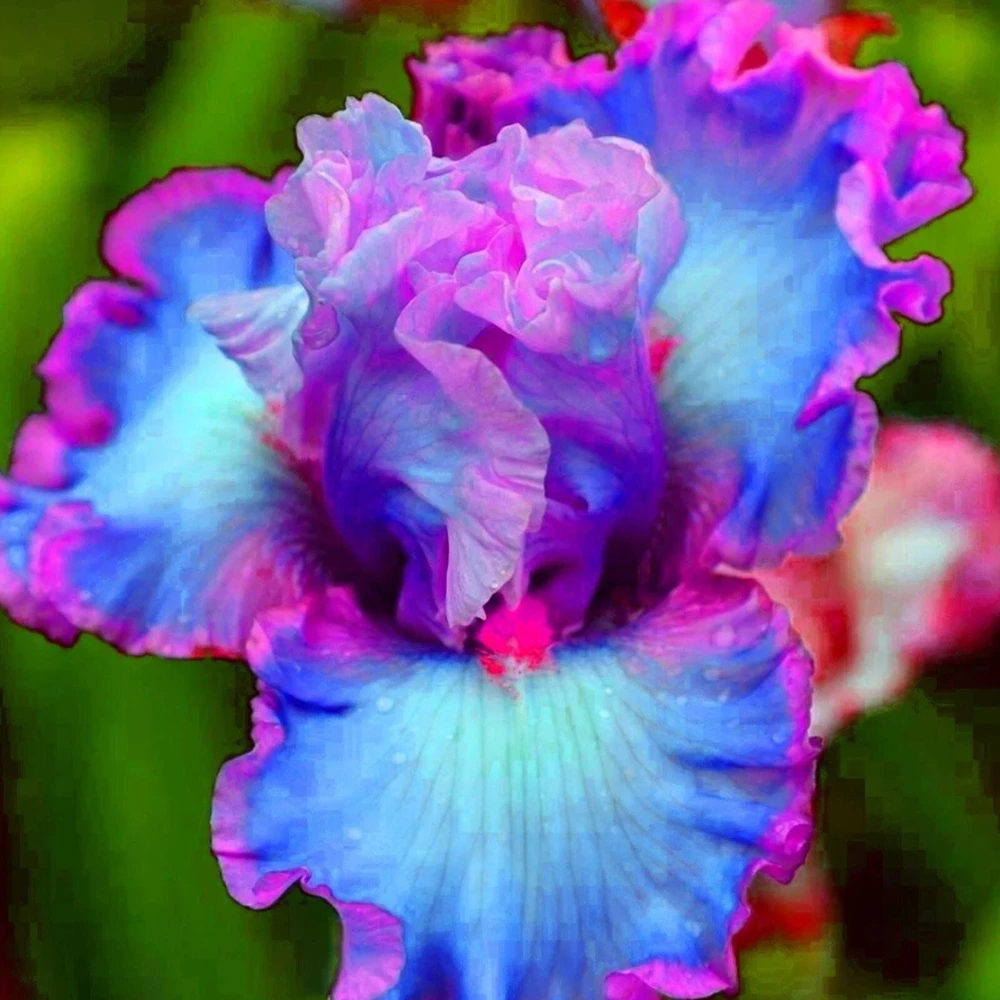
100 Iris Seeds – Flowering Perennial Garden Plant Seeds
Original price was: $55.99.$30.99Current price is: $30.99.
Cultivate stunning blooms in your garden with our iris seeds. These flowering iris seeds are perfect for creating vibrant landscapes and are known for their ease of growth. Enjoy perennial beauty year after year.
Estimated arrival
Oct 27
Nov 01 - Nov 03
Nov 06 - Nov 10
Shop With Confidence
30-Day Plant Health Guarantee
Arrives damaged? We’ll replace it free — see our return policy.
Responsive Support
Email us anytime, we reply within 1 business day.
Expert Packaging
Temperature-controlled shipping to protect your plants in transit.
Secure Checkout
Pay safely with Visa, Mastercard, PayPal.
Plant Specifications
-
USDA Hardiness Zone
USDA zones 3-9 -
Soil Type
Well-draining sandy loam -
Sunlight Exposure
Full sun to partial shade -
Expected Planting Period
Fall or early spring
Overview
Transform your garden into a kaleidoscope of color with our premium iris seeds. These fresh, ready-to-grow seeds offer an economical and rewarding way to cultivate the beloved iris flower, a symbol of royalty and beauty. Unlike purchasing mature bulbs, starting from seed provides the satisfaction of nurturing your plants from their very beginning, often resulting in a wider variety of unique blooms and stronger, more adaptable plants. Each pack contains 100 seeds, providing ample opportunity to establish a magnificent display of these elegant perennials. Irises are renowned for their intricate, showy flowers and sword-like foliage, making them a captivating addition to any garden bed, border, or naturalized area. They are a classic choice for gardeners seeking both visual appeal and relative ease of care, promising a spectacular floral show year after year.
Our iris seeds are carefully selected to ensure high germination rates and robust growth. Growing iris from seed allows you to experience the full life cycle of this remarkable plant, from tiny sprout to majestic bloom. Whether you’re an experienced gardener or just starting out, these seeds provide an accessible entry point into growing one of nature’s most enchanting flowers. Prepare to be amazed by the diversity and resilience of these beautiful plants as they establish themselves in your landscape, bringing joy and vibrant hues throughout their blooming season.
Key Benefits
Choosing to plant iris seeds brings a multitude of advantages to your garden and gardening experience. These benefits extend beyond just the aesthetic appeal, offering practical and environmental advantages:
- Cost-Effective Beauty: Starting from seed is a significantly more economical way to acquire a large number of iris plants compared to buying mature bulbs, allowing you to fill larger areas with vibrant color without breaking the bank.
- Genetic Diversity: Seeds often produce plants with slight genetic variations, leading to unique flower colors, patterns, and forms that you might not find in commercially propagated bulbs, offering delightful surprises.
- Stronger Root Systems: Plants grown from seed tend to develop more extensive and robust root systems, making them more resilient to environmental stresses and better adapted to their specific growing conditions.
- Long-Lasting Perennials: Irises are reliable perennials, meaning they will return year after year, providing continuous beauty with minimal effort once established. This makes them a sustainable choice for your garden.
- Attract Pollinators: The vibrant and fragrant blooms of iris flowers are a magnet for beneficial pollinators like bees and butterflies, contributing to a healthy and thriving garden ecosystem.
- Versatile Landscaping: These flowering iris seeds are suitable for a variety of garden designs, from formal borders to informal cottage gardens, and can even be grown in containers for patio displays.
- Educational Experience: Growing iris from seed provides a wonderful educational opportunity for gardeners of all ages, allowing them to observe the complete growth cycle of a beautiful flowering plant.
Plant Care & Growing Tips
Successful cultivation of iris seeds largely depends on providing the right conditions from germination through maturity. Irises thrive in locations that receive ample sunlight. They generally require at least 6 hours of direct sunlight per day to produce abundant blooms. In hotter climates, some afternoon shade can be beneficial to prevent scorching, but too much shade will result in fewer flowers. When preparing your planting site, ensure the soil is well-draining. Irises are susceptible to rot if their rhizomes (or the developing plants from seed) sit in waterlogged soil. A sandy loam soil enriched with organic matter is ideal. Amend heavy clay soils with compost and grit to improve drainage, or consider raised beds.
Watering is crucial, especially during the germination and establishment phases for plants grown from flowering iris seeds. Keep the soil consistently moist but not waterlogged until the seedlings are well-established. Once mature, irises are relatively drought-tolerant, but they will perform best with regular watering during dry spells, especially when they are actively growing and blooming. Avoid overhead watering, which can encourage fungal diseases; instead, water at the base of the plant. For optimal growth and prolific flowering, fertilize your iris plants in early spring with a balanced, low-nitrogen fertilizer. Too much nitrogen can promote foliage growth at the expense of flowers. A second application after blooming can also be beneficial. Deadhead spent flowers to encourage the plant to put energy into root and foliage development rather than seed production, though if you’re growing for more iris seeds, allow some to go to seed.
Maintaining a healthy environment is key for excellent iris plant care. Irises are hardy in a wide range of USDA zones, typically 3-9, depending on the specific variety, making them adaptable to many climates. Ensure good air circulation around your plants to help prevent common issues like leaf spot and rust. Pests are generally not a major problem, but keep an eye out for iris borers, which can be managed with appropriate cultural practices or targeted treatments if necessary. Dividing mature clumps every 3-5 years helps maintain vigor and flowering performance. By following these guidelines, you can ensure your iris plants grown from seed flourish and provide years of spectacular beauty.
Size & Details
This offering includes 100 iris seeds, providing a generous quantity for planting a significant area or for multiple planting seasons. These seeds are ideal for cultivating a variety of iris types, leading to plants that typically reach a mature height of 1 to 3 feet, depending on the specific cultivar and growing conditions. The spread of an established iris clump can range from 1 to 2 feet. When grown from seed, irises generally take one to two years to reach blooming maturity, rewarding your patience with their exquisite flowers. The seeds are shipped in a protective packet, ensuring their freshness and viability upon arrival, ready for immediate planting or storage until the optimal planting period. Each seed holds the potential for a robust and beautiful iris plant, contributing to the perennial charm of your garden.
Frequently Asked Questions
- Q: How many iris seeds are included in one packet? A: Each packet contains 100 iris seeds, providing a substantial amount for starting a new iris bed or expanding an existing one. This quantity allows for generous planting and offers a good chance for successful germination and establishment of many plants.
- Q: How long does it take for iris seeds to germinate? A: Germination times for iris seeds can vary significantly, often taking anywhere from a few weeks to several months, and sometimes even longer, as many iris seeds benefit from a period of cold stratification. Patience is key when growing iris from seed.
- Q: What is the best time to plant iris seeds? A: The ideal time to plant flowering iris seeds is typically in the fall or early spring, allowing them to experience natural cold stratification if planted outdoors. This process helps break dormancy and encourages germination.
- Q: Can these iris seeds be grown indoors? A: While iris plants are traditionally grown outdoors, you can start iris seeds indoors under controlled conditions to get a head start, especially if you provide adequate light and a period of artificial cold stratification before planting. Ensure they have plenty of light once they sprout.
- Q: What kind of soil is best for growing iris from seed? A: For optimal growth, iris seeds and seedlings prefer a well-draining soil mix. A blend of potting soil with added sand or perlite works well to prevent waterlogging, which can lead to rot and hinder the development of your iris plant care.
- Q: How much sunlight do iris plants need? A: Irises thrive in full sun, requiring at least 6 hours of direct sunlight per day for the best flowering. While they can tolerate some partial shade, too little sun will result in fewer blooms and weaker plants, impacting the vibrancy of your iris seeds efforts.
- Q: Are iris plants deer resistant? A: While no plant is entirely deer-proof, irises are generally considered to be moderately deer resistant. Deer typically prefer other plants, making iris a good choice for gardens in areas with deer populations, contributing to easier perennial garden seeds management.
- Q: Do I need to stratify these iris seeds before planting? A: Many iris varieties benefit from cold stratification to improve germination rates. This can be done naturally by planting in the fall or artificially by chilling the seeds in a moist medium in the refrigerator for several weeks before planting, aiding your success with grow iris from seed.
- Q: How tall do iris plants grow from these seeds? A: The mature height of iris plants grown from these seeds can vary, but generally, they will reach between 1 to 3 feet tall, depending on the specific variety and environmental conditions. This makes them versatile for different garden applications.
- Q: How often should I water my iris seedlings? A: Keep iris seedlings consistently moist but not waterlogged. The soil should feel damp to the touch, but avoid letting it sit in standing water. Once established, mature iris plants are more tolerant of drier conditions, simplifying your iris plant care routine.
Be the first to review “100 Iris Seeds – Flowering Perennial Garden Plant Seeds”
People Also Viewed

Reviews
There are no reviews yet.