
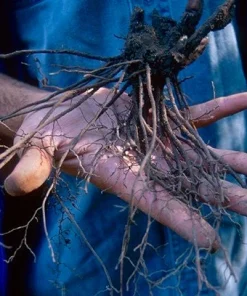
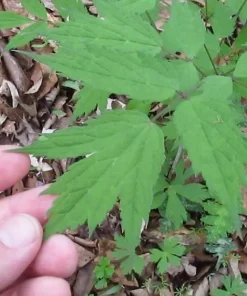
10 Black Cohosh Plants – Actaea Racemosa Bare Root Wildflower – Native Shade Garden Perennial
Original price was: $75.99.$50.99Current price is: $50.99.
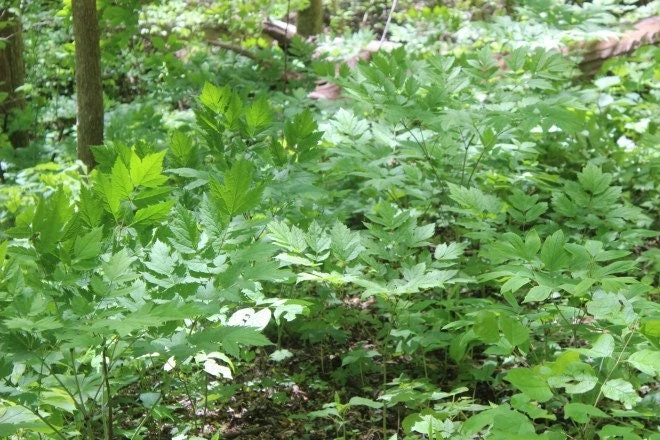
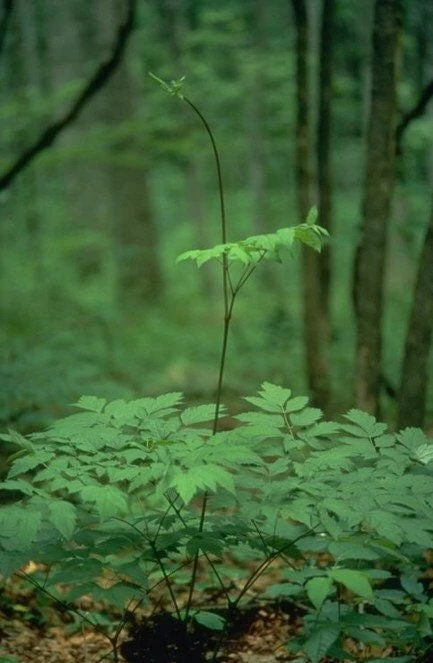
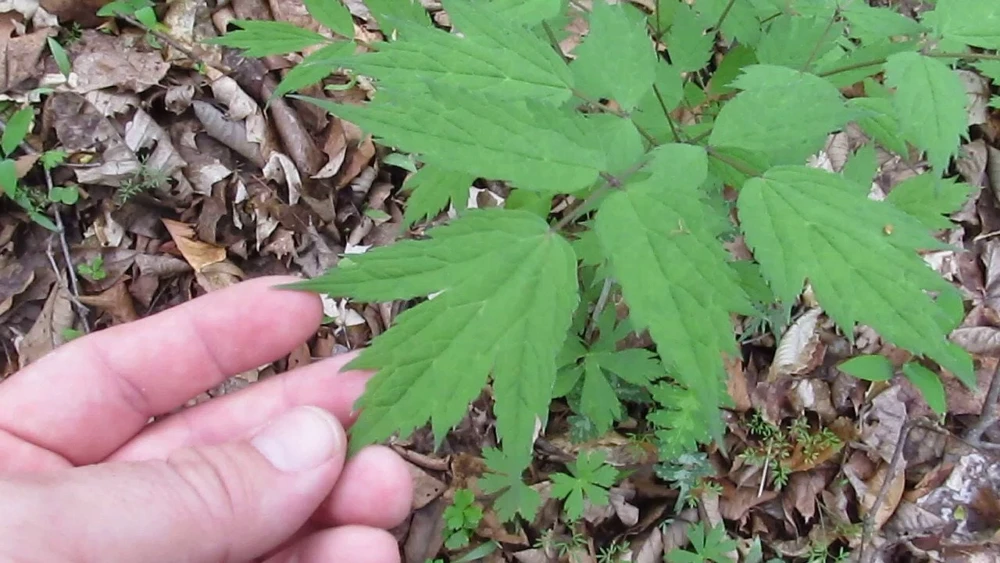
Enhance your landscape with 10 Black Cohosh Plants, also known as Actaea racemosa plant. These organically grown bare roots are perfect for creating a stunning native shade garden. Enjoy the beauty of these wildflowers and their unique vertical blooms.
Estimated arrival
Sep 29
Oct 04 - Oct 06
Oct 09 - Oct 13
Shop With Confidence
30-Day Plant Health Guarantee
Arrives damaged? We’ll replace it free — see our return policy.
Responsive Support
Email us anytime, we reply within 1 business day.
Expert Packaging
Temperature-controlled shipping to protect your plants in transit.
Secure Checkout
Pay safely with Visa, Mastercard, PayPal.
Plant Specifications
-
USDA Hardiness Zone
USDA Zones 3-8 -
Soil Type
Rich, well-draining, consistently moist soil -
Sunlight Exposure
Partial to full shade -
Expected Planting Period
Early spring or fall
Overview
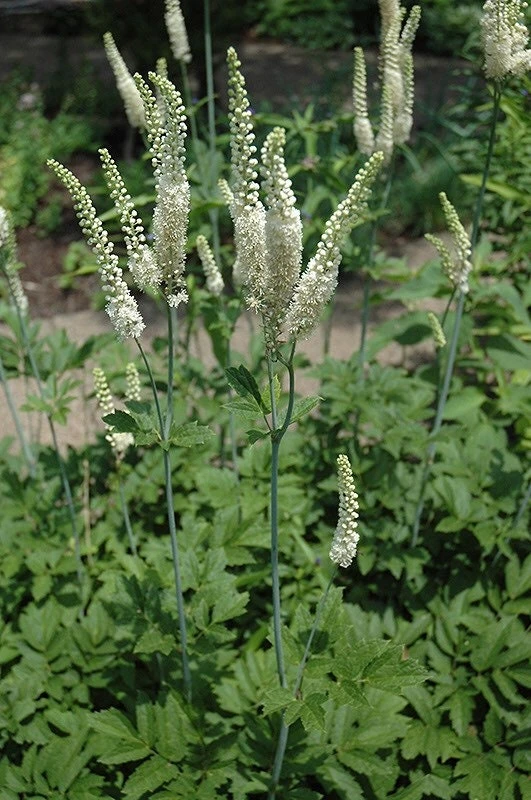
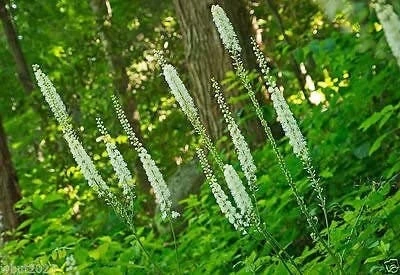
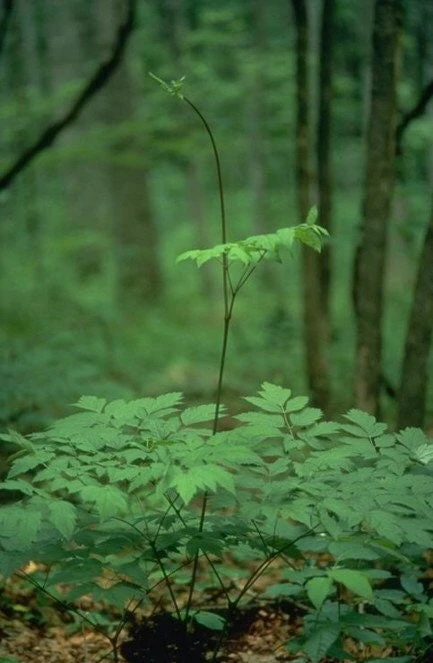
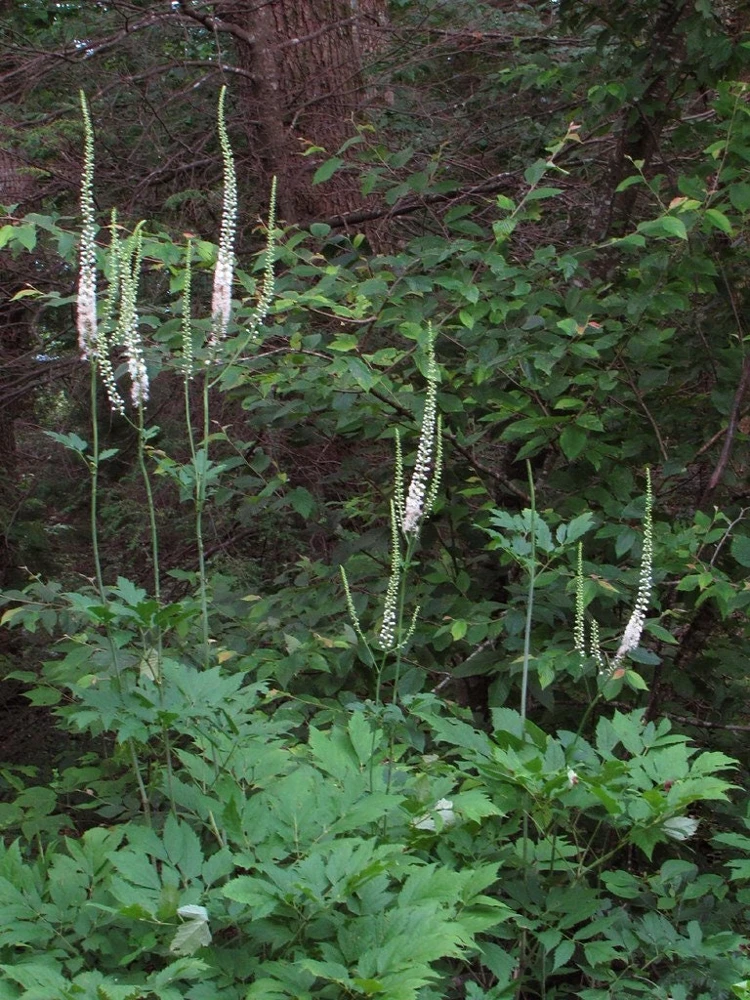
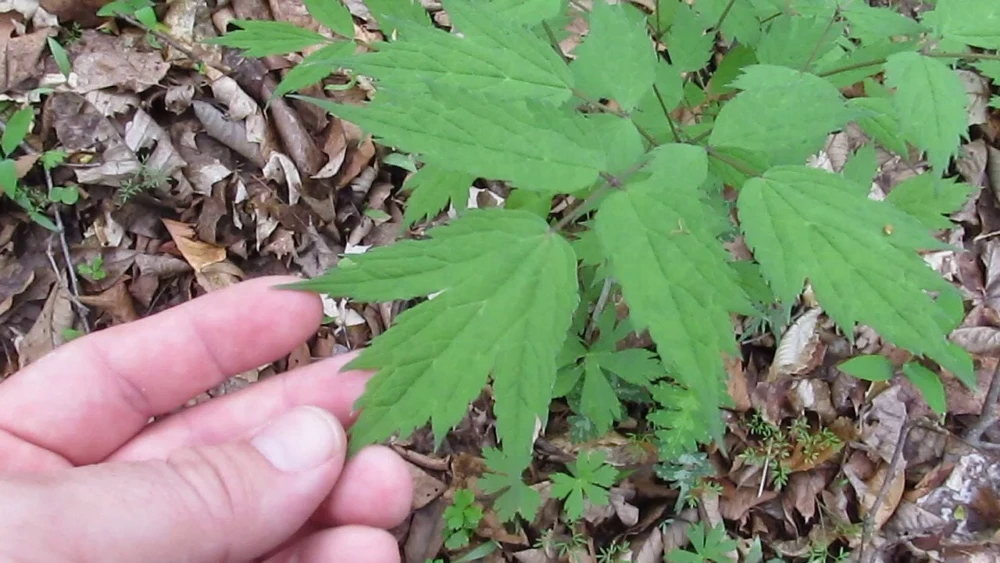
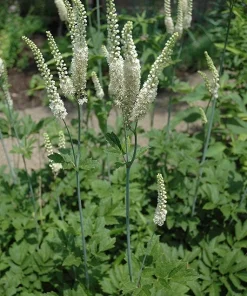
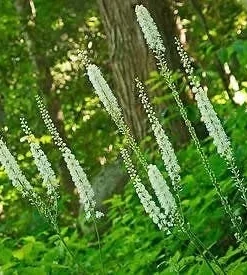
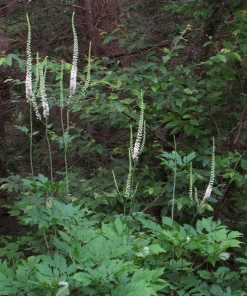
Transform your shaded landscape with a collection of 10 Black Cohosh Plants, scientifically known as Actaea racemosa plant. These organically grown bare roots offer an exceptional opportunity to cultivate a beautiful and beneficial native wildflower in your garden. Black Cohosh is celebrated for its striking vertical white flower spikes that emerge in late summer to early fall, providing a dramatic visual impact when many other plants are fading. As a true perennial, these plants will return year after year, growing more robust and beautiful with each passing season. Ideal for woodland settings or any area receiving partial to full shade, these plants contribute to a biodiverse ecosystem, attracting pollinators and adding a touch of untamed elegance to your outdoor space.
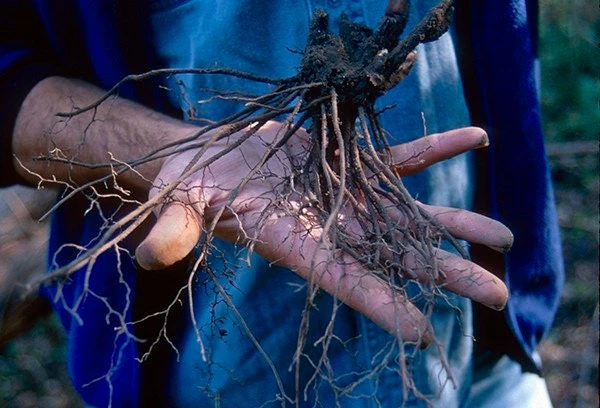
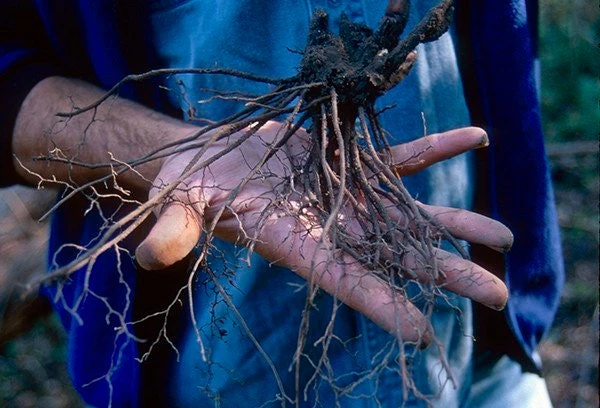
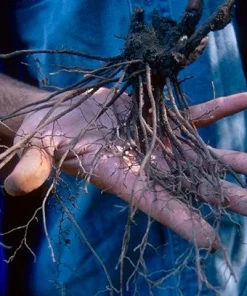
Each order includes 10 Black Cohosh Plants in their bare root form, ensuring you receive healthy, dormant specimens ready for planting. This method of shipping guarantees the roots are fresh and prepared for successful establishment in your garden. Black Cohosh is not only an ornamental favorite but also historically valued for its medicinal properties, making it a plant with both aesthetic and practical appeal. Embrace the natural charm and ecological benefits these magnificent wildflowers bring to your home.
Key Benefits
Introducing black cohosh bare root plants into your garden offers a multitude of advantages, enhancing both the beauty and ecological value of your outdoor space. These native perennials are a fantastic choice for gardeners seeking low-maintenance yet high-impact flora.
-
Stunning Late-Season Blooms: Enjoy tall, elegant white flower spikes that emerge in late summer and early fall, providing crucial color and interest when most other garden plants are finishing their bloom cycle. This extends the visual appeal of your native shade garden.
-
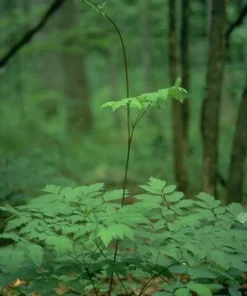
Thrives in Shade: Black Cohosh is perfectly adapted to shaded environments, making it an excellent choice for woodland gardens, under deciduous trees, or on the north side of buildings where other plants struggle. It is a reliable performer in less sunny spots.
-
Attracts Pollinators: The unique floral structure of the Actaea racemosa plant attracts a variety of beneficial insects, including bees and butterflies, contributing to a healthy and vibrant ecosystem in your garden.
-
Low Maintenance Perennial: Once established, these wildflower plants require minimal care. They are drought-tolerant and generally resistant to pests and diseases, making them ideal for busy gardeners.
-
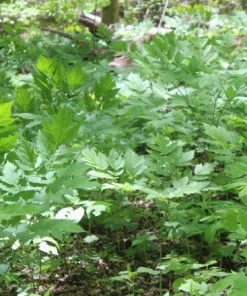
Naturalizes Easily: Black Cohosh readily naturalizes in suitable conditions, forming attractive clumps over time and creating a lush, naturalistic landscape without aggressive spreading.
-
Medicinal and Historical Significance: Beyond its beauty, Black Cohosh has a rich history of traditional use, particularly for its recognized black cohosh benefits in herbal medicine, adding another layer of interest to your garden.
-
Deer Resistant: Generally, deer tend to leave Black Cohosh untouched, which is a significant advantage in areas where deer browsing is a concern, allowing your plants to flourish undisturbed.
Plant Care & Growing Tips
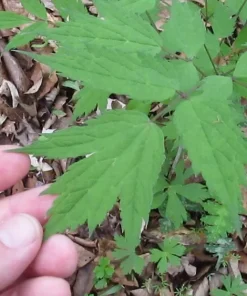
Caring for your black cohosh bare root plants is relatively straightforward, especially when you understand their preferred conditions. These robust wildflowers are quite adaptable once established, but a good start ensures their long-term success. The most critical factor for Black Cohosh is shade. They thrive in partial to full shade, mimicking their natural woodland habitat. Morning sun with afternoon shade is ideal, or dappled light throughout the day. Avoid intense, direct afternoon sun, which can scorch their leaves and hinder flowering. When planting your Actaea racemosa plant, ensure the crown (where the roots meet the stem) is just at soil level, with the roots spread out in the planting hole.
Soil requirements for Black Cohosh include a rich, well-draining, and consistently moist medium. Amend heavy clay soils with compost or other organic matter to improve drainage and fertility. Sandy soils will benefit from added organic material to enhance moisture retention. While they appreciate consistent moisture, avoid waterlogged conditions, which can lead to root rot. Water regularly, especially during dry spells, ensuring the soil remains damp but not soggy. A layer of mulch around the base of the plants will help retain soil moisture, suppress weeds, and regulate soil temperature. These wildflower plants are generally hardy and do not require heavy fertilization; a yearly application of compost or a balanced slow-release fertilizer in spring is usually sufficient. Black Cohosh is typically hardy in USDA Zones 3-8, tolerating cold winters and providing a reliable return each spring.
Size & Details
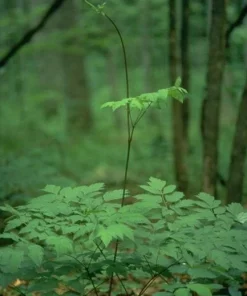
This offering includes 10 Black Cohosh Plants, provided as bare roots. Each bare root is carefully harvested to ensure optimal health and vigor upon arrival. When established, these plants typically grow to an impressive height of 4 to 6 feet, with some varieties reaching up to 8 feet, creating a dramatic vertical accent in your garden. The spread can range from 2 to 4 feet, forming attractive, dense clumps over time. Black Cohosh is a slow-growing perennial, meaning it may take a couple of seasons to reach its full mature size and flowering potential, but the wait is well worth it for the spectacular late-season blooms.
These black cohosh bare root plants are shipped without soil or a pot, allowing for lighter shipping and less transplant shock. They are ready to be planted directly into your garden beds upon receipt. Expect foliage to emerge in spring, followed by the distinctive white flower spikes in late summer to early fall. The plant’s robust root system ensures its perennial nature, promising years of enjoyment. Planting instructions will be included with your order to guide you through the process of successfully establishing your new plants.
Frequently Asked Questions
-
Q: How big do these Black Cohosh plants get? A: Once mature, these Actaea racemosa plant specimens typically reach a height of 4 to 6 feet, with some growing up to 8 feet tall. They can spread 2 to 4 feet wide, forming substantial clumps.
-
Q: Is this an indoor or outdoor plant? A: Black Cohosh is an outdoor perennial plant, best suited for a native shade garden environment. It thrives in woodland settings and shaded garden beds.
-
Q: How much sunlight does Black Cohosh need? A: These wildflower plants prefer partial to full shade. Morning sun with afternoon shade is ideal, or dappled light throughout the day. Avoid hot, direct afternoon sun.
-
Q: Is this plant easy to care for? A: Yes, once established, Black Cohosh is considered a low-maintenance perennial. It requires consistent moisture but is generally pest and disease resistant, making it good for gardeners of varying experience levels.
-
Q: What condition will the plants arrive in? A: You will receive 10 Black Cohosh Plants as bare roots, carefully packaged to ensure they arrive in good, dormant condition, ready for planting.
-
Q: When is the best time to plant Black Cohosh bare roots? A: The best time to plant bare roots is typically in early spring or fall when the plants are dormant. This allows them to establish their root system before extreme weather conditions.
-
Q: What are the main black cohosh benefits? A: Beyond its ornamental value, black cohosh benefits include its historical use in traditional medicine, particularly for supporting women’s health, and its role in attracting pollinators to the garden.
-
Q: What kind of soil does Black Cohosh prefer? A: Black Cohosh thrives in rich, well-draining, and consistently moist soil. Amending the soil with organic matter like compost is highly beneficial for optimal growth.
-
Q: Will these plants survive winter in my zone? A: Black Cohosh is hardy in USDA Zones 3-8, meaning it is well-adapted to survive cold winters and will reliably return each spring in these regions.
-
Q: Do deer eat Black Cohosh? A: Fortunately, Black Cohosh is generally considered deer resistant, making it a good choice for gardens in areas with deer populations.
Be the first to review “10 Black Cohosh Plants – Actaea Racemosa Bare Root Wildflower – Native Shade Garden Perennial”
People Also Viewed
Tree Seeds
Inaba Shidare Japanese Maple Tree Seeds – Weeping Red Laceleaf Acer Palmatum Dissectum – 10 Seeds
Reviews
There are no reviews yet.