

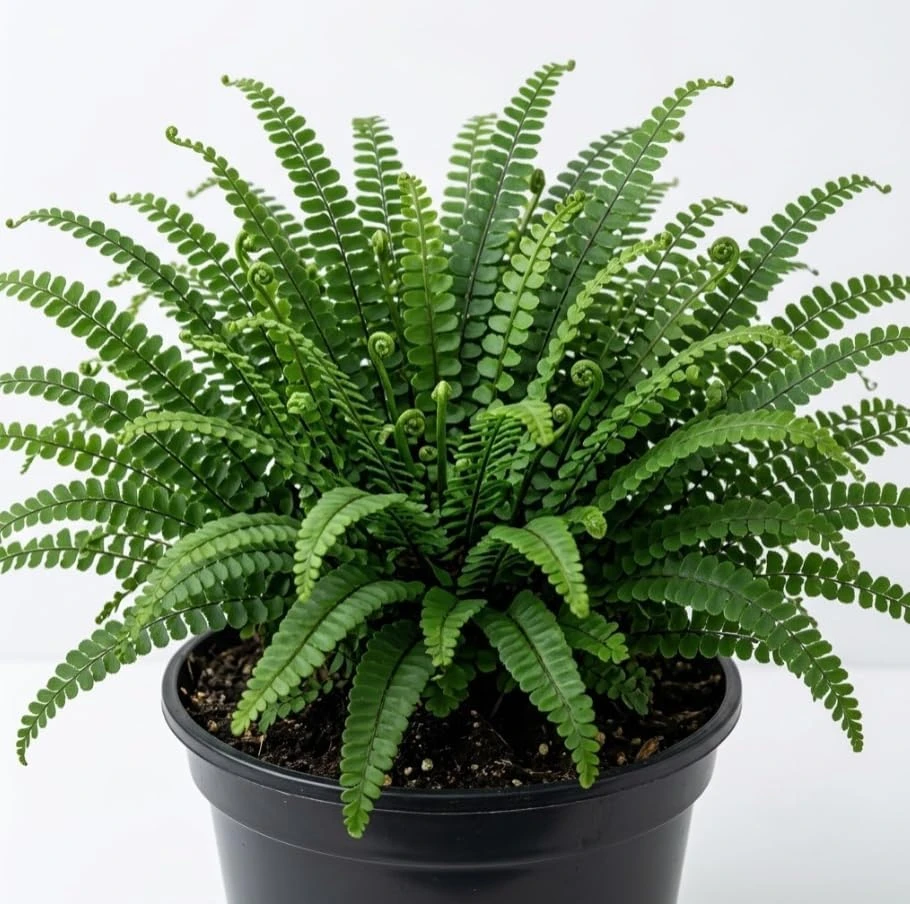
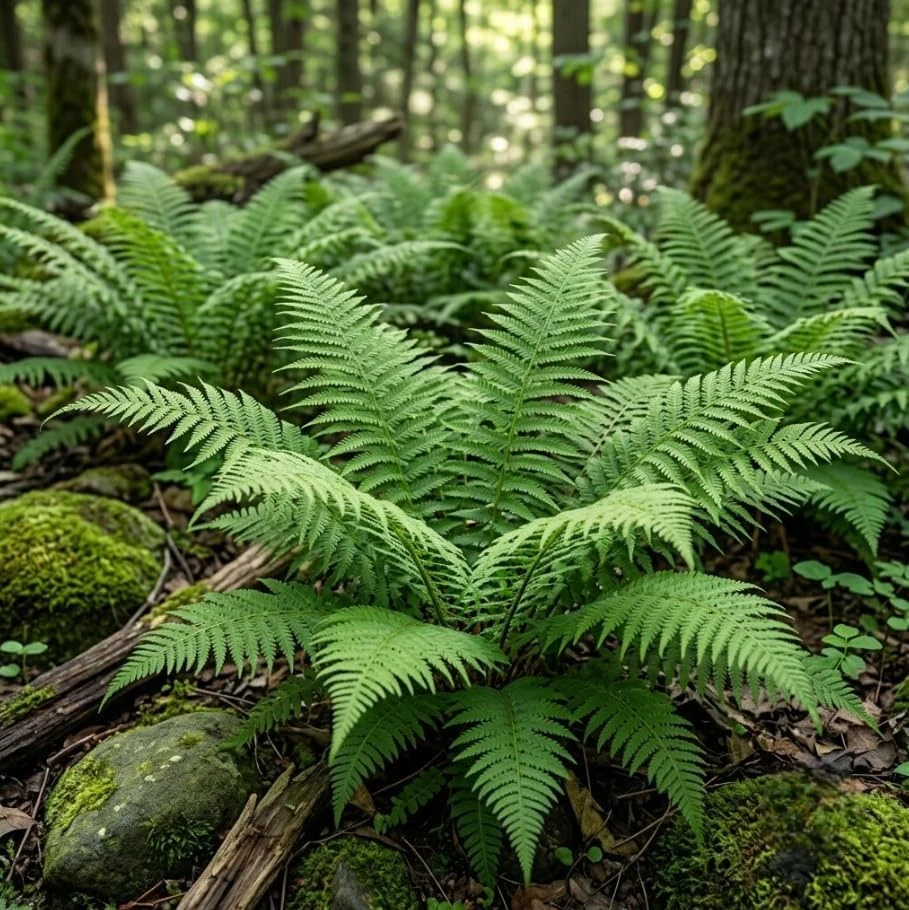
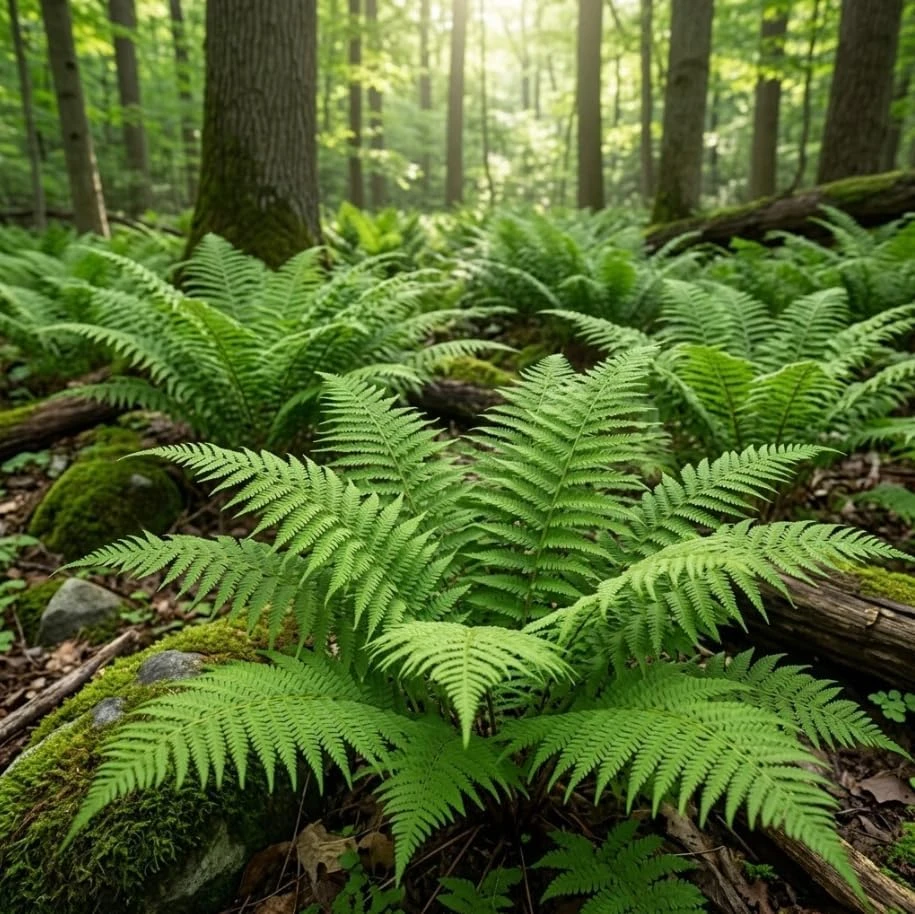
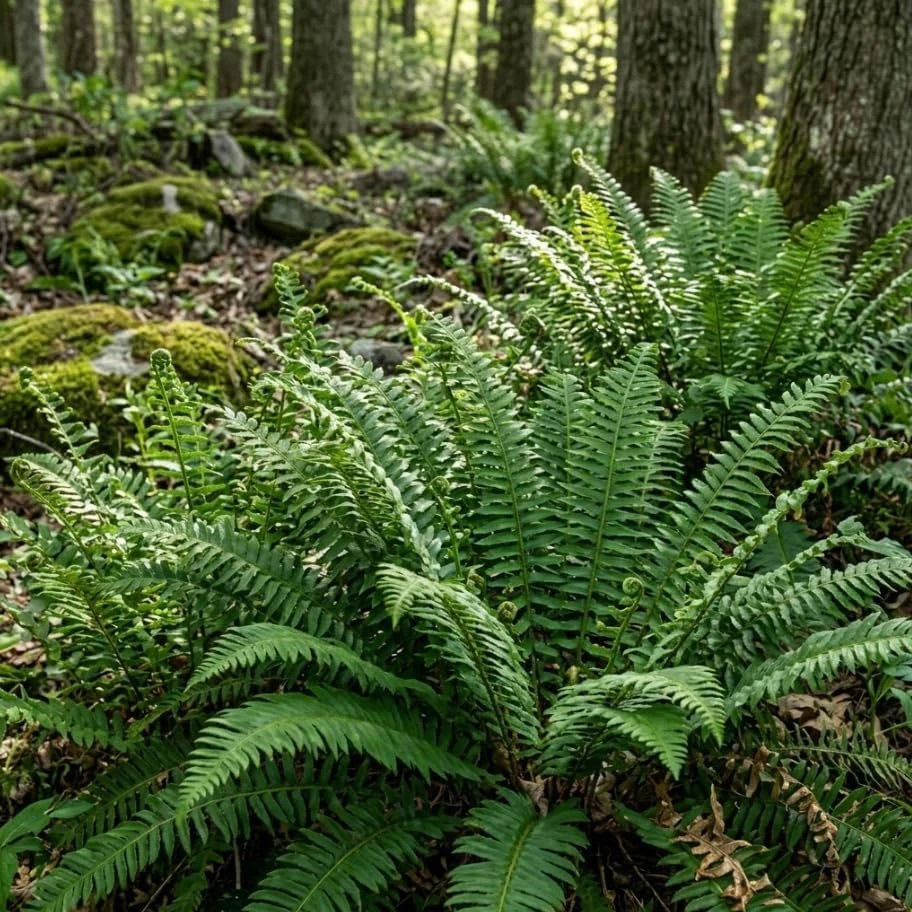
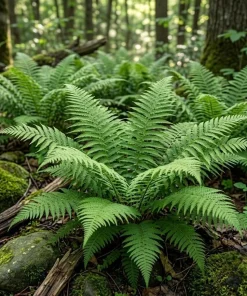
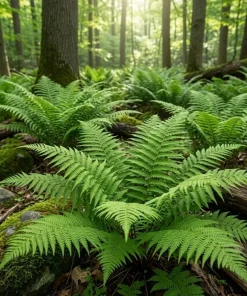
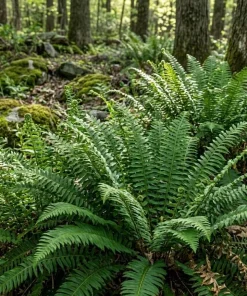
10 Assorted Fern Bare Root Plants – Mixed Varieties, 3-6 Inch Long Rhizomes
Original price was: $44.98.$22.49Current price is: $22.49.
Bring lush greenery to your landscape with this collection of assorted fern bare root plants. You’ll receive 10 fresh rhizomes, each 3-6 inches long, ready for immediate planting. Perfect for creating a vibrant shade garden ferns display that returns year after year.
Estimated arrival
Oct 14
Oct 19 - Oct 21
Oct 24 - Oct 28
Shop With Confidence
30-Day Plant Health Guarantee
Arrives damaged? We’ll replace it free — see our return policy.
Responsive Support
Email us anytime, we reply within 1 business day.
Expert Packaging
Temperature-controlled shipping to protect your plants in transit.
Secure Checkout
Pay safely with Visa, Mastercard, PayPal.
Plant Specifications
-
USDA Hardiness Zone
USDA Zones 3-9 -
Soil Type
Rich, well-draining, consistently moist soil -
Sunlight Exposure
Partial to full shade -
Expected Planting Period
Early spring to fall
Overview
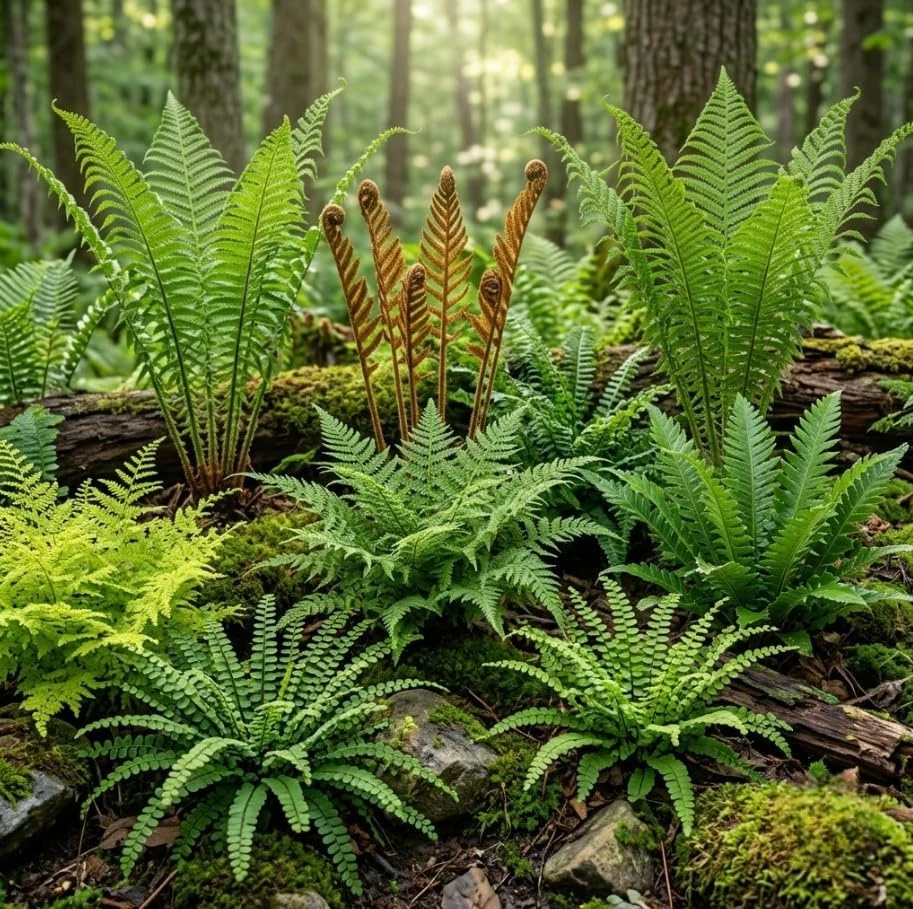
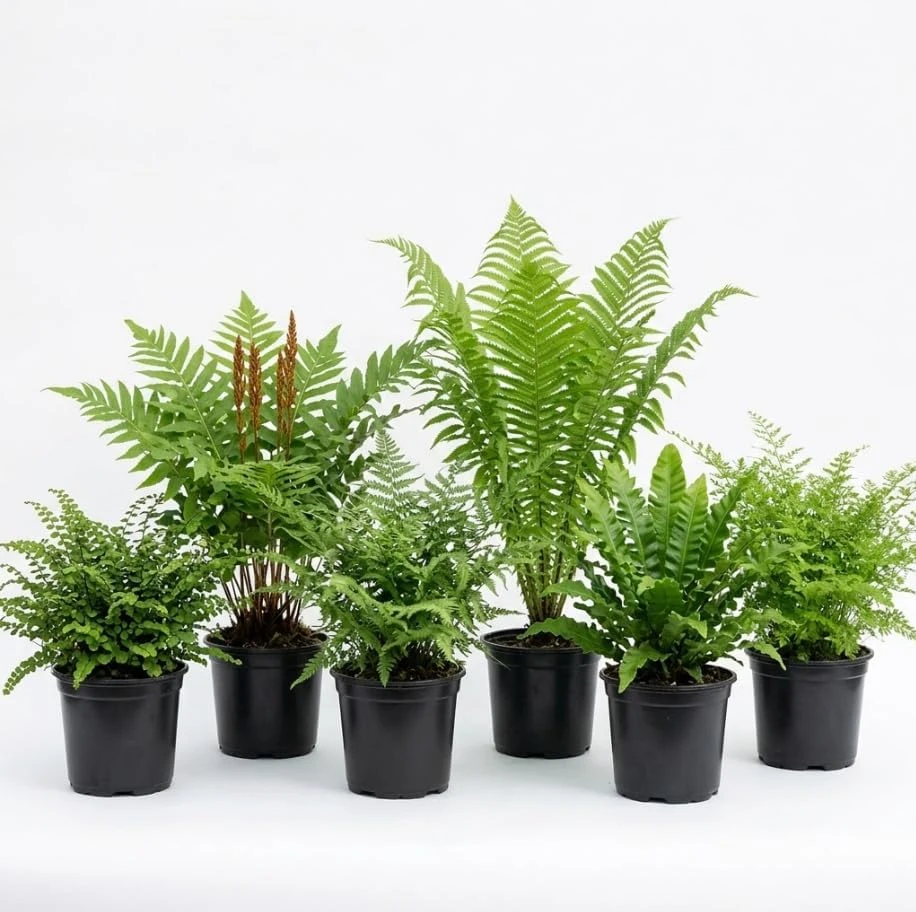
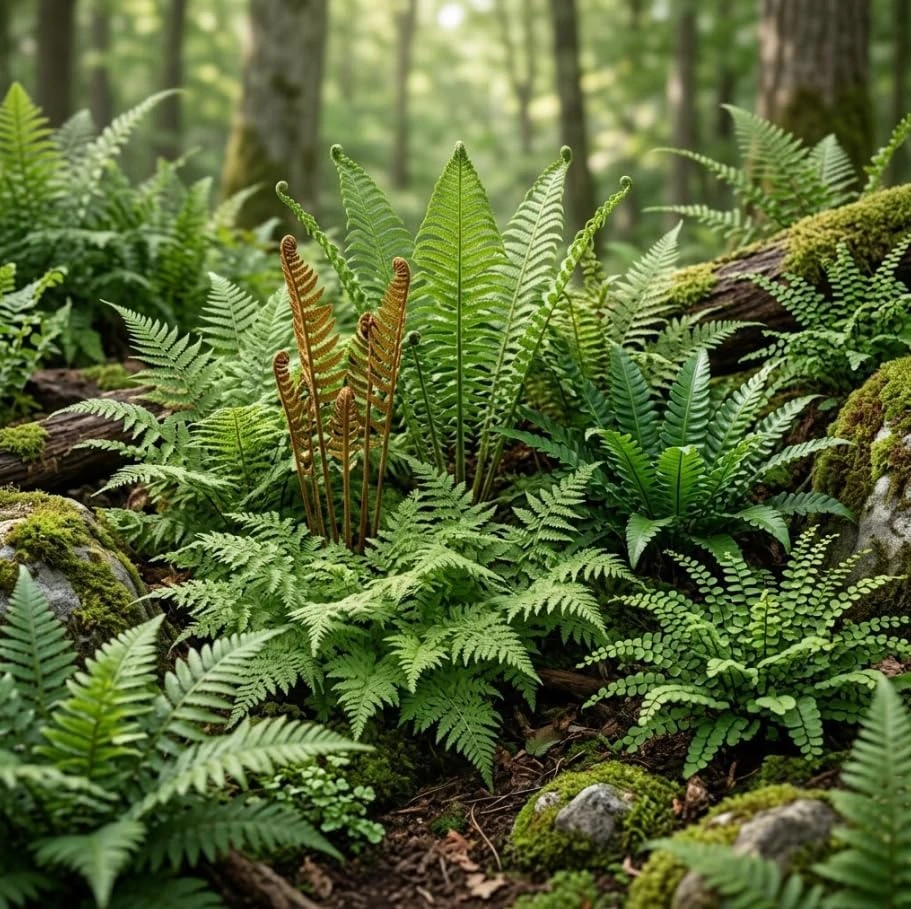
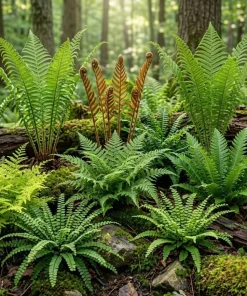
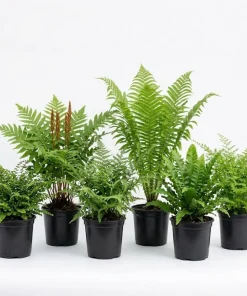
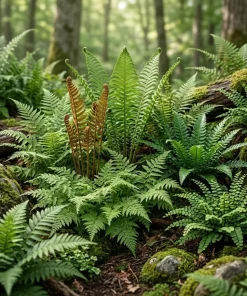
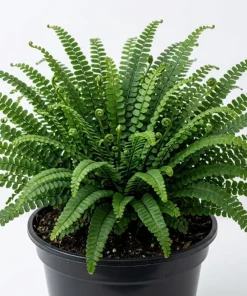
Introduce diverse textures and shades of green to your outdoor spaces with these assorted fern bare root plants. This collection provides 10 fresh fern rhizomes, each measuring between 3 and 6 inches long, ensuring they are ready to establish quickly in your garden. Ferns are celebrated for their elegant, feathery fronds and their ability to thrive in areas where many other plants struggle, making them an ideal choice for enhancing shaded or partially shaded beds. This random mix promises a delightful surprise, potentially including varieties like Spleenwort Fern, Cinnamon Fern, Lady Fern, Ostrich Fern, Christmas Fern, and Hay-Scented Fern, each offering unique characteristics and beauty. These resilient plants return year after year, providing continuous lush foliage and an enduring natural aesthetic.
Whether you’re looking to fill a woodland garden, create a serene corner, or add a touch of natural elegance along a shaded pathway, these bare root ferns are an excellent choice. Their robust nature and minimal initial care requirements make them suitable for both novice and experienced gardeners. Planting these fresh fern rhizomes is a straightforward process, and watching them unfurl their delicate fronds to transform your landscape is a truly rewarding experience.
Key Benefits
Cultivating these assorted fern bare root plants offers numerous advantages for your garden and home:
- Ever-Returning Greenery: These perennial ferns establish themselves and return each growing season, providing consistent, beautiful foliage without the need for replanting. They offer a reliable green backdrop or focal point in your garden year after year.
- Shade Tolerance: Ferns are perfectly adapted to thrive in shaded or partially shaded areas where many other plants may struggle. This makes them invaluable for brightening up dim corners, under tree canopies, or north-facing beds.
- Low Maintenance: Once established, these ferns require minimal care. They are generally pest-resistant and disease-resistant, providing an easy-care solution for lush landscaping. Understanding proper fern plant care is key to their long-term success.
- Natural Aesthetic Appeal: The delicate, intricate fronds of various fern species add a sophisticated and natural beauty to any garden setting. They create a calming, woodland-like atmosphere and can soften hard architectural lines.
- Soil Improvement: As they grow, ferns contribute to the organic matter in your soil, improving its structure and fertility over time. This natural process benefits the entire garden ecosystem.
- Erosion Control: Their spreading root systems can help stabilize soil on slopes or in areas prone to erosion, making them functional as well as decorative.
- Biodiversity Support: Ferns provide habitat and shelter for small garden creatures, contributing to the overall biodiversity and health of your outdoor space. They are a crucial component of a thriving shade garden ferns environment.
Plant Care & Growing Tips
Proper fern plant care begins with understanding their preferred environment. These assorted fern bare root plants thrive in conditions that mimic their natural woodland habitats. For sunlight, ferns generally prefer partial to full shade. Avoid direct, harsh afternoon sun, which can scorch their delicate fronds. Morning sun or dappled light throughout the day is ideal. When planting, ensure the crown of the bare root is just at or slightly below the soil surface. Space them appropriately to allow for mature growth and good air circulation.
The key to successful fern cultivation is consistent moisture and well-draining, rich soil. Ferns prefer consistently moist, but not waterlogged, soil. Amend heavy clay soils with organic matter like compost to improve drainage, and sandy soils to improve water retention. A slightly acidic to neutral pH is generally preferred. Water regularly, especially during dry spells, and consider mulching around the plants to help retain soil moisture and suppress weeds. Fertilization is usually not heavily required; a light application of a balanced, slow-release granular fertilizer in spring can encourage vigorous growth, or simply top-dress with compost.
These bare root ferns are hardy and generally low-maintenance. They are suitable for a wide range of USDA zones, typically thriving in zones 3-9, depending on the specific variety in your mix. Protect young plants from extreme temperatures until well-established. Minimal pruning is needed; simply remove any dead or damaged fronds to maintain a tidy appearance. With the right conditions and a little attention, your bare root fern planting will flourish into a beautiful, lush display. Be sure to provide ample moisture during the establishment phase for the best results.
Size & Details
This offering includes 10 individual assorted fern bare root rhizomes. Each bare root measures approximately 3 to 6 inches in length, providing a substantial start for your garden. These fresh rhizomes are carefully selected from a mix of popular fern varieties, such as Spleenwort, Cinnamon, Lady, Ostrich, Christmas, and Hay-Scented ferns, ensuring a diverse and interesting planting. They are shipped in a dormant state, ready for immediate bare root fern planting upon arrival. The mature size of each fern will vary depending on the specific variety, typically ranging from 1 to 3 feet in height and spread, creating a full and vibrant ground cover or accent.
The growth rate of these ferns is moderate, with visible new fronds emerging within weeks of planting under ideal conditions. Expect them to establish fully within their first growing season, providing a significant presence in your garden. As perennials, they will return with increased vigor and size each subsequent year. This collection is perfect for creating a lush, textured environment in your shade garden ferns, offering a long-term solution for challenging garden spots. Their natural resilience makes them a rewarding addition to any landscape project.
Frequently Asked Questions
- Q: How big do these bare root ferns get? A: The mature size of the ferns will vary by variety, but most of the ferns in this mix typically grow to be between 1 to 3 feet tall and wide. They will slowly spread over time to create a dense patch of foliage, ideal for a shade garden ferns area.
- Q: Is this an indoor or outdoor plant? A: These assorted fern bare root plants are intended for outdoor cultivation. They thrive in shaded or partially shaded garden beds and are not suitable for indoor growing conditions.
- Q: How much sunlight do these ferns need? A: Ferns prefer partial to full shade. They should be protected from direct afternoon sun, which can scorch their fronds. Dappled light or morning sun is ideal for optimal growth and health.
- Q: Is this plant easy to care for? A: Yes, once established, these ferns are relatively easy to care for. They require consistent moisture and well-draining soil but are generally low-maintenance, making them a good choice for various gardening skill levels. Knowing basic fern plant care will ensure their success.
- Q: What condition will the bare roots arrive in? A: The fern rhizomes will arrive dormant and bare-rooted, typically wrapped to preserve moisture. They are ready to be planted directly into your garden upon receipt.
- Q: When is the best time for bare root fern planting? A: The best time for bare root fern planting is typically in early spring or fall, when temperatures are moderate. This allows the roots to establish before extreme heat or cold.
- Q: Will these ferns survive winter in my zone? A: These ferns are generally hardy in USDA Zones 3-9, meaning they are well-equipped to survive winter in a wide range of climates and will return each spring.
- Q: What kind of soil is best for these ferns? A: Ferns prefer rich, well-draining soil that retains moisture. Amending your soil with organic matter like compost will provide the best environment for their growth.
- Q: How quickly will I see growth after planting? A: You can typically expect to see new fronds emerging from your assorted fern bare root plants within a few weeks to a month after planting, provided they have adequate moisture and suitable conditions.
- Q: Can I divide these ferns later? A: Once established and mature, many fern varieties can be divided to create more plants. This is typically best done in early spring before new growth fully emerges.
Be the first to review “10 Assorted Fern Bare Root Plants – Mixed Varieties, 3-6 Inch Long Rhizomes”
People Also Viewed


Flower Seeds
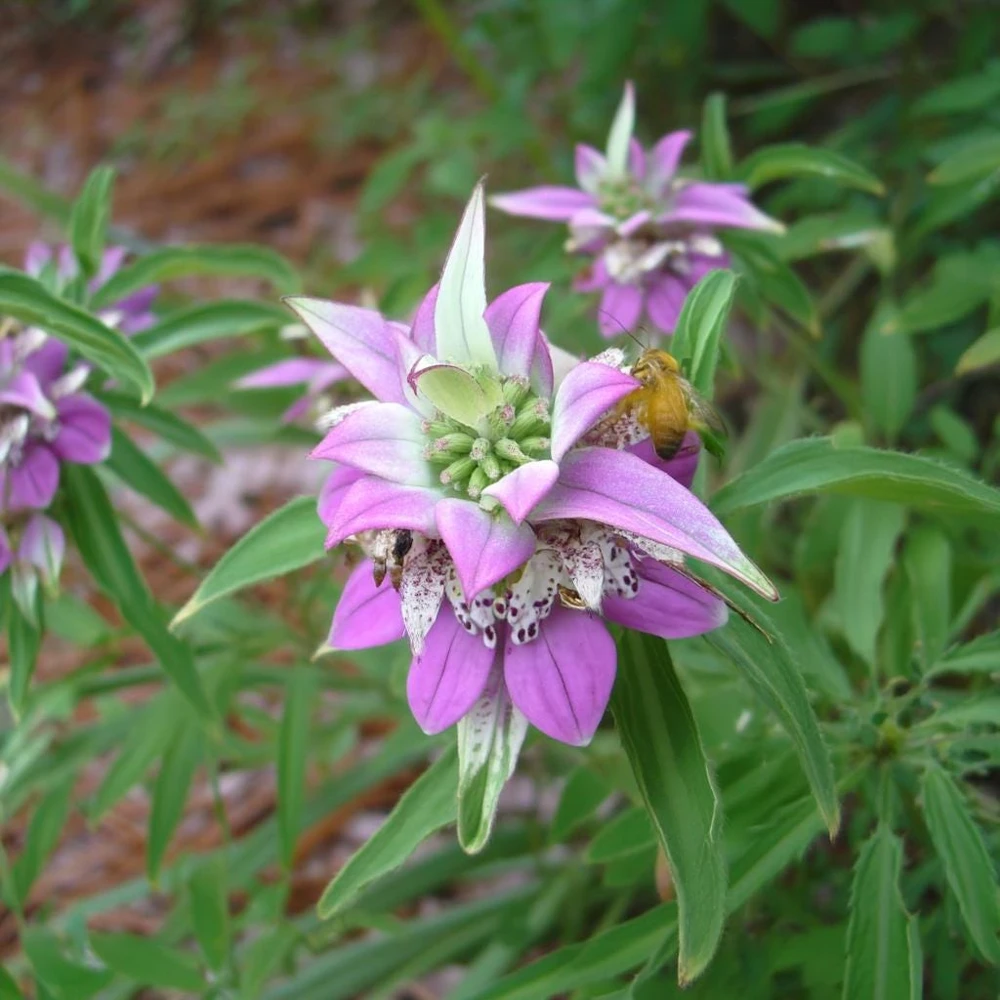
Spotted Bee Balm Seeds – Monarda Punctata Wildflower – 50 Seed Pack – Pollinator Attractor
Fruits
Dwarf Cavendish Banana Live Plant, Musa Acuminata, 4-6 Inch Tall, Tropical Fruit for Patio & Garden
Reviews
There are no reviews yet.