
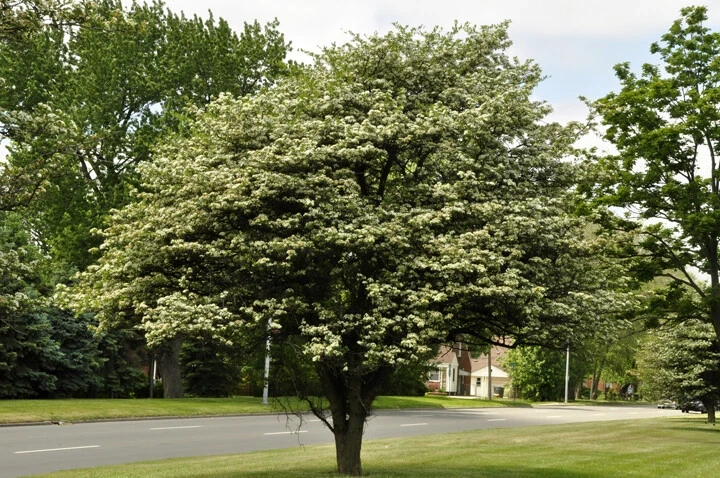
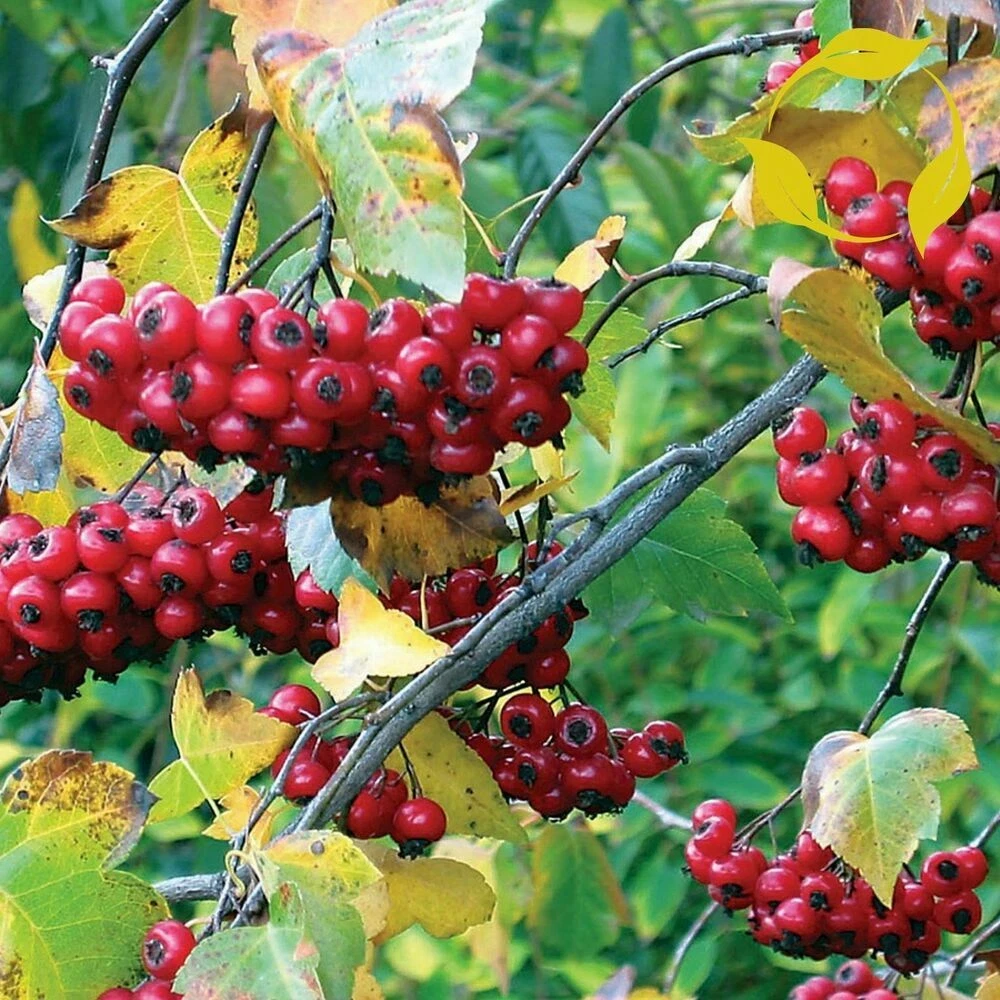
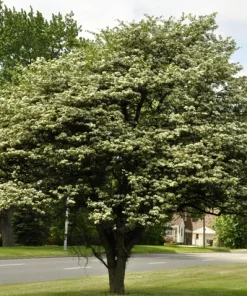
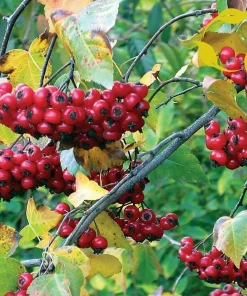
Washington Hawthorn Tree Live Plant – 18-24 Inches Tall, Bare Root, Outdoor
Original price was: $62.79.$42.79Current price is: $42.79.
Bring natural beauty to your garden with a Washington Hawthorn Tree live plant. Standing 18-24 inches tall, this bare root specimen is perfect for adding seasonal interest and supporting local wildlife. Enjoy its vibrant fall foliage and white spring flowers.
Estimated arrival
Oct 15
Oct 20 - Oct 22
Oct 25 - Oct 29
Shop With Confidence
30-Day Plant Health Guarantee
Arrives damaged? We’ll replace it free — see our return policy.
Responsive Support
Email us anytime, we reply within 1 business day.
Expert Packaging
Temperature-controlled shipping to protect your plants in transit.
Secure Checkout
Pay safely with Visa, Mastercard, PayPal.
Plant Specifications
-
USDA Hardiness Zone
USDA Zones 4-8 -
Soil Type
Well-draining soil, adaptable to various types -
Sunlight Exposure
Full sun -
Expected Planting Period
Early spring or fall
Overview
Introduce a touch of classic American horticulture to your landscape with the impressive Washington Hawthorn Tree live plant. Scientifically known as Crataegus phaenopyrum, this deciduous tree is celebrated for its multi-season appeal, making it a favorite among gardeners seeking both beauty and ecological benefit. Our offerings include healthy, established specimens, typically 18 to 24 inches tall and 2 to 3 years old, ensuring a strong start in your garden. The Washington Hawthorn Tree live plant is a versatile choice, thriving in various conditions and providing year-round visual interest, from its delicate spring blossoms to its brilliant fall colors and persistent winter berries.
The Crataegus phaenopyrum tree is a medium-sized tree, known for its dense, thorny branches, which provide excellent nesting sites and protection for birds. Its resilient nature and adaptability make it suitable for a wide range of climates and soil types, establishing it as a reliable addition to any garden or yard. Whether you’re looking to create a natural privacy screen, a striking specimen tree, or a food source for local wildlife, the Washington Hawthorn is an exceptional choice.
Key Benefits
The Washington Hawthorn Tree live plant offers a multitude of advantages for any landscape, enhancing both aesthetic appeal and ecological value. Its robust nature and year-round interest make it a truly rewarding plant to cultivate.
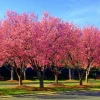
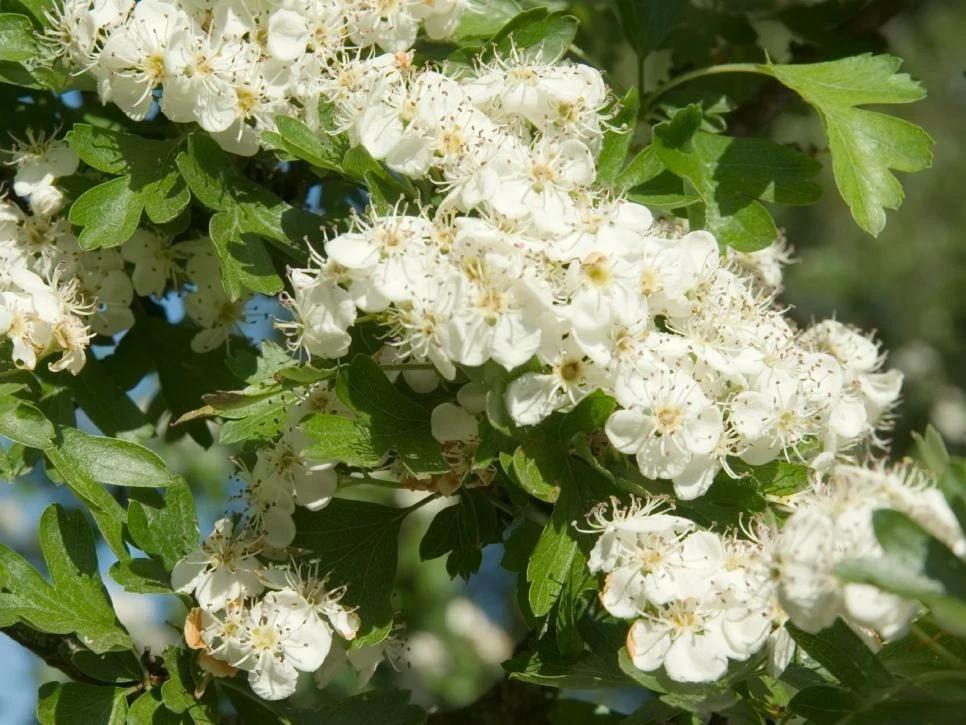
- Stunning Seasonal Display: Enjoy a captivating show through the seasons. In spring, the tree bursts with clusters of fragrant white flowers, followed by glossy green leaves in summer. Fall brings vibrant orange, red, and purple foliage, and winter showcases persistent bright red berries, providing color long after other plants have faded.
- Wildlife Attraction: The berries are a vital food source for birds during the colder months, while the flowers attract pollinators like bees and butterflies in spring. Its dense, thorny structure also offers excellent shelter and nesting spots for various bird species, making it a perfect choice for those interested in supporting biodiversity.
- Drought Tolerance & Adaptability: Once established, the Crataegus phaenopyrum tree is remarkably drought-tolerant and can adapt to a wide range of soil conditions, including clay and urban environments. This makes it a low-maintenance option for busy gardeners.
- Natural Security & Privacy: The tree’s thorny branches serve as a natural deterrent, making it an excellent choice for creating a living fence or privacy hedge, adding an extra layer of security to your property.
- Disease Resistance: The Washington Hawthorn is generally robust and exhibits good resistance to common hawthorn diseases, ensuring a healthier and more vigorous plant with less need for intervention compared to some other tree species.
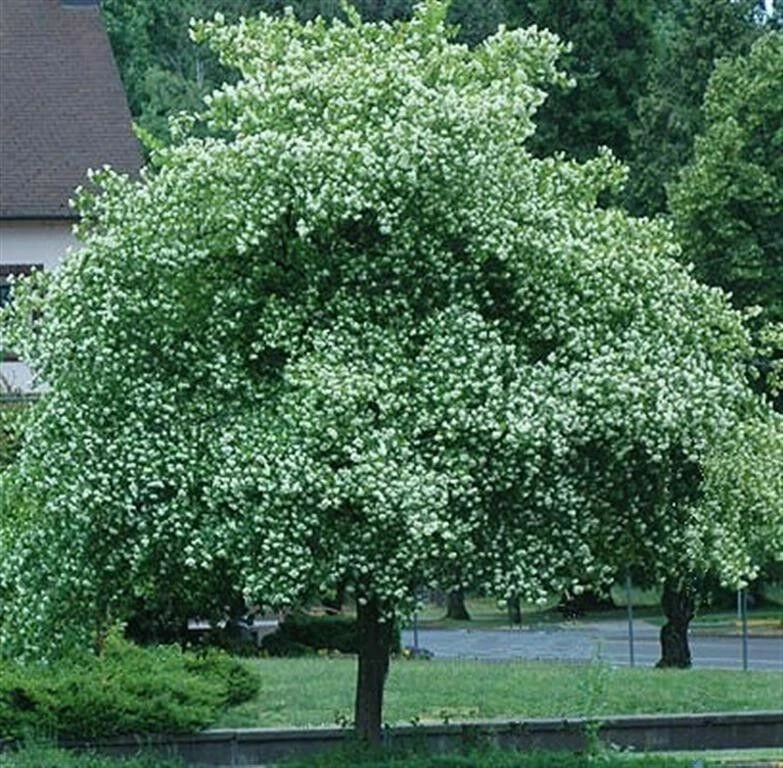
- Compact to Medium Size: Reaching a mature height of 15-25 feet, it’s an ideal size for many residential landscapes, offering significant visual impact without overwhelming smaller spaces.
- Erosion Control: Its strong root system can help stabilize soil, making it useful in areas prone to erosion.
Plant Care & Growing Tips
Caring for your Washington Hawthorn Tree live plant is relatively straightforward, making it an excellent choice for both novice and experienced gardeners. Following these guidelines will ensure your tree thrives and provides years of beauty. Understanding Washington Hawthorn care is key to its success.
Sunlight Requirements: The Crataegus phaenopyrum tree flourishes in full sun, meaning it needs at least 6 hours of direct sunlight per day. While it can tolerate partial shade, optimal flowering and berry production occur with ample sun exposure. Choose a site in your garden that receives bright, unfiltered light for most of the day for the best results.
Watering Schedule and Soil Moisture: Once established, the Washington Hawthorn is quite drought-tolerant. During its first growing season, water regularly to keep the soil consistently moist but not waterlogged, typically 1-2 times per week depending on weather conditions. For mature trees, natural rainfall is often sufficient, but supplemental watering during prolonged dry spells is beneficial, especially if berries are developing. Ensure good drainage to prevent root rot.
Soil Type and Drainage: This adaptable tree is not particular about soil type and can grow in a wide range of conditions, including clay, loam, and sandy soils. However, it prefers well-draining soil with a pH between 6.0 and 7.5. Amending heavy clay soils with organic matter can improve drainage and aeration, promoting healthier root development for your outdoor hawthorn tree.
Temperature Range and USDA Hardiness Zone: The Washington Hawthorn is incredibly hardy and suitable for USDA Zones 4-8. It tolerates a broad range of temperatures, from cold winters to hot summers. This resilience makes it a reliable choice for many regions across the United States. Protect young trees from extreme winter winds in colder zones.
Fertilization Schedule and Type: Generally, established Washington Hawthorn trees do not require heavy fertilization. If your soil is poor or the tree shows signs of nutrient deficiency (e.g., yellowing leaves), a balanced, slow-release granular fertilizer applied in early spring can be beneficial. Follow package instructions carefully to avoid over-fertilization, which can harm the tree. For young trees, a light application of compost around the base can provide essential nutrients.
Common Problems and Solutions: While relatively disease-resistant, Washington Hawthorns can occasionally be susceptible to cedar-hawthorn rust or fire blight. Proper air circulation and pruning to remove diseased branches can help prevent these issues. Monitor for common pests like aphids or scale, which can typically be managed with insecticidal soap or horticultural oil if infestations occur. Good Washington Hawthorn care practices minimize these problems.
Size & Details
This offering is for a vibrant Washington Hawthorn Tree live plant, typically measuring 18 to 24 inches in height. These trees are usually 2 to 3 years old, providing a well-established root system for successful transplanting. They are shipped as bare root plants, carefully packaged to ensure their health upon arrival. The bare root form allows for easier shipping and promotes rapid root establishment once planted in your garden.
The Crataegus phaenopyrum tree is a moderately fast grower, adding 12-24 inches of height per year under ideal conditions. At maturity, it typically reaches a height of 15-25 feet with a similar spread, forming an attractive rounded to oval crown. Expect your tree to begin flowering within a few years of planting, with berry production following shortly after. This flowering hawthorn tree is a long-lived species, providing decades of beauty and ecological benefit to your landscape.
Frequently Asked Questions
- Q: How big does this Washington Hawthorn Tree live plant get? A: This young plant is currently 18 to 24 inches tall. At maturity, a Washington Hawthorn Tree typically reaches a height of 15 to 25 feet with a spread of 15 to 20 feet, forming a dense, rounded canopy.
- Q: Is this an indoor or outdoor plant? A: The Washington Hawthorn Tree live plant is an outdoor tree. It requires significant sunlight and outdoor conditions to thrive and grow to its full potential.
- Q: How much sunlight does it need? A: For optimal growth, flowering, and berry production, the Washington Hawthorn requires full sun, meaning at least 6 hours of direct sunlight per day. It can tolerate some partial shade but may have reduced bloom and berry yields.
- Q: Is this plant easy to care for? A: Yes, the Crataegus phaenopyrum tree is generally considered a low-maintenance and easy-to-care-for tree, especially once established. It’s quite adaptable to various soil types and is drought-tolerant.
- Q: What condition will it arrive in? A: Your Washington Hawthorn Tree live plant will arrive as a bare root specimen, carefully packaged to ensure its health during transit. This means it will not be in a pot with soil, but its roots will be protected.
- Q: When is the best time to plant a flowering hawthorn tree? A: The best time to plant bare root Washington Hawthorn trees is in early spring or fall when the tree is dormant. This allows the roots to establish before the stress of summer heat or winter cold.
- Q: Will it survive winter in my zone? A: The Washington Hawthorn is hardy in USDA Zones 4-8. If your area falls within these zones, your tree should successfully survive winter conditions, even without special protection once established.
- Q: Does this tree produce edible berries? A: While the berries of the outdoor hawthorn tree are not typically consumed fresh due to their texture, they are edible and can be used to make jellies, jams, or sauces. They are a much-loved food source for birds.
- Q: Are there any thorns on this tree? A: Yes, Washington Hawthorn trees are known for their sharp thorns, which are a natural defense mechanism. These thorns can be quite prominent, so exercise caution when handling and pruning the tree.
- Q: What is the growth rate of the Washington Hawthorn? A: This tree has a moderate to fast growth rate, typically adding 1 to 2 feet of height per year. With proper Washington Hawthorn care, you’ll see significant growth over time.
Be the first to review “Washington Hawthorn Tree Live Plant – 18-24 Inches Tall, Bare Root, Outdoor”
People Also Viewed
Reviews
There are no reviews yet.