
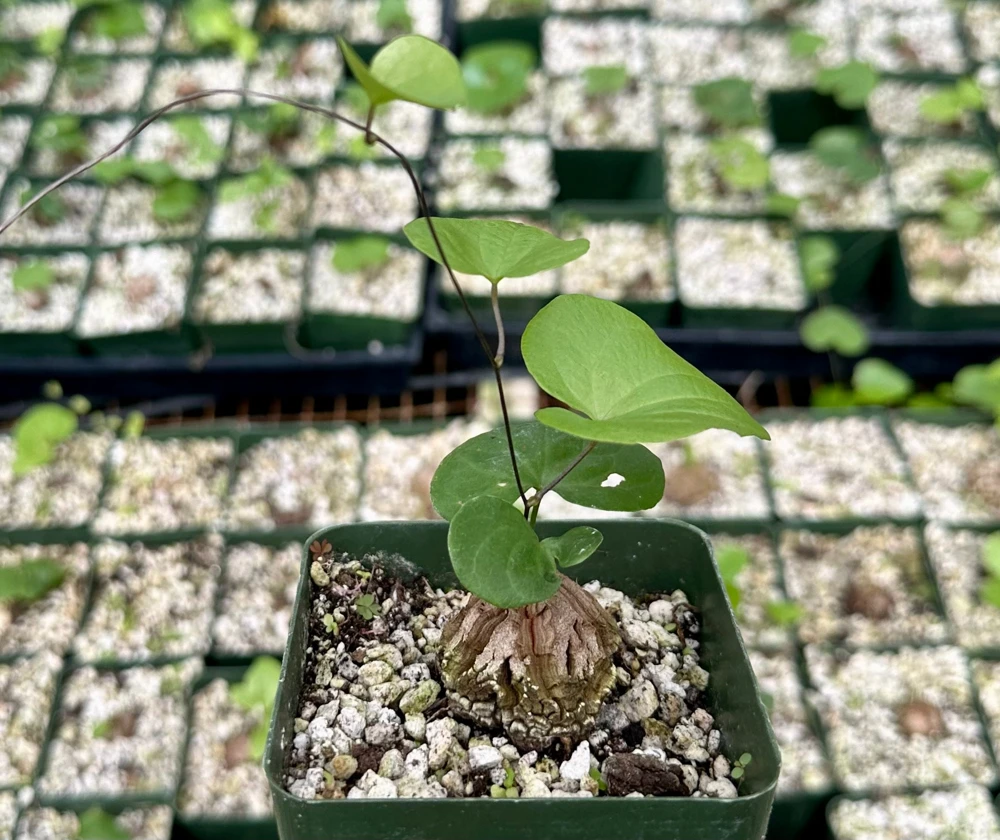
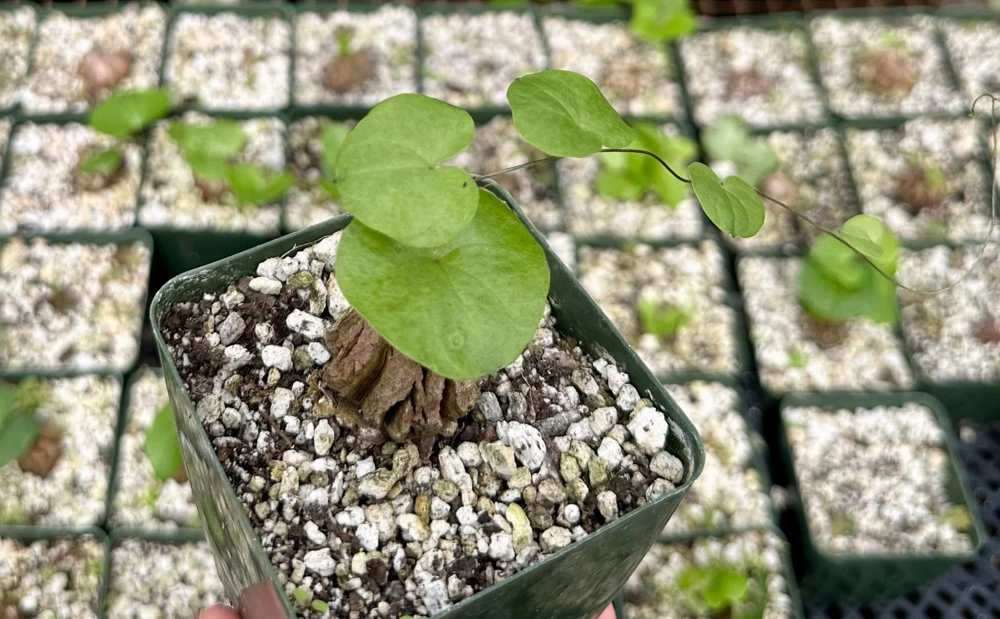
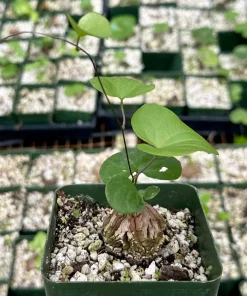
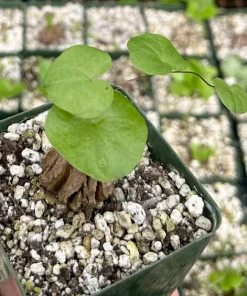
Elephant’s Foot Live Plant – Dioscorea Elephantipes 4″ Pot – Rare Caudex
Original price was: $49.99.$24.99Current price is: $24.99.
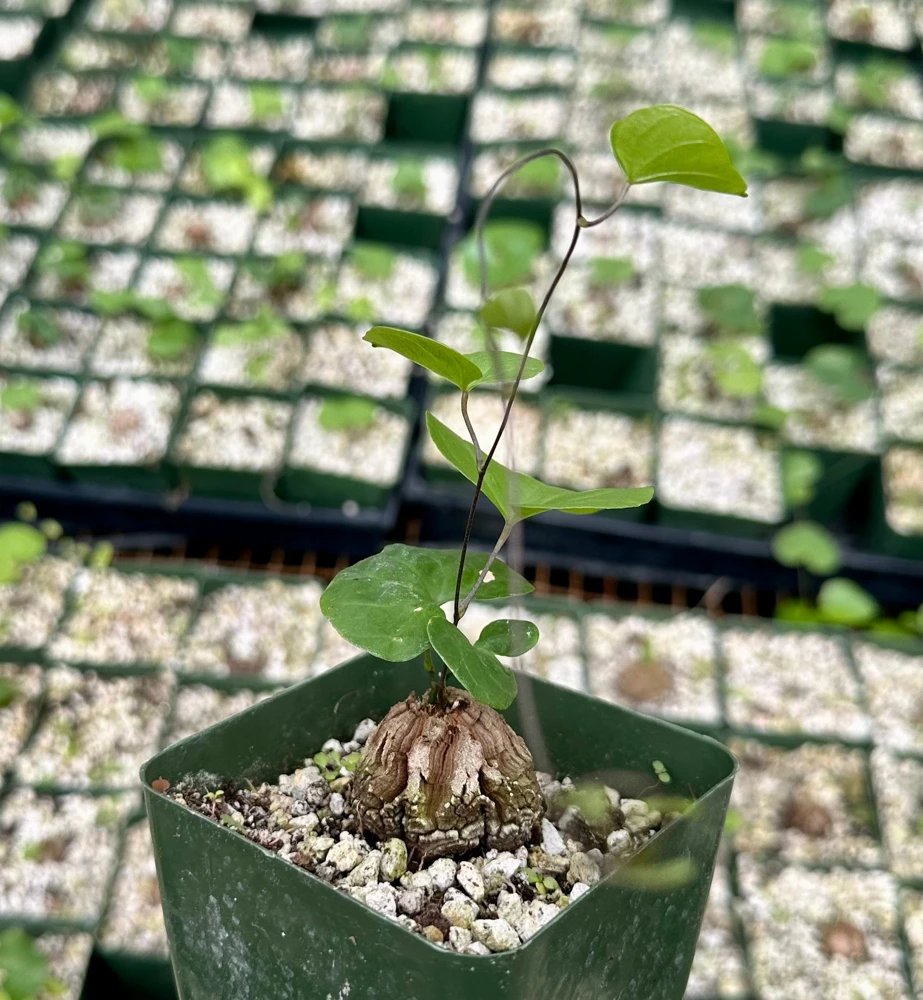
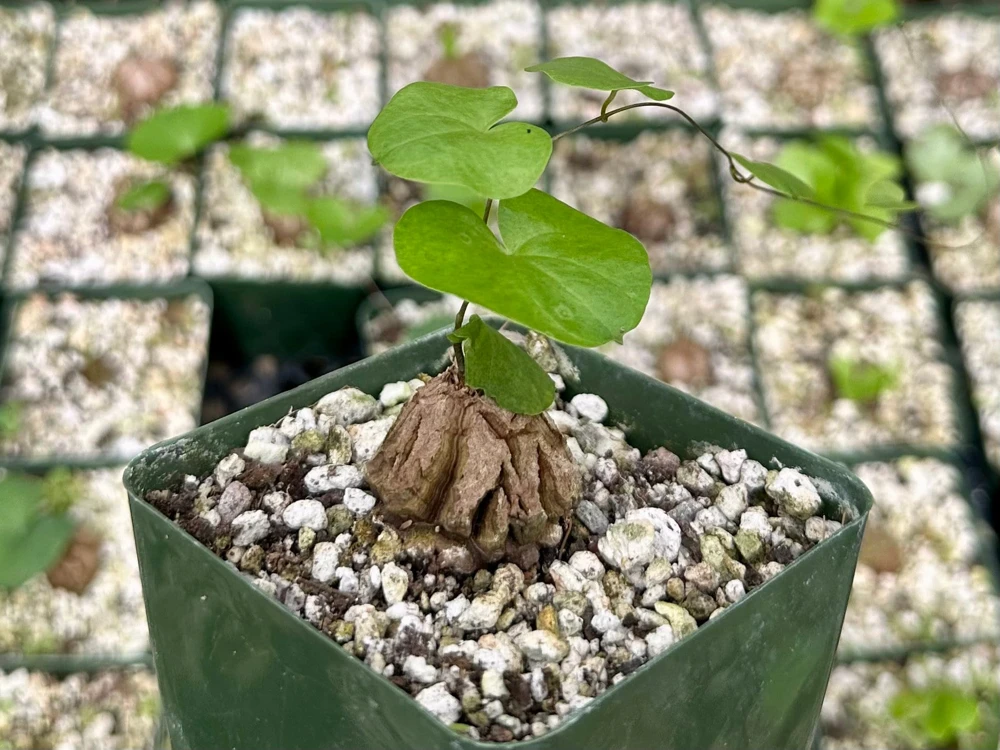
Bring home a truly unique botanical specimen with the elephant’s foot live plant (Dioscorea elephantipes). This rare succulent vine, known for its distinctive spherical caudex and heart-shaped leaves, arrives in a 4-inch pot, ready to add exotic appeal to your collection. Ideal for plant enthusiasts seeking an unusual and striking conversation piece.
Estimated arrival
Oct 15
Oct 20 - Oct 22
Oct 25 - Oct 29
Shop With Confidence
30-Day Plant Health Guarantee
Arrives damaged? We’ll replace it free — see our return policy.
Responsive Support
Email us anytime, we reply within 1 business day.
Expert Packaging
Temperature-controlled shipping to protect your plants in transit.
Secure Checkout
Pay safely with Visa, Mastercard, PayPal.
Plant Specifications
-
USDA Hardiness Zone
USDA zones 9-11 (or indoors) -
Soil Type
Well-draining succulent/cactus mix -
Sunlight Exposure
Full sun to partial shade -
Expected Planting Period
Year-round indoors, active growth fall-spring
Overview
Introduce an extraordinary botanical wonder to your home with the elephant’s foot live plant, scientifically known as Dioscorea elephantipes. This fascinating perennial vine, often called Hottentot Bread, is native to the arid regions of South Africa and is highly sought after by collectors worldwide. Its most striking feature is its massive, woody caudex, which can grow to impressive sizes, resembling an elephant’s foot, from which its common name is derived. From this unique base emerge slender, twining stems adorned with delicate, heart-shaped leaves, creating a captivating display. Our elephant’s foot live plant comes ready to thrive in a 4-inch pot, offering a perfect start for cultivating this exotic specimen. This plant is not just a decorative item; it’s a living sculpture that evolves with age, promising years of enjoyment and intrigue for any plant enthusiast.
The Dioscorea elephantipes is a true marvel of adaptation, designed to survive harsh conditions by storing water and nutrients in its prominent caudex. This makes it a relatively low-maintenance option for those who appreciate unusual flora. While it naturally enters a dormancy phase during warmer months, losing its leaves, it rejuvenates with cooler temperatures, sending out fresh, vibrant growth. Understanding the unique growth cycle of this plant is key to its successful cultivation, making it an engaging project for gardeners of all levels. Embrace the beauty of this rare succulent vine and watch as its distinctive form becomes a focal point in your plant collection.
Key Benefits
The elephant’s foot live plant offers a range of unique benefits, making it a prized addition to any plant collection. Its distinctive appearance and intriguing growth habits provide continuous fascination. Here are some of the key advantages of owning this exceptional plant:
- Unique Ornamental Appeal: The most prominent benefit is its striking aesthetic. The large, textured caudex, resembling an elephant’s foot, coupled with delicate twining vines, creates an unparalleled visual interest that stands out in any collection. It’s a living sculpture that sparks conversation.
- Rare Collector’s Item: For plant enthusiasts and collectors, the Dioscorea elephantipes is a highly desired specimen. Its rarity and unusual form make it a prized possession, adding prestige and diversity to a curated plant display.
- Drought Tolerance: Thanks to its water-storing caudex, this plant is incredibly drought-tolerant. It requires infrequent watering, making it an excellent choice for those who prefer low-maintenance plants or tend to forget watering schedules.
- Fascinating Growth Cycle: Witnessing the plant’s natural dormancy and reawakening is a captivating experience. It sheds its leaves in summer and regrows them in fall, providing a dynamic display of nature’s resilience and adaptive strategies.
- Long-Lived Specimen: With proper care, an elephant’s foot live plant can live for many decades, becoming a long-term companion and a testament to enduring natural beauty. Its slow growth and longevity make it a rewarding project.
- Low Maintenance: Beyond understanding its dormancy, the plant requires minimal intervention. It thrives on neglect rather than over-care, making it suitable for busy individuals or those new to rare plant cultivation.
- Educational Value: Owning a hottentot bread plant offers an opportunity to learn about xerophytic adaptations and the diverse strategies plants employ to survive in challenging environments, deepening appreciation for the natural world.
Plant Care & Growing Tips
Caring for your elephant’s foot live plant, or Dioscorea elephantipes, is a rewarding experience, especially when you understand its unique needs. This plant thrives on specific conditions that mimic its native South African habitat. Providing the right environment will ensure its distinctive caudex and delicate vines flourish. Let’s delve into the essential care requirements to keep your rare caudex plant healthy and vibrant.
Sunlight Requirements: The Dioscorea elephantipes prefers full sun to partial shade. When grown indoors, place it in a location where it receives at least 4-6 hours of direct sunlight daily, such as a south-facing window. If direct sun is too intense in peak summer, especially for younger plants, provide some afternoon shade or filtered light to prevent scorching. For outdoor cultivation in suitable climates, ensure it gets ample morning sun and protection from the harshest midday rays. Adequate light is crucial for the development of its caudex and healthy foliage.
Watering Schedule & Soil Moisture: This plant is drought-tolerant due to its caudex, which stores water. The key to successful watering is to allow the soil to dry out completely between waterings. During its active growing phase (typically fall through spring), water thoroughly until water drains from the bottom. Reduce watering significantly during its summer dormancy period – water sparingly, just enough to prevent the caudex from shriveling, or cease watering entirely if the plant has fully defoliated. Overwatering is the most common cause of rot and can be fatal. When learning how to provide optimal dioscorea elephantipes care, remember less is more when it comes to water.
Soil Type and Drainage: A well-draining soil mix is paramount for the elephant’s foot live plant. A succulent or cactus potting mix is ideal, as it provides the necessary aeration and prevents waterlogging. You can also create your own mix by combining regular potting soil with perlite, pumice, or coarse sand in a 1:1:1 ratio. Ensure the pot has drainage holes to facilitate proper water runoff. The caudex should be partially exposed above the soil line, resembling its natural growth pattern, which also helps prevent rot.
Temperature Range and USDA Hardiness Zone:Dioscorea elephantipes is sensitive to cold. It thrives in temperatures between 60-85°F (15-29°C). It is generally suited for USDA Hardiness Zones 9-11 if grown outdoors year-round. In colder climates, it must be brought indoors before temperatures drop below 50°F (10°C). Protect it from frost, which can severely damage the caudex and foliage. Provide good air circulation, but avoid cold drafts.
Fertilization Schedule and Type: Fertilize sparingly during the active growing season (fall to spring) with a balanced, diluted liquid fertilizer (e.g., 10-10-10 or a succulent-specific formula) at half strength, once every 4-6 weeks. Do not fertilize during its dormancy period. Over-fertilization can harm the plant, so err on the side of caution. Focus on providing good light and proper watering, which are more critical than heavy feeding for this species.
Common Problems and Solutions: The most common issues are related to overwatering, leading to root and caudex rot. If you notice the caudex becoming soft or mushy, reduce watering immediately and check for signs of rot. Pests are generally not a major problem, but occasionally mealybugs or spider mites can appear. Treat with insecticidal soap or neem oil if detected. Ensure good air circulation to deter fungal issues. Remember that summer dormancy, where leaves yellow and drop, is a natural process, not a sign of distress, and is an important aspect of growing elephant’s foot successfully.
Size & Details
Your elephant’s foot live plant (Dioscorea elephantipes) will arrive as a healthy specimen, housed in a 4-inch nursery pot. At this stage, the plant will feature a developing caudex, typically ranging from 1-3 inches in diameter, showcasing its characteristic rough, bark-like texture. The plant will have active growth with twining stems and heart-shaped leaves during its growing season. The overall height, including the pot, will be approximately 6-10 inches, depending on the current growth phase. This species is known for its slow but steady growth, with the caudex gradually expanding over many years. In its natural habitat, the caudex can reach up to 1.5 feet in diameter, and the vines can extend up to 20 feet in length, though it will remain more compact in cultivation.
The plant is shipped with care to ensure it arrives in optimal condition, ready for you to continue its journey. While the plant is young, the unique form of its caudex is already evident, promising a magnificent specimen as it matures. The growth rate of the caudex is slow, adding to its appeal as a long-term, evolving feature in your home. Expect new shoots and renewed vibrant foliage to emerge as cooler temperatures return in the fall, following its natural heat-driven rest phase. This rare caudex plant is a testament to nature’s artistry, offering a truly distinctive display for years to come.
Frequently Asked Questions
- Q: How big does this elephant’s foot live plant get? A: While the caudex can eventually grow up to 1.5 feet in diameter in its native habitat, cultivated plants typically remain smaller. The vines can extend several feet, but can be pruned to maintain a desired size. Your plant will arrive in a 4-inch pot with a caudex of 1-3 inches and will grow slowly over many years.
- Q: Is this an indoor or outdoor plant? A: The Dioscorea elephantipes can be grown both indoors and outdoors. If you live in USDA Zones 9-11, it can be grown outdoors year-round. In colder climates, it is best grown as an indoor plant or moved indoors during the cooler months to protect it from frost.
- Q: How much sunlight does it need? A: This plant thrives in full sun to partial shade. Indoors, place it in a bright location, such as a south-facing window, where it can receive at least 4-6 hours of direct sunlight daily. Outdoors, ensure it gets plenty of morning sun but might appreciate some afternoon shade in very hot climates.
- Q: Is this plant easy to care for? A: The elephant’s foot live plant is relatively easy to care for, especially for those familiar with succulents. The most critical aspect of dioscorea elephantipes care is ensuring proper watering – avoiding overwatering is key. It’s a low-maintenance plant once its specific dormancy cycle is understood.
- Q: What condition will it arrive in? A: Your plant will arrive as a healthy, live specimen in a 4-inch nursery pot. It will be carefully packaged to minimize stress during transit, ensuring it reaches you in optimal condition, ready for its new home.
- Q: When is the best time to plant or repot an elephant’s foot live plant? A: The best time to plant or repot is typically during its active growing season, which is usually from fall through spring. Avoid repotting during its summer dormancy period to reduce stress on the plant.
- Q: What does it mean when the plant loses its leaves in summer? A: The summer leaf drop is a natural and healthy dormancy phase for the hottentot bread plant. This heat-driven rest allows the plant to conserve energy and water during the hottest months. New shoots and foliage will emerge as cooler temperatures return in the fall, which is a normal part of growing elephant’s foot.
- Q: Is this plant pet-safe? A: While the caudex is not typically appealing to pets, some sources suggest that parts of the Dioscorea genus can be toxic if ingested. It is generally best to keep all plants out of reach of curious pets.
- Q: What kind of soil is best for this plant? A: A well-draining soil mix is essential. A cactus or succulent potting mix works perfectly. You can also amend regular potting soil with perlite or coarse sand to improve drainage, ensuring the caudex does not sit in soggy conditions.
- Q: How often should I fertilize my rare caudex plant? A: Fertilize sparingly during the active growing season (fall to spring) with a diluted liquid fertilizer every 4-6 weeks. Do not fertilize during its summer dormancy. Less is often more with this plant when it comes to nutrients.
Be the first to review “Elephant’s Foot Live Plant – Dioscorea Elephantipes 4″ Pot – Rare Caudex”
People Also Viewed
Shrubs
Large Orange Jasmine in 10″ Pot, Murraya paniculata. No SHIP to CA, HI, Tx, Az, La, Pr, Guam, Vi, Al
Flowers
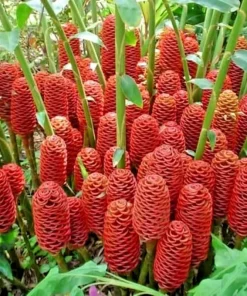
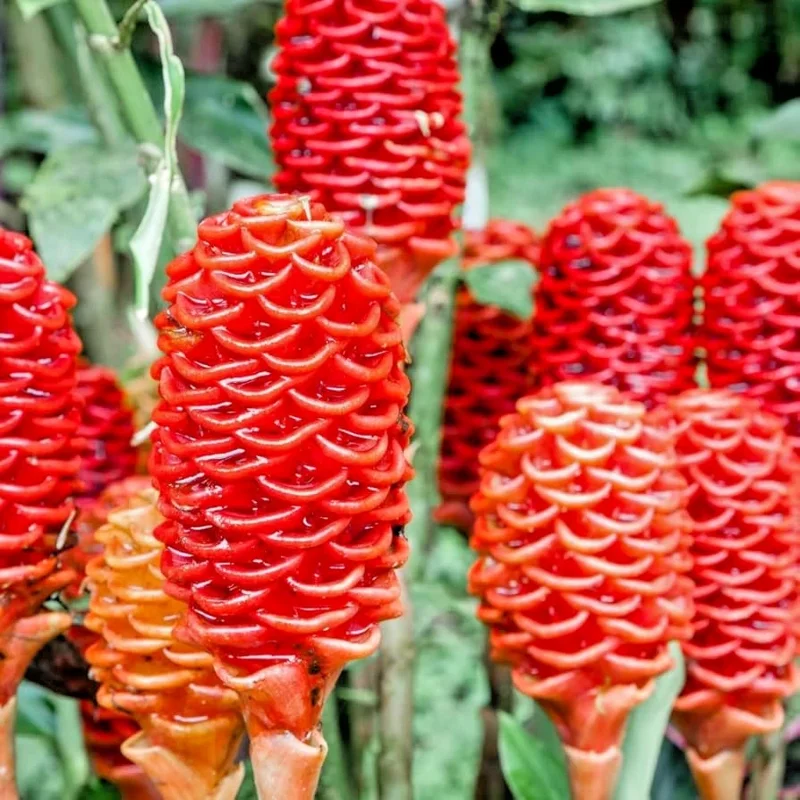
Shampoo Ginger Rhizomes – Zingiber Zerumbet Pine Cone Ginger Tropical Plant – Perennial, Easy Care
Flower Plants
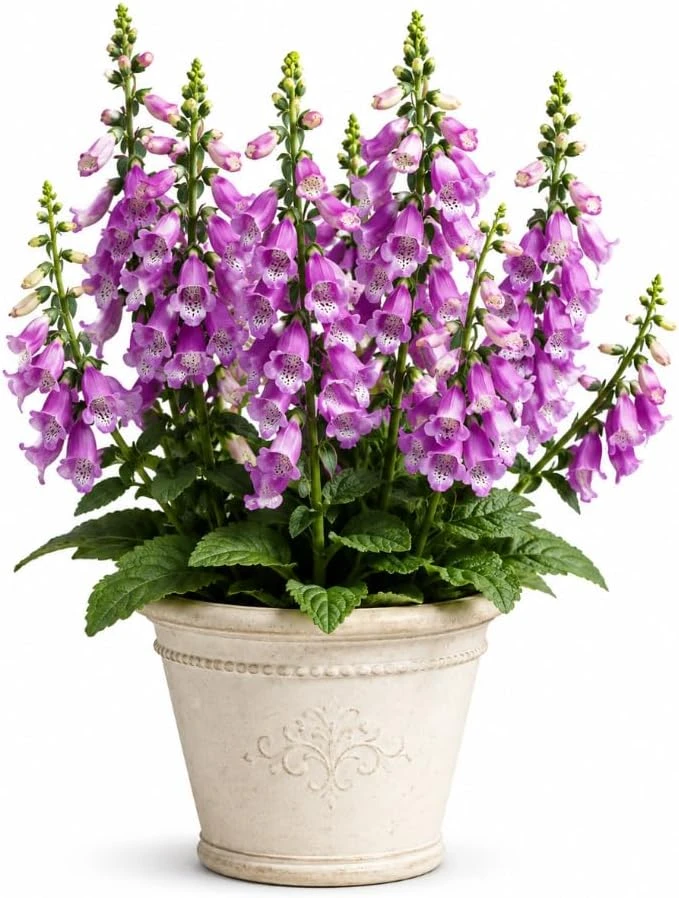
Purple Foxglove Live Plant – Hardy Perennial, Digitalis purpurea, 2-4 Inch Tall, 3 Inch Pot
Reviews
There are no reviews yet.